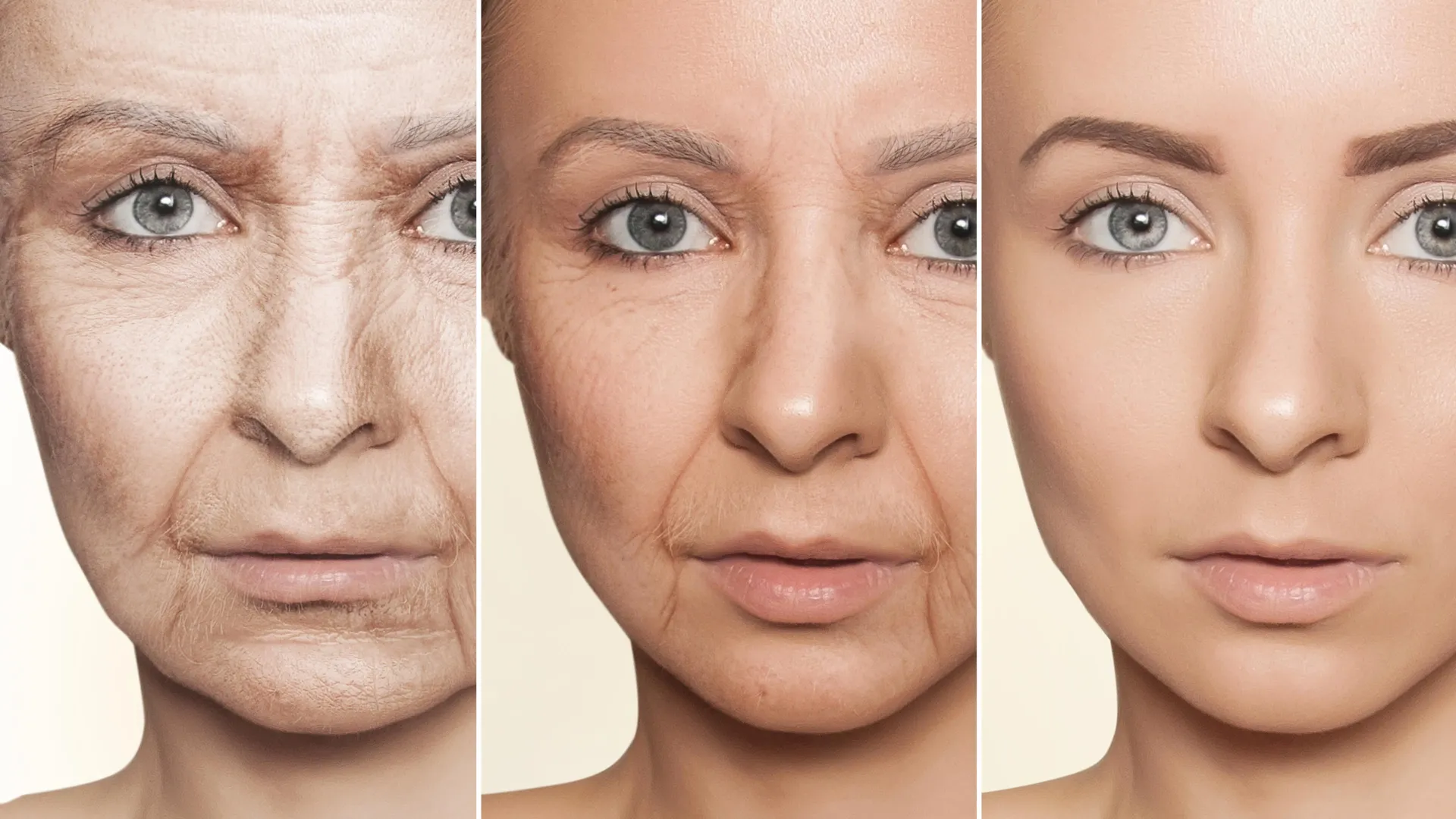
Aging has long been viewed as a unidirectional process—a slow, inevitable erosion of biological function manifested in graying hair, dermal atrophy, and the gradual clouding of cognitive faculties. For decades, the scientific community has been constrained by the paradigm that these changes are permanent. However, a groundbreaking collaborative study involving researchers from Xi’an Jiaotong-Liverpool University, Stanford University, Shanghai Jiao Tong University, and the University of Chinese Academy of Sciences has introduced a provocative hypothesis: the mechanisms of aging may be far more malleable than previously understood. By targeting a specific class of lipid molecules found in marine organisms, scientists have successfully reversed signs of cognitive and physical decline in murine models, opening a new frontier in geriatric medicine.
The Marine Origin of a Potential Anti-Aging Breakthrough
The focus of this investigation is a group of compounds known as plasmalogens, which are a specialized category of phospholipids—fat molecules that are structural cornerstones of cell membranes. While plasmalogens are synthesized naturally within the human body and are found in high concentrations within the brain, heart, and immune system, their levels exhibit a marked, systemic decline as organisms age.
The researchers identified an unusual, yet historically significant, source for these molecules: Ascidiacea, commonly known as sea squirts. These sessile marine filter feeders have long been a dietary staple in coastal regions of East Asia. In Korea, they are consumed as meongge, while in Japan, they are prepared as hoya. Beyond their cultural culinary status, these organisms contain unusually high concentrations of plasmalogens.
The study, which spans years of incremental research, posits that the deficiency of these lipids is not merely a byproduct of aging but a driver of neurodegeneration. By supplementing the diets of aged mice with plasmalogens, the research team sought to determine if the systemic restoration of these fats could mitigate or even reverse the functional decline associated with advanced age.
Chronology of the Experimental Process
The experiment was structured to isolate the effects of plasmalogen supplementation on cognitive performance and physical markers of aging. The timeline of the study began with the identification of cognitive deficits in aged mice, established via the Morris water maze—a standardized psychological test used to assess spatial learning and memory.
In this protocol, mice were placed in a water-filled arena containing a submerged, invisible platform. Younger mice typically demonstrate high levels of spatial awareness, learning to navigate to the platform with increasing speed over a series of training days. In contrast, older mice characteristically exhibit "cognitive rigidity" and memory impairment, failing to recall the platform’s location efficiently.
Following five days of dietary intervention with plasmalogen supplements, the researchers observed a dramatic shift. The treated aged mice performed with a speed and accuracy comparable to their younger counterparts. The physical transformations were equally startling; while the control group of aged mice continued to show the expected signs of hair thinning and loss of luster, the supplemented group developed thicker, glossier, and darker hair, suggesting that the benefits of plasmalogen restoration extend well beyond the blood-brain barrier to systemic tissue regeneration.
Synaptic Integrity and the Neurobiological Mechanism
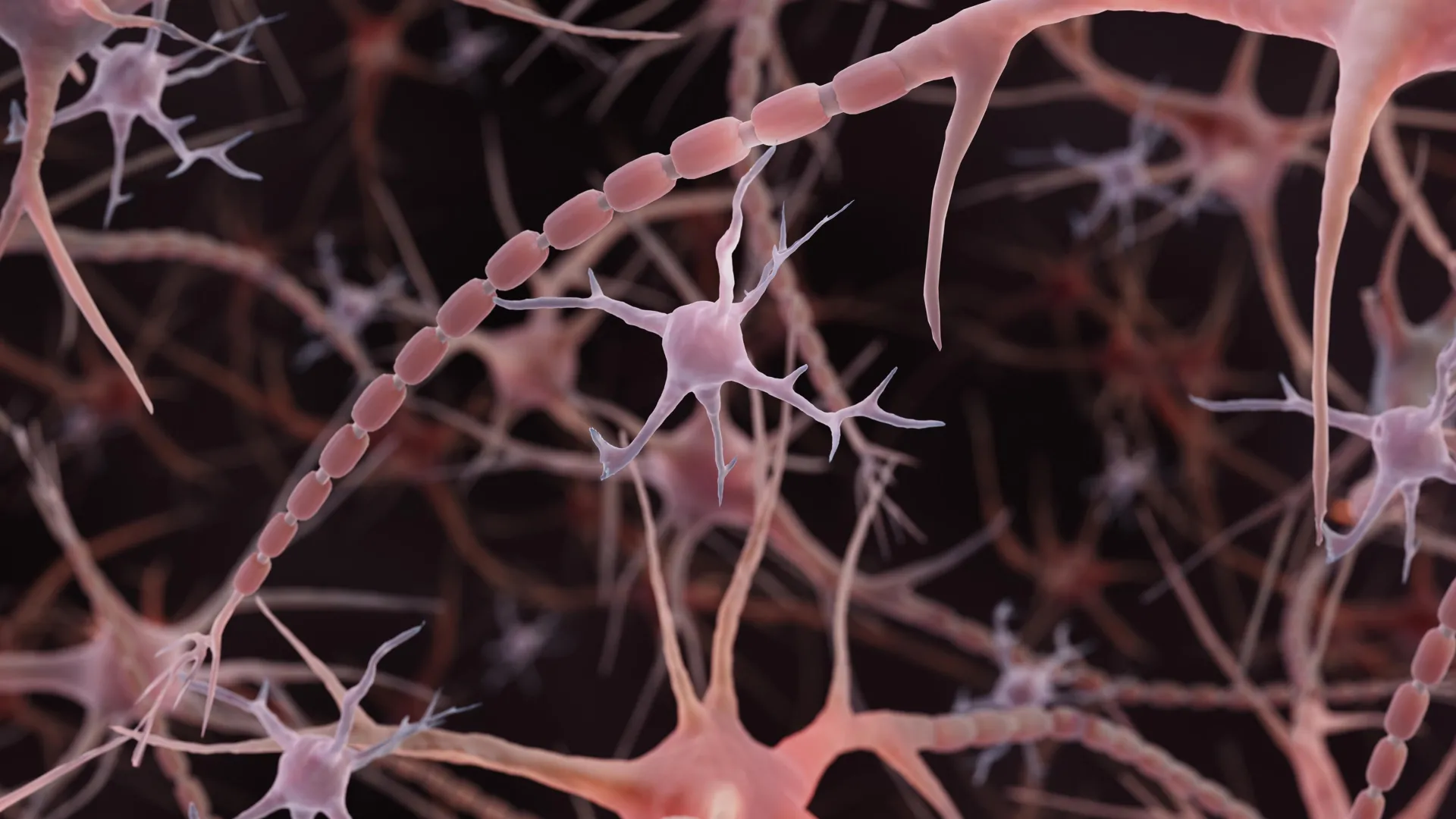
To understand the physiological basis for these behavioral improvements, the research team conducted post-mortem neurological examinations of the subjects. The findings revealed a quantitative and qualitative increase in synapses—the microscopic junctions that allow for inter-neuronal communication.
Synapses are the conduits of neural plasticity, the brain’s ability to rewire itself in response to new information. As mammals age, these junctions naturally degrade, leading to the cognitive decline associated with normal aging and more severe neurodegenerative diseases such as Alzheimer’s and Parkinson’s. The study found that plasmalogens appear to protect these junctions from degradation, effectively maintaining the "structural fluidity" of the brain.
Professor Lei Fu, the corresponding author of the study, emphasized that the data suggests a two-fold benefit: the prevention of further decline and the active promotion of neuroregeneration. "Our research suggests that plasmalogens may not just stop cognitive decline, but may reverse cognitive impairments in the aging brain," Fu stated. "The increase in molecules that aid the growth and development of neurons and synapses provides a clear pathway for how these lipids might facilitate repair."
The Gut-Brain Axis and Systemic Inflammation
A significant portion of the study explored why these lipid supplements triggered such widespread physical improvements. The research team identified a significant reduction in neuroinflammation among the treated mice. Chronic inflammation is a well-documented hallmark of the aging brain, often resulting from a dysregulated immune response that damages nerve cells and disrupts synaptic transmission.
Furthermore, the study introduced the role of the gut-brain axis—the complex biochemical signaling system between the gastrointestinal tract and the central nervous system. Professor Fu hypothesized that plasmalogens may modulate the gut microbiome, the vast community of microorganisms residing in the digestive tract. By altering the microbial environment, the supplement may trigger an immune-mediated reduction in systemic inflammation, which in turn benefits cognitive function. This suggests that the "anti-aging" effect of plasmalogens is not merely localized to the brain, but is the result of a holistic, multi-systemic physiological intervention.
Implications for Human Gerontology
While the results are scientifically significant, experts caution against premature extrapolation to human clinical practice. The transition from animal models to human therapeutics is fraught with variables, including differences in metabolic rates, dietary absorption, and the long-term safety profile of high-dose supplementation.
"For the first time, we show that plasmalogen supplements might be a potential intervention strategy for halting neurodegeneration," Professor Fu noted. His own commitment to the research is evident, as he personally integrates plasmalogen supplements into his daily regimen, reflecting a high degree of professional confidence in the findings.
However, the medical community remains objective. Clinical trials would be required to determine the optimal dosage for humans, the potential for side effects, and whether the cognitive improvements observed in mice translate to the complex, multifaceted nature of human neurodegenerative diseases. There is also the logistical challenge of sourcing sufficient quantities of high-quality plasmalogens for mass production, though the researchers suggest that if the benefits are confirmed, the development of synthetic or refined dietary alternatives would be the natural next step.
Broader Impact on Neurodegenerative Disease Research
The implications of this research extend to the global burden of neurodegenerative disorders. With the global population aging rapidly, the economic and societal costs of conditions like Alzheimer’s disease are projected to reach trillions of dollars by mid-century. Current pharmacological interventions have largely focused on clearing protein plaques or managing symptoms, with limited success in reversing established damage.
If plasmalogens can indeed foster neuroregeneration and stabilize synaptic health, they represent a radical departure from existing treatment models. By treating the aging brain as a system that can be "re-lubricated" and repaired, rather than one that is simply destined for decay, this research provides a new lens through which to view the biology of aging.
As the scientific community awaits follow-up studies, the focus will likely shift to the molecular pathway by which plasmalogens influence gene expression related to cellular repair. The interdisciplinary nature of this study—linking marine biology, neurology, and gut-microbiome research—highlights the necessity of a systems-biology approach to solving one of humanity’s oldest challenges.
In conclusion, while the path from the sea squirt to the clinic is long, the evidence gathered by this international team provides a compelling argument for the role of lipids in maintaining human cognitive health. Whether this leads to a new class of "nutraceuticals" or a breakthrough in pharmaceutical neuroregeneration, the study serves as a potent reminder that the keys to slowing the clock may be found in the most unexpected corners of the natural world. Future research will undoubtedly focus on validating these findings in human trials, marking a critical new chapter in our quest to understand, and perhaps eventually master, the process of aging.