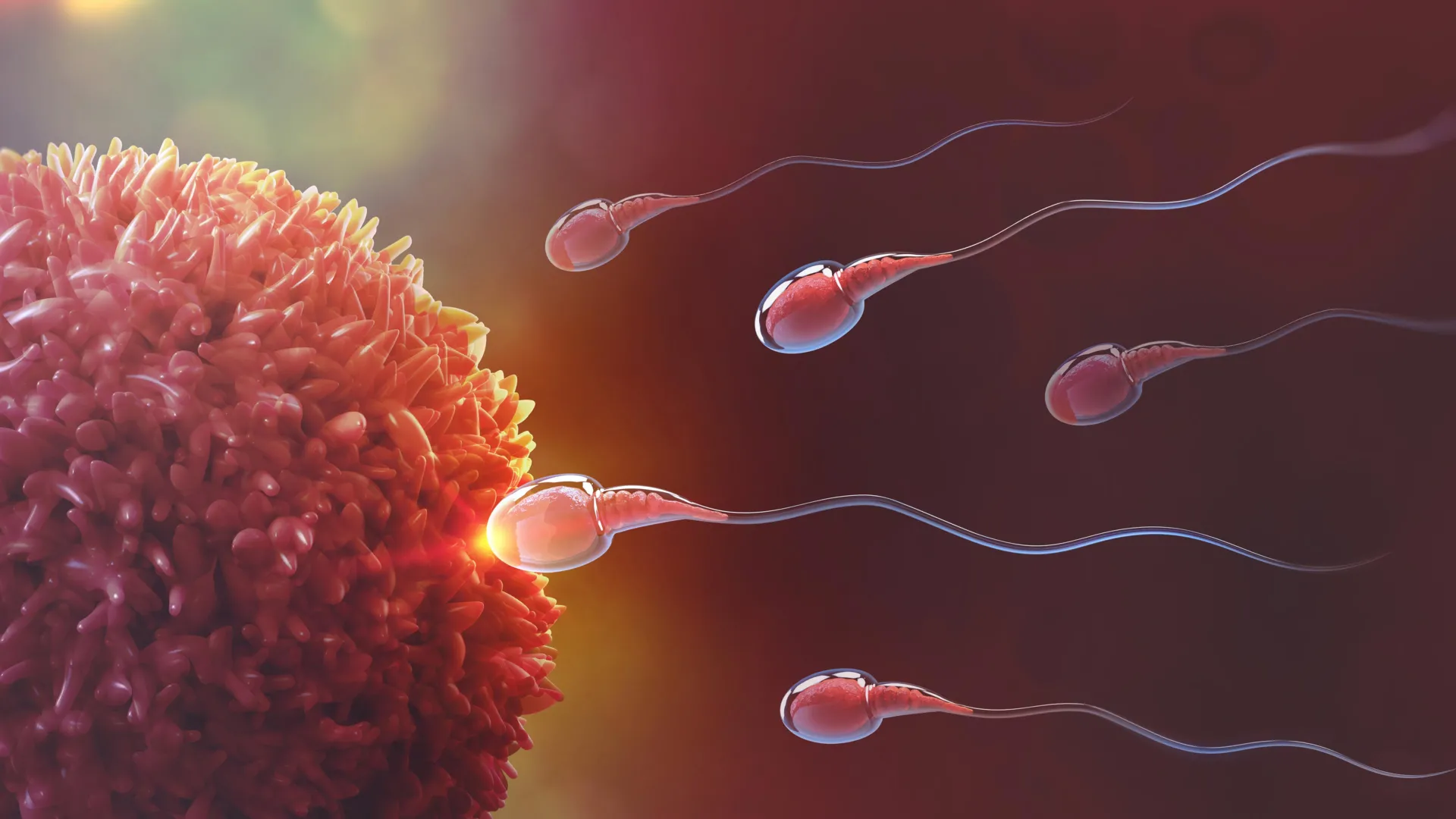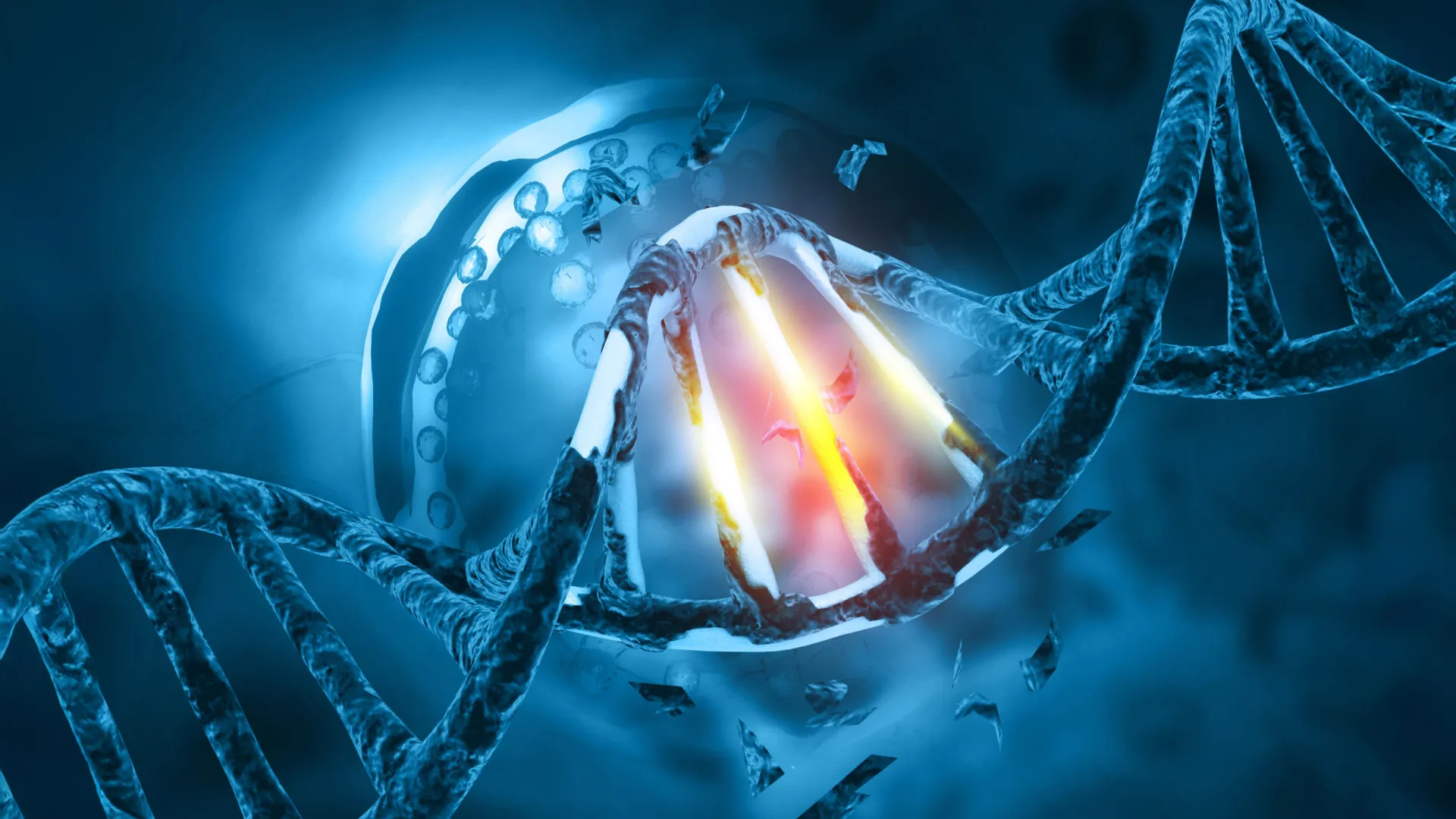
The landscape of human genetics and paternal reproduction is undergoing a profound reassessment following the publication of landmark research in the prestigious scientific journal Nature. For decades, the medical and scientific communities operated under a well-established foundational rule: as men age, random genetic copying errors slowly accumulate in their sperm, leading to a linear, albeit modest, increase in the risk of inherited genetic disorders in their offspring. However, a major new genomic study has upended this conventional wisdom by demonstrating that age-related genetic mutations are not merely passive victims of random molecular decay. Instead, a powerful and active evolutionary process—natural selection operating within the human testes—actively favors certain harmful DNA changes, allowing them to multiply and thrive long before conception ever takes place.
This groundbreaking revelation stems from two complementary studies published simultaneously on October 8, offering an unprecedented look into the microscopic battleground of the male germline. Utilizing cutting-edge genetic sequencing technology, researchers from the Wellcome Sanger Institute, King’s College London, and Harvard Medical School have mapped how disease-causing mutations accumulate across the entire sperm genome. Their findings not only illuminate the hidden mechanisms of paternal inheritance but also open critical new avenues for understanding how environmental, lifestyle, and physiological factors may ultimately influence the genetic health of future generations.
The Mechanics of Clonal Expansion and Germline Selection
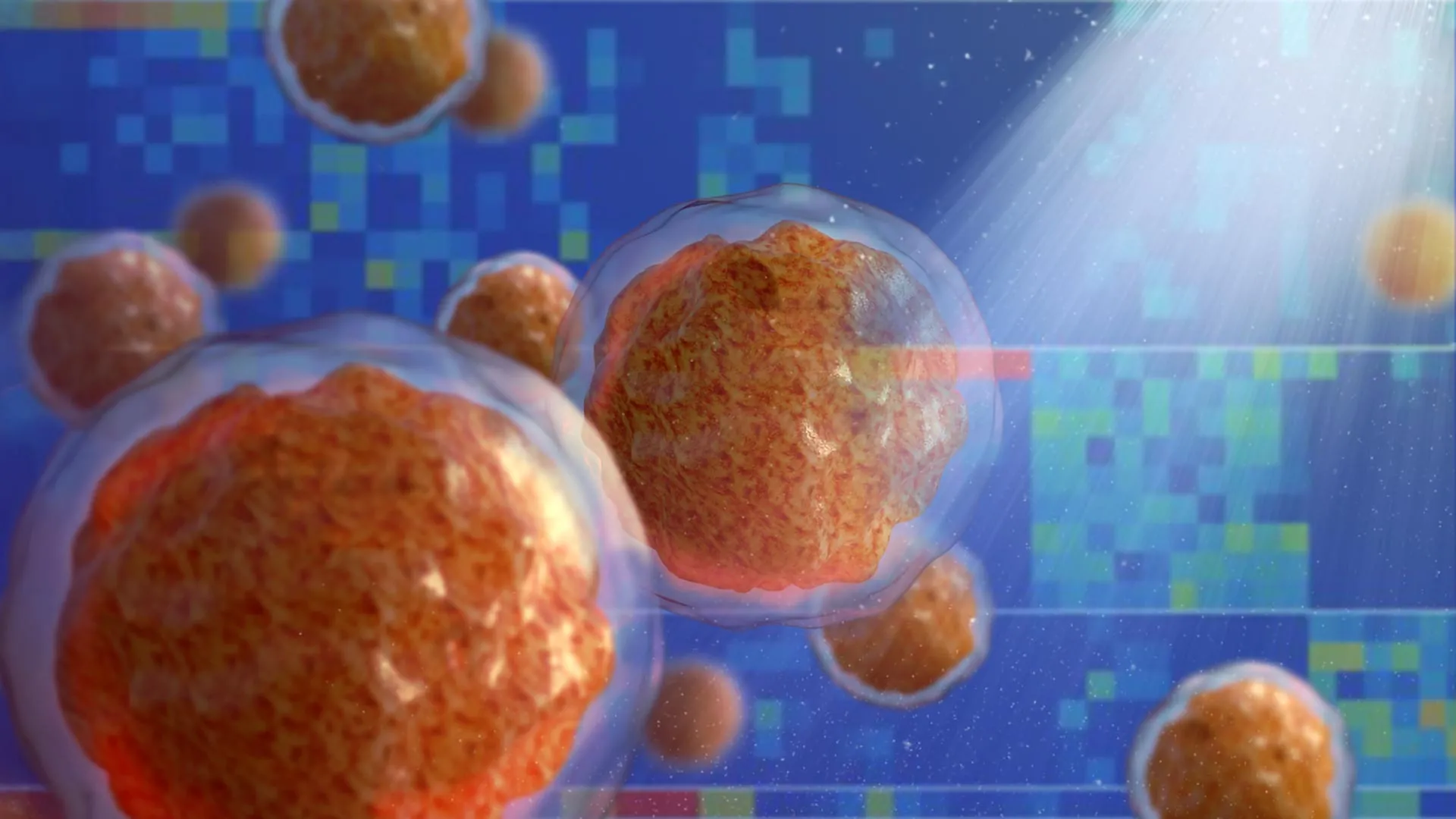
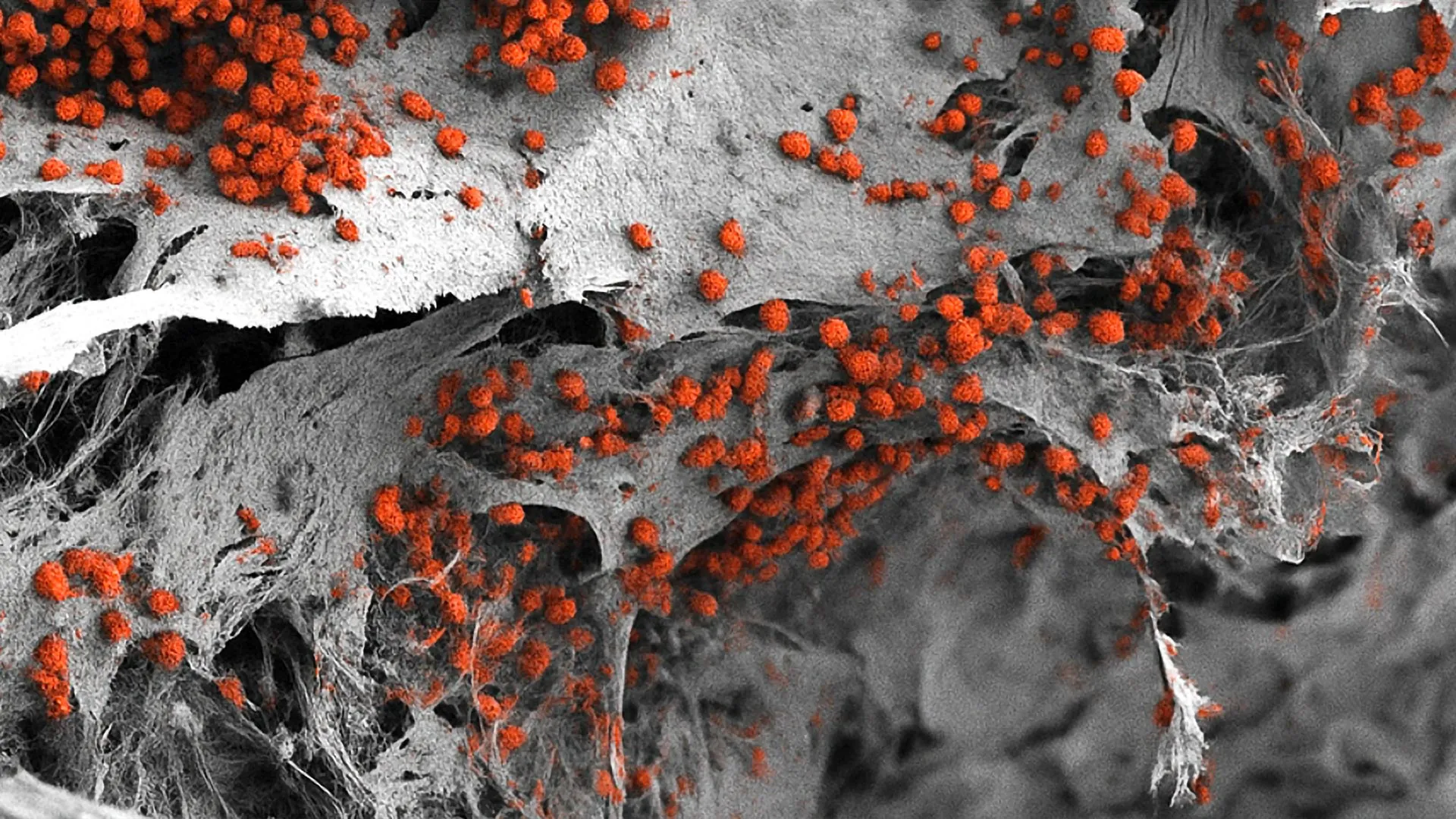
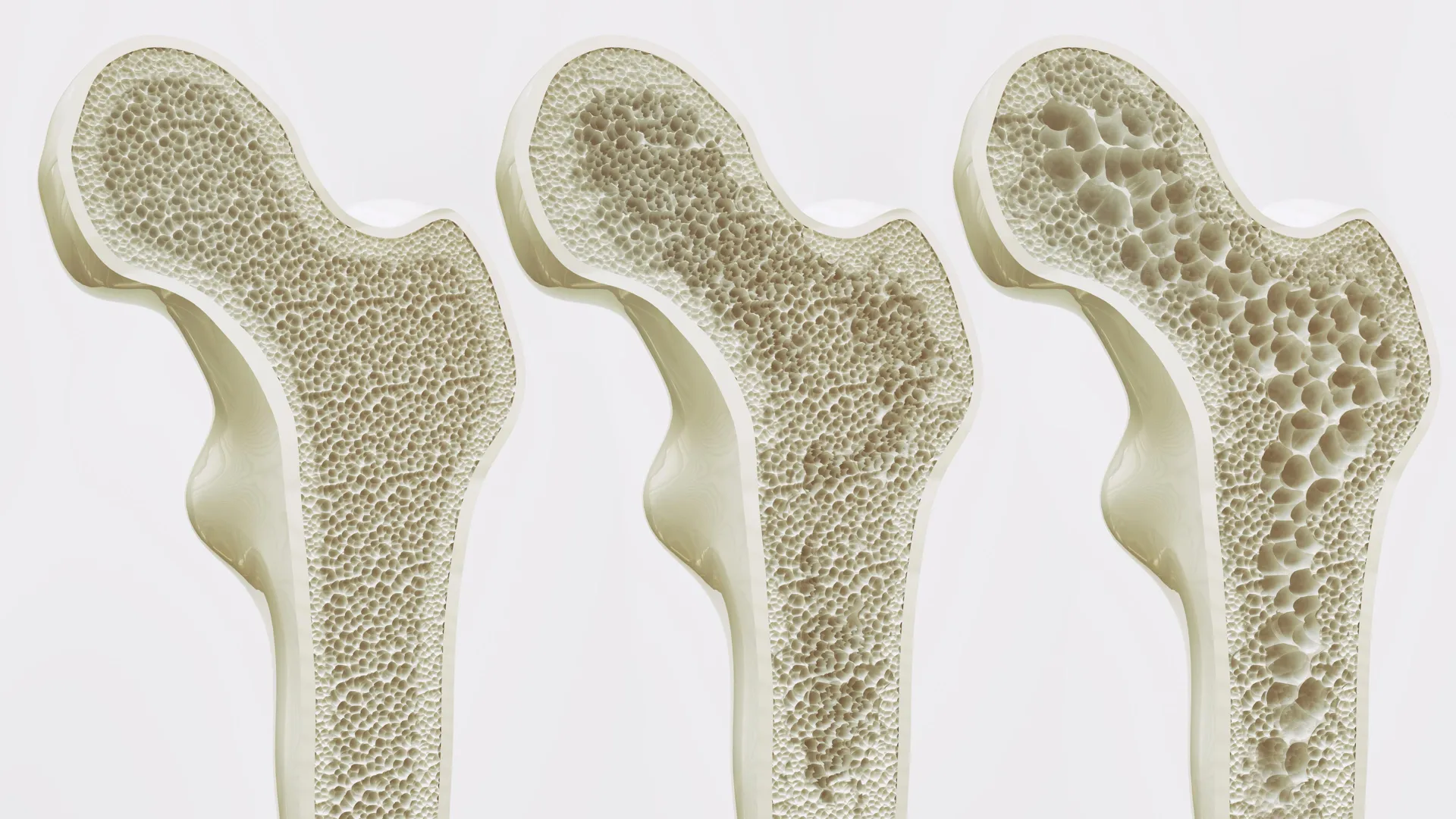
To understand the gravity of these new findings, scientists must look at how tissues behave when they are required to constantly renew themselves throughout a human lifetime. In ordinary somatic tissues—such as those forming internal organs, bones, and connective tissue—cells divide repeatedly. During these divisions, sporadic mutations inevitably occur. Occasionally, a specific mutation grants a cell a distinct survival or growth advantage over its neighbors. When this happens, that single cell begins to multiply faster than the surrounding tissue, forming a cluster of identical cells known as a clone. Over time, these clonal patches expand, eventually coming to outnumber their unmodified neighbors.
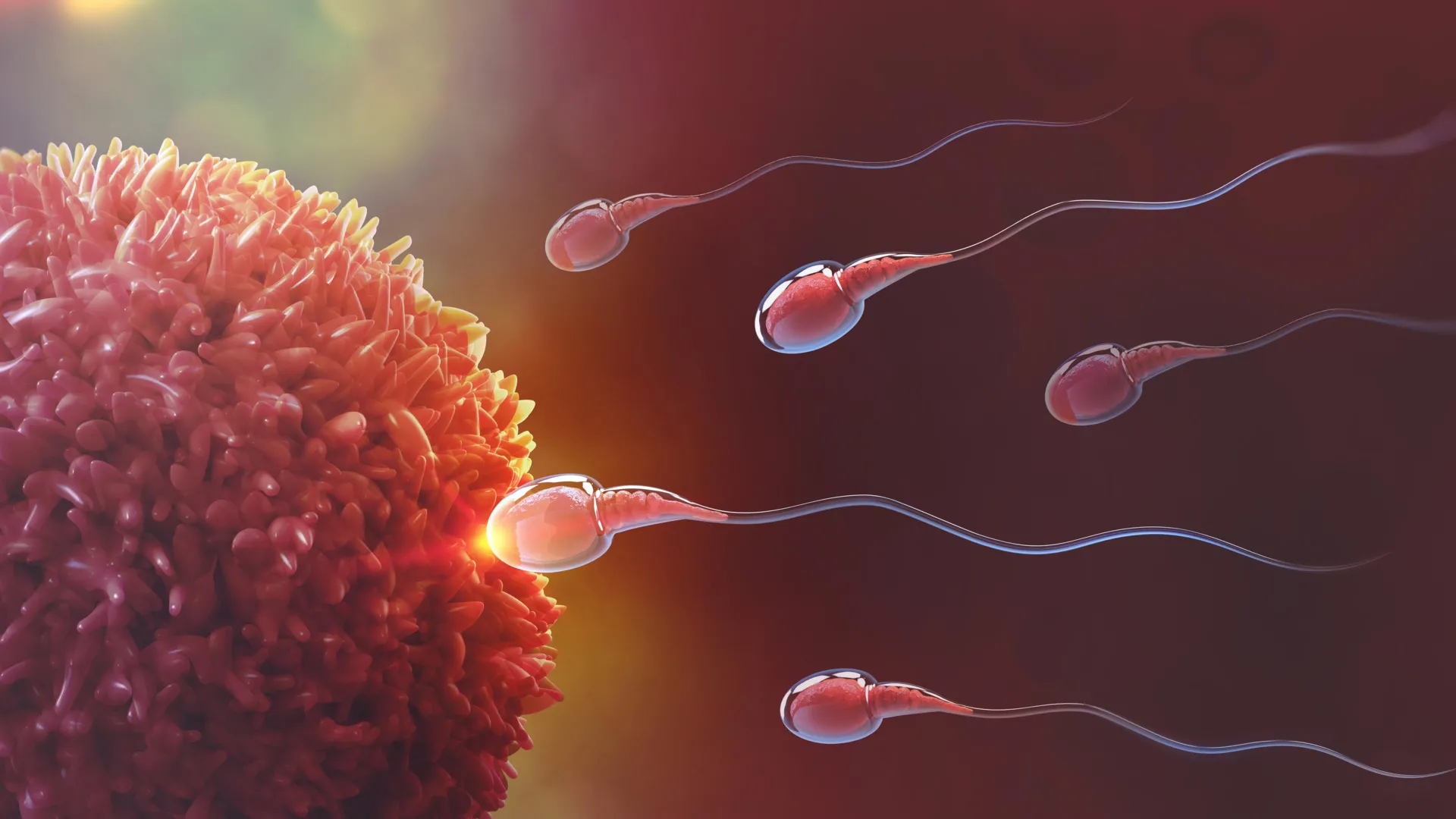
While somatic mutations can cause localized problems like cancer, they are generally not heritable; they die with the individual and are never passed down to children. Conversely, mutations occurring in germ cells—sperm and eggs—can be directly transmitted to the next generation. Until very recently, however, researchers lacked the precision tools required to measure the exact strength of selection operating specifically within the human germline. Because sperm cells are produced in vast quantities through a continuous, lifelong process of mitotic and meiotic division, the testes represent a uniquely dynamic microenvironment where cellular competition is fierce.
Using NanoSeq, an ultra-sensitive DNA sequencing technology capable of detecting extremely rare genetic variants without the background noise of conventional sequencing errors, the research team was able to bypass historical technological limitations. They analyzed high-resolution sperm samples drawn from 81 healthy adult men ranging in age from 24 to 75 years old. These participants were sourced from the TwinsUK cohort, the United Kingdom’s largest adult twin registry, providing a meticulously documented, demographically diverse population for comprehensive comparative analysis.
Quantifying the Risk: What the Data Reveals
The quantitative results yielded by the NanoSeq analysis paint a striking picture of how paternal age directly correlates with molecular risk. According to the data, approximately 2 percent of sperm taken from men in their early thirties carried detectable disease-causing mutations. As the age brackets advanced, this proportion climbed significantly. Among men aged 43 to 74, the prevalence of harmful mutations in sperm expanded to between 3 and 5 percent. Specifically, within the cohort of 70-year-old participants, roughly 4.5 percent of all examined sperm contained mutations directly linked to severe pathological outcomes.
Crucially, the researchers emphasize that this sharp increase cannot be attributed solely to the passive accumulation of random DNA copy errors over time. If random mutation were the sole driver, the distribution of genetic changes would look entirely different. Instead, the data revealed the unmistakable signature of a subtle, highly localized form of natural selection occurring within the testicular environment. This micro-evolutionary process provides certain specific mutations with a distinct reproductive advantage, allowing the cells carrying them to out-compete normal cells and become disproportionately common during the continuous process of spermatogenesis.
Upon closer inspection, the research team pinpointed 40 specific genes that appear to benefit directly from this testicular advantage. Alarmingly, many of these genes are intimately tied to serious pediatric conditions, including severe neurodevelopmental disorders, autism-associated traits, and inherited cancer predispositions. While 13 of these genes had been previously flagged in historical literature as hotspots for paternal age-effect mutations, the new study demonstrates that the phenomenon is vastly broader than previously understood, affecting a wide array of genes critical to normal cell growth and embryological development.
Reassessing Reproductive Outcomes and Health Implications
Despite the quantifiable rise in mutant sperm among older fathers, scientists urge caution against unnuanced alarmism. The presence of a harmful mutation in a sperm cell does not guarantee that conception will result in a child with a genetic disorder. Biological safety checks exist at multiple stages of reproduction. Some mutations may severely impair the sperm’s motility or ability to fertilize an egg altogether. Other mutations may permit fertilization to occur but subsequently disrupt early embryonic development, resulting in preclinical pregnancy loss or spontaneous miscarriage.
Nevertheless, the implications for reproductive medicine are profound. As demographic trends across industrialized nations continue to show men fathering children at increasingly advanced ages, understanding these biological mechanisms becomes vital. The research team hopes that mapping the exact architecture of sperm mutations and selection will eventually allow clinicians to refine reproductive risk assessments, offering prospective parents more accurate prognostic information regarding genetic health.
The Complementary Harvard Study: A Macro-Level Perspective
To validate and expand upon their findings, the Wellcome Sanger Institute researchers collaborated with a parallel team at Harvard Medical School on a companion study, published concurrently in the same issue of Nature. While the Sanger team looked directly at the genomic makeup of sperm cells taken from living donors, the Harvard-led researchers approached the same biological puzzle from the opposite direction: by analyzing the end result of reproduction.
This second team examined high-coverage genomic data drawn from more than 54,000 parent-child trios alongside an expansive reference cohort of 800,000 healthy individuals. By scanning the DNA of children for de novo mutations—genetic alterations that appear for the first time in the offspring and are absent in both parents—the researchers identified more than 30 distinct genes where mutations confer a competitive edge to sperm cells.
Remarkably, this list of genes heavily overlapped with those identified directly in the sperm samples by the UK researchers. The analysis revealed a staggering statistic: selection processes within the male germline can elevate specific mutation rates by roughly 500-fold. This massive amplification helps solve a long-standing medical mystery: why certain rare genetic disorders frequently appear in children whose parents completely lack those specific mutations in their standard blood or tissue DNA. Furthermore, the Harvard team noted that because these mutations are so prevalent in sperm, they can occasionally create statistical artifacts in large-scale genetic association studies, making some genes look like they cause disease due to elevated mutation rates rather than an actual pathological link.
Expert Perspectives and Official Reactions
The release of these dual studies has sent ripples through the international scientific community, prompting reflections from leading geneticists and institutional leaders who view the work as a paradigm shift in how evolutionary biology intersects with human medicine.
Dr. Matthew Neville, first author of the study from the Wellcome Sanger Institute, articulated the surprise shared by the research team regarding the sheer scale of the phenomenon. "We expected to find some evidence of selection shaping mutations in sperm," Dr. Neville noted. "What surprised us was just how much it drives up the number of sperm carrying mutations linked to serious diseases."
Professor Matt Hurles, Director of the Wellcome Sanger Institute and co-author of the research, emphasized the hidden nature of the risk involved. "Our findings reveal a hidden genetic risk that increases with paternal age," Professor Hurles stated. "Some changes in DNA not only survive but thrive within the testes, meaning that fathers who conceive later in life may unknowingly have a higher risk of passing on a harmful mutation to their children."
From the perspective of population health and epidemiology, Professor Kerrin Small, co-author and Scientific Director of the TwinsUK study at King’s College London, underscored the indispensable value of long-term cohort studies. "We are incredibly grateful to the twins who took part in this study," Professor Small said. "By working with the TwinsUK cohort, we could include valuable longitudinal samples linked to rich health and genetic information, allowing us to explore how mutations accumulate and evolve with age in healthy individuals. This collaboration highlights the power of large, population-based cohorts for advancing our understanding of human development and inheritance."
Adding further theoretical depth to the conversation, Dr. Raheleh Rahbari, senior author and Group Leader at the Wellcome Sanger Institute, challenged long-held dogmas surrounding the biological protection of reproductive cells. "There’s a common assumption that because the germline has a low mutation rate, it is well protected," Dr. Rahbari explained. "But in reality, the male germline is a dynamic environment where natural selection can favour harmful mutations, sometimes with consequences for the next generation."
Broader Context and Future Horizons
The publication of these findings marks the end of an era of assumptions regarding the absolute stability of the male germline and opens the door to a new era of proactive reproductive genomics. Funding for this pivotal research was provided primarily by Wellcome, alongside contributions from the various institutional partners involved in the TwinsUK registry and international genetic consortia.
As researchers look toward the future, the primary objective will be translating these molecular discoveries into actionable clinical tools. By untangling the complex interplay between environmental exposures, lifestyle choices, chronological aging, and micro-evolutionary selection inside the testes, medical science moves one step closer to safeguarding the genetic health of future generations. For now, these studies serve as a stark reminder that evolution is not merely a historical process confined to the pages of textbooks, but an active, ongoing force operating within the human body every single day.