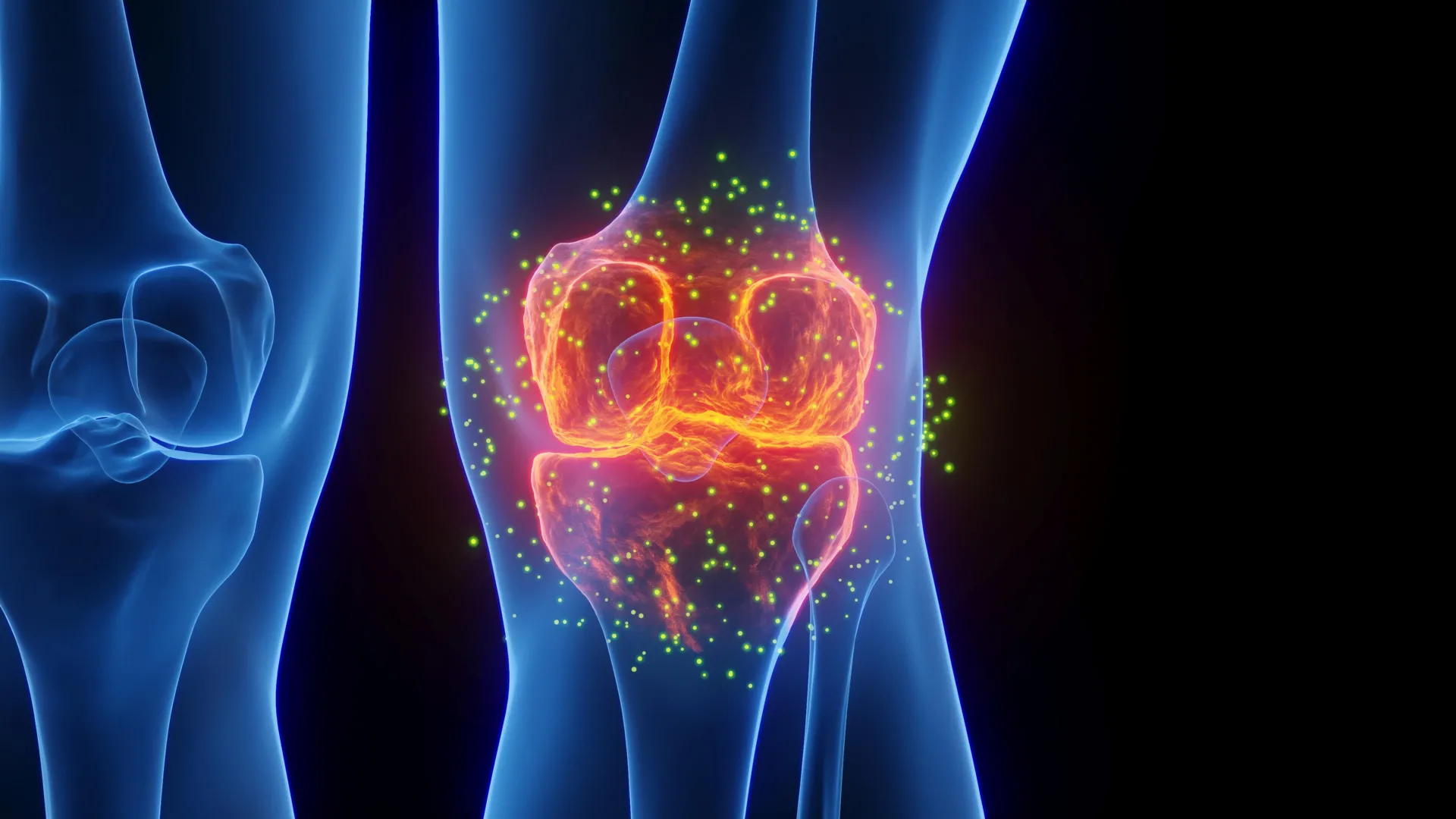
A groundbreaking scientific discovery led by researchers at Stanford Medicine has demonstrated that targeting a specific protein linked to the biological aging process can successfully restore lost knee cartilage in older mice and prevent the onset of debilitating osteoarthritis following severe joint trauma. Published in the peer-reviewed journal Science, the study opens an entirely new therapeutic frontier in regenerative medicine. By effectively blocking a protein known as 15-PGDH—classified by researchers as a "gerozyme"—the treatment not only reversed age-related cartilage degradation in murine models but also stimulated human tissue samples harvested during joint replacement surgeries to actively produce new, functional cartilage.
These findings introduce the realistic possibility that degenerative joint diseases could soon be managed or even reversed through non-invasive pharmacological interventions, such as local injections or oral medications. If successfully translated into human clinical applications, this novel therapeutic approach could drastically reduce the global reliance on major orthopedic procedures like total knee and hip replacements. Already, an oral formulation of this experimental treatment is undergoing clinical evaluation for unrelated age-related muscle weakness, providing a foundational safety profile that could accelerate future trials focused on joint preservation.
The Socioeconomic and Clinical Burden of Osteoarthritis
Osteoarthritis stands as the most prevalent form of arthritis globally, impacting approximately one in five adults in the United States alone. Characterized by the gradual, progressive breakdown of articular cartilage within load-bearing joints, the condition triggers chronic pain, joint stiffness, progressive swelling, and severe mobility limitations. Financially, the disease places an immense strain on public health infrastructure, generating an estimated $65 billion in direct healthcare costs annually in the U.S. alone.
Current clinical management strategies for osteoarthritis remain fundamentally palliative. Standard therapeutic interventions focus almost exclusively on physical therapy, weight management, and pain mitigation through nonsteroidal anti-inflammatory drugs (NSAIDs) or corticosteroid injections. In advanced stages of the disease, patients have little recourse other than invasive surgical joint replacement. To date, no regulatory-approved pharmacological agent exists that can successfully slow, halt, or reverse the underlying pathological mechanisms driving cartilage destruction. The Stanford-led research directly challenges this therapeutic status quo by addressing the root molecular causes of joint degeneration.
Unlocking Gerozymes: The Mechanism of 15-PGDH
The core of the therapeutic breakthrough lies in the inhibition of 15-hydroxyprostaglandin dehydrogenase (15-PGDH), a protein identified by the same Stanford research consortium in 2023 as part of a novel class of proteins termed "gerozymes." Unlike ordinary enzymes, gerozymes exhibit upregulated expression patterns as biological organisms age, directly contributing to the systemic functional decline of various tissues.
Prior investigations by the research team established that 15-PGDH serves as a primary driver of age-related skeletal muscle atrophy in mice. When researchers administered pharmacological inhibitors to block the protein, older test subjects experienced notable gains in muscle mass, strength, and endurance. Conversely, artificially upregulating the protein in young, healthy mice accelerated muscle deterioration, precipitating weakness and tissue shrinkage. Furthermore, scientists have discovered correlations between 15-PGDH expression and the regenerative capacities of bone, nerve, and vascular tissues, positioning the protein as a master regulator of biological aging across multiple organ systems.
Chronology and Evolution of the Research
The path to discovering cartilage rejuvenation began years prior with fundamental investigations into muscle stem cell biology. A research team directed by Helen Blau, PhD, professor of microbiology and immunology, discovered that prostaglandin E2 is a critical signaling molecule required for maintaining optimal muscle stem cell function. However, 15-PGDH functions biologically by breaking down and neutralizing prostaglandin E2.
Building upon this biochemical pathway, the research team—co-led by Nidhi Bhutani, PhD, associate professor of orthopedic surgery, along with lead authors Mamta Singla, PhD, and former postdoctoral scholar Yu Xin (Will) Wang, PhD—hypothesized that the same inhibitory mechanism might govern tissue aging in articular joints.
When the investigators analyzed joint tissues from murine subjects, they observed that concentrations of 15-PGDH approximately doubled as the animals aged. To test whether counteracting this increase could reverse tissue damage, the researchers administered a small-molecule drug designed to inhibit 15-PGDH to a cohort of aged mice. The treatment was delivered either via systemic intraperitoneal injections or through direct intra-articular injections into the knee joint. Both methods yielded remarkable physiological changes, prompting previously thinned and damaged cartilage to regenerate across the entire articular surface. Subsequent histological analysis confirmed that the newly generated tissue was hyaline cartilage—the specialized, smooth tissue required for healthy joint mechanics—rather than inferior fibrocartilage.
Preventing Post-Traumatic Osteoarthritis
Beyond reversing natural, age-related degeneration, the research team investigated whether the gerozyme inhibitor could prevent joint pathology following acute physical trauma. Using a specialized murine model designed to replicate anterior cruciate ligament (ACL) tears—a common sports-related injury frequently sustained during high-impact activities such as soccer, basketball, and skiing—the scientists tested the preventive capabilities of the drug.
Epidemiological data demonstrates that despite successful surgical reconstruction of a torn ACL, approximately 50% of patients develop secondary osteoarthritis in the affected joint within a 15-year window. In the preclinical trial, mice that received prophylactic treatments with the 15-PGDH inhibitor twice weekly for four weeks post-injury exhibited a drastically reduced incidence of osteoarthritis. Untreated control animals, by contrast, displayed a doubling of 15-PGDH levels and developed hallmark signs of osteoarthritis within four weeks. Furthermore, treated subjects demonstrated improved functional recovery, exhibiting more normal gait patterns and increased weight-bearing tolerance on the injured limb.
Cellular Reprogramming Without Stem Cells
The regenerative mechanics observed in this study challenge conventional paradigms of tissue repair. In many human biological systems, regeneration is driven by the proliferation and differentiation of resident stem or progenitor cells. Cartilage, however, operates through a distinct cellular mechanism.
Articular cartilage lacks a readily accessible, dedicated pool of resident stem cells, and the tissue possesses a notoriously poor intrinsic capacity for self-repair. Instead of recruiting stem cells, the 15-PGDH inhibitor induced existing, mature cartilage cells known as chondrocytes to alter their gene expression profiles, effectively shifting them back into a youthful, highly functional state.
Single-cell RNA sequencing analyses revealed profound shifts in chondrocyte populations following treatment. In older, untreated joints, chondrocytes frequently activated pathological genes associated with inflammation and the undesirable transdifferentiation of cartilage into bone. Following therapy, these degenerative cell populations diminished significantly. Specifically, cells expressing markers of cartilage breakdown dropped from 8% to 3%, while cells linked to inferior fibrocartilage production fell from 16% to 8%. Concurrently, the population of specialized chondrocytes responsible for synthesizing hyaline cartilage and maintaining the extracellular matrix expanded from 22% to 42%.
Human Tissue Validation and Future Clinical Outlook
To validate whether these preclinical breakthroughs could translate to human medicine, the Stanford team obtained human cartilage samples discarded during total knee replacement surgeries performed on patients with severe osteoarthritis.
When exposed ex vivo to the 15-PGDH inhibitor for a single week, the human tissue samples demonstrated a measurable reduction in inflammatory and catabolic gene activity. Furthermore, the human chondrocytes began actively synthesizing new articular cartilage, signaling that the regenerative pathways identified in mice are conserved in human physiology.
Official responses from the study’s principal investigators highlight the profound clinical implications of the work. "Millions of people suffer from joint pain and swelling as they age," stated Dr. Nidhi Bhutani. "It is a huge unmet medical need. Until now, there has been no drug that directly treats the cause of cartilage loss. But this gerozyme inhibitor causes a dramatic regeneration of cartilage beyond that reported in response to any other drug or intervention."
Dr. Helen Blau emphasized the unique nature of the discovery, noting that the observed cellular plasticity fundamentally shifts modern perspectives on regenerative medicine. "Phase 1 clinical trials of a 15-PGDH inhibitor for muscle weakness have shown that it is safe and active in healthy volunteers," Blau noted. "Our hope is that a similar trial will be launched soon to test its effect in cartilage regeneration. We are very excited about this potential breakthrough. Imagine regrowing existing cartilage and avoiding joint replacement."
Broader Economic and Healthcare Implications
The successful clinical translation of a 15-PGDH inhibitor could fundamentally transform orthopedic care standards. Beyond sparing patients from the physical trauma, prolonged rehabilitation risks, and financial costs associated with total joint arthroplasty, a disease-modifying pharmacological treatment would alleviate substantial burdens on healthcare systems worldwide. With aging populations driving an unprecedented surge in degenerative joint conditions, targeted gerozyme inhibition offers a promising avenue to preserve mobility, enhance patient quality of life, and redefine the standard of care for millions suffering from chronic joint disease.
The study received financial support from the National Institutes of Health, the Baxter Foundation for Stem Cell Biology, the Li Ka Shing Foundation, the Stanford Cardiovascular Institute, the Milky Way Research Foundation, the Canadian Institutes of Health Research, and various institutional and philanthropic fellowships. Several study authors are listed as inventors on patent applications filed by Stanford University concerning 15-PGDH inhibition for tissue rejuvenation, which have been licensed to Epirium Bio.