


In a breakthrough study published in the Journal of Clinical Investigation, researchers from the University of Michigan and the University of California San Diego have unmasked the sophisticated biological "smuggling" operation that allows breast cancer cells to survive undetected in the human body for decades. The research identifies a specific mechanism by which estrogen receptor-positive (ER+) breast cancer cells—the most common form of the disease—hijack the resources of healthy bone marrow cells to develop drug resistance and aggressive metastatic potential. By detailing the role of Connexin 43 (CX43) and the protein GIV (Girdin) in this process, the study provides a new roadmap for preventing the late-stage relapses that currently claim the lives of thousands of patients annually.
The Bone Marrow as a Sanctuary for Dormant Cancer
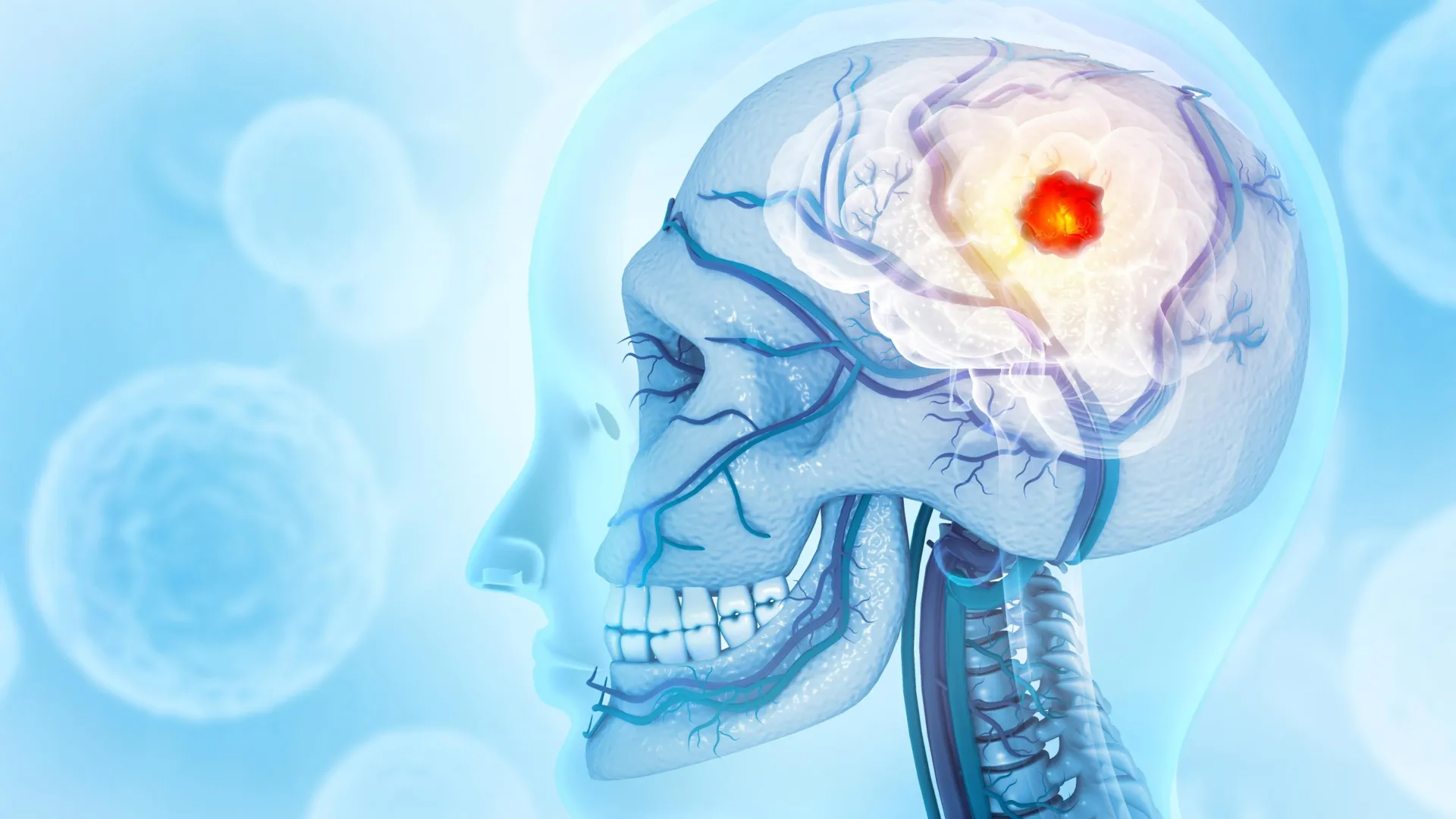
Estrogen receptor-positive breast cancer accounts for approximately 70% to 80% of all breast cancer diagnoses. While early-stage treatment is often successful, this specific subtype is notorious for its ability to go into a state of dormancy. For many patients, the disease appears to be in total remission following surgery, radiation, or chemotherapy. However, beneath the surface, disseminated tumor cells (DTCs) often migrate to the bone marrow, where they enter a "sleeper" state.
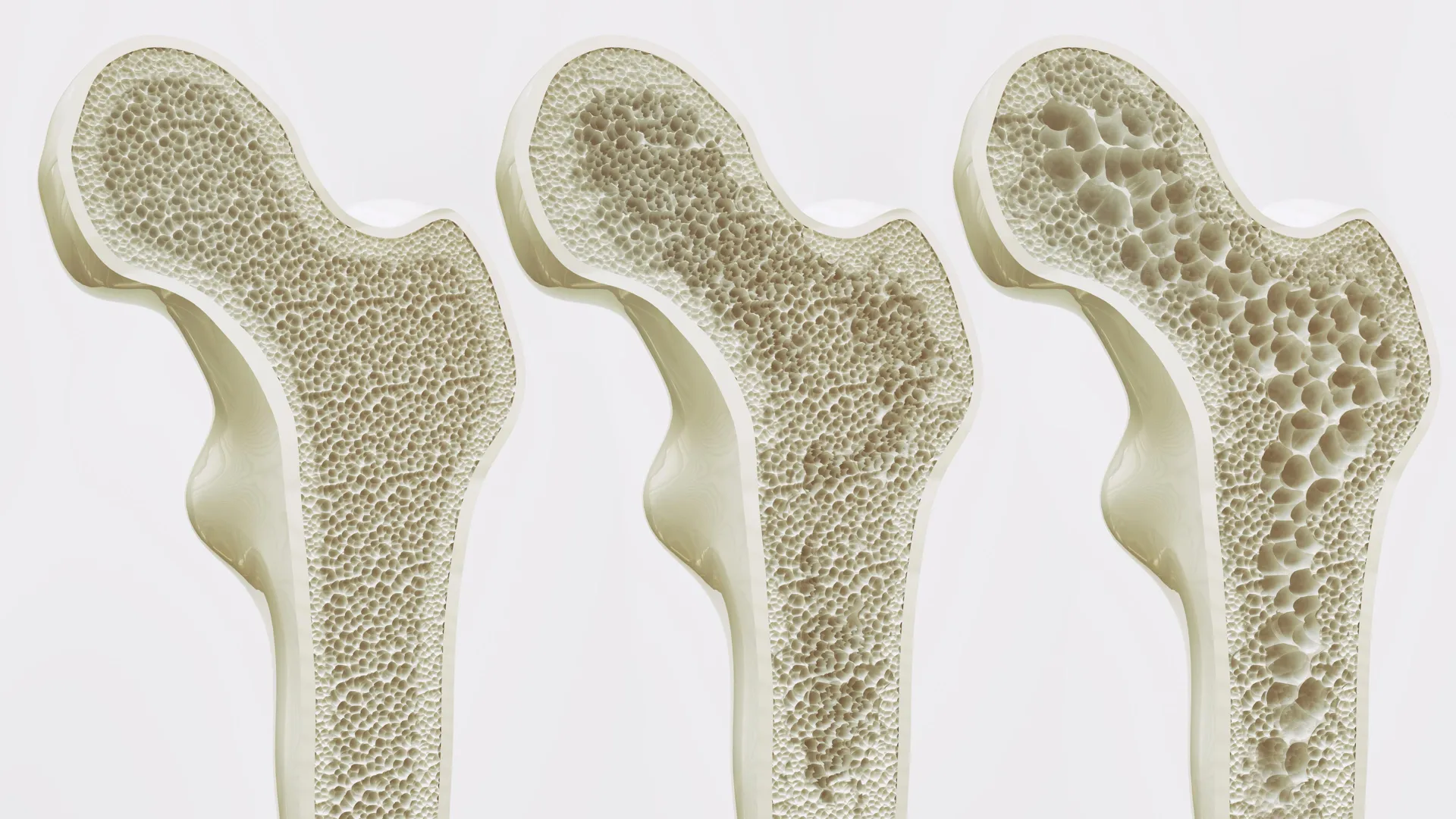
The persistence of these cells in the marrow is a significant clinical challenge. Data suggests that approximately 40% of patients with ER+ breast cancer will eventually experience a recurrence. This return can occur five, ten, or even twenty years after the initial diagnosis. When the cancer "reawakens" in the bone marrow, it often manifests as an aggressive form of bone cancer characterized by debilitating symptoms, including pathological bone fractures, severe pain, and hypercalcemia—a condition where calcium levels in the blood become dangerously high due to bone degradation. Furthermore, once these cells re-emerge from the marrow, they frequently spread to other vital organs, leading to metastatic disease that is currently considered incurable.
The Mechanism of Cellular Smuggling: CX43 and Mesenchymal Stem Cells
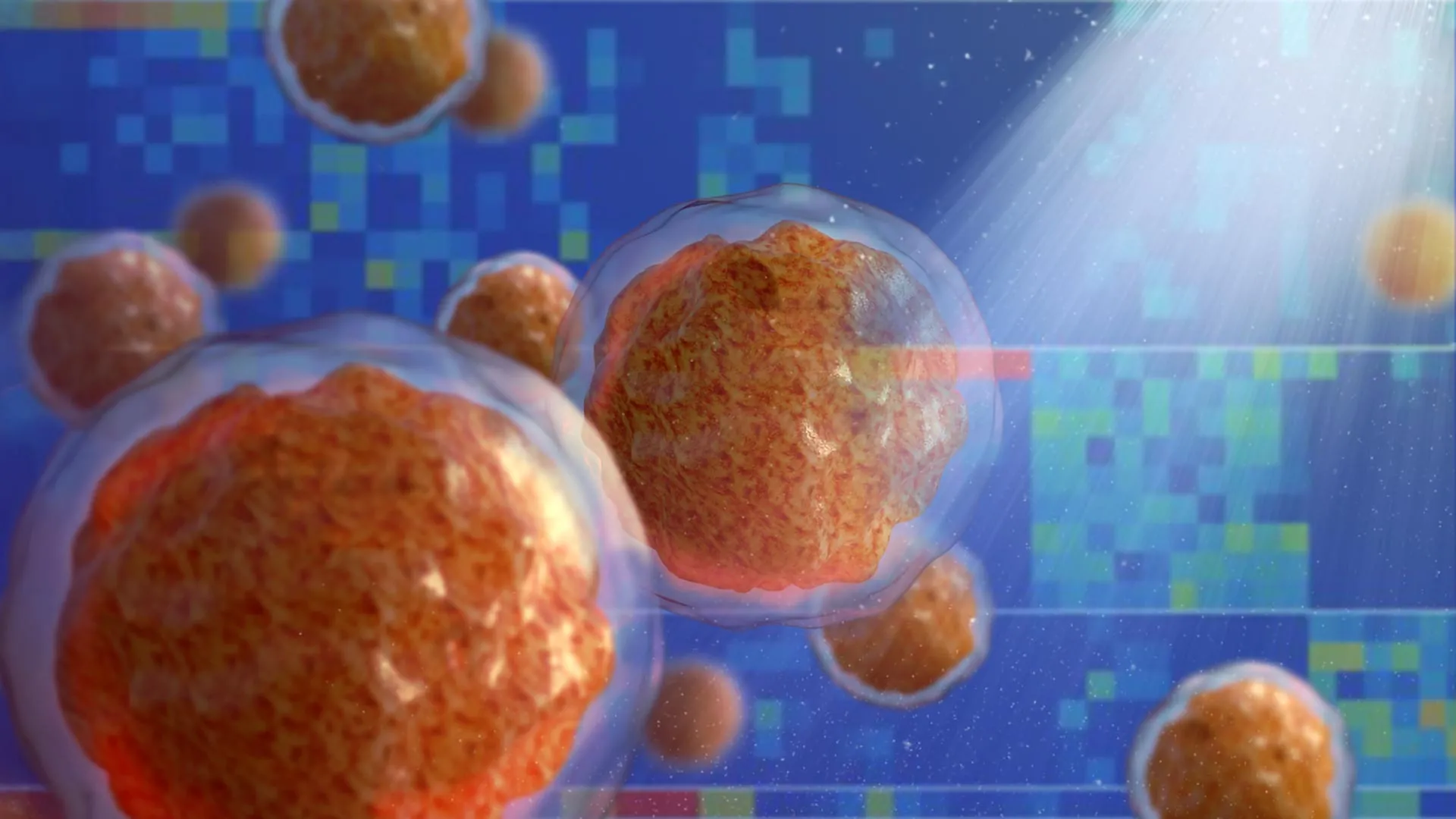
To understand why these "sleeper cells" are so resilient, the research team, led by Gary Luker, M.D., at the University of Michigan, and Pradipta Ghosh, M.D., at UC San Diego, investigated the interaction between breast cancer cells and the bone marrow microenvironment. Their focus centered on mesenchymal stem cells (MSCs), a type of multipotent stromal cell found in the bone marrow that normally aids in tissue repair and immune regulation.
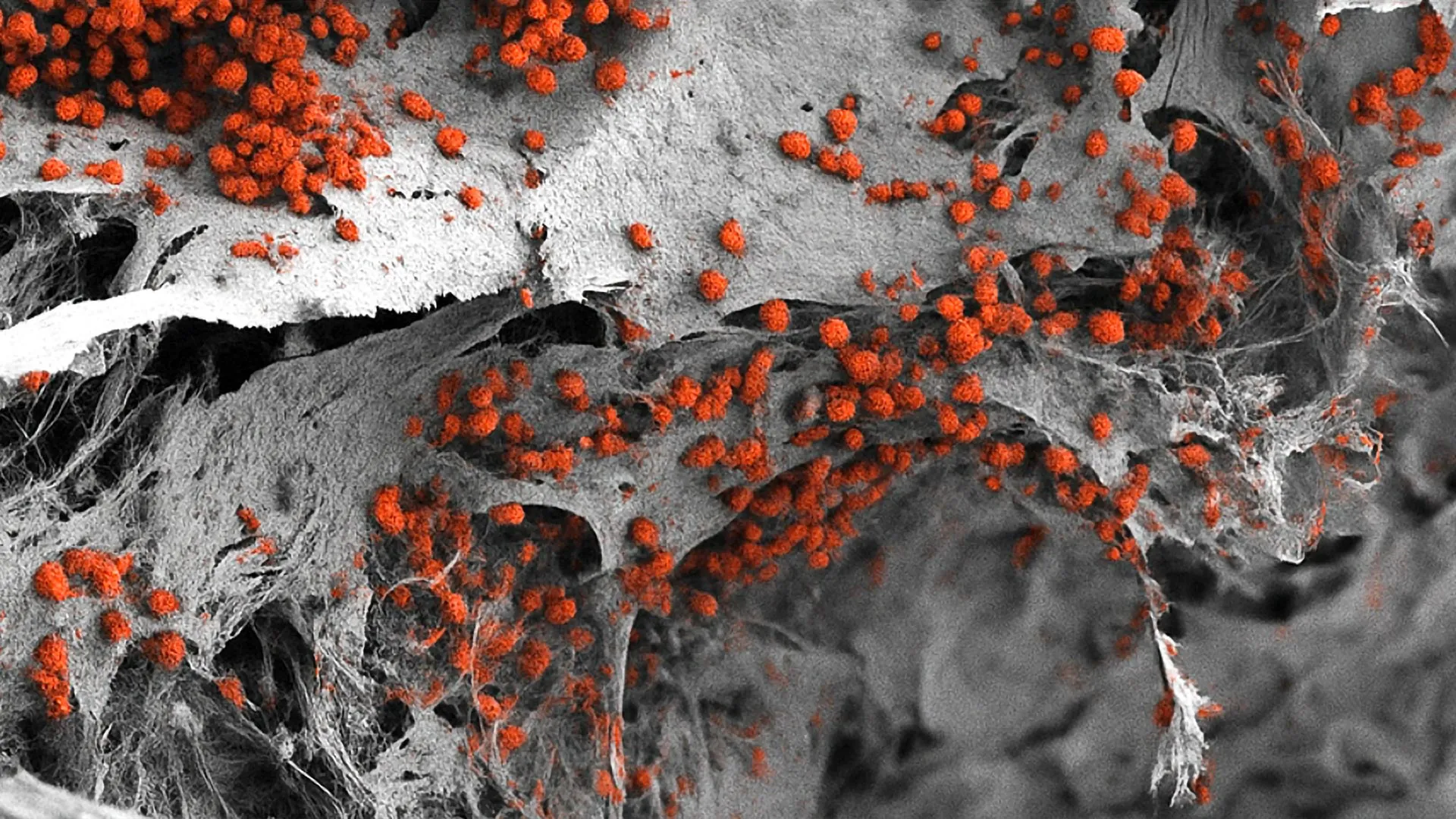
The study discovered that the cancer cells do not merely exist alongside these stem cells; they actively form physical connections with them. Using advanced imaging and molecular analysis, the researchers identified "tumor-stroma tunnels" facilitated by the protein Connexin 43 (CX43). These tunnels serve as direct conduits between the healthy MSCs and the malignant cancer cells.
"We discovered that the breast cancer cells require direct contact with mesenchymal stem cells," explained Dr. Gary Luker, head of the Luker Lab within the Center for Molecular Imaging at the University of Michigan. "The cancer cells physically borrow molecules—proteins, messenger RNA—directly from the mesenchymal stem cells. Essentially, the mesenchymal stem cells act as very generous neighbors in donating things that make the cancer cells more aggressive and drug resistant."
This process of "borrowing" or "smuggling" essential cellular components allows the cancer cells to undergo a phenotypic shift. By absorbing mRNA and proteins from the stem cells, the breast cancer cells essentially "reprogram" themselves, gaining the survival tools necessary to withstand the harsh conditions of the bone marrow and the onslaught of targeted therapies.
The Role of GIV in Therapeutic Resistance
A central component of this cellular theft is the protein GIV, also known as Girdin (G-alpha interacting, vesicle-associated protein). GIV is a versatile signaling protein known to drive invasiveness and chemoresistance in various forms of cancer. In the context of bone marrow dissemination, the researchers found that the transfer of GIV and related signaling molecules from stem cells to cancer cells specifically neutralized the effectiveness of standard treatments.
Estrogen-targeted therapies, such as Tamoxifen, are the cornerstone of treatment for ER+ breast cancer. These drugs work by blocking the estrogen receptors that the cancer cells rely on for growth. However, the study demonstrated that once breast cancer cells acquire GIV through the CX43-mediated tunnels, they become specifically resistant to these therapies.
The acquisition of GIV essentially provides the cancer cells with a "bypass" mechanism. Even when estrogen receptors are blocked by medication, the GIV-driven signaling pathways allow the cells to survive, remain dormant, and eventually proliferate. This explains why a patient might remain on hormonal therapy for years, only to have the cancer return with a vengeance once the cells have sufficiently "fortified" themselves through their interactions with the bone marrow stroma.
Chronology of Recurrence and Clinical Implications
The timeline of ER+ breast cancer recurrence is one of the most frustrating aspects of the disease for both patients and oncologists. Unlike more aggressive subtypes like triple-negative breast cancer, which tend to recur within the first three to five years, ER+ cancer is a "long-game" threat.
- Initial Diagnosis and Treatment: The patient undergoes successful primary treatment, reaching a state of clinical remission.
- Dissemination: During the early stages, small numbers of cancer cells escape the primary tumor and travel through the bloodstream to the bone marrow.
- Dormancy and Sequestration: The cells enter the bone marrow, forming connections with mesenchymal stem cells via CX43 tunnels.
- Acquisition of Aggressive Phenotypes: Over months or years, the cells "smuggle" GIV and other proteins, slowly building resistance to systemic therapies like Tamoxifen.
- Reawakening: Triggered by internal or external signals (which are still being studied), the fortified cells begin to divide rapidly.
- Metastatic Outbreak: The cancer causes local bone destruction and spreads to secondary sites like the liver, lungs, or brain.
Dr. Pradipta Ghosh of the UC San Diego School of Medicine emphasized the danger of these "sleeper cells." "Sleeper cells can be reawakened and cause estrogen receptor-positive breast cancers to relapse years—in some cases as long as a decade—after patients were believed to be in remission," Ghosh stated. "Since these cancer cells ‘borrow’ essential proteins from stem cells in the bone marrow through cellular tunnels, approaches for targeting the tunnels or proteins they smuggle could help prevent the relapse and metastasis."
Supporting Data and Laboratory Findings
In the laboratory setting, the researchers conducted experiments that induced contact between breast cancer cells and mesenchymal stem cells. The results were stark: the interaction triggered changes in hundreds of proteins within the cancer cells. This massive proteomic shift was not observed when the cells were grown in isolation, proving that the bone marrow environment is a primary driver of the cancer’s evolution.
Quantitative analysis showed that the presence of CX43 was essential for the transfer of molecular cargo. When CX43 was inhibited or knocked down in experimental models, the "smuggling" operation was significantly disrupted, and the cancer cells remained more susceptible to estrogen-targeted drugs. This data provides a strong proof-of-concept for future pharmacological interventions.
Furthermore, the study highlighted that GIV drives "invasiveness, chemoresistance, and acquisition of metastatic potential." In samples where GIV levels were elevated following stromal interaction, the cancer cells exhibited a much higher capacity to migrate and invade surrounding tissues, mimicking the behavior of the most aggressive and difficult-to-treat cancers.
Broader Impact and the Future of Oncology
The implications of this study extend beyond breast cancer. The "tunneling" mechanism and the role of the bone marrow as a sanctuary are likely relevant to other malignancies that frequently metastasize to bone, such as prostate and lung cancers. By identifying CX43 and GIV as the primary facilitators of this survival strategy, the research opens the door to a new class of "dormancy-disrupting" therapies.
If clinicians can develop drugs that block the formation of CX43 tunnels or inhibit the GIV protein, they may be able to keep "sleeper cells" in a permanently vulnerable state or eliminate them entirely while they are still dormant. This would mark a paradigm shift in cancer care: moving from treating a recurrence once it happens to preventing the biological possibility of a recurrence during the years of remission.
The collaborative effort between the University of Michigan and UC San Diego underscores the importance of interdisciplinary research in tackling complex biological problems. By combining expertise in molecular imaging, cellular medicine, and oncology, the team has provided a clearer picture of the "invisible" phase of cancer.
While the researchers acknowledge that clinical applications are still in the future, the clarity provided by this study offers a new sense of hope. For the millions of breast cancer survivors currently in remission, the goal is no longer just to wait and watch for a return of the disease, but to eventually provide a definitive "second strike" that clears the body’s hidden reservoirs of cancer for good. As the medical community moves toward more personalized and targeted interventions, the "smuggling tunnels" of the bone marrow represent one of the most promising new targets in the fight against metastatic disease.











Leave a Reply