Every second of every day, the human bone marrow serves as a tireless biological factory, generating millions of fresh blood and immune cells to sustain life. This continuous renewal process relies upon a delicate, highly regulated partnership among hematopoietic stem cells (HSCs), supportive stromal cells, and an intricate network of local and systemic immune signals. However, as the human body ages, this finely tuned equilibrium inevitably begins to falter. Decades of cumulative stress, persistent low-grade inflammation, and random somatic mutations gradually disrupt the vital communication channels operating within the bone marrow niche.
When these disruptions occur, normal stem-cell renewal can become compromised, inadvertently creating a biological vacuum that allows mutated HSC clones to expand largely unnoticed. This pathological trajectory ultimately culminates in clonal hematopoiesis of indeterminate potential (CHIP), a condition characterized by the silent clonal expansion of mutated blood cells. Epidemiological data indicates that CHIP is surprisingly common in older populations, appearing in approximately 10 to 20 percent of adults over the age of 60 and climbing to nearly 30 percent among individuals over 80. Although people living with CHIP typically remain entirely asymptomatic, the condition acts as a ticking biological clock, increasing the relative risk of developing overt blood cancers by tenfold while simultaneously doubling the likelihood of cardiovascular disease and premature mortality.
A related and more advanced disorder, myelodysplastic syndrome (MDS), arises from similar clonal HSC dynamics, causing profoundly inefficient blood-cell production and a gradual, dangerous failure of overall bone marrow function. Affecting up to 20 in every 100,000 adults over the age of 70, MDS represents a severe clinical challenge. Without effective intervention, roughly 30 percent of MDS cases progress directly into acute myeloid leukemia (AML), a notoriously aggressive and frequently fatal malignancy characterized by the uncontrolled proliferation of immature white blood cells.
Despite the profound clinical seriousness of CHIP, MDS, and AML, the exact contributions of the bone marrow microenvironment—the specialized physical and cellular neighborhood in which stem cells reside—have remained poorly understood. Historically, hematological research focused almost exclusively on the genetic and molecular aberrations occurring inside the mutated stem cells themselves. But a landmark international collaborative study has upended this traditional paradigm, shifting the scientific lens from the rogue cells to the broader ecosystem that surrounds and sustains them.
Mapping the Hidden Architectural Shifts Within the Niche
To uncover how mutated hematopoietic clones gain dominance over their healthy counterparts, an extensive molecular and spatial mapping initiative was launched. Co-led by Judith Zaugg, an EMBL Group Leader and Professor at the University of Basel, alongside Borhane Guezguez, Principal Investigator in the Department of Hematology at the University Medical Center (UMC) Mainz, the project drew upon invaluable human bone marrow samples collected through the BoHemE cohort study, executed in close partnership with Uwe Platzbecker at the National Center for Tumor Diseases (NCT) Dresden.
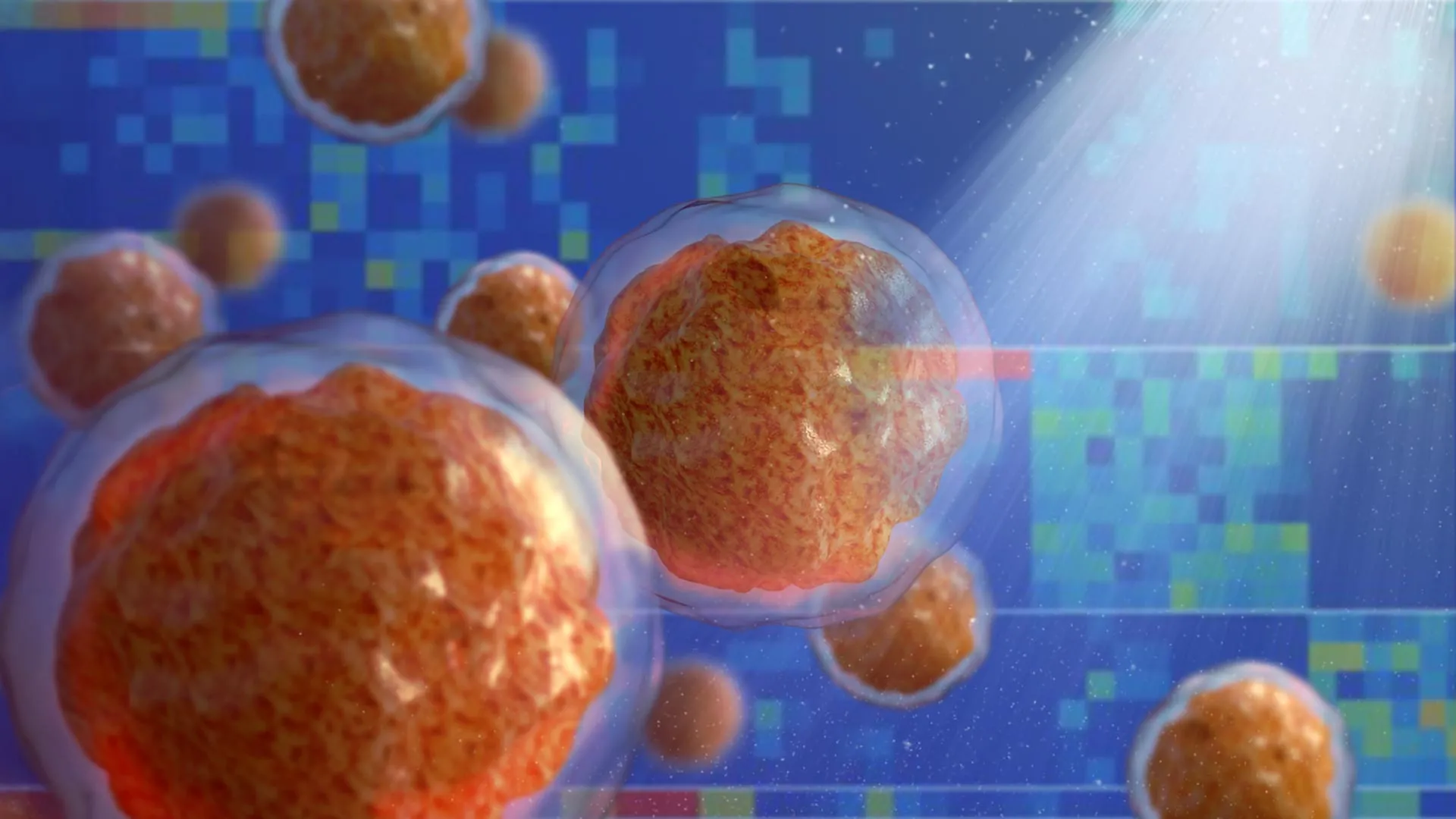
Deploying a cutting-edge arsenal of scientific technologies—including single-cell RNA sequencing, high-resolution biopsy imaging, sophisticated proteomics, and complex co-culture models—the research team constructed an unprecedentedly detailed cartography of the human bone marrow microenvironment. Their investigation encompassed samples from healthy donors, individuals with incidental CHIP, and patients suffering from established MDS.
The resulting data revealed a startling and unexpected cellular shift that takes place deep within the bone marrow long before any clinical symptoms manifest. The researchers discovered that a distinct population of inflammatory stromal cells gradually replaces the normal mesenchymal stromal cells (MSCs) that typically provide structural and biochemical support to healthy stem cells.
Reflecting on the unexpected nature of the discovery, Dr. Zaugg noted that observing such pronounced remodeling of the bone marrow microenvironment in individuals with nothing more than CHIP came as a genuine surprise, even if the precise cause-and-effect relationships governing the shift require further elucidation.
Unlike their healthy counterparts, these newly identified inflammatory mesenchymal stromal cells, designated as iMSCs, churn out massive quantities of interferon-induced cytokines and chemokines. These pro-inflammatory signaling molecules actively recruit and stimulate interferon-responsive T cells, which in turn amplify the local inflammatory response. This dynamic creates a powerful, self-sustaining feed-forward loop that perpetuates chronic inflammation, systematically compromises normal blood formation, and induces significant vascular remodeling within the marrow cavity.
Dissecting the Drivers of Bone Marrow Inflammation
A central question for the research team was whether the mutated hematopoietic cells found in MDS directly triggered this damaging inflammatory cascade. To answer this, the scientists needed a reliable way to distinguish mutated cells from healthy, non-mutated cells within the same single-cell datasets.
To overcome this methodological hurdle, the team utilized SpliceUp, an innovative computational method developed by co-lead author and EMBL alumnus Maksim Kholmatov, in close collaboration with Pedro Moura and Eva Hellström-Lindberg from the Karolinska Institute. SpliceUp successfully identifies cells carrying mutations by detecting abnormal RNA-splicing patterns within single-cell RNA sequencing data.
To the researchers’ surprise, the computational analysis revealed no evidence that the mutated hematopoietic cells in MDS were directly driving the local inflammatory response. Instead, the inflammatory network within the microenvironment had become an autonomous, dominant force, effectively displacing much of the marrow’s normal regenerative architecture.
Dr. Karin Prummel, an EMBL postdoc and co-lead author, highlighted another striking facet of the data: MDS stem cells completely failed to stimulate stromal cells to produce CXCL12, a crucial biochemical signal responsible for anchoring blood cells within the bone marrow niche. This signaling failure likely plays a major role in the structural breakdown and functional collapse of the bone marrow.
Echoing these sentiments, Maksim Kholmatov emphasized that witnessing the absence of a direct inflammatory effect attributable strictly to the mutant cells was entirely unexpected. However, when evaluated within the broader context of alterations occurring simultaneously in the T cell and stromal compartments, the findings underscore the profound, underappreciated role that the bone marrow microenvironment plays in dictating disease progression.
Inflammation as an Early Catalyst for Malignant Evolution
The implications of these discoveries stretch far beyond basic hematology, redefining inflammation as a foundational driver in the earliest phases of blood disease. By pinpointing the bone marrow microenvironment—often referred to as the niche—as a primary engine of pathology, the research opens entirely new avenues for early therapeutic intervention and disease prevention.
Traditional cancer therapies have historically focused on eradicating mutated clones directly, often through aggressive chemotherapy or targeted drugs. However, the new data suggests that directing medical attention toward the supportive ecosystem nurturing those mutated stem cells could yield revolutionary results.
For older adults diagnosed with CHIP, the administration of targeted anti-inflammatory medications or therapies designed to modulate aberrant interferon signaling could potentially preserve bone marrow function and halt disease progression. By coupling standard therapeutic strategies with novel treatments aimed at normalizing the microenvironment, clinicians may eventually slow or completely block the perilous transition from benign CHIP to aggressive MDS or fatal AML. Furthermore, the distinct molecular signatures characterizing iMSCs and interferon-responsive T cells could serve as highly sensitive early biomarkers, identifying aging individuals at elevated risk long before clinical failure occurs.
Dr. Guezguez emphasized the forward-looking clinical potential of the work, noting that as advances in molecular profiling enable scientists to detect pre-leukemic states years before clinical onset, understanding how stromal and immune cells interact provides a solid foundation for preventative interception strategies.
The Broader Phenomenon of Inflammaging
Beyond the confines of hematology, these findings contribute vital empirical weight to the broader scientific understanding of "inflammaging"—the chronic, low-grade systemic inflammation that underpins a vast array of age-related conditions, including solid tumors, cardiovascular diseases, and metabolic disorders. Long viewed merely as an isolated site for blood cell manufacture, the bone marrow is now recognized as both a victim and a key driver of systemic inflammatory aging.
By demonstrating how intercellular cross-talk between immune and stromal components drives pathological aging within the body’s primary blood-forming organ, the study offers a robust conceptual model for exploring inflammatory remodeling across other myeloid malignancies and advanced leukemias.
Nevertheless, the researchers acknowledge that their current conclusions are built upon cross-sectional data, making longitudinal studies vital to map how these inflammatory processes evolve over time. Dr. Zaugg pointed out a critical corollary for current medical practice: therapies that replace malignant cells—such as allogeneic blood stem-cell transplantation—frequently leave the recipient’s underlying bone marrow niche completely intact. Zaugg’s team is now actively investigating the extent to which the niche retains a biological "memory" of disease, a factor that could critically influence how successfully it accommodates and supports newly transplanted, healthy stem cells.
The publication of this study marks a major milestone in modern biomedical research. It appeared alongside a complementary, highly synergistic study examining the MDS bone marrow microenvironment, published simultaneously in Nature Communications and led by Marc Raaijmakers from the Erasmus MC Cancer Institute in Rotterdam. Together, these two comprehensive studies provide the scientific community with a holistic, highly detailed view of the inflammatory remodeling processes that govern the earliest phases of bone marrow failure and malignancy.
The international research effort involved deep collaboration across multiple premier institutions, including UMC Mainz, the University of Basel, University Hospital Dresden, the Karolinska Institute in Sweden, The Jackson Laboratory in the United States, Sorbonne University in France, and German Consortium for Translational Cancer Research (DKTK) partner institutions such as the German Cancer Research Center (DKFZ) and NCT Dresden. Financial support for the groundbreaking research was provided by the DKTK-CHOICE program, an ERC grant (EpiNicheAML) awarded to Judith Zaugg, the Marie Skłodowska-Curie Actions (MSCA) funded ITN ENHPATHY, EMBO, the Swiss National Science Foundation, and the José Carreras Leukämie-Stiftung, ensuring that the exploration of the bone marrow niche will continue to yield life-saving insights for years to come.