Acute myelogenous leukemia (AML) remains one of the most formidable and aggressive malignancies in modern oncology. Characterized by rapid progression and a grim prognosis—where the median survival time following diagnosis languishes at a mere 8.5 months—AML has long frustrated researchers and clinicians alike. Despite decades of advancements in targeted therapeutics and bone marrow transplantation, the clinical landscape for the vast majority of AML patients has seen frustratingly incremental improvements. However, a groundbreaking preclinical study published in the current issue of Nature by an international team of researchers spearheaded by Ludwig Cancer Research offers a transformative new avenue for treatment. By identifying a novel synergistic drug combination that forces malignant cells to mature and halt their rampant division, scientists have unlocked a potential paradigm shift in how this devastating blood cancer may soon be managed.
The Biological Mechanism of AML: A Blockade in Cellular Development
To understand the magnitude of the recent discovery, one must examine the fundamental pathology of acute myelogenous leukemia. Although AML is recognized as a genetically heterogeneous disease—meaning it manifests through a diverse array of genetic mutations across different patients—all of its various subtypes share a critical, defining abnormality: the impaired differentiation of myeloid progenitor cells residing within the bone marrow.
In a healthy individual, the bone marrow continuously generates hematopoietic stem cells that meticulously differentiate into various types of mature blood cells, including red blood cells, platelets, and white blood cells such as myeloid lineage cells. This finely tuned biological assembly line ensures constant replenishment and immune competence. In patients afflicted with AML, this developmental trajectory is abruptly arrested.
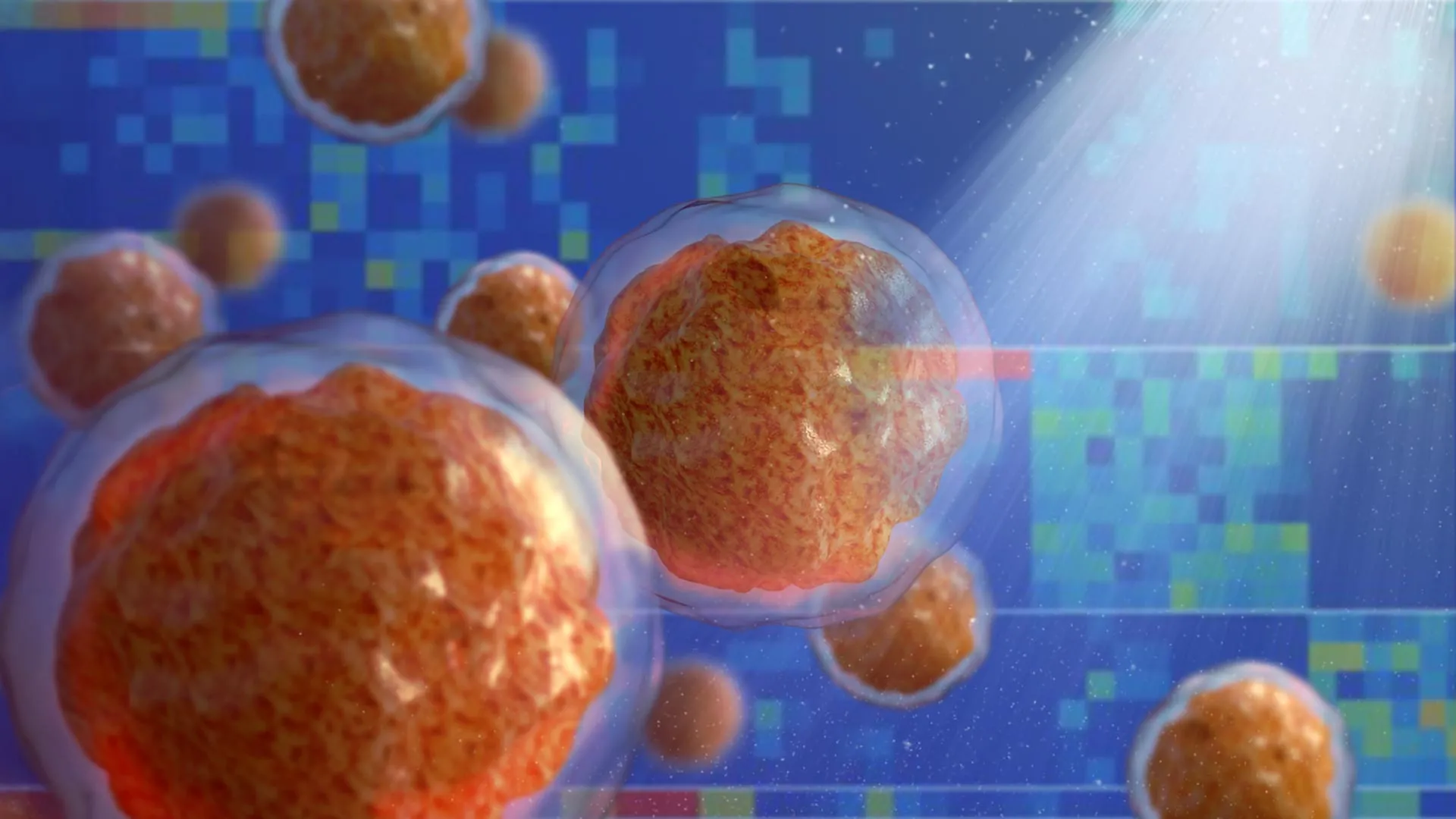
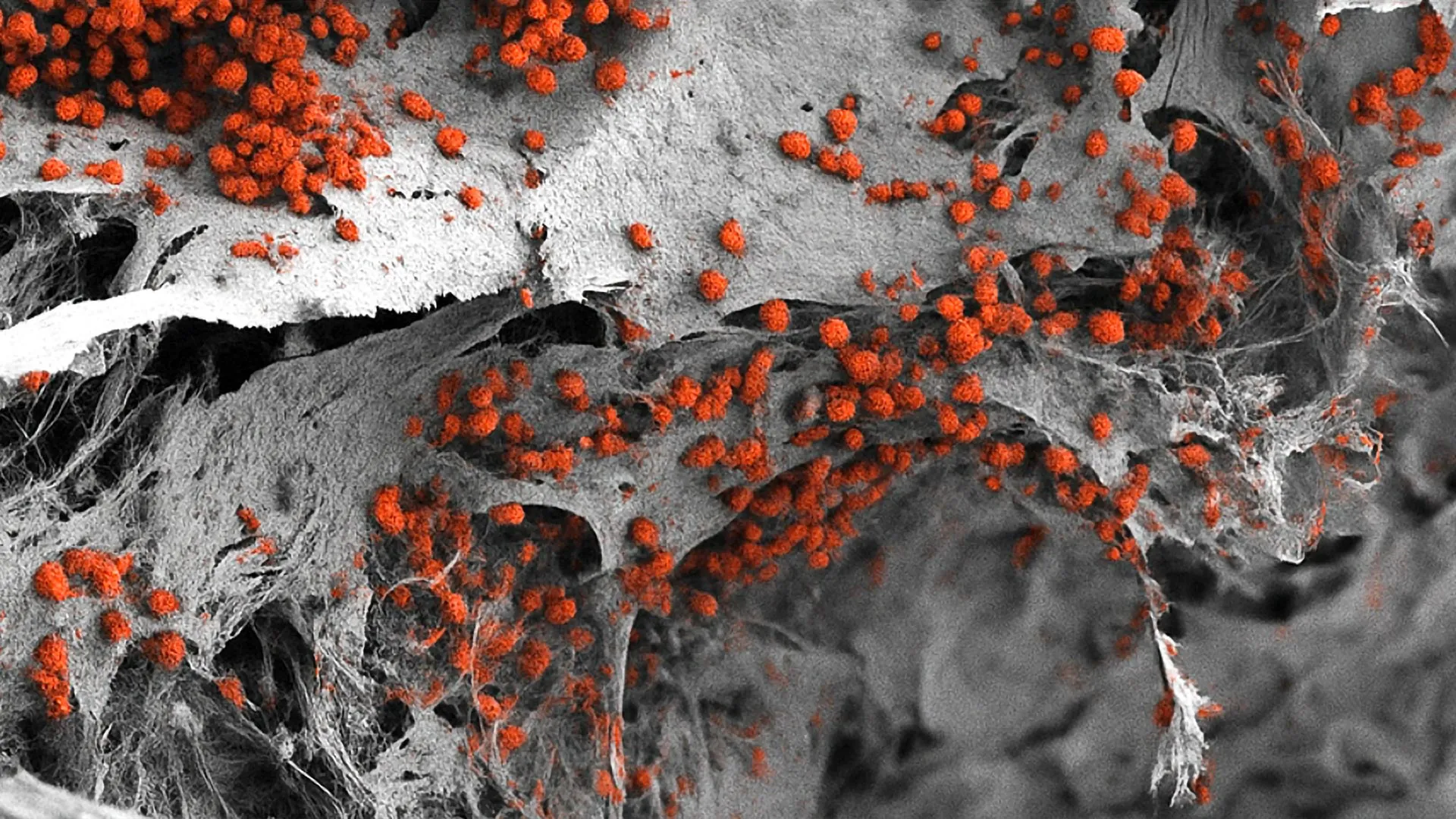
Instead of maturing into functional blood cells, immature precursors known as myeloid blasts accumulate in massive quantities within the bone marrow and spill over into the peripheral circulation. This developmental bottleneck starves the body of functional blood cells, leading to severe anemia, life-threatening infections, and uncontrollable bleeding. Furthermore, these trapped, immature precursors acquire stem-cell-like properties that drive unchecked cellular proliferation, crowding out healthy blood cell production and ultimately causing systemic organ failure if left unchecked.
Chronology of Differentiation Therapy: From APL Success to the Wider AML Challenge
For decades, the concept of differentiation therapy—using pharmacological agents to force cancer cells to resume their normal developmental maturation rather than destroying them through cytotoxic chemotherapy—has represented an enticing theoretical goal in leukemia research. The viability of this approach was stunningly validated years ago in the treatment of acute promyelocytic leukemia (APL), a distinct and particularly aggressive subtype of AML.
Historically, APL was among the most fatal forms of leukemia. However, the advent of a combination therapy utilizing all-trans retinoic acid (ATRA) and arsenic trioxide fundamentally revolutionized its prognosis. This pharmacological pair effectively shoves APL cells down the differentiation pathway, forcing them to mature and eventually die off naturally. Today, this protocol cures approximately 95 percent of APL cases, standing as one of the greatest success stories in precision oncology.
Despite this monumental triumph, translating a similar differentiation strategy to other, more common subtypes of AML has proven exceptionally difficult. While researchers understood that breaking the differentiation blockade was the key to treating the broader spectrum of AML, identifying the right molecular levers to pull without triggering catastrophic toxicity in patients remained an elusive clinical grail.
The Epigenetic Engine: LSD1 and the Search for Synergistic Solutions
The new research effort was co-led by Yang Shi and Amir Hosseini of Ludwig Oxford, alongside Abhinav Dhall of Shi’s laboratory at Harvard Medical School, with vital contributions from colleagues at the University of Pennsylvania and the University of Helsinki. The team set out to target the dysfunctional gene expression programs that maintain leukemic stem cells in their primitive, proliferative state.
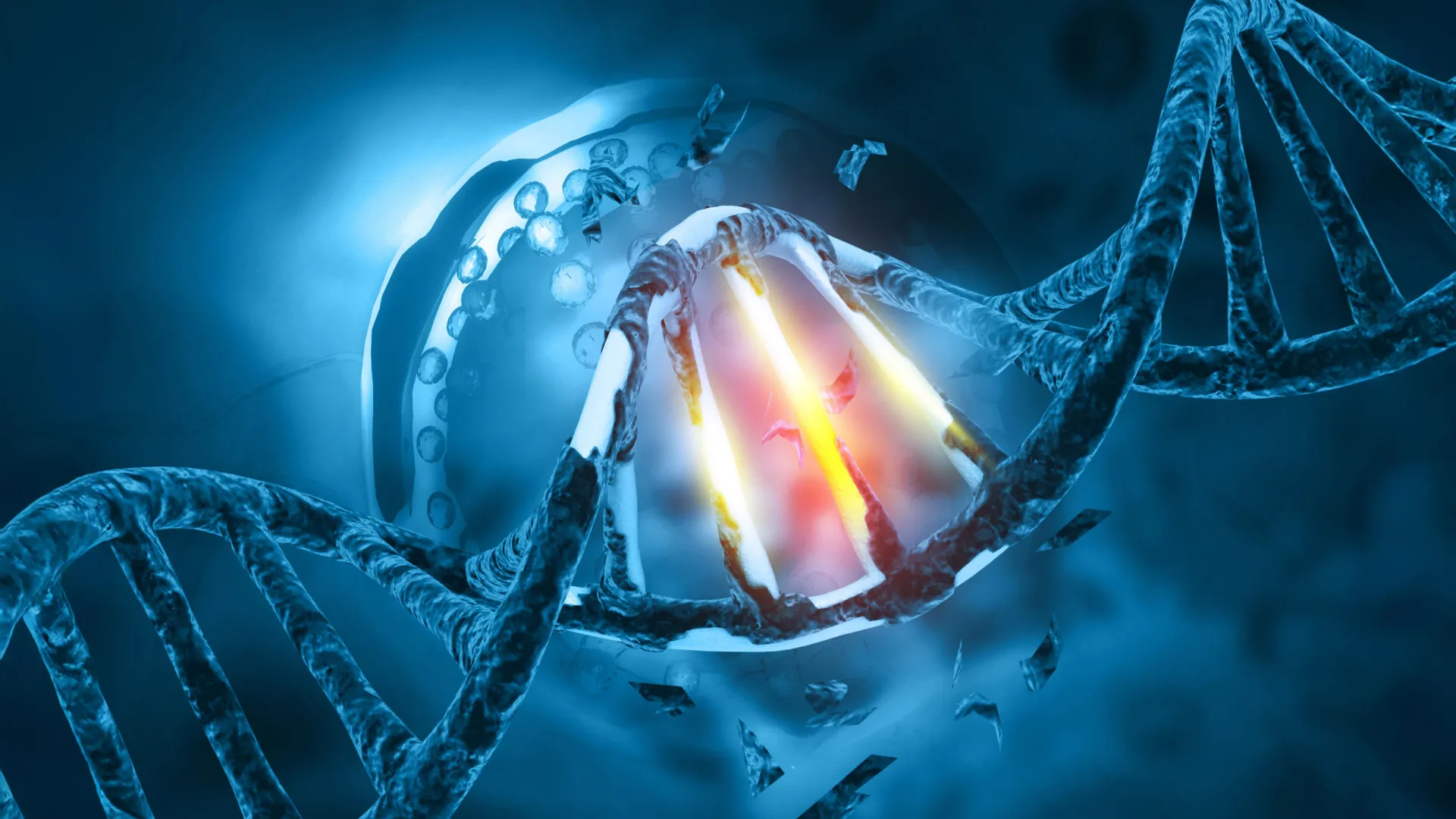
These aberrant gene expression programs are largely orchestrated by epigenetic enzymes—molecular machinery that chemically modifies DNA and the histone proteins around which it is wound, thereby turning genes on or off without altering the underlying genetic code. In 2004, Dr. Shi and his research colleagues discovered one such pivotal epigenetic enzyme: Lysine-specific demethylase 1 (LSD1). LSD1 functions by erasing methyl groups tagged onto histones, a process that is frequently hijacked in cancer cells. In AML, LSD1 is expressed at abnormally high levels and plays a central role in maintaining the self-renewal and survival of leukemic stem cells.
Recognizing LSD1’s crucial role, pharmaceutical researchers previously developed LSD1 inhibitors designed to block its activity and induce differentiation in AML cells. Unfortunately, these standalone treatments hit a clinical brick wall.
"While LSD1 inhibitors have been developed and shown to induce differentiation in AML stem cells, they’ve had limited success in clinical studies owing to their toxicity when used alone," explained Dr. Hosseini.
Because effective doses of standalone LSD1 inhibitors often induced unacceptable adverse side effects in patients, the Ludwig-led team realized they needed to change tactics. Rather than pushing LSD1 inhibitors to potentially toxic thresholds, they hypothesized that combining a low, well-tolerated dose of an LSD1 inhibitor with a secondary complementary drug could achieve the desired therapeutic synergy—overcoming the differentiation arrest while effectively suppressing cancer cell proliferation.
Methodology and Preclinical Validation
To discover this elusive synergy, the research team initiated a rigorous high-throughput screening process utilizing murine (mouse) leukemic cells. They evaluated multiple pharmacological molecules to identify compounds that could work in concert with an LSD1 inhibitor. Ultimately, their screening identified an inhibitor targeting the GSK3α/β enzyme as the ideal candidate.
Crucially, GSK3 inhibitors are already actively being evaluated as anti-cancer agents in ongoing clinical trials, meaning their safety profile and pharmacokinetic behaviors in humans are already partially understood. When the researchers combined a low dose of the LSD1 inhibitor with the GSK3 inhibitor, the results were striking: the drug combination successfully induced terminal differentiation across multiple laboratory-cultured subtypes of AML while aggressively suppressing the proliferation of the malignant cells.
Following these in vitro successes, Hosseini, Shi, and their multidisciplinary team advanced to in vivo testing. They demonstrated that the dual-drug therapy successfully induced the differentiation of leukemic cells, significantly inhibited their systemic proliferation, and—most importantly—prolonged the survival of laboratory mice engrafted with human AML cells.
Furthermore, detailed histological and flow cytometry analyses revealed a vital safety advantage: the drug combination selectively targeted leukemic cells while largely sparing healthy hematopoietic stem cells. This selective targeting dramatically lowers the anticipated risk of bone marrow suppression and associated toxicities in future human clinical applications.
Official Responses and Expert Insights
The implications of the study have drawn enthusiastic responses from the broader scientific and clinical oncology communities. The researchers noted that the molecular signature generated by the combination therapy closely mirrors the gene expression patterns naturally observed in AML patients who achieve relatively longer survival rates—providing a strong translational biomarker for its potential clinical efficacy.
"The drug combination we have identified works by activating genes that drive cell differentiation while suppressing genes that promote cell proliferation and cancer growth," stated Dr. Yang Shi, emphasizing the dual-pronged mechanical nature of the treatment.
Dr. Amir Hosseini echoed these sentiments, highlighting the translational readiness of the discovery. The fact that both participating inhibitor classes are already developed for human administration and active in clinical trials removes one of the primary translational bottlenecks that typically delay laboratory breakthroughs from reaching the bedside.
"Our findings provide compelling evidence to support the testing of this combination therapy in AML patients, especially since both of the inhibitors involved are not only available but have been developed for human use and are currently being evaluated in the clinical trials," Dr. Shi added.
Broader Impact and Implications for Oncology
Beyond its immediate application in acute myelogenous leukemia, the molecular mechanisms uncovered by the Ludwig Oxford team may have profound ripple effects across oncology. The researchers successfully mapped out precisely how the combination therapy rewires cellular gene-expression programs to strip leukemic cells of their stem-like traits while promoting maturation.
This specific rewiring touches upon signaling pathways that are frequently deregulated in human malignancies. Most notably, the insights gained regarding the suppression of leukemia-driving traits through targeted enzymatic inhibition could have significant therapeutic implications for other cancers driven by the overactivation of the WNT signaling pathway—a notoriously stubborn pathway implicated in colorectal cancer, breast cancer, and various other solid tumors.
As the medical community digests these findings, the path forward points directly toward early-phase clinical trials designed to test the safety and efficacy of the LSD1 and GSK3 inhibitor combination in human AML patients. Given the stubbornly stagnant survival statistics that have defined AML care for decades, the prospect of a mechanism-based, lower-toxicity combination therapy offers a tangible beacon of hope for patients facing one of hematology’s most difficult diagnoses.
The study was made possible through robust international collaboration and financial backing from major research funding bodies, including Ludwig Cancer Research, the National Institutes of Health (NIH), the Research Council of Finland, the Cancer Foundation Finland, the Sigrid Jusélius Foundation, the National Institute for Health Research, the Oxford Biomedical Research Centre, and Cancer Research UK.
Dr. Yang Shi holds his primary research position with Ludwig Cancer Research alongside his academic appointment as a Professor in the Nuffield Department of Medicine at the University of Oxford. As clinical trial protocols are designed and reviewed in the wake of this publication, the global oncology community will be watching closely to see if this promising laboratory synergy translates into a long-awaited clinical breakthrough for patients battling acute myelogenous leukemia.