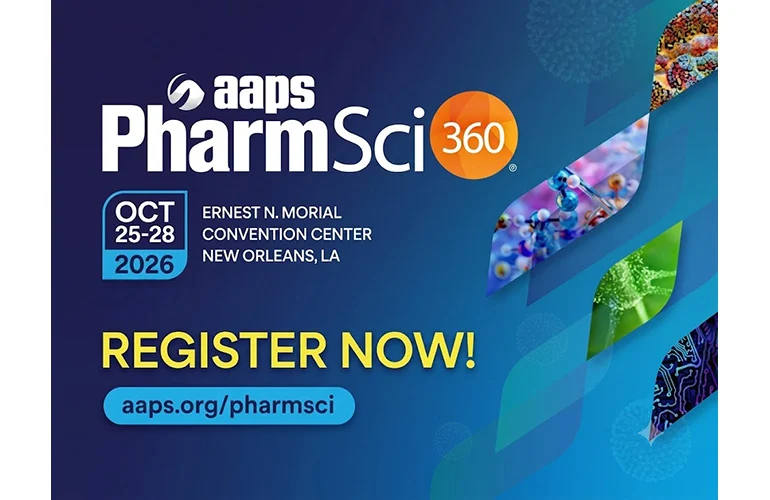
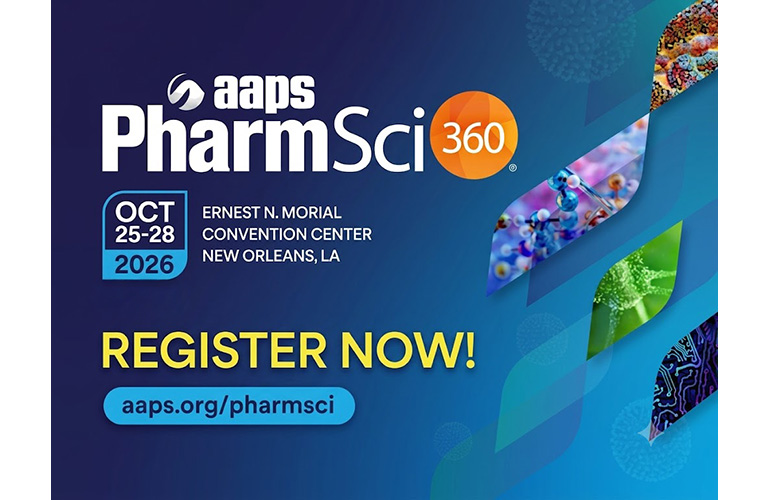
The American Association of Pharmaceutical Scientists (AAPS) has announced a significant evolution for its flagship annual conference, PharmSci 360, which will convene from October 25–28, 2026, at the Ernest N. Morial Convention Center in New Orleans. Recognizing the dual pressures of an AI-driven information landscape and a regulatory shift toward human-centric testing models, the AAPS will debut two "Innovator-Curated" tracks designed to address the foundational integrity and the technological future of the pharmaceutical industry. These additions mark a strategic pivot toward proactive engagement with the most pressing systemic challenges in modern drug discovery.
The Crisis of Credibility in an AI-Driven Era
The first curated track, scheduled for Monday, October 26, is dedicated to the increasingly urgent conversation surrounding scientific research integrity. Led by Brian Nosek, co-founder and executive director of the Center for Open Science, this program aims to confront the "reproducibility crisis" that has long plagued biomedical research, now exacerbated by the rapid, often unchecked integration of generative artificial intelligence in manuscript production and data synthesis.
Nosek, a prominent voice in the movement to reform scientific publication standards, will anchor the sessions with a keynote presentation focused on the architecture of trustworthiness. The curriculum is designed to move beyond theoretical discussions, offering actionable methods for identifying fraudulent papers—a sector that has seen a surge in "paper mills"—and verifying the authenticity of citations.
A central symposium within this track will investigate the structural enablers of scientific fraud. This includes an examination of the role of academic publishers in detecting fabricated manuscripts and a review of large-scale replication projects in preclinical cancer research, which have previously demonstrated that a significant percentage of high-impact studies fail to yield reproducible results. Furthermore, the session will highlight initiatives by the National Institutes of Health (NIH) to refine the evidence ecosystem, ensuring that the foundational research informing clinical trials is as robust as the drugs themselves.
The Shift Toward Human-Centric Testing Methodologies
Two days later, on October 28, the conference will pivot toward the future of preclinical modeling. Professor Thomas Hartung of Johns Hopkins University will oversee a full-day track dedicated to New Approach Methodologies (NAMs). As traditional animal models face increasing scrutiny for their predictive limitations and ethical concerns, the industry is seeing a tectonic shift toward human-derived laboratory systems.
The NAMs track will serve as a hub for the latest advancements in organ-on-a-chip technology, neural organoids, and computational modeling. These tools represent more than just a reduction in animal usage; they offer a potential increase in clinical success rates. By utilizing human cells, researchers hope to mitigate the high failure rate of drugs that pass animal trials but subsequently fail in human clinical trials due to species-specific metabolic or toxicological differences.
This discussion is particularly timely. In 2025, researchers at Johns Hopkins, including Hartung and Lena Smirnova, published findings detailing evidence of synaptic plasticity and learning-related activity in human neural organoids. Such breakthroughs provide the empirical basis for the claim that these "lab-grown" systems can simulate complex human biological processes with unprecedented fidelity.
Regulatory and Economic Landscapes
The push for NAMs is no longer solely a scientific aspiration; it has become a regulatory mandate. In March 2026, the U.S. Food and Drug Administration (FDA) issued draft guidance outlining a new framework for evaluating evidence generated through non-animal methods. This guidance provides a pathway for developers to incorporate alternative data into regulatory packages, reducing the reliance on legacy animal-testing protocols.
Simultaneously, the financial commitment to this field has scaled significantly. The NIH has pledged $150 million over five years through its Complement-ARIE (Complement Animal Research In Experimentation) program. This initiative is designed to standardize the development of human-based research tools, ensuring that technologies like organ chips and AI-assisted chemical read-across have a clear path to regulatory acceptance.
For the pharmaceutical industry, these changes represent a significant disruption. Startups specializing in AI-driven drug discovery and bio-fabrication are now being positioned alongside traditional pharmaceutical giants, creating a new ecosystem of stakeholders. The PharmSci 360 sessions will conclude with a critical examination of how these varied entities—from venture-backed model developers to federal regulators—can coordinate to ensure that the transition to post-animal development is both scientifically sound and commercially viable.
Chronology of Development
The path to these 2026 tracks was paved by several years of intensifying scrutiny regarding scientific quality and laboratory practices:
- 2023–2024: Heightened awareness of AI-generated content in academic journals leads to increased scrutiny of image and data manipulation.
- March 2025: Landmark study from Johns Hopkins confirms learning and memory building blocks in human neural organoids, fueling optimism for "Organoid Intelligence."
- March 2026: The FDA releases its foundational draft guidance, formalizing the four principles for accepting NAM data in drug development applications.
- Ongoing (2026): NIH’s Complement-ARIE program begins its primary investment phase, focusing on the validation of non-animal safety assessment tools.
- October 25–28, 2026: PharmSci 360 convenes in New Orleans, synthesizing these trends into a comprehensive educational program.
Fact-Based Analysis: The Implications of Reform
The integration of these tracks into the PharmSci 360 agenda signals that the AAPS recognizes that the industry’s "license to operate" is contingent upon its ability to modernize. There are two primary implications for stakeholders:
- The "Integrity Premium": As AI becomes a standard tool in drug discovery, the value of verified, reproducible data will rise. Companies that adopt transparent, open-science protocols will likely find smoother pathways through the FDA’s review process, while those that rely on "black-box" AI models may face increased skepticism.
- The Economic Shift of Preclinical Spend: The $150 million NIH commitment, combined with private investment, suggests a long-term shift in where research capital is flowing. We are witnessing the maturation of the NAMs market. The ability to demonstrate that a drug is safe using human-derived systems is becoming a competitive advantage, potentially shortening the duration of the "valley of death" between discovery and human clinical trials.
Preparing for the Future of Drug Development
The 2026 PharmSci 360 conference arrives at a crossroads. By addressing both the ethical and mechanical integrity of research and the technological replacement of outdated animal models, the AAPS is attempting to provide a roadmap for an industry in transition.
For the researchers, policy experts, and industry leaders attending the conference, the message is clear: the era of "business as usual" in pharmaceutical R&D is concluding. The upcoming sessions in New Orleans are not merely academic; they are intended to provide the technical and ethical framework for the next decade of therapeutic development. Whether through the lens of open science policies or the precision of organ-on-a-chip models, the focus remains on building a more reliable, efficient, and humane system for bringing life-saving treatments to patients.
As the conference dates approach, the focus on these two tracks underscores the industry’s desire to reclaim public trust while simultaneously leveraging the most sophisticated tools in human history to solve the most complex biological puzzles. The outcomes of these discussions will likely inform regulatory standards and R&D strategies for years to come, solidifying the role of PharmSci 360 as the definitive venue for the future of pharmaceutical science.