For millions of cancer patients worldwide, the life-saving potential of chemotherapy is frequently tempered by a debilitating side effect known as Chemotherapy-Induced Peripheral Neuropathy (CIPN). Characterized by persistent burning pain, numbness, tingling, and a severe loss of dexterity, this condition significantly diminishes the quality of life for 30% to 50% of those undergoing treatment. Despite decades of research into preventative and therapeutic agents, the medical community has remained largely empty-handed, with no widely effective, FDA-approved solution currently available. A breakthrough discovery emerging from the MD Anderson Cancer Center, however, suggests that psilocybin—a compound primarily known for its burgeoning role in treating clinical depression—may offer a revolutionary path forward in nerve protection.
The Mechanism of Nerve Damage
The research, published this week in the journal Science, identifies the root cause of CIPN as a breakdown in cellular logistics. Chemotherapy drugs such as cisplatin, paclitaxel, and docetaxel are essential for arresting tumor growth, but they also inflict collateral damage on the peripheral nervous system. Specifically, cisplatin has been shown to disrupt the movement of mitochondria along the axons of peripheral sensory nerves. Mitochondria act as the "power plants" of the cell; when their transport is arrested, the nerve endings are deprived of the ATP (adenosine triphosphate) required for survival, leading to distal axonal degeneration.
The study posits that psilocybin, by activating 5-HT2A serotonin receptors, acts as a catalyst for neural plasticity and restores the vital trafficking of these energy-producing organelles. By essentially "restarting" the supply chain within the nerve cells, the compound prevents the onset of the structural damage that leads to sensory loss and chronic pain.
Chronology of the Research
The search for a solution to CIPN has been a protracted struggle within oncology. A landmark 2014 review highlighted the scale of the crisis, noting that approximately 68.1% of patients experience neuropathy within the first month of chemotherapy, with 30% continuing to suffer from symptoms six months or longer after the completion of their treatment.
Historically, the American Society of Clinical Oncology (ASCO) has recommended the antidepressant duloxetine for the management of CIPN. However, this is an off-label application, and its efficacy remains a subject of intense debate. Clinical trials have indicated that while duloxetine provides some relief, it often falls short of the "clinically meaningful" threshold. A Phase 3 trial, for instance, showed a pain reduction of just 0.73 points on a 10-point scale, failing to meet the predefined 0.98-point requirement for significant clinical improvement.
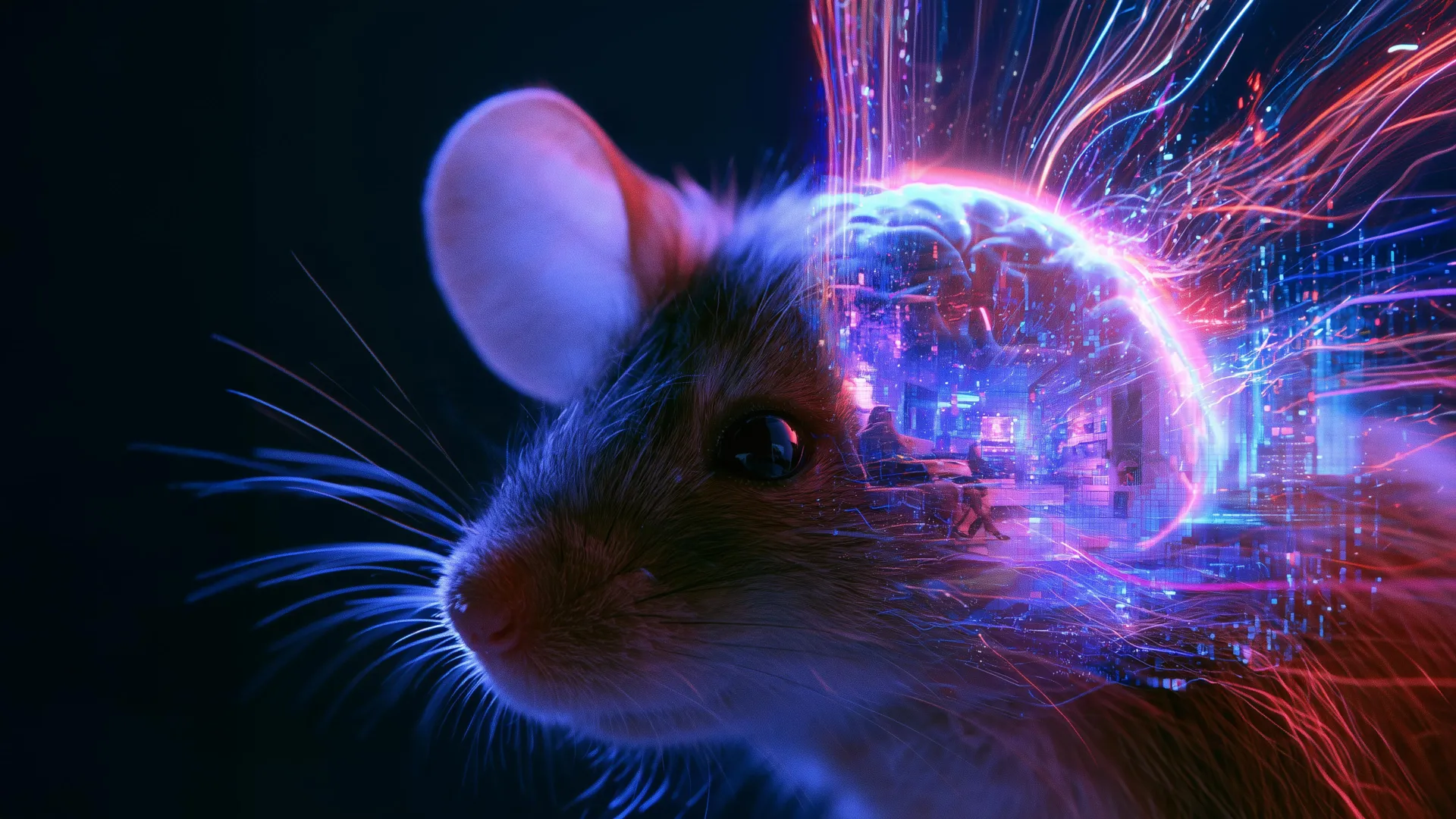
The MD Anderson study marks a turning point in this timeline. By moving beyond traditional analgesics and focusing on the underlying cellular mechanics of nerve health, the researchers established a protocol in rodent models that yielded unprecedented results. The study demonstrated that two 1 mg/kg doses of psilocybin administered prior to chemotherapy completely prevented the onset of mechanical hypersensitivity—the inability to tolerate light touch—for the duration of the treatment cycles. Furthermore, the protection persisted throughout a follow-up period exceeding eight months, a level of durability that stands in stark contrast to previous unsuccessful pharmacological attempts.
Data-Driven Insights and Human Tissue Verification
To bridge the gap between preclinical findings and human application, the researchers utilized peripheral nerve samples cultured from 29 surgical patients. When these samples were exposed to cisplatin, the researchers observed the anticipated stall in mitochondrial movement. Crucially, when the tissues were pretreated with psilocybin, that movement remained fluid, confirming that the protective mechanism observed in mice is highly likely to be replicable in human physiology.
The study also addressed the issue of psychotropic side effects, which have historically complicated the clinical adoption of psychedelics. The researchers experimented with tabernanthalog, a non-hallucinogenic 5-HT2A agonist, and found it provided a level of protection comparable to psilocybin. This discovery opens the door for developing therapeutic agents that shield nerves from chemotherapy toxicity without inducing the altered states of consciousness associated with classical psychedelics.

Clinical Implications and Future Outlook
While the findings are promising, they also underscore the necessity of a precise dosing regimen. The study revealed that once chemotherapy began, the protective effect of the initial psilocybin doses waned; mice that underwent tumor resection and subsequent chemotherapy without supplemental psilocybin developed hypersensitivity identical to the control group. This suggests that for human patients, a cyclical dosing schedule—aligned with each round of chemotherapy—will be essential for sustained protection.
Dr. Moran Amit, a senior author of the study, has already moved to secure the intellectual property surrounding this discovery, filing a U.S. provisional patent application for the use of 5-HT2A receptor agonists as a method for toxicity mitigation. This move signals a transition from theoretical research to the development of a commercialized preventative therapy.
The oncology community is now looking toward the next phase of development. With a Phase 2 clinical trial for psilocybin as a CIPN preventative estimated to commence in November of this year, the medical community will soon gain a clearer understanding of how this compound translates from the lab bench to the clinic.
The Broader Impact on Oncology
The potential integration of psilocybin into standard oncological care represents a paradigm shift in how clinicians view the "side effects" of life-saving treatments. For decades, the medical field has operated under the assumption that chemotherapy-induced nerve damage was an unavoidable trade-off for survival. By demonstrating that mitochondrial transport can be actively maintained, this research challenges that assumption.
If the upcoming human trials succeed, the implications for patient welfare would be profound. Reducing the incidence of CIPN could mean that patients maintain higher levels of physical function and autonomy during and after their treatment. Furthermore, it could influence the clinical management of cancer itself; currently, if a patient’s neuropathy becomes too severe, oncologists are often forced to reduce the dosage of chemotherapy or discontinue treatment entirely. A preventative agent like psilocybin could potentially allow patients to remain on optimal, full-strength treatment regimens for longer, indirectly improving cancer survival rates.
Challenges and Ethical Considerations
Despite the optimism, the path to clinical adoption remains complex. Psilocybin remains a controlled substance in many jurisdictions, and integrating it into an oncology ward requires navigating significant regulatory, legal, and cultural barriers. The history of psychedelic medicine has been one of fits and starts, and while the current climate is more favorable—thanks in part to the success of psilocybin in Phase 3 trials for depression—the transition to an oncological setting will require rigorous safety testing.
Furthermore, the reliance on 5-HT2A signaling introduces potential cardiovascular or metabolic considerations that must be monitored in cancer populations, who are often already medically vulnerable. The ongoing Phase 2 trial will need to meticulously document not only the efficacy in preventing nerve pain but also the long-term safety profile of recurring psilocybin administration in patients whose immune and physical systems are under the stress of chemotherapy.
As the industry watches for the results of the upcoming trials, the work from MD Anderson stands as a testament to the power of mechanism-based drug discovery. By looking at the intersection of neurology and oncology, researchers have identified a pathway that has been hidden in plain sight, offering a glimmer of hope for a future where cancer treatment no longer necessitates the permanent sacrifice of nerve function. If the promise holds, the coming years may see a total realignment of supportive care, making the harrowing experience of CIPN a manageable, or even preventable, aspect of the cancer journey.