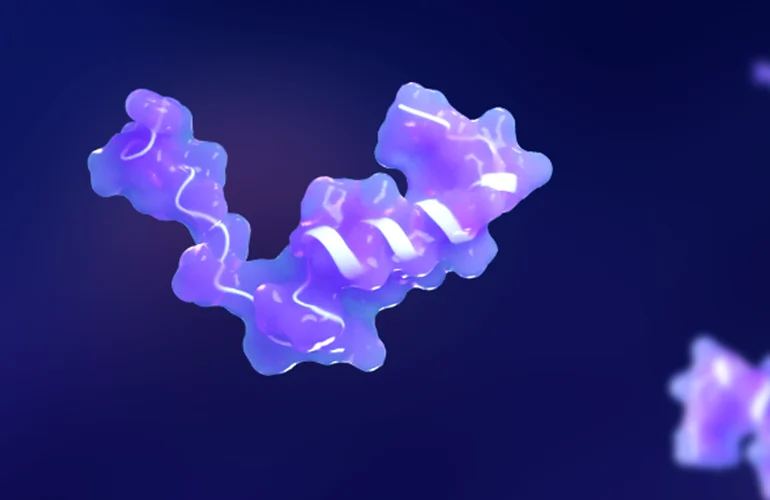
In a significant setback for Novo Nordisk’s ambitions to diversify its cardiovascular pipeline, the company announced that its investigational human monoclonal antibody, ziltivekimab, failed to meet its primary endpoint in the pivotal Phase 3 ZEUS trial. Designed to target the IL-6 ligand—a pro-inflammatory cytokine—the drug was intended to reduce the risk of major adverse cardiovascular events (MACE) in patients suffering from atherosclerotic cardiovascular disease (ASCVD) and chronic kidney disease (CKD). Despite demonstrating the expected biological modulation of inflammation, the drug failed to translate these molecular changes into clinical benefit for the patient population.
The announcement has rippled through the pharmaceutical industry, marking a notable disappointment for the Danish pharmaceutical giant, which had high hopes for the therapy following its $725 million acquisition of Corvidia Therapeutics in 2020. The failure of the ZEUS trial underscores the complex, often unpredictable nature of targeting inflammatory pathways in chronic cardiovascular conditions.
The ZEUS Trial and Clinical Findings
The ZEUS trial was a high-stakes, multi-center study meticulously designed to evaluate whether chronic inflammation, a known contributor to heart disease, could be successfully mitigated through targeted IL-6 inhibition. The study’s primary endpoint was the reduction of MACE, defined as a composite of cardiovascular death, non-fatal myocardial infarction, and non-fatal stroke.
According to the data released by Novo Nordisk, the trial reported a hazard ratio (HR) of 0.99, with a 95% confidence interval ranging from 0.88 to 1.11. In clinical research, a hazard ratio of 1.0 indicates that there is no difference in the risk of events between the treatment group and the placebo group. The study was powered to detect a 20% relative risk reduction; however, the results clearly demonstrate that ziltivekimab did not provide a statistically significant improvement over the standard of care administered alongside a placebo.
Regarding safety, the trial profile was largely as expected for an IL-6 inhibitor. While overall rates of serious adverse events were comparable to the placebo group, there was a higher incidence of serious infections among participants treated with the antibody. This is a known biological risk associated with the suppression of the immune system via IL-6 inhibition, as the pathway plays a critical role in the body’s defense mechanisms against pathogens.
A Chronology of Development and Acquisition
The story of ziltivekimab began well before it reached the portfolio of Novo Nordisk. Developed by Corvidia Therapeutics—a company that originated as a spin-out from AstraZeneca in 2015—the drug was specifically engineered to address the unmet needs of patients with cardiorenal disease.
In June 2020, Novo Nordisk moved to acquire Corvidia Therapeutics for an upfront payment of $725 million. At the time, the acquisition was framed as a cornerstone of the company’s strategy to pivot beyond its core diabetes and obesity franchises and establish a robust footprint in the broader cardiometabolic disease landscape. The acquisition provided Novo with a high-potential asset that targeted the inflammation-related drivers of atherosclerosis.
Following the acquisition, Novo Nordisk accelerated the clinical development of the compound. The ZEUS trial commenced with the hope that ziltivekimab could become a first-in-class treatment for a difficult-to-treat population: those who have both established heart disease and significant kidney impairment. The expectation was that by lowering C-reactive protein (CRP) levels—a marker of systemic inflammation—the drug would logically reduce the downstream risk of cardiovascular events. While the biological effect was indeed observed, the clinical outcomes failed to materialize.

Market Reaction and Financial Implications
The market response to the news was swift and severe. Upon the public disclosure of the trial results, Novo Nordisk shares experienced a decline of approximately 7.4% on the Copenhagen Stock Exchange. This represents the company’s most substantial single-day drop since the negative readouts on February 23, 2024, involving the CagriSema trial, which failed to demonstrate non-inferiority to tirzepatide.
Despite the stock volatility, market analysts at firms such as Citi and Jefferies have suggested that the market’s reaction may be somewhat disproportionate. The consensus among financial observers is that while the failure of the ZEUS trial is a disappointment, ziltivekimab represents a relatively small share of Novo Nordisk’s total valuation and pipeline potential. The company’s core business, anchored by its highly successful GLP-1 receptor agonists, remains the primary driver of its long-term financial health.
From a corporate accounting perspective, Novo Nordisk confirmed that the trial outcome would not require an adjustment to its previously communicated operating profit outlook for the current fiscal year. However, the company will recognize a non-cash impairment charge in the third quarter of 2024 to reflect the diminished value of the asset.
The Path Forward: Ongoing Trials and Future Outlook
Despite the disappointment of the ZEUS trial, Novo Nordisk has indicated that it does not intend to abandon the ziltivekimab program entirely. The company is currently running two additional large-scale clinical trials designed to assess the drug’s efficacy in different patient segments:
- The HERMES Trial: This study is investigating the impact of ziltivekimab on patients with heart failure, a condition where inflammation is increasingly recognized as a major driver of disease progression.
- The ARTEMIS Trial: This study is focused on patients in the immediate aftermath of an acute heart attack, examining whether anti-inflammatory intervention can improve post-infarction outcomes.
Data from these two trials are expected in the first half of 2027. By continuing these studies, Novo Nordisk is hedging its bets, acknowledging that while the inflammatory pathway may not have yielded results in the ASCVD/CKD population, the therapeutic mechanism might still provide benefit in specific acute or chronic heart failure contexts.
Scientific Implications for Cardiovascular Research
The failure of the ZEUS trial contributes to a growing body of evidence regarding the challenges of targeting inflammation in cardiovascular medicine. While the "inflammatory hypothesis" of atherosclerosis—which posits that reducing inflammation can stabilize plaques and prevent events—has been supported by trials such as CANTOS (which used the IL-1β inhibitor canakinumab), the translation of this hypothesis into viable, safe, and effective pharmacotherapy remains difficult.
The ziltivekimab result serves as a reminder that systemic biomarkers like IL-6 and CRP, while useful indicators of risk, do not always serve as direct proxies for clinical outcomes when manipulated therapeutically. The scientific community will likely gain further insight when the full results of the ZEUS trial are presented at a major scientific meeting in 2026. This presentation is expected to provide a granular look at the data, helping researchers understand why the anticipated biological benefits did not correlate with a reduction in cardiovascular events.
Conclusion
The failure of the Phase 3 ZEUS trial is a sobering reminder of the high-risk nature of biopharmaceutical innovation, particularly in the complex arena of cardiovascular inflammation. For Novo Nordisk, the result represents a financial and strategic hurdle, yet the company’s decision to maintain its investment in the HERMES and ARTEMIS trials indicates a continued commitment to exploring the role of inflammation in heart disease.
As the industry awaits the detailed data in 2026, the case of ziltivekimab will likely be studied as a primary example of how even promising assets with clear biological rationales can face significant hurdles in large-scale clinical trials. For now, Novo Nordisk remains focused on its broader strategic goals, bolstered by the strength of its existing portfolio, while the scientific world remains in pursuit of the elusive, safe, and effective anti-inflammatory therapy for patients at risk of major cardiovascular events.