New York City-based biotechnology firm Definium Therapeutics has reached a pivotal juncture in the development of its flagship psychedelic candidate, DT120. Following the announcement of positive top-line data from the Phase 3 Voyage trial for generalized anxiety disorder (GAD)—and a similarly successful readout for major depressive disorder (MDD) earlier this summer—the company is shifting its focus from clinical validation to the complex realities of commercialization. As Definium prepares to navigate the regulatory and economic hurdles inherent in bringing a psychedelic-assisted therapy to market, it faces the challenge of justifying a premium pricing model for a treatment that requires significant clinical oversight.
The Evolution of the DT120 Clinical Program
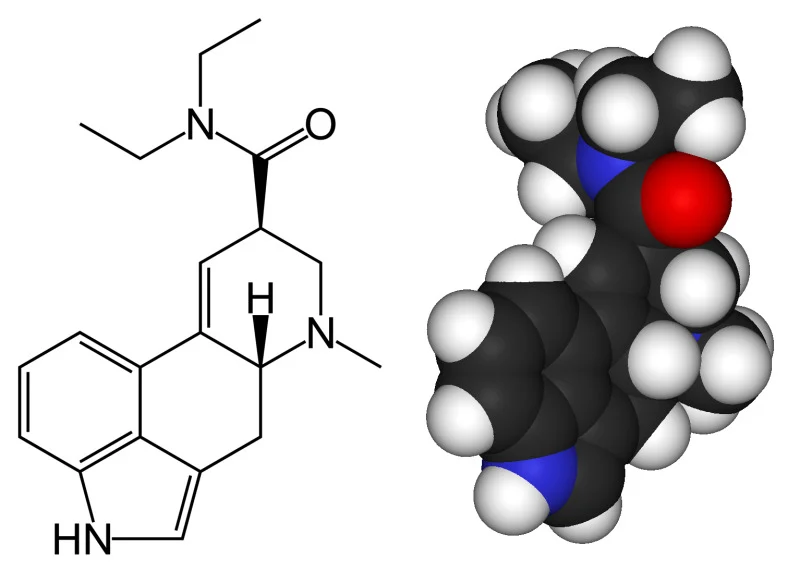
The path to the current Phase 3 success has been marked by significant strategic pivots and clinical rigor. Known formerly as MindMed, the company rebranded as Definium Therapeutics to signify a broader shift toward institutionalizing psychedelic medicine. The development of DT120, an orally disintegrating 100 µg dose of lysergic acid diethylamide (LSD), has been the company’s cornerstone.
The clinical timeline demonstrates a rapid maturation of the asset. In 2024, the company reported robust Phase 2b results for what was then termed MM120, showing a significant reduction in anxiety symptoms. By August 2026, the completion of the Phase 3 Voyage study cemented the compound’s potential as a first-in-class psychiatric intervention. Throughout these trials, the company has transitioned from 12-hour mandatory monitoring periods to a more flexible, evidence-based approach, utilizing the End of Session Checklist (EOSC) to determine patient readiness for discharge.
Economic Modeling and Market Positioning
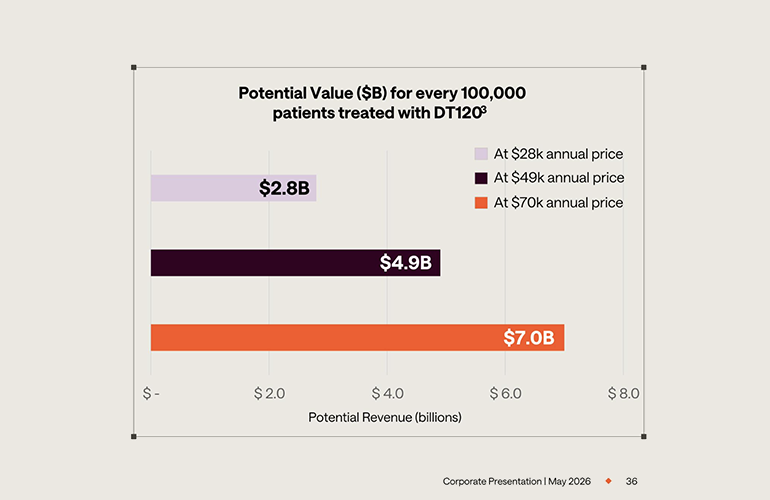
Definium has been transparent regarding its commercial aspirations, albeit cautious about definitive pricing. SEC filings from January 2026 revealed that the company has modeled annual revenue projections based on per-patient treatment costs ranging from $28,000 to $70,000. These figures are notional, intended to provide investors with a framework for understanding potential value based on the current market landscape for specialty mental health therapeutics.
The company has frequently cited Johnson & Johnson’s Spravato (esketamine) as a primary benchmark for market access and reimbursement. Spravato, which is currently the only FDA-approved psychedelic-related therapy for treatment-resistant depression, provides a blueprint for the Risk Evaluation and Mitigation Strategy (REMS) that Definium will likely need to implement. However, Definium’s leadership argues that their product may carry a lower operational burden than esketamine, as DT120 does not currently present the same documented cardiorespiratory risks that necessitate the extensive monitoring protocols mandated for Spravato.
Comparative Analysis: LSD vs. Psilocybin
The landscape for psychedelic medicine is increasingly defined by the rivalry—and concurrent development—of different molecular entities. While DT120 is the frontrunner in the LSD space, Compass Pathways continues to advance its synthetic psilocybin candidate, COMP360. Both compounds are serotonergic psychedelics targeting the 5-HT2A receptor, but their clinical administration profiles differ significantly.
Compass Pathways has seen steady progress, with its second Phase 3 trial for treatment-resistant depression confirming rapid and durable effects as of February 2026. The administrative requirements for psilocybin often span six to eight hours, necessitating the presence of at least one healthcare professional throughout the duration of the session. Definium’s data suggests a similar timeframe, though the company’s leadership emphasizes that the "trial artifact" of a mandatory eight-hour stay will likely be replaced by a more nuanced, patient-specific discharge model in real-world clinical settings.
Operational Challenges and Clinical Reality
The core concern for payers and health systems remains the labor-intensive nature of psychedelic-assisted therapy. Unlike traditional antidepressants, which are self-administered, DT120 requires a supervised environment. CEO Robert Barrow has remained steadfast in his assertion that patients, particularly those who have suffered from treatment-resistant anxiety for decades, view the time investment as a reasonable trade-off for the promise of a profound and durable therapeutic effect.
"We have yet to meet or talk to one of these anxiety patients who says, ‘I’ve been living with anxiety for 20-plus years. It’s severe. I can’t handle this, but I’m unwilling to stay in the clinic for an extra 30 minutes or so,’" Barrow stated during the August 12 Voyage results call. He noted that the clinical data shows that patients can reasonably expect to resume normal activities, including driving, the day following the administration.
The Compression of Effect Size
An analysis of the data progression from Phase 2b to Phase 3 reveals a phenomenon common in late-stage clinical development: the compression of the effect size. In the Voyage trial, the placebo-adjusted difference was 5.4 points, down from 7.7 points in the Phase 2b study. However, the standardized effect size remained at 0.81, a metric that remains robust by psychiatric standards. Analysts suggest that this compression is likely the result of more stringent trial designs, including the use of central raters who remained blinded to both treatment assignment and visit number, effectively filtering out the noise that can inflate earlier-stage results.
Regulatory and Commercial Outlook
As Definium moves toward a potential New Drug Application (NDA), the focus shifts to the FDA’s evaluation of the "durability" of the clinical response. Definium has indicated that its emerging profile suggests a treatment regimen requiring only a single dose, or perhaps a limited number of doses, to maintain relief over a multi-month period. This "intermittent" model is a stark departure from the daily pill burden associated with conventional SSRIs and SNRIs.
For the healthcare system, the value proposition rests on whether a high-cost, one-time or infrequent intervention can reduce the total cost of care by mitigating the need for chronic, long-term pharmaceutical management and the high societal costs associated with untreated, severe anxiety and depression.
Implications for the Future of Psychiatry
The success of DT120 would represent a significant milestone in the integration of controlled substances into mainstream clinical practice. Should Definium succeed in securing regulatory approval, it will face the monumental task of establishing a network of clinics capable of delivering the therapy safely and at scale. This involves not only the physical infrastructure but also the training of therapists and medical staff to manage the unique psychedelic-assisted experience.
The broader implications extend beyond Definium and Compass Pathways. The entire sector is watching to see how the FDA defines the "standard of care" for these interventions. If the regulatory agency accepts the End of Session Checklist (EOSC) as a valid marker for safety and discharge, it could pave the way for a more efficient and cost-effective commercial model than the industry initially feared.
Ultimately, the transition from clinical trial participant to a real-world patient population will be the true test of DT120. Definium’s ability to maintain the high efficacy observed in the Voyage trial, while simultaneously proving to insurers that the therapy is a cost-effective alternative to existing treatments, will determine the long-term viability of its business model. As the company prepares for its upcoming regulatory submissions, the pharmaceutical industry remains in a state of watchful anticipation, recognizing that the results of the next 18 months will likely define the trajectory of psychedelic medicine for the next decade.