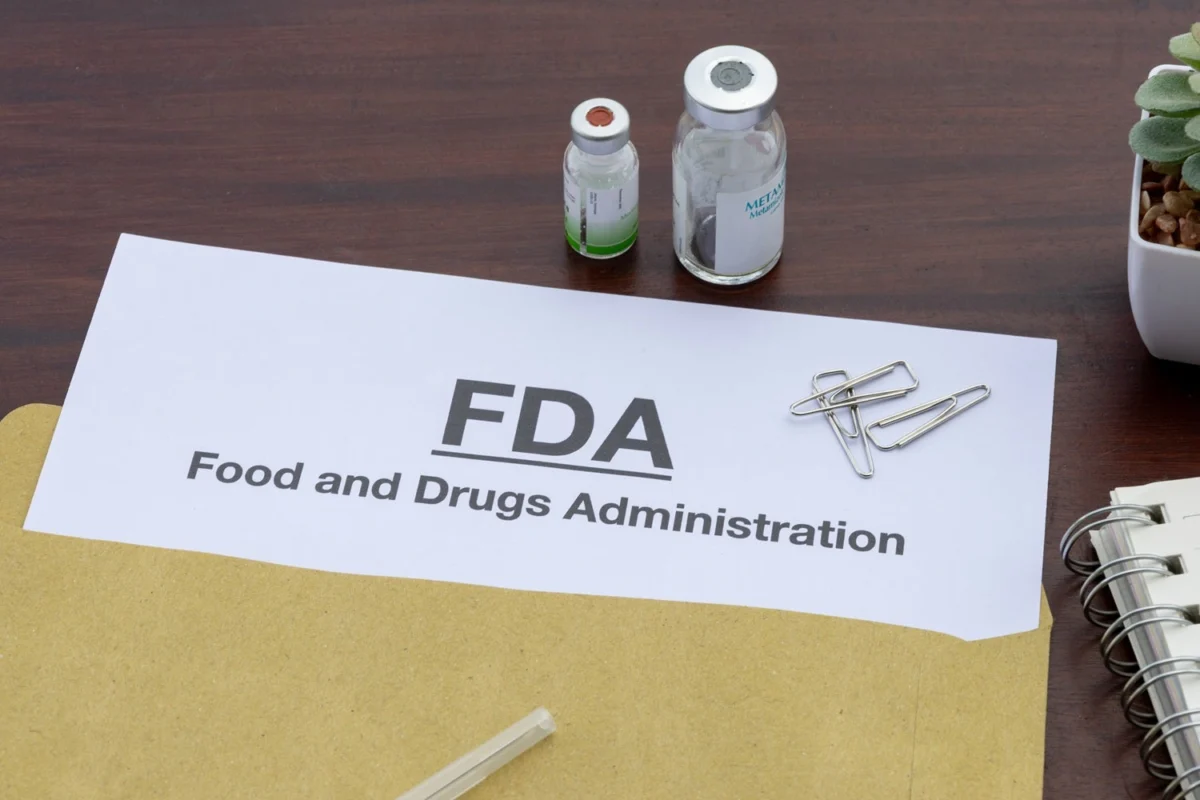
The rapid proliferation of compounded versions of high-demand GLP-1 receptor agonists has reached a critical inflection point, as the U.S. Food and Drug Administration (FDA) records a concerning surge in adverse event reports. As of late August 2026, federal data confirms that over 1,700 incidents have been logged regarding the use of non-FDA-approved compounded semaglutide and tirzepatide. This escalation coincides with an aggressive expansion of direct-to-consumer telehealth platforms, many of which have come under scrutiny for opaque business practices, misleading marketing, and questionable supply chain integrity.
The rise of this market sector, which saw explosive growth during the drug shortages of 2024 and 2025, has triggered a wave of regulatory enforcement, litigation, and legislative attempts to curb what critics describe as a "wild west" of pharmaceutical distribution.
A Chronology of Regulatory Friction and Market Growth
The current crisis traces its roots to the early days of the GLP-1 weight-loss boom, when unprecedented patient demand far outstripped the production capabilities of manufacturers like Novo Nordisk and Eli Lilly. As Wegovy, Ozempic, and Mounjaro/Zepbound were placed on the FDA’s official drug shortage lists, a loophole within the Federal Food, Drug, and Cosmetic Act allowed compounding pharmacies to produce "essentially copies" of these patented drugs.

By 2025, the market had reached a fever pitch. In April of that year, reports indicated that companies like MEDVi were leveraging artificial intelligence and aggressive digital marketing to capture significant market share. Financial disclosures suggested that the compounded GLP-1 industry was generating revenue in the neighborhood of $1 billion annually, with individual pharmacy powerhouses like Empower Pharmacy reporting massive year-over-year growth.
However, the regulatory environment shifted abruptly as supply chains stabilized. The FDA announced the resolution of the tirzepatide shortage in December 2024 and the semaglutide shortage in February 2025. Following these determinations, the agency’s enforcement discretion—which had previously permitted the distribution of these compounded versions—was formally terminated on May 22, 2025. Despite this, a robust underground and semi-formal market has persisted, characterized by a revolving door of telehealth brands and clinical networks that appear to share common infrastructure, physicians, and pharmacy partners.
Analyzing the Safety Data and Reporting Trends
The 1,700+ adverse event reports currently held by the FDA represent only a fraction of the actual occurrences, according to public health experts. Because state-licensed compounding pharmacies are not subject to the same rigorous adverse event reporting requirements as manufacturers of FDA-approved drugs, the true scale of patient harm is likely significantly higher.
Data from America’s Poison Centers provides a sobering look at the broader landscape of GLP-1 use. Between 2019 and 2025, poison control centers managed nearly 23,000 exposure cases. The most alarming trend involves a 1,500% increase in calls related to these medications, with a notable subset of cases stemming from "10-fold" dosing errors. These mistakes are frequently attributed to confusion over syringe measurement units and inaccurate concentration labeling on compounded vials, which can lead to severe gastrointestinal distress, hypoglycemia, and other complications.

The FDA has repeatedly warned consumers that compounded drugs are not vetted for safety, effectiveness, or quality manufacturing processes in the same manner as brand-name pharmaceuticals. Furthermore, investigations have uncovered instances of "ghost pharmacies"—labeling that lists entities that either do not exist or were not involved in the actual production of the substance.
Industry Consolidation and the "Copycat" Playbook
A common pattern has emerged among newer market entrants: the use of overlapping medical-provider networks and clinical staff. Sites such as VitalSlim, MDRxLabs, and others have featured the same rotation of physicians, including Drs. David Mansour, Ana Lisa Carr, and Kelly Tenbrink, across multiple platforms. These companies often utilize identical marketing templates, such as the "Finally serious about weight loss?" branding, and rely on centralized telehealth services like OpenLoop Health to provide the necessary prescriptions.
This interconnectedness has drawn the attention of the legal system. A pending civil RICO (Racketeer Influenced and Corrupt Organizations Act) complaint alleges that these networks operate as a coordinated infrastructure designed to sell unproven formulations, such as oral tirzepatide—a product that is not marketed or supported by the patent holder, Eli Lilly. The lawsuit alleges that these entities profit by exploiting the gaps in regulatory oversight and consumer confusion regarding the legitimacy of compounded alternatives.
Legal and Legislative Responses
In response to the proliferation of these services, pharmaceutical manufacturers have launched a massive litigation campaign. Novo Nordisk and Eli Lilly have collectively filed hundreds of lawsuits across the United States, targeting both the telehealth platforms and the compounding pharmacies themselves. These lawsuits allege patent infringement and trademark violations, and many have already resulted in permanent injunctions against the defendants.

On the legislative front, the bipartisan SAFE Drugs Act of 2025 has been introduced to permanently address the compounding loophole. The bill proposes a strict 20-unit monthly limit on the compounding of drugs that are considered "essentially copies" of commercially available products. While proponents argue that this is necessary to ensure patient safety and uphold the integrity of the FDA approval process, the Alliance for Pharmacy Compounding and other industry advocates are mounting a defense, arguing that such restrictions unfairly punish legitimate pharmacies and limit patient access to medication.
Implications for the Future of Telehealth and Compounding
The current situation poses fundamental questions about the role of digital health in the distribution of high-potency medications. The intersection of generative AI, rapid-fire telehealth prescribing, and outsourced manufacturing has created a business model that is difficult for traditional regulatory bodies to monitor in real-time.
For the patient, the implications are profound. While the promise of lower-cost alternatives to expensive, brand-name GLP-1s remains attractive, the risks associated with non-standardized manufacturing and inconsistent medical oversight have become increasingly apparent. The FDA’s continued issuance of warning letters—targeting over 85 companies in 2025 and 2026 alone—indicates that the agency is prioritizing the enforcement of the Federal Food, Drug, and Cosmetic Act (FDCA) sections 502(a) and 502(n), which deal with misbranding and false advertising.
As the industry faces a potential contraction due to both legal pressure and the depletion of the "shortage loophole," the long-term outlook for these platforms remains uncertain. The outcome of the ongoing RICO litigation and the potential passage of the SAFE Drugs Act will likely serve as the definitive turning point for the future of the compounded weight-loss drug market.

Conclusion: A Need for Vigilance
The surge in adverse events serves as a stark reminder that the rapid adoption of new medical technologies often outpaces the development of the regulatory frameworks designed to protect public health. The 1,700+ reports logged by the FDA should be viewed as a signal of a system under strain. As the agency continues its crackdown on entities that prioritize revenue over patient safety, the healthcare community remains focused on the potential for long-term complications stemming from the widespread use of unregulated, non-standardized injectable treatments. For consumers, the message remains clear: the convenience of a digital storefront does not replace the necessity of proven safety, clinical verification, and manufacturer accountability.