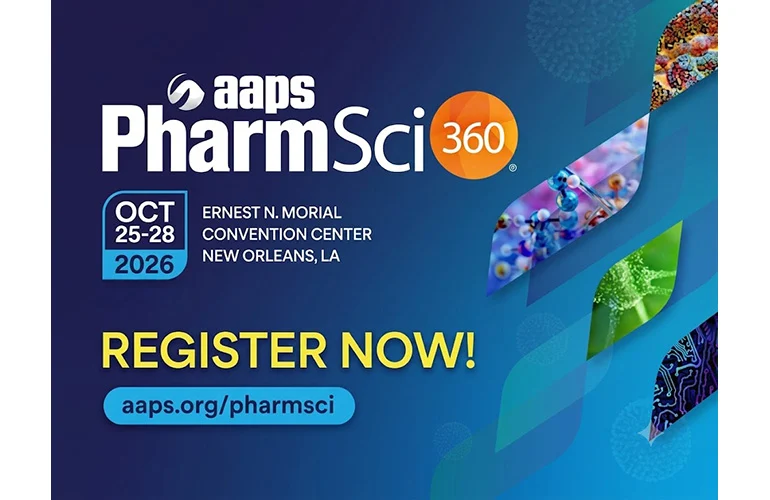
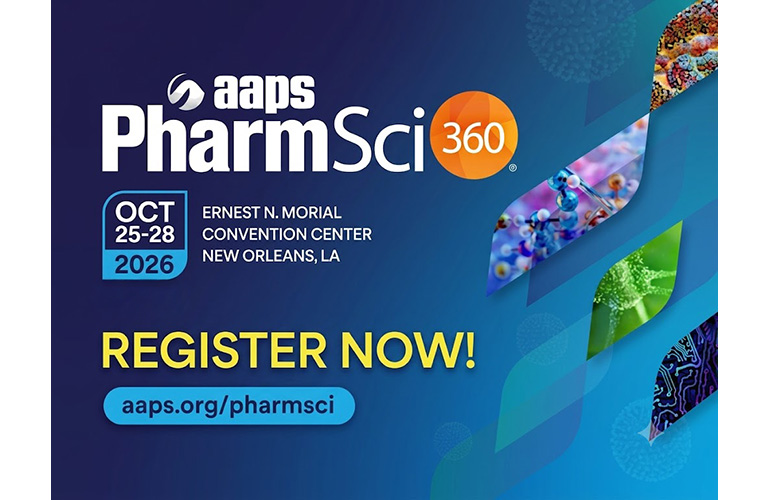
The American Association of Pharmaceutical Scientists (AAPS) has announced a strategic shift in the programming for its flagship 2026 PharmSci 360 conference, set to take place October 25–28 at the Ernest N. Morial Convention Center in New Orleans. As the pharmaceutical industry grapples with the dual pressures of an AI-driven research revolution and a mounting crisis of reproducibility, the association is introducing two “Innovator-Curated” tracks designed to confront the most pressing challenges in modern drug discovery: the integrity of the scientific record and the transition toward human-based testing methodologies.
Addressing the Crisis of Scientific Integrity
The first curated track, scheduled for Monday, October 26, marks a departure from traditional technical presentations by focusing on the philosophical and structural underpinnings of research. Brian Nosek, co-founder and executive director of the Center for Open Science, will anchor the program. His keynote address is expected to serve as a call to action for the pharmaceutical sector, emphasizing that the speed of innovation provided by generative AI must be balanced by rigorous verification protocols.
The urgency for this track is underscored by the current climate in academic and industrial research. Recent years have seen a surge in the retraction of papers due to data manipulation and the proliferation of “paper mills.” In response, the AAPS track will delve into the technical methodologies for identifying problematic manuscripts, verifying citation accuracy, and establishing robust ethical frameworks for the integration of generative AI into drug discovery workflows.
A morning symposium during this track will host a panel of experts who will dissect the systemic vulnerabilities that permit scientific fraud. This includes an analysis of the editorial and peer-review processes used by major publishing houses, the lessons learned from large-scale replication failures in preclinical cancer research—most notably the attempts to replicate high-profile studies—and the strategic initiatives launched by the National Institutes of Health (NIH) to bolster the reliability of the global evidence ecosystem. Maryam Zaringhalam, a researcher at the Center for Open Science, will moderate these discussions, bridging the gap between theoretical open-science policy and the practical realities of drug translation.
The Shift Toward Post-Animal Methodologies
Two days later, on October 28, the conference will pivot to the technical frontier of “New Approach Methodologies” (NAMs). Led by Johns Hopkins professor Thomas Hartung, this full-day track will explore the technologies poised to render traditional animal testing obsolete. The program comes at a pivotal moment, as the regulatory environment in the United States undergoes a structural evolution.
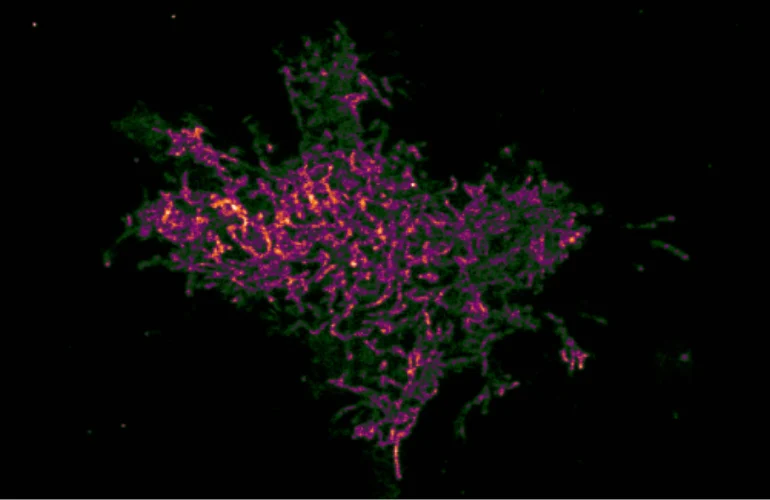
The track will feature deep dives into organ-on-a-chip technology, neural organoids, and computational toxicology. These systems are no longer merely experimental; they are moving toward the center of regulatory data packages. Hartung’s expertise in this field is well-documented; notably, his 2025 research, coauthored with Lena Smirnova, demonstrated that lab-grown human neural organoids exhibit signs of synaptic plasticity—a foundational element of learning and memory. This discovery has profound implications for neuropharmacology, providing a human-centric model to study brain-related diseases that have historically been difficult to replicate in rodents.
Regulatory and Economic Context
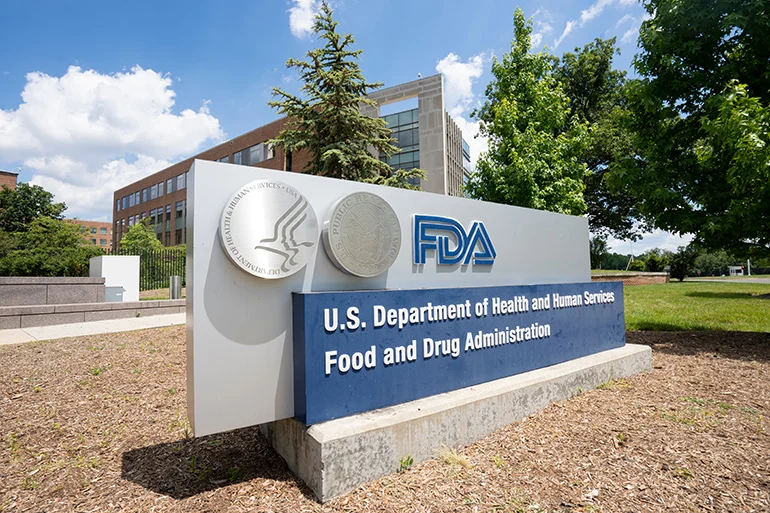
The programming at PharmSci 360 reflects broader shifts in federal policy. In March 2026, the Food and Drug Administration (FDA) released long-awaited draft guidance that establishes four core principles for the submission of NAM evidence in drug development. This guidance is intended to provide a pathway for developers to replace, reduce, or refine the use of animals in the preclinical phase of drug testing.
Simultaneously, the NIH has intensified its commitment to this transition through the Complement-ARIE (Complement Animal Research in Experimentation) program, which has allocated $150 million over five years to standardize human-based research tools. These funds are specifically earmarked to address the “validation gap”—the period where new technologies are proven in the lab but have yet to be accepted as reliable enough for clinical trial safety benchmarks.
The PharmSci 360 tracks will directly address these funding and regulatory mandates. The morning sessions will cover the mechanics of regulatory data packages for organ chips and the potential for AI-assisted chemical read-across, which uses historical data to predict the toxicity of new compounds without physical testing. Nicole Kleinstreuer, Deputy Director at the NIH, is slated to deliver an afternoon keynote centered on the challenge of building institutional trust in non-animal safety science, a necessary hurdle before widespread industrial adoption can occur.
A Chronology of Research Evolution
The necessity of these tracks can be mapped against a clear timeline of recent scientific events:
- 2023–2024: The widespread public release of generative AI tools leads to a documented increase in the volume of questionable scientific publications, prompting a re-evaluation of editorial standards.
- March 2025: Research by Johns Hopkins confirms that neural organoids can exhibit functional neural activity, setting the stage for more complex safety and efficacy testing.
- March 2026: The FDA issues formal draft guidance on NAMs, acknowledging that traditional animal models often fail to predict human physiological responses.
- October 2026: The PharmSci 360 conference convenes to formalize these shifts into industry-wide best practices.
Implications for the Pharmaceutical Industry
The integration of these tracks into the PharmSci 360 agenda suggests that the pharmaceutical industry is moving toward a “hybrid model” of research. In this model, the speed of computational discovery and the precision of human-derived organoid systems are balanced by a renewed commitment to open-science transparency.
The implications for drug developers are significant. Companies that fail to adapt to the new standard of research integrity—or that ignore the regulatory shift toward NAMs—risk falling behind in a marketplace where “time-to-market” is increasingly defined by the ability to generate high-quality, reproducible data that regulators trust.
For the attendees of PharmSci 360, the sessions represent more than just professional development; they offer a roadmap for navigating a period of intense technological disruption. By bringing together the architects of open science with the pioneers of organoid intelligence, AAPS is facilitating a necessary conversation about the future of drug discovery. Whether these initiatives will effectively stem the tide of scientific misconduct remains a point of debate, but the intent to standardize the transition away from animal models is clear.
As the industry prepares for the New Orleans conference, the focus will be on whether these curated tracks can translate into actionable policy. With the NIH and FDA actively steering the ship toward human-based, transparent research, the 2026 PharmSci 360 conference stands to be a defining event in the history of pharmaceutical science. The industry is currently at a crossroads where the integration of ethics, data integrity, and advanced biology is no longer a peripheral concern, but the primary driver of future success in therapeutic development. By focusing on these core areas, AAPS is positioning itself to lead the scientific community through one of the most transformative decades in medical history.