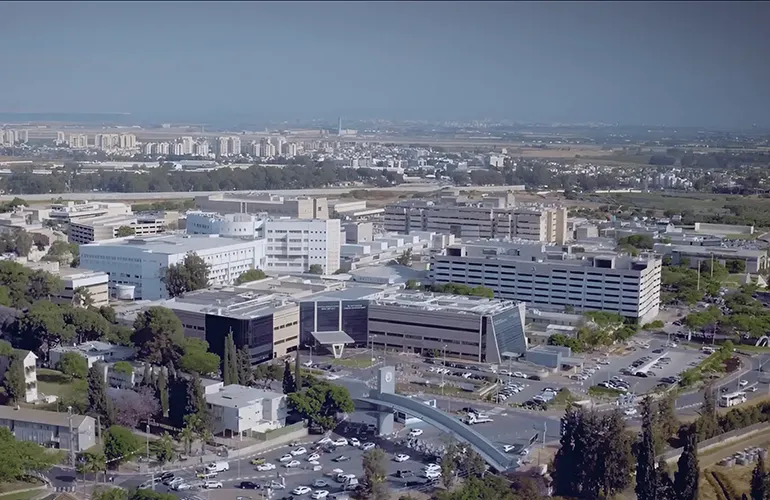
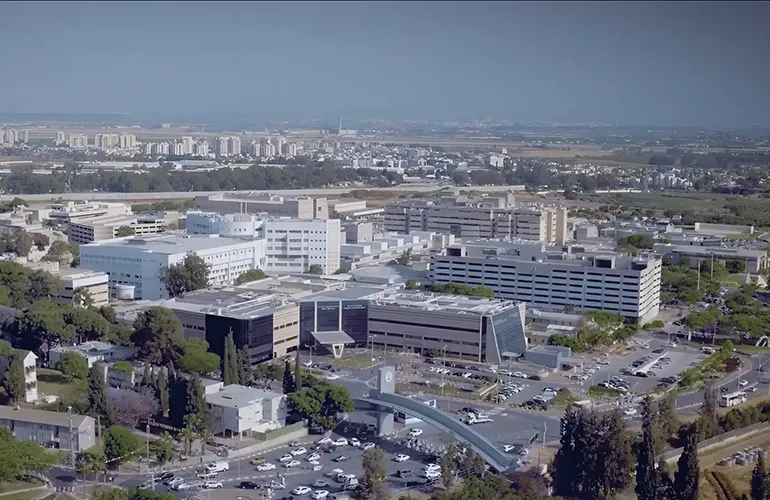
The landscape of global healthcare is undergoing a radical transformation as Sheba Medical Center, Israel’s largest hospital, officially becomes the first international medical institution to enter a strategic partnership with OpenAI. This collaboration marks a pivotal shift in how artificial intelligence is integrated into clinical, operational, and research workflows. By leveraging OpenAI’s advanced language models, Sheba aims to address the systemic challenges of clinician burnout and labor shortages, positioning itself as a blueprint for the "AI-powered hospital" of 2030.
A Strategic Alliance Born from Necessity
The partnership represents the culmination of a long-term vision fostered within Sheba’s ARC (Accelerate, Redesign, Collaborate) innovation arm. Unlike many U.S.-based institutions that rely on centralized electronic health record (EHR) vendors like Epic or Cerner, Sheba has cultivated a distinct, proprietary digital environment. This independence allowed the hospital to approach OpenAI directly, driven by the leadership of its 50-person-strong AI Center.
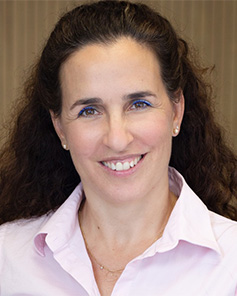
Ayelet Akselrod-Ballin, head and CTO of Sheba’s AI Center, notes that the impetus for this collaboration was not merely technical, but practical. The hospital recognized that to achieve its 2030 goal, it needed to go beyond simple automation; it needed to democratize AI, providing clinicians, researchers, and administrative staff with the ability to build and deploy their own AI-driven solutions. By integrating ChatGPT for Healthcare, the center plans to provide staff with a secure, versatile toolset that evolves alongside the hospital’s unique clinical requirements.
Chronology of Innovation at Sheba
Sheba’s path to this milestone has been paved by a series of successful pilot programs that established a high threshold for technical reliability and clinical safety.
- 2019-2021: The foundational period for Sheba’s AI center, focusing on radiology and diagnostic precision. Early research, including studies on AI-enhanced mammography, demonstrated the potential to significantly reduce false-negative rates in high-stakes imaging.
- 2022-2023: The launch of "SmartER," a generative AI platform for emergency departments. Developed in partnership with ScribeMD, this tool revolutionized patient intake by automating ambient documentation—listening to physician-patient interactions to generate structured clinical summaries.
- 2024: The introduction of "Project K," an AI-enabled emergency care environment featuring an AI avatar for patient triage. This initiative, developed with Microsoft Israel and KPMG, proved that AI could effectively manage the front-end of the patient experience.
- 2025-2026: The current phase, characterized by the formalization of the OpenAI partnership and the shift toward an "agentic" workflow architecture.
Addressing the Global Clinician Shortage
The necessity for this rapid technological shift is rooted in a worsening global demographic crisis. According to the Organization for Economic Cooperation and Development (OECD), Israel currently reports 3.5 practicing doctors per 1,000 people, a figure that lags behind the OECD average of 3.9. Globally, the situation is more acute; the World Health Organization (WHO) projects a deficit of nearly one million health workers in the European region by 2030. In the United States, the Association of American Medical Colleges (AAMC) warns of a potential shortage of up to 86,000 physicians by 2036.
For Sheba, AI is the primary mechanism to "do more with less." Akselrod-Ballin emphasizes that the crisis is not just about the absolute number of clinicians, but the efficiency of the care they provide. By offloading administrative burdens—such as documentation, note-taking, and information retrieval—to generative AI agents, the hospital aims to return time to the clinician. Clinical studies have supported this approach, with recent research showing that generative AI-assisted reporting can improve documentation efficiency by over 15% without compromising clinical accuracy.
Building the Guardrails: Governance and Policy
As Sheba pioneers the use of generative AI, it is effectively writing the "rulebook" for hospital-based AI governance in real-time. Integrating OpenAI into a clinical setting involves complex security and ethical considerations. The hospital’s approach is collaborative, with IT, security, and medical teams working in tandem to build the necessary monitoring and policy frameworks.
"We’re building the regulation, the guardrails, and the governance as we go," says Akselrod-Ballin. This internal development process is bolstered by Sheba’s membership in a vast network of 31 health systems and over 300 hospitals, providing a peer-reviewed ecosystem where successful policies can be shared and stress-tested. The hospital’s focus on "deep-tech" innovation—translating raw research into commercialized, FDA-cleared products—ensures that these tools are not just academic exercises but robust, scalable clinical assets.
The Shift to Agentic Workflows
The next frontier for Sheba is the transition from static AI models to "agentic" systems. Unlike traditional software, an agentic workflow involves multiple autonomous AI agents that can interact with one another, perform multi-step tasks, and adapt to different clinical environments.
For instance, the same infrastructure developed for an emergency department can be adapted for oncology or pediatric units. By mapping recurring problems across the hospital, the AI Center aims to create a "modular" system where components can be reused, significantly lowering the barrier to entry for new AI-driven applications. This includes potential applications in clinical trials, where AI agents could eventually automate patient selection, data aggregation, and compliance monitoring, potentially accelerating the drug discovery process by years.
Implications for the Future of Medicine
The implications of Sheba’s partnership extend far beyond the Israeli border. By demonstrating that large-scale, high-acuity medical centers can successfully implement frontier AI models, Sheba is setting a new industry standard.
Industry analysts observe that this partnership validates the "platform" approach to hospital AI. Instead of purchasing hundreds of siloed, point-solution applications, hospitals may increasingly look to build or adopt a central AI "brain" capable of managing diverse workflows. This could lead to a consolidation of the digital health market, where hospitals prioritize vendors that offer open, flexible, and agentic capabilities.
Furthermore, the focus on "self-service" AI—empowering non-technical clinical staff to create their own tools—could lead to a Cambrian explosion of specialized applications tailored to the specific needs of individual departments, from cardiology to surgical logistics.
Conclusion
Sheba Medical Center’s collaboration with OpenAI is a milestone in the digitalization of healthcare. By blending deep-tech research with a pragmatic, patient-centric focus, the hospital is navigating the transition from a traditional care facility to an intelligent, data-driven organization. As the healthcare industry faces a demographic wall of labor shortages and increasing complexity, the model being built in Tel HaShomer offers a glimpse into a future where AI is not just an add-on, but the underlying fabric of clinical excellence.
While the technology remains in its early stages, the rapid deployment of agentic workflows suggests that the timeline for AI-driven transformation is accelerating. As other health systems watch the rollout at Sheba, the question is no longer whether AI will transform hospitals, but how quickly those hospitals can adapt their culture, governance, and infrastructure to harness the power of these new, evolving tools. The "AI-powered hospital" of 2030 may arrive sooner than the current projections suggest, provided institutions follow Sheba’s lead in building resilient, scalable, and ethically-grounded AI architectures.