In a decisive regulatory move aimed at curbing the proliferation of high-potency, synthetic psychoactive substances, the U.S. Drug Enforcement Administration (DEA) has officially placed three synthetic alkaloids associated with the Mitragyna speciosa plant—mitragynine pseudoindoxyl, MGM-15, and MGM-16—into Schedule I of the Controlled Substances Act (CSA). The temporary scheduling order, which took effect on August 25, 2026, reflects growing federal concern over the emergence of semi-synthetic derivatives that exhibit opioid-like characteristics, including high abuse potential, physical dependence, and risks of respiratory depression.
This federal action represents a significant shift in how regulatory bodies are approaching the broader "kratom" market. While the move specifically targets synthetic iterations of the plant’s alkaloids, it underscores a wider effort to distinguish between traditional botanical kratom and modern, chemically altered versions of the plant’s compounds that have appeared in the commercial marketplace.
A Chronology of Regulatory Intervention
The path to this scheduling order began in earnest during the summer of 2026. On July 1, the DEA published two pivotal notices in the Federal Register, signaling its intent to exercise emergency scheduling authority. The first notice addressed three specific synthetic substances: mitragynine pseudoindoxyl, MGM-15, and MGM-16. A companion notice simultaneously sought to establish a regulatory threshold for 7-hydroxymitragynine (7-OH), a naturally occurring alkaloid in kratom that has been increasingly concentrated in consumer products.
Following a 30-day public comment period, during which the Office of the Assistant Secretary for Health (OASH) provided analysis to the Attorney General, the DEA finalized its determination. By August 25, 2026, the DEA concluded that these substances posed an "imminent hazard to public safety," thereby triggering the temporary Schedule I placement for an initial period of two years. This period may be extended for up to one additional year should the substances not be formally classified under a permanent scheduling framework or receive approval under the Federal Food, Drug, and Cosmetic Act (FD&C Act).
Understanding the Chemical Landscape
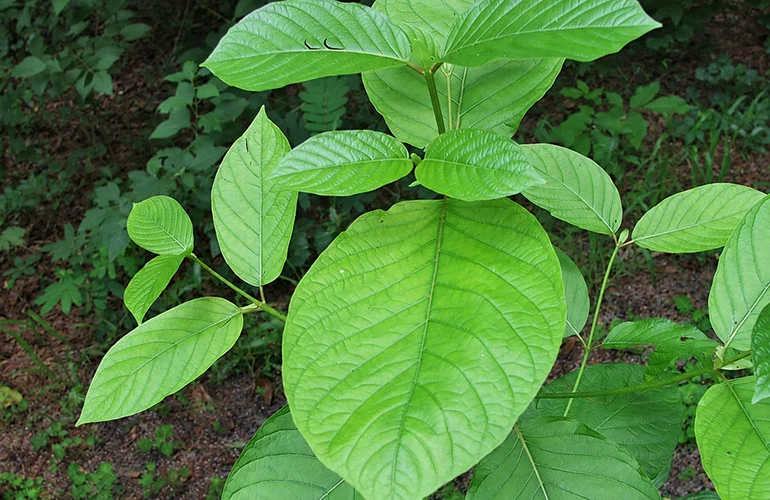
To understand the rationale behind the DEA’s decision, one must differentiate between the base plant Mitragyna speciosa and the synthetic derivatives now under federal control. Mitragynine and 7-OH are natural constituents of the kratom leaf. However, the market has seen an influx of products that utilize chemical rearrangement or synthesis to heighten the potency of these compounds.
Mitragynine pseudoindoxyl is a chemical rearrangement product of 7-OH. MGM-15 is a synthetic derivative, and MGM-16 is a 9-fluoro derivative of mitragynine pseudoindoxyl. According to the DEA’s technical assessment, these substances function as potent mu-opioid receptor (MOR) agonists. Preclinical data cited by the agency suggests that mitragynine pseudoindoxyl is approximately 100 times more potent than its natural precursor, mitragynine. Furthermore, MGM-15 and MGM-16 have been identified as possessing 50 to 240 times the potency of morphine.
These metrics of potency are at the heart of the agency’s "imminent hazard" determination. The DEA noted that these substances mimic the effects of traditional opioids, including the potential for severe physical dependence and fatal respiratory depression, without having any recognized medical utility in the United States.
The Scope of Abuse and Public Health Risk
The DEA’s justification for this action relies heavily on the "three-factor test" mandated by 21 U.S.C. § 811(c), which evaluates the history and current pattern of abuse, the scope and significance of that abuse, and the resulting risk to public health.
The agency observed a distinct evolution in the consumer market, shifting away from standard botanical leaf products toward highly processed, flavored, and standardized semi-synthetic substances. These products are often marketed through channels that use deceptive advertising, suggesting that the substances are safe, natural alternatives for stress relief, mental clarity, or mood enhancement. The ease of access—often sold in retail establishments without age restrictions—combined with "candy-like" marketing, such as fruity flavors and chewable formats, has contributed to a rapid expansion of the user base, with prevalence estimates reaching approximately 2 million users by 2022.
The rapid onset of effect, coupled with a duration lasting several hours, mirrors the pharmacological profiles of more traditional, regulated narcotics. Consequently, the DEA concluded that the uncontrolled availability of these substances presents an urgent public health crisis, necessitating immediate intervention to prevent further addiction and potential overdose events.
Regulatory and Legal Implications
The designation of these three substances as Schedule I means they are now categorized alongside drugs with the highest potential for abuse and no accepted medical use. For researchers, the transition to Schedule I status necessitates that all ongoing scientific work be conducted under a valid DEA Schedule I registration.
For the retail and manufacturing sectors, the implications are immediate and severe. Retailers are now prohibited from selling any products containing mitragynine pseudoindoxyl, MGM-15, or MGM-16. Furthermore, anyone currently in possession of these substances must surrender them to federal authorities unless they hold the appropriate licensure. The DEA has emphasized that these controls extend to all isomers, esters, ethers, and salts of the identified substances.
The agency also addressed the potential for future litigation or regulatory pushback, asserting that this temporary scheduling does not require the notice-and-comment procedures typically mandated by the Administrative Procedure Act (APA). The DEA maintains that the emergency nature of the scheduling—designed to address an imminent public safety threat—exempts it from standard rule-making delays.
The Ambiguity of 7-OH Thresholds
While the scheduling of the three specific synthetics is finalized, the status of 7-hydroxymitragynine (7-OH) remains a point of active debate. The DEA’s proposed rule seeks to control 7-OH when it appears in products above a specific threshold: 0.050% on a dry weight basis.
This proposal has introduced a significant legal question regarding the definition of "article" within the context of the CSA and the FD&C Act. As industry experts, such as Brian Malkin, have noted, the term "article" is not explicitly defined in the CSA. In the past, the FDA has interpreted "article" to refer to a "finished product" or a "unit dosage," while courts have occasionally offered more narrow interpretations. The lack of clarity surrounding this term creates a potential for regulatory uncertainty, as manufacturers struggle to determine whether the threshold applies to a single capsule, an entire bottle, or the raw botanical material itself.
In response, the Office of the Assistant Secretary for Health (OASH) has extended the public comment period regarding the 7-OH threshold to September 10, 2026. This move acknowledges the industry’s need for precision in defining how these botanical products will be evaluated under the law.
Looking Ahead: The Future of the Kratom Market
It is crucial to note that this federal intervention does not equate to a blanket ban on all kratom products. Botanical kratom that contains naturally occurring levels of mitragynine and 7-OH remains outside the current scope of this specific temporary scheduling order. However, the regulatory environment is clearly tightening.
Industry stakeholders, including manufacturers and distributors, are being forced to pivot. The era of "designer" kratom alkaloids appears to be drawing to a close as the DEA adopts a more aggressive stance toward compounds that chemically mimic scheduled narcotics. Businesses operating in this space are advised to conduct thorough chemical analysis of their product inventories to ensure they are not inadvertently distributing substances that fall under the new Schedule I designations.
For the scientific community, the requirement for Schedule I licenses will undoubtedly slow research into the potential therapeutic properties of these alkaloids. While this may hinder drug discovery efforts in the short term, the DEA argues that the safety risks associated with these substances outweigh the potential for unvetted research.
Ultimately, the events of August 2026 mark a turning point. The federal government has drawn a line in the sand between botanical products and laboratory-synthesized derivatives. As the OASH reviews comments on the 7-OH threshold, the broader industry must prepare for a future defined by increased oversight, standardized testing requirements, and a significantly diminished tolerance for substances that bridge the gap between supplement and synthetic opioid. Compliance, transparency, and a clear understanding of the evolving regulatory definitions will be the primary requirements for any entity seeking to navigate this complex and shifting legal landscape.