

In a significant stride toward the seamless integration of synthetic electronics and biological systems, a multidisciplinary team of engineers at Northwestern University has successfully developed printed artificial neurons that do more than merely mimic neural activity; they can directly communicate with and activate living brain cells. These flexible, cost-effective devices generate electrical signals that mirror the complexity and timing of biological impulses, offering a potential breakthrough in the fields of neuroprosthetics, brain-machine interfaces, and energy-efficient artificial intelligence. The research, published on April 15 in the journal Nature Nanotechnology, represents a shift from traditional silicon-based computing toward a "neuromorphic" approach that adopts the structural and functional principles of the human brain.
A New Frontier in Neural Interactivity
The primary challenge in neuro-electronic interfacing has long been the "language barrier" between rigid, high-speed silicon components and the soft, variable-speed environment of the biological brain. While previous attempts at creating artificial neurons have succeeded in generating simple electrical spikes, they often failed to match the precise temporal range and waveform shape required to trigger a response in living tissue. The Northwestern team, led by Mark C. Hersam and Vinod K. Sangwan, has overcome this hurdle by developing a device that operates within the specific "temporal window" of biological neurons.
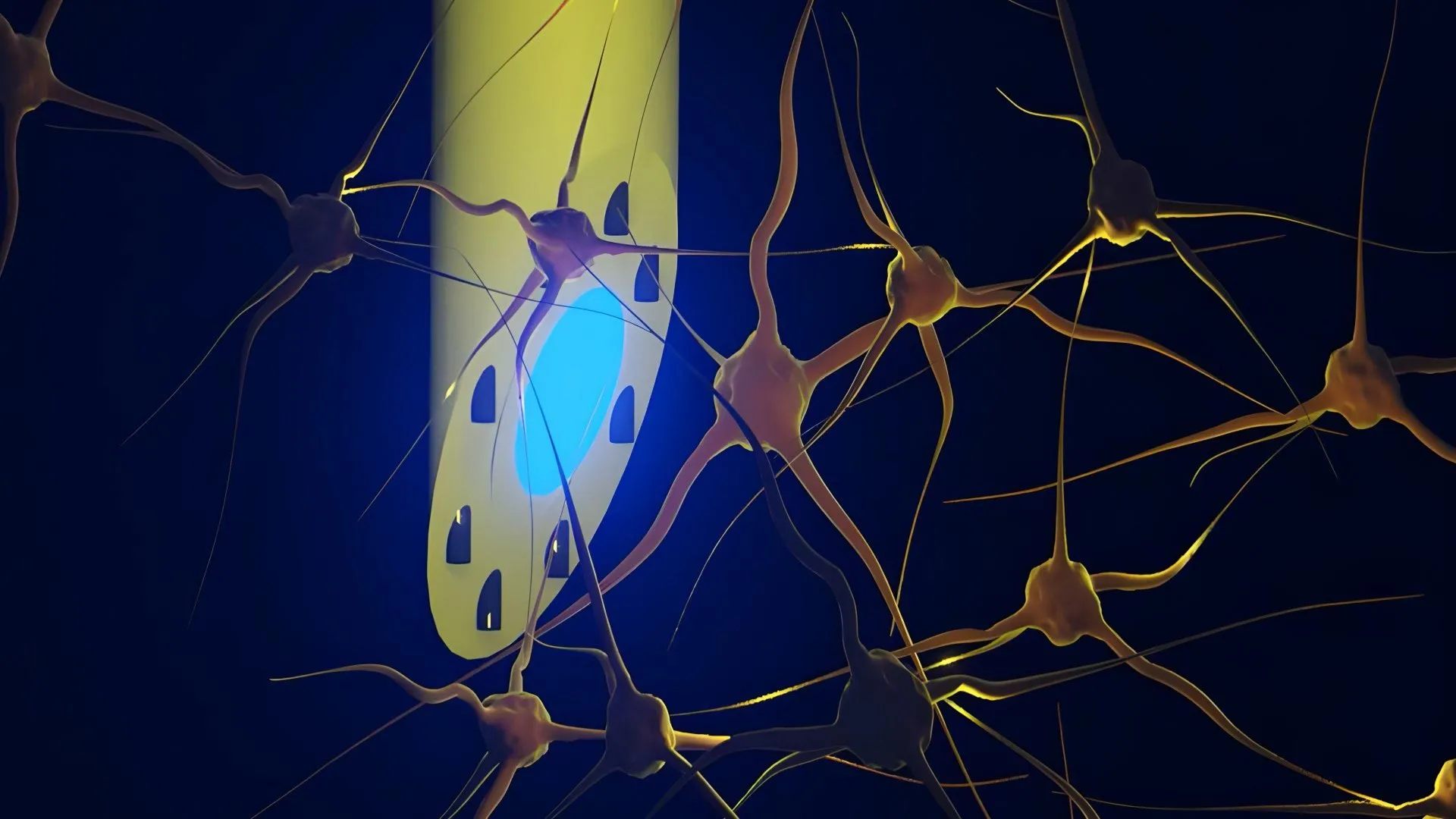
In landmark experiments, the researchers interfaced their artificial neurons with slices of mouse brain tissue. They observed that the synthetic devices were capable of triggering reliable responses in real neurons, essentially "talking" to the biological circuits in a way that the brain could understand. This compatibility suggests that the devices could eventually be used to bypass damaged neural pathways, potentially restoring functions such as sight, hearing, or motor control in patients with neurological impairments.
The Materials Science Behind the Breakthrough
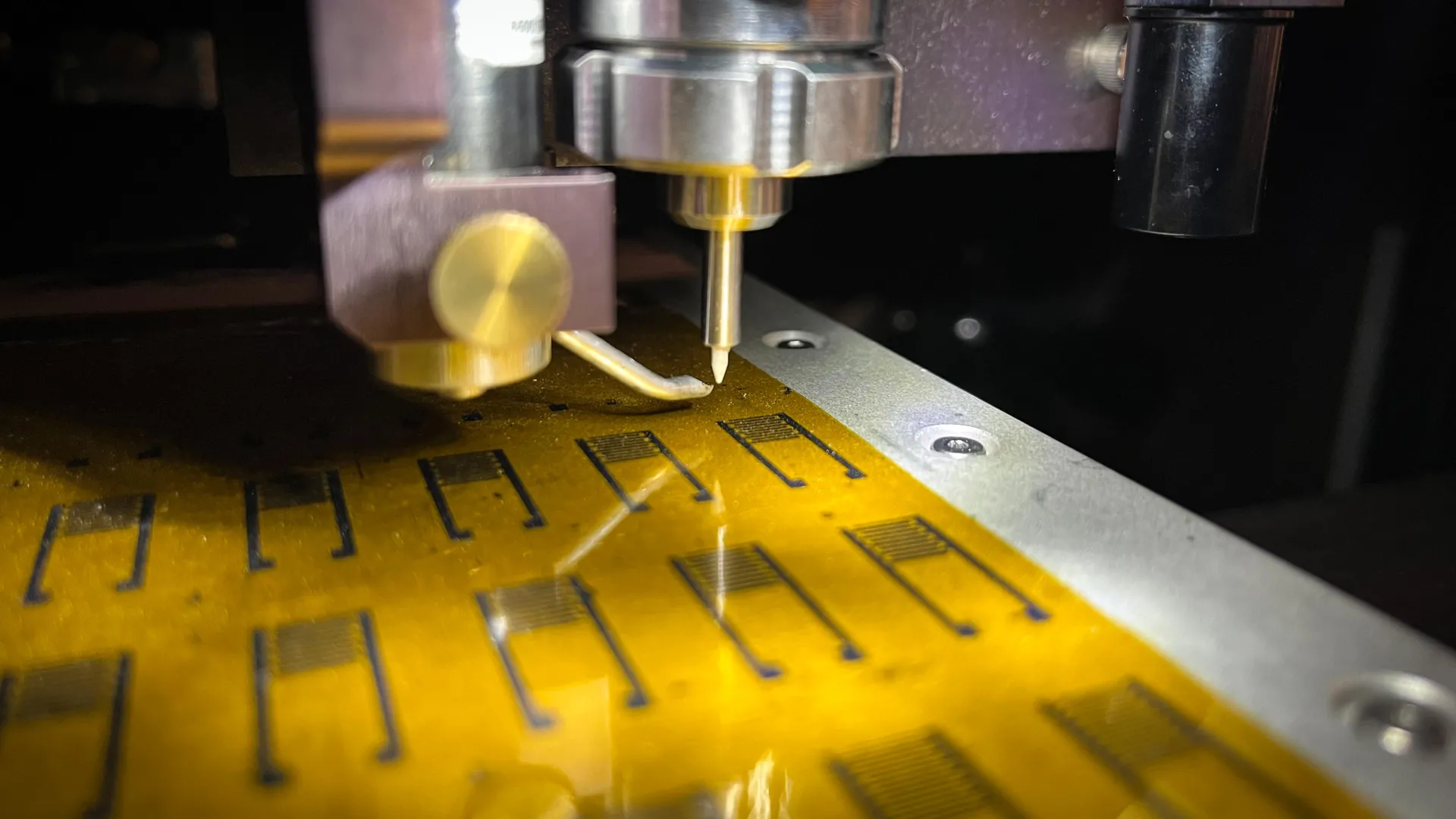
The core of this innovation lies in the use of advanced 2D materials and a unique manufacturing process. Unlike traditional chips, which are etched into rigid silicon wafers, these artificial neurons are created using aerosol jet printing. This additive manufacturing technique allows for the precise deposition of electronic inks onto flexible, polymer-based surfaces.
The researchers utilized two primary materials: molybdenum disulfide (MoS2) and graphene. Molybdenum disulfide, a transition metal dichalcogenide, acts as a two-dimensional semiconductor, while graphene serves as a highly efficient electrical conductor. These materials are processed into nanoscale flakes and suspended in a specialized ink containing a polymer binder.
Historically, the presence of polymers in electronic inks was considered a hindrance to performance, and engineers went to great lengths to remove them. However, the Northwestern team turned this perceived flaw into a functional advantage. By only partially decomposing the polymer through the application of electrical current, they created a dynamic environment within the device. As current passes through, it drives further localized decomposition, forming conductive filaments. This process—known as memristive behavior—causes the current to constrict into a narrow spatial region, resulting in a sudden, sharp electrical discharge that mimics the "firing" of a biological neuron.
Overcoming the Limitations of Traditional Silicon
The development of these printed neurons comes at a critical time for the computing industry. For decades, Moore’s Law has driven the industry to pack more transistors onto silicon chips to increase performance. However, this approach is reaching physical and economic limits. Silicon-based systems are inherently rigid, two-dimensional, and "homogeneous," meaning every transistor is designed to be identical and fixed in its function once manufactured.
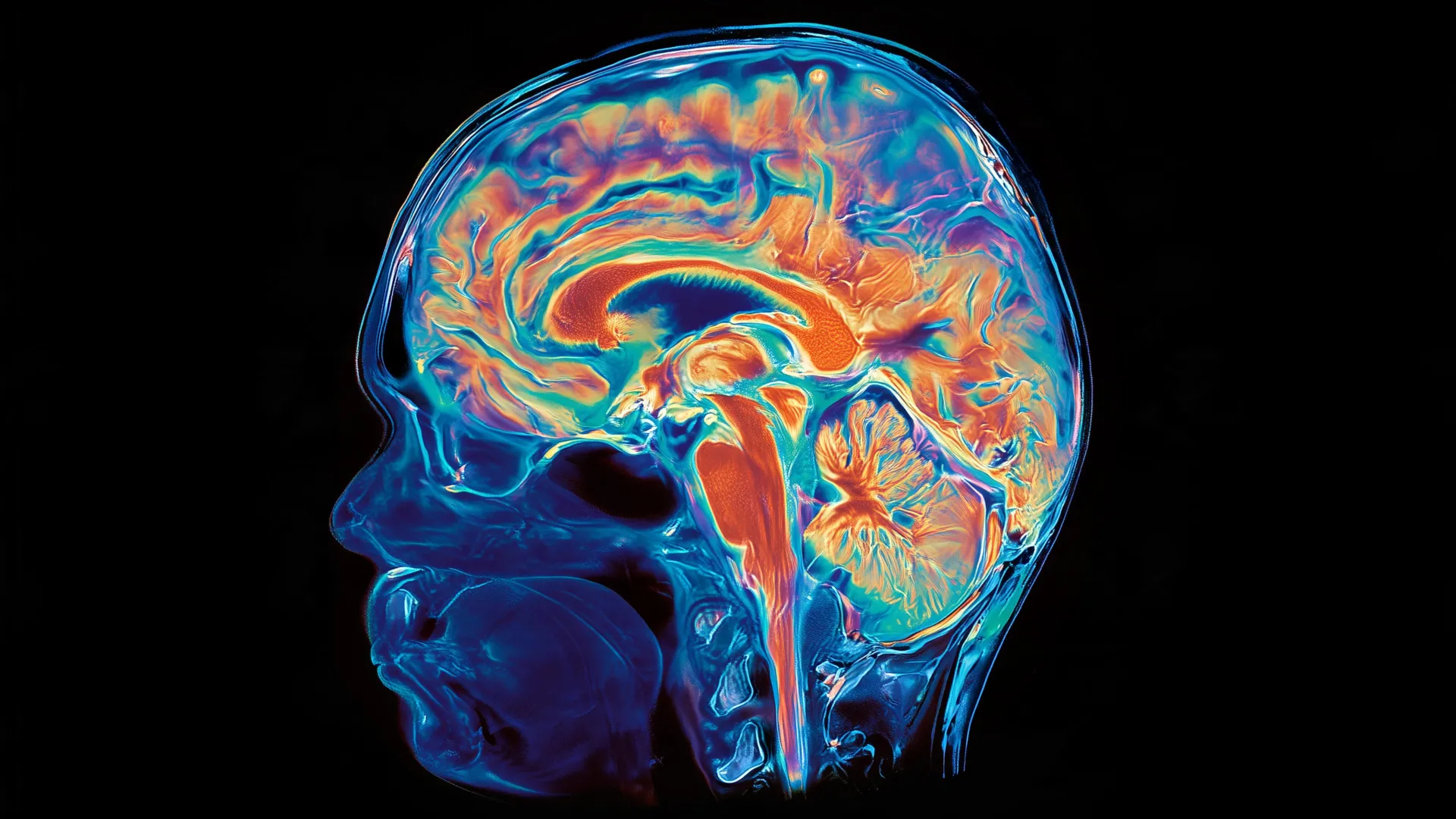
In contrast, the human brain is heterogeneous and dynamic. It consists of a diverse array of neurons with specialized roles, organized in a soft, three-dimensional matrix. These biological networks are capable of "plasticity"—the ability to change and adapt connections based on experience and learning.
"Silicon achieves complexity by having billions of identical devices," explained Mark C. Hersam, the Walter P. Murphy Professor of Materials Science and Engineering at Northwestern’s McCormick School of Engineering. "Everything is the same, rigid and fixed once it’s fabricated. The brain is the opposite. It’s heterogeneous, dynamic and three-dimensional. To move in that direction, we need new materials and new ways to build electronics."
By utilizing printable materials that can produce complex signals—such as single spikes, continuous firing, and bursts—the Northwestern team has reduced the number of components needed to perform sophisticated tasks. A single printed neuron in this system can replicate behaviors that would require a massive network of traditional transistors, significantly increasing the efficiency of the hardware.
Addressing the AI Energy Crisis
One of the most pressing motivations for this research is the escalating energy demand of modern artificial intelligence. Current AI models, such as Large Language Models (LLMs), require massive amounts of data and computational power for training and inference. This has led to the construction of "gigawatt-scale" data centers that place an immense strain on global energy grids and water supplies used for cooling.
Hersam noted that the brain is approximately five orders of magnitude more energy-efficient than a digital computer. "The way you make AI smarter is by training it on more and more data," Hersam said. "This data-intensive training leads to a massive power-consumption problem. Therefore, we have to come up with more efficient hardware to handle big data and AI. It makes sense to look to the brain for inspiration for next-generation computing."
The ability of these artificial neurons to process information using biological principles could pave the way for "neuromorphic" computers. These systems would theoretically consume a fraction of the power used by today’s GPU-heavy data centers, potentially solving the scalability issues currently facing the AI industry.
Experimental Validation and Biological Synergy
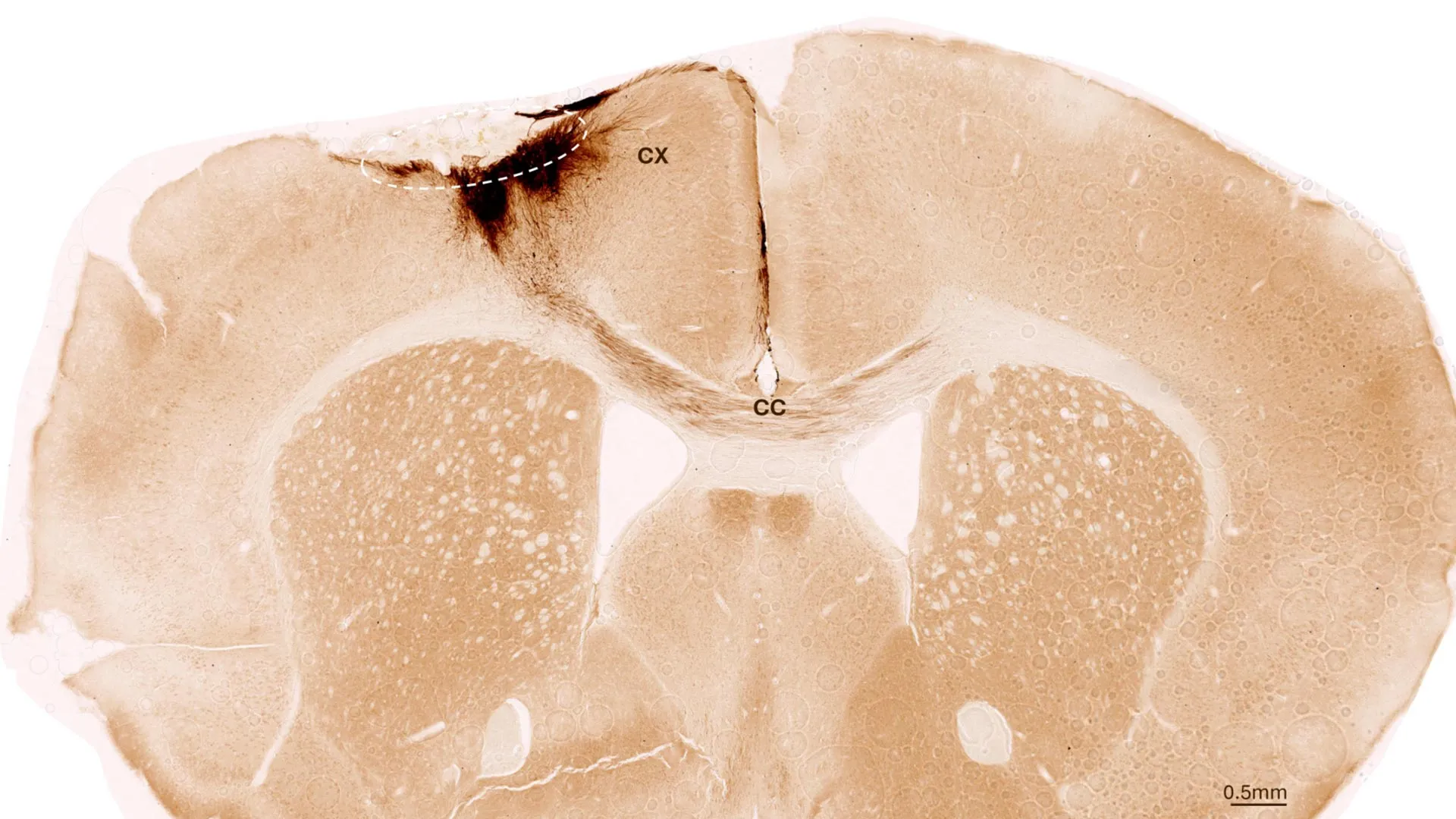
To prove the efficacy of the artificial neurons, the engineering team collaborated with Indira M. Raman, a renowned professor of neurobiology at Northwestern’s Weinberg College of Arts and Sciences. Raman’s lab specializes in the electrophysiology of the cerebellum, a region of the brain vital for motor control and sensory perception.
The researchers applied the signals generated by the printed devices to mouse cerebellar slices. The results were definitive: the artificial spikes possessed the correct timing, duration, and shape to activate the biological neural circuits. Previous attempts by other laboratories often resulted in signals that were either too slow (typical of organic materials) or too fast (typical of metal oxides). By finding the "Goldilocks zone" of temporal fidelity, the Northwestern team demonstrated a level of biological synergy that had previously been unattainable.
This success is attributed to the "multi-order complexity" of the MoS2 memristive networks. Because the devices can be tuned to produce various spiking patterns, they can be customized to interface with different types of biological neurons, each of which may have its own specific "firing" signature.
Sustainable Manufacturing and Economic Implications
Beyond the technological and medical implications, the research highlights a more sustainable path for electronics manufacturing. Traditional semiconductor fabrication is a resource-intensive process involving toxic chemicals, high temperatures, and significant waste. In contrast, aerosol jet printing is an additive process that places material only where it is required, drastically reducing material waste.
Furthermore, the materials used—graphene and molybdenum disulfide—are increasingly accessible and can be printed onto a variety of substrates, including flexible polymers that are biocompatible. This low-cost, high-yield manufacturing approach could democratize access to advanced neural interfaces and high-efficiency computing hardware.
Future Outlook: Toward Bio-Hybrid Systems
The study, titled "Multi-order complexity spiking neurons enabled by printed MoS2 memristive nanosheet networks," was supported by the National Science Foundation. As the researchers look forward, the next steps involve scaling these individual artificial neurons into larger, more complex networks.
The ultimate goal is to create bio-hybrid systems where synthetic and biological components work in tandem. In the medical field, this could lead to "smart" prosthetics that provide sensory feedback to the user, or brain implants that can detect and counteract the onset of epileptic seizures or tremors associated with Parkinson’s disease.
In the realm of computing, the success of these printed neurons provides a blueprint for a future where hardware is as adaptable as the software it runs. By moving away from the rigid constraints of silicon and embracing the fluid, efficient architecture of the brain, the Northwestern team has opened a new chapter in the evolution of technology—one where the line between the machine and the mind continues to blur.














Leave a Reply