The landscape of public health has long grappled with the rapid evolution of consumer nicotine products, particularly the meteoric rise of electronic cigarettes among younger demographics and women of childbearing age. As the societal narrative surrounding vaping has shifted from a presumed harmless cessation aid to an independent public health concern, researchers have intensified their scrutiny of the thousands of chemical additives that define the vaping experience. Among these, flavoring agents—long utilized in the food industry under the assumption of safe ingestion—are now facing rigorous toxicological evaluation when inhaled or introduced to sensitive biological environments. A landmark study published on August 12 in the peer-reviewed journal Human Reproduction has added a critical and alarming dimension to this discourse, identifying vanillin, a ubiquitous e-cigarette flavoring chemical, as a potential disruptor of normal embryonic development. Led by a team of molecular and cellular biologists at the University of California, Riverside, the research offers a plausible, scientifically grounded mechanism for the previously epidemiological correlations observed between vaping, clinical difficulties in achieving pregnancy, and elevated rates of spontaneous miscarriage.
The investigation, conducted within controlled laboratory environments utilizing human embryonic stem cells, bridges a significant knowledge gap in reproductive toxicology. While public health messaging has increasingly cautioned against the use of tobacco and nicotine products during pregnancy, the specific chemical constituents responsible for adverse prenatal outcomes have remained largely obscure to both consumers and regulatory bodies. By isolating vanillin and observing its direct cellular interactions, the UC Riverside research team has illuminated how specific aerosolized additives may compromise the foundational stages of human development long before a pregnancy is clinically confirmed.
Methodological Framework and the Role of TRPV4
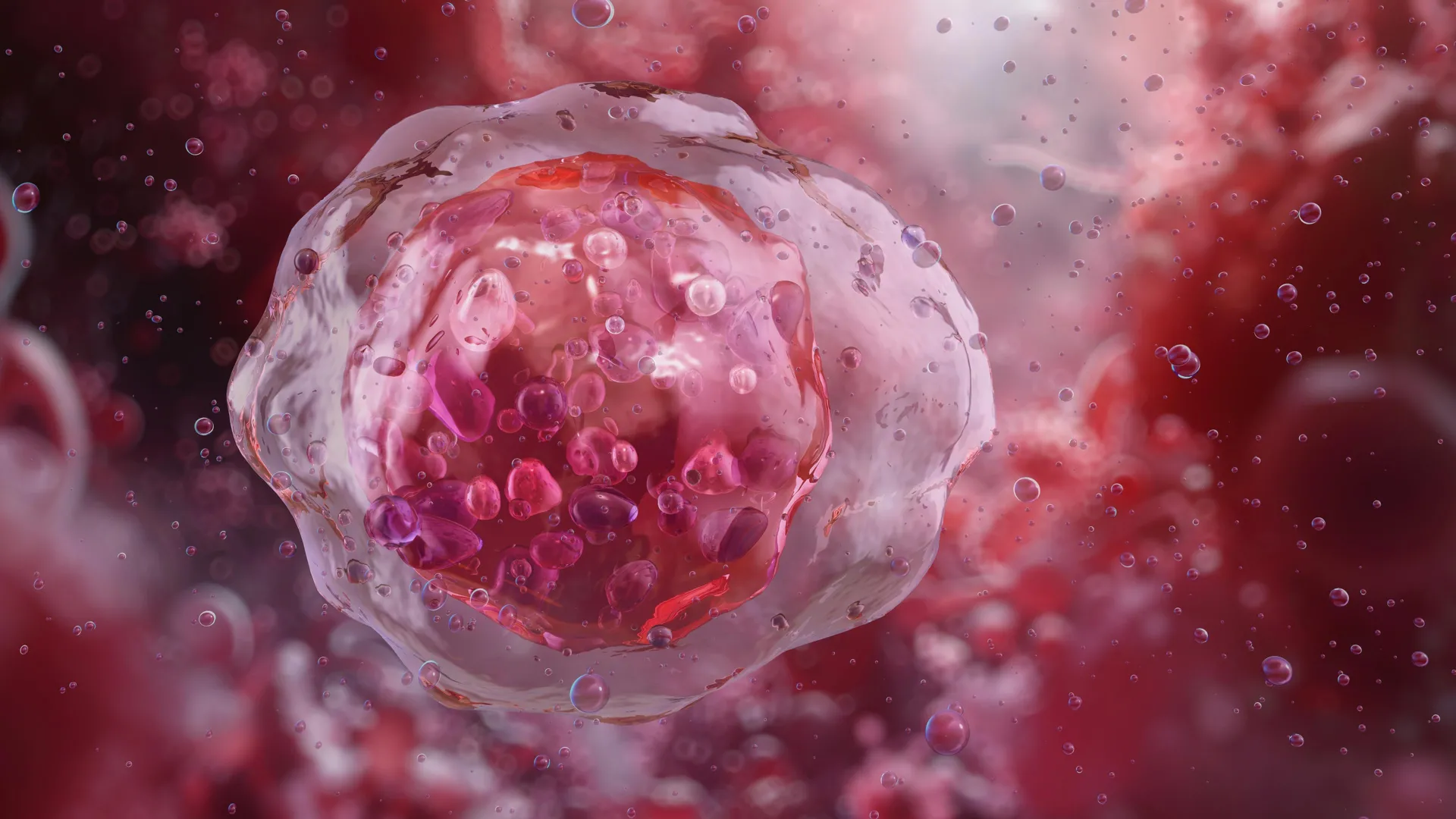
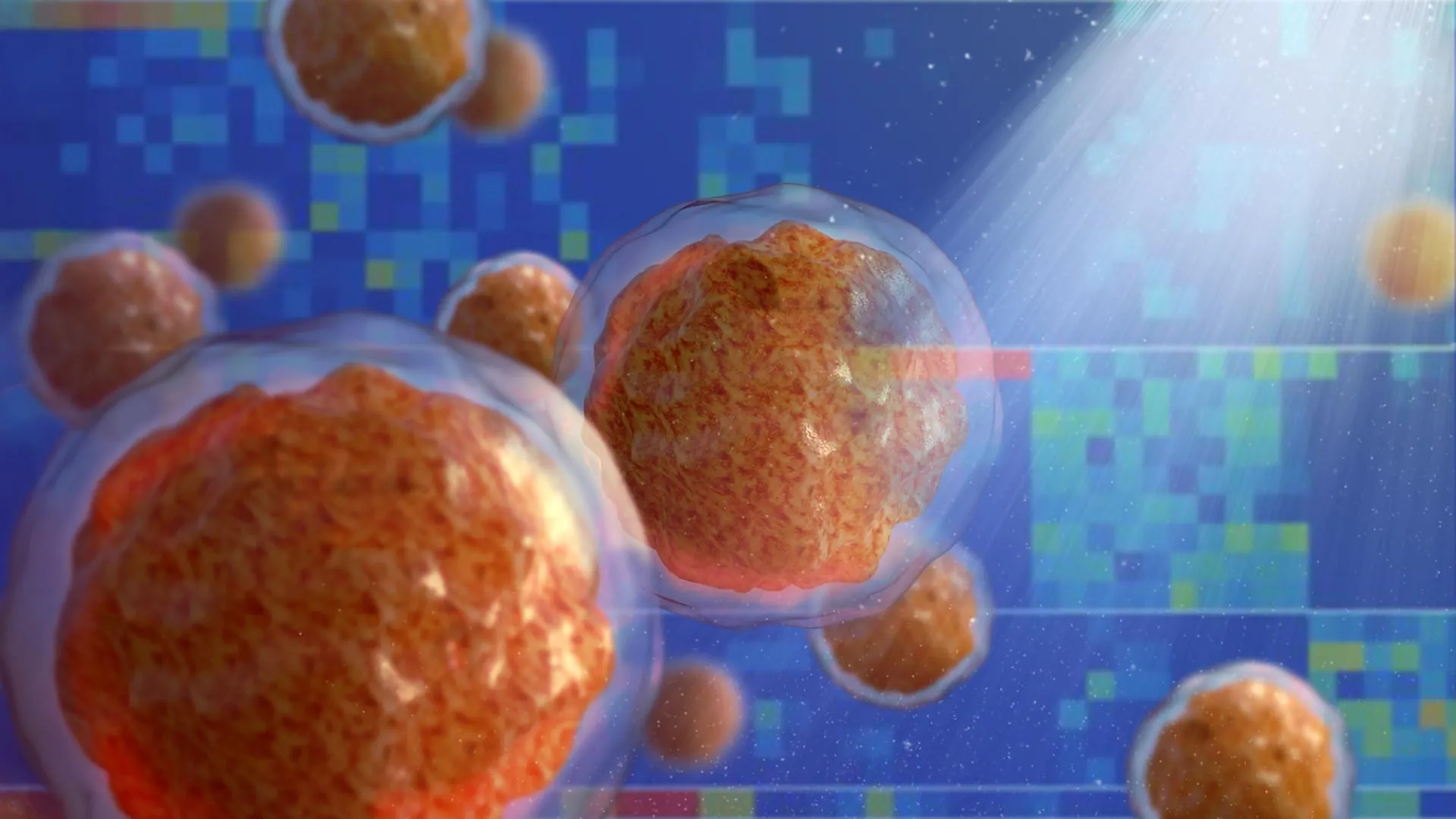
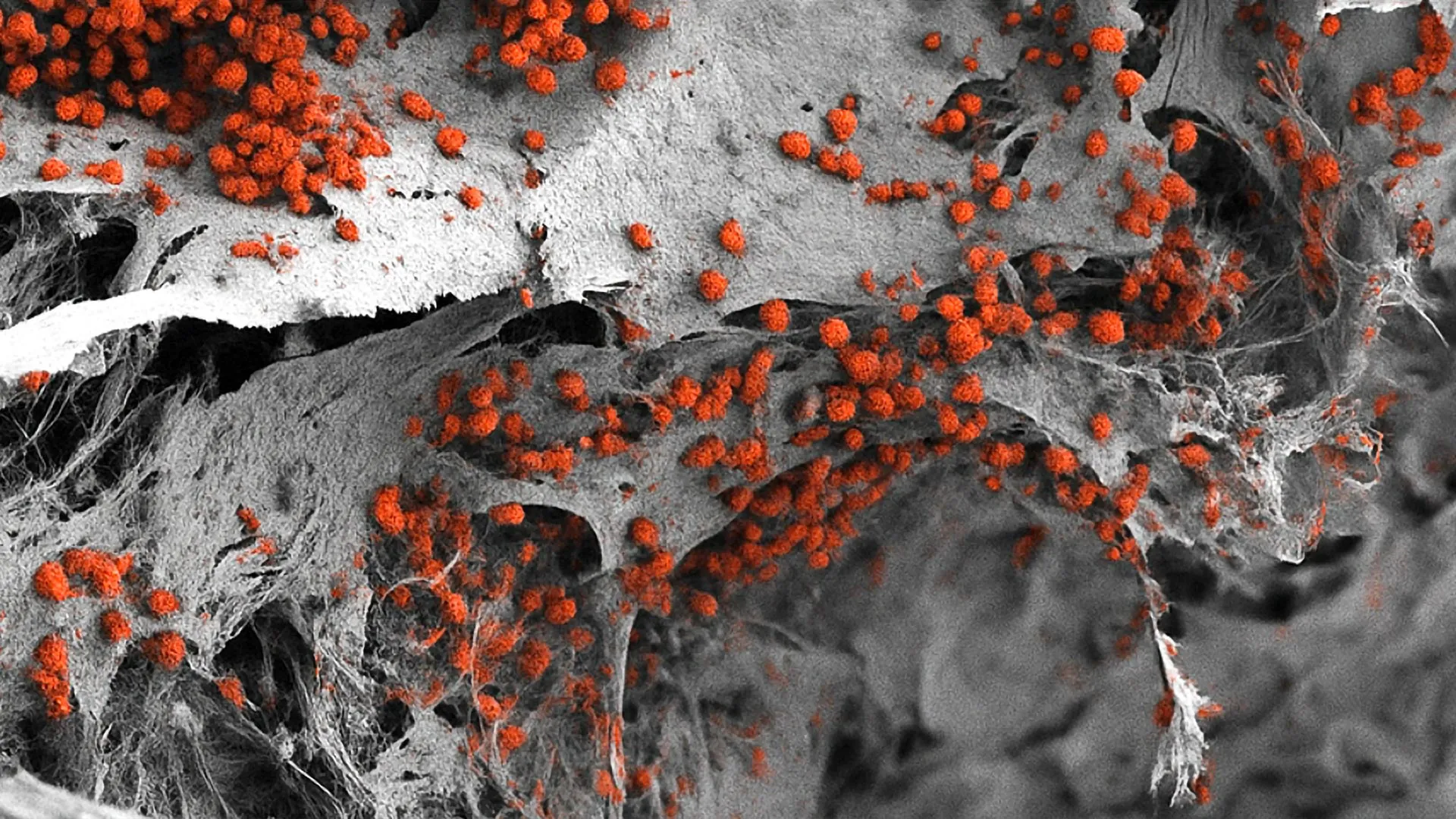
To evaluate the biological impacts of e-cigarette aerosols on early prenatal life, the research team, spearheaded by distinguished Professor Prue Talbot alongside stem cell biologist and computational scientist Shabnam Etemadi, bypassed traditional in vivo animal models in favor of human embryonic stem cells. These laboratory-cultured cells serve as a reliable proxy for human embryos at approximately three weeks of post-fertilization development—a crucial window during which the blueprint of the human body plan is established. The authors explicitly note the inherent limitations of their study, emphasizing that because the work was performed in vitro, it does not definitively prove that identical cellular damage occurs within the bodies of pregnant women or developing fetuses. Nevertheless, the findings provide a compelling theoretical and mechanistic foundation that warrants immediate precautionary measures.
The focus on vanillin was not arbitrary. E-cigarette liquids frequently incorporate flavoring chemicals at extraordinarily high concentrations to mask the harshness of nicotine and propylene glycol base mixtures. Vanillin, prized for its sweet, warm, and comforting aromatic profile, is a staple in the formulation of countless dessert- and fruit-flavored vaping products. Furthermore, the researchers possessed crucial prior knowledge regarding the physiological makeup of embryonic cells: these cells prominently feature a specific cellular surface receptor known as the transient receptor potential vanilloid 4, or TRPV4, channel.
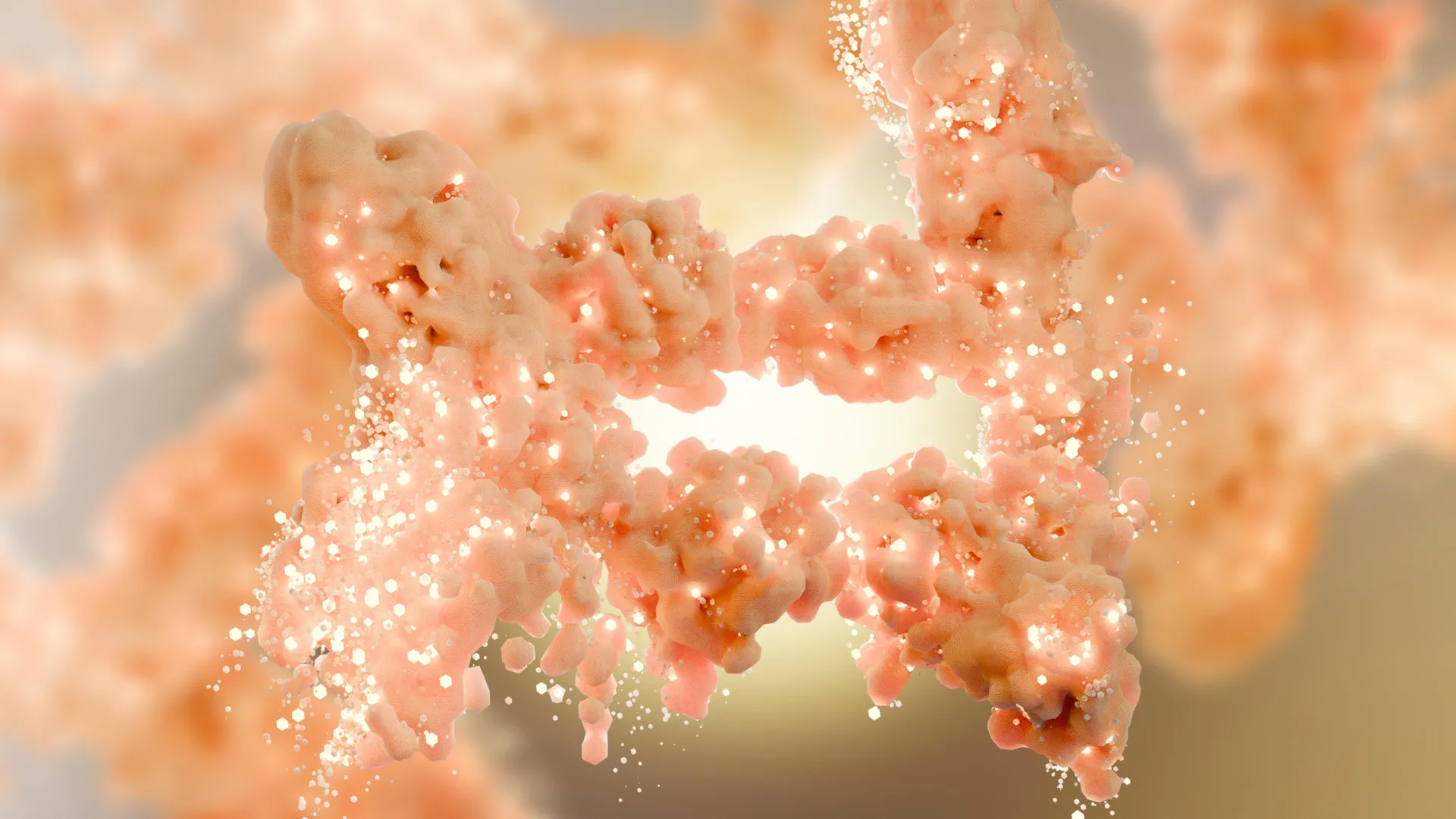
TRPV4 is a calcium-permeable ion channel widely expressed in various human tissues, known to play fundamental roles in sensing osmotic pressure, temperature, and mechanical stress, as well as regulating cellular differentiation and embryonic development. Dr. Talbot and her colleagues hypothesized that vanillin molecules would readily bind to these TRPV4 receptors on embryonic stem cells, triggering a cascade of intracellular signaling events. To test this hypothesis, the researchers exposed human embryonic stem cells to a gradient of vanillin concentrations, ranging from nanomolar (low, environmentally relevant exposure levels) to micromolar (high) concentrations. Additionally, the experimental design incorporated TRPV4 antagonists and specialized blocking antibodies to definitively establish whether the observed cellular changes were mediated through this specific channel pathway.
Disruption of Pluripotency and Cellular Fate
The results of the controlled exposures revealed profound disruptions in the developmental trajectory of the stem cells. Under normal physiological conditions, human embryonic stem cells are characterized by their pluripotency—the extraordinary capacity to differentiate into virtually any cell type comprising the adult human body. This developmental plasticity allows them to systematically give rise to the three primary germ layers during gastrulation: the endoderm, the ectoderm, and the mesoderm. Each of these germ layers is absolute in its necessity; the ectoderm forms the nervous system and skin, the mesoderm gives rise to the musculoskeletal and circulatory systems, and the endoderm develops into the epithelial linings of the respiratory and gastrointestinal tracts.
The study demonstrated that high, micromolar concentrations of vanillin proved overtly cytotoxic, leading to widespread cell death among the stem cell populations. More insidiously, exposure to nanomolar concentrations—levels the researchers predict are capable of reaching the developing embryo in pregnant women who vape—did not immediately kill the cells. Instead, these low concentrations induced a catastrophic loss of pluripotency.
Rather than differentiating into a balanced array of cell types, the vanillin-exposed stem cells were driven down a singular, aberrant pathway, differentiating prematurely into endodermal tissue while failing to generate ectoderm or mesoderm lineages. The implications of such a developmental derailment are severe. An embryo that fails to form the ectoderm cannot successfully initiate the development of a functional nervous system, while the absence of a proper mesodermal layer prevents the formation of vital muscular and connective tissues.
Crucially, when the researchers administered TRPV4 antagonists or blocking antibodies alongside the vanillin, these inhibitory agents successfully prevented the cellular damage and forced differentiation. This pharmacological rescue confirmed that the TRPV4 channel acts as the primary molecular gateway through which vanillin exerts its teratogenic-like effects, setting off a rapid influx of intracellular calcium ions that permanently alter the genetic and structural programming of the developing embryo.
Background Context and Chronology of Tobacco Product Regulations
The findings from UC Riverside arrive amid a decades-long evolution in tobacco and nicotine regulation, characterized by a persistent lag in legislative oversight relative to the pace of technological innovation in the consumer market. Electronic cigarettes entered the global market in the mid-2000s, initially promoted as a safer, smoke-free alternative for combustible cigarette smokers. For years, regulatory frameworks in the United States and internationally treated e-cigarettes primarily as adult cessation tools, exempting many flavor additives from the stringent pre-market safety reviews required of pharmaceutical drugs or traditional food additives intended for inhalation.
As vaping prevalence surged among adolescents and young adults through the 2010s, public health agencies began documenting unexpected health outcomes. Epidemiological studies increasingly linked e-cigarette use among women of reproductive age to adverse pregnancy outcomes, including reduced fecundity, intrauterine growth restriction, and an elevated incidence of spontaneous miscarriages. Despite these statistical correlations, establishing a direct causal link remained elusive due to the complex chemical composition of e-liquids, which can contain hundreds of unlisted or proprietary chemical flavorings, humectants, and thermal degradation products generated by the heating coils.
The timeline of research from Dr. Talbot’s laboratory at UC Riverside reflects a systematic effort to deconstruct this chemical mixture. Prior to the August 2024 publication on vanillin, the research group published seminal findings regarding menthol, another widely utilized flavoring agent in both combustible and electronic nicotine delivery systems. That research linked menthol exposure directly to the pathogenesis of human respiratory diseases. Building upon that foundation, the current focus on vanillin represents a broader, ongoing initiative to evaluate individual high-volume flavorants. Looking forward, the UCR team is actively investigating WS-23, a synthetic cooling agent frequently deployed in modern disposable vapes, to determine its parallel impacts on cellular differentiation and embryonic integrity.
Regulatory Implications and the Call for Ingredient Transparency
The release of the UC Riverside study has intensified calls from the scientific community for sweeping reforms in how e-cigarette products are regulated, marketed, and labeled. Unlike the food, beverage, and cosmetic industries—where ingredient lists are mandated by law to protect consumer safety—the e-cigarette sector has historically operated with a high degree of proprietary opacity. Manufacturers are rarely required to disclose the full chemical inventory of their flavoring solutions on product packaging, leaving consumers largely unaware of the complex cocktails of organic compounds they are inhaling.
Dr. Talbot and her co-researchers argue that this lack of transparency poses a direct threat to maternal and fetal health. Because prenatal stages of development represent the most sensitive windows of vulnerability to environmental toxins, exposing pregnant individuals to unrecognized chemical agents undermines basic principles of informed consent in healthcare. The researchers emphasize that public health messaging must be updated to explicitly advise women against vaping during pregnancy, particularly those individuals struggling with fertility challenges or a history of recurrent miscarriages.
Furthermore, the study challenges traditional regulatory paradigms, which have historically established safety thresholds based exclusively on the physiological tolerances of healthy adult populations. The data illustrating that nanomolar concentrations of vanillin can disrupt human stem cell pluripotency underscore the necessity of establishing multi-generational and developmental safety standards. Regulatory bodies such as the U.S. Food and Drug Administration (FDA) and international equivalents are being urged to consider prenatal and embryological endpoints when evaluating the pre-market tobacco product applications (PMTAs) submitted by manufacturers. Requiring comprehensive ingredient disclosure on packaging is framed not merely as a consumer right, but as an urgent public health imperative to protect unborn generations from unseen chemical hazards.
Broader Economic and Public Health Impact
The societal costs associated with adverse reproductive outcomes—including preterm birth, congenital anomalies, and developmental disabilities—are immense, both in terms of human suffering and long-term healthcare expenditures. As vaping rates among young women remain stubbornly high, understanding the full toxicological profile of flavor chemicals transcends academic interest, directly influencing clinical guidelines and obstetric care practices worldwide.
Medical professionals and obstetricians are increasingly encountering patients who perceive electronic cigarettes as benign or "clean" alternatives to traditional tobacco, driven by pervasive marketing campaigns that emphasize fruity flavors and sleek, modern designs. The UC Riverside study provides clinicians with robust, mechanistic data to counter these misconceptions during prenatal counseling sessions. By demonstrating that common flavoring agents are not biologically inert when interacting with human embryonic tissues, the research equips healthcare providers with concrete evidence to advocate for complete abstinence from all vaping products during conception and gestation.
In conclusion, while the UC Riverside investigation calls for further in vivo validation and long-term exposure assessments to quantify the cumulative risks of chronic vaping, its immediate contribution to reproductive toxicology is profound. By identifying vanillin as a direct antagonist of normal embryonic development via the TRPV4 receptor pathway, the study transforms abstract epidemiological concerns into a clear, biochemical reality. As regulatory agencies weigh future policy decisions regarding flavor bans and packaging transparency, the findings serve as a sobering reminder that the full biological toll of the vaping epidemic may extend far beyond the pulmonary system, quietly compromising the foundational stages of human life itself.