Memory decline, the thinning of the skin, and the gradual erosion of bone density have long been treated as disparate symptoms of the aging process, managed by different specialists and distinct pharmacological approaches. However, cutting-edge research centered on the hypothalamus—the brain’s master regulator—is beginning to weave these disparate threads into a single, cohesive biological narrative. At the center of this discovery is a protein known as Menin, which acts as a crucial sentinel for brain health and, by extension, the physiological integrity of the entire body.
The Hypothalamic Control Center
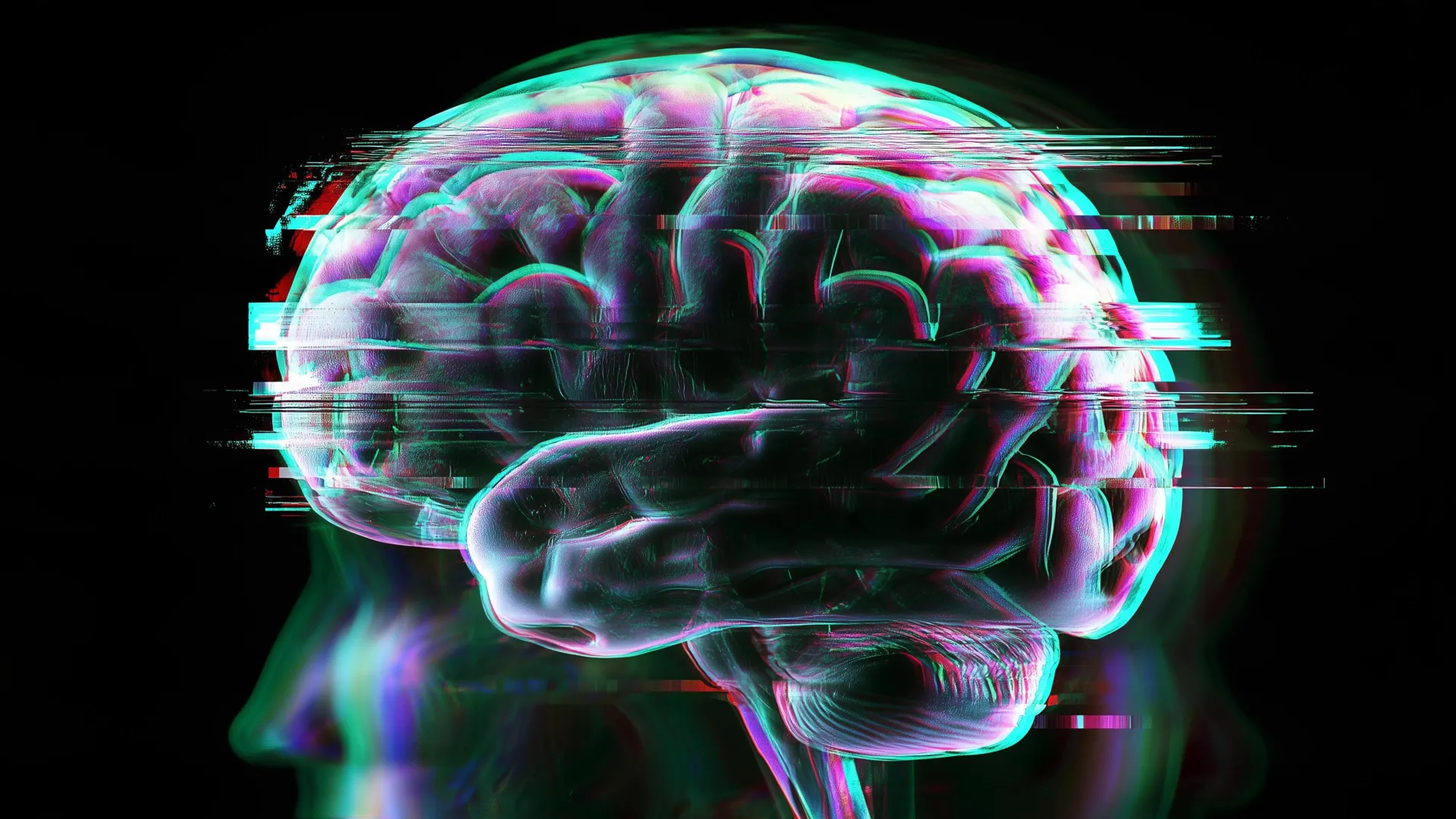
The hypothalamus is a complex structure, roughly the size of an almond, situated at the base of the brain. It serves as the command center for the endocrine system and the autonomic nervous system, regulating metabolism, body temperature, circadian rhythms, and the body’s inflammatory response. For years, gerontologists have hypothesized that if a "master clock" or "central control unit" for aging exists, it likely resides within this region.
Recent investigations, spearheaded by Lige Leng and her team at Xiamen University, have identified that the decline of Menin expression within the ventromedial hypothalamus (VMH) serves as a biological trigger for systemic aging. When Menin levels drop, the protective buffering against neuroinflammation is lost, setting off a cascade of cellular decay that extends far beyond the blood-brain barrier.
Chronology of the Menin Discovery
The scientific path to understanding Menin began well before the landmark 2023 publication in PLOS Biology. The timeline of discovery follows a rigorous progression:
- Pre-2023: Early observations suggested that inflammatory signaling in the hypothalamus correlates with age-related metabolic shifts.
- March 16, 2023: The landmark study published in PLOS Biology provided the first causal link between Menin reduction and systemic aging phenotypes in mouse models.
- March 2024: Research in the Journal of Physiology and Biochemistry expanded the scope, showing how the compound itaconate could stabilize Menin in hippocampal cells, offering a potential molecular mechanism for protection.
- January 2025: A massive mapping project published in Nature by the Allen Institute for Brain Science analyzed 1.2 million cells, pinpointing the area around the hypothalamus’s third ventricle as a "hotspot" for age-related gene expression changes.
- April 2025 – September 2026: Subsequent studies in Cellular and Molecular Life Sciences and the Journal of Alzheimer’s Disease added nuance, demonstrating that while serine metabolism is critical, the biological response to supplements like D-serine is highly context-dependent, particularly in Alzheimer’s-like models.
Mechanistic Insights: The D-Serine Pathway
One of the most compelling aspects of the Menin research is its connection to D-serine, a D-amino acid that functions as a co-agonist for NMDA receptors. These receptors are the physiological "gatekeepers" of synaptic plasticity, the process by which neurons strengthen or weaken their connections to store information.
Leng’s team discovered that Menin directly regulates the enzyme responsible for synthesizing D-serine. As Menin levels fall, D-serine production wanes, leading to "synaptic silence" in key memory-forming circuits. While this suggests a potential therapeutic avenue, the biochemistry is fraught with complexity. L-serine, the common dietary amino acid found in soybeans, eggs, and nuts, is not a simple substitute for the D-serine involved in neural signaling. The body’s ability to convert L-serine to D-serine is strictly regulated by enzymes that themselves decline or become dysregulated with age.
Experimental Evidence and Data
The experimental model used by the Xiamen University team was highly specific: they utilized conditional knockout mice, allowing them to selectively deplete Menin. The results were stark. Younger mice subjected to Menin depletion displayed:
- A measurable increase in hypothalamic inflammatory markers.
- A statistically significant reduction in cortical bone mineral density.
- Observable dermal thinning, mimicking the aging of human skin.
- Cognitive deficits in spatial navigation and memory tasks.
Conversely, when the researchers utilized viral vectors to restore Menin expression in the hypothalamus of 20-month-old mice—the equivalent of late-middle age—the reversal of symptoms was notable. Within 30 days, the mice exhibited increased bone mass, thicker dermis, and a recovery in cognitive performance. Perhaps most striking was the extension of lifespan, suggesting that the hypothalamus does not merely react to aging but actively orchestrates it.
The Nuance of Supplementation
The excitement surrounding the potential for D-serine as a "cognitive booster" has been tempered by recent findings. In 2025, researchers noted that in specific models of Alzheimer’s disease, an excess of D-serine was actually associated with excitatory toxicity and signaling disruption. This finding serves as a cautionary tale: biological pathways are rarely linear.
While a 2016 study of 50 healthy older adults hinted at mild improvements in navigation tasks using D-serine, these results were not replicated across broader cognitive domains, nor did they address the risks of long-term supplementation. The medical community maintains that while targeting serine metabolism is a high-value research target, it is premature to suggest that off-the-shelf supplements can replicate the complex regulatory functions of Menin.
Broader Implications for Geriatric Medicine
The paradigm shift proposed by this research suggests that systemic aging—the frailty, the memory loss, and the metabolic slowing—may be a "top-down" process. If the hypothalamus acts as a central coordinator, then future therapeutic interventions might not need to address every organ system individually. Instead, "resetting" the hypothalamic signaling environment could provide a systemic defense against the hallmarks of biological aging.
This aligns with a growing body of research, including the 2024 Cell Metabolism study from Washington University, which identified distinct neural clusters in the hypothalamus that communicate directly with adipose (fat) tissue to influence energy expenditure and longevity. The convergence of these findings suggests that the brain is not an isolated organ, but an active participant in the physical decline of the body.
Analyzing the Limitations
It is essential for the public and the scientific community to maintain a clear distinction between experimental data and clinical application. The Menin research is a "proof-of-concept" study. There are three critical hurdles that remain before this could reach human trials:
- The Trigger Mechanism: We know Menin declines, but we do not know the upstream trigger. Is it genetic, environmental, or a byproduct of accumulated metabolic stress?
- Tissue Specificity: Delivering a protein or gene therapy to the hypothalamus requires extreme precision. The hypothalamus is deeply buried in the brain, and current methods of targeted delivery in humans are invasive and experimental.
- Safety and Toxicity: The long-term consequences of modulating hypothalamic protein expression are unknown. Because the hypothalamus controls critical life-sustaining functions, any intervention must be highly controlled to avoid inducing endocrine crises or autonomic instability.
Future Outlook
The research into Menin and hypothalamic signaling represents a transition from descriptive gerontology—simply observing that the body declines—to mechanistic gerontology, where we attempt to understand the "switches" that govern that decline. While we are years away from any therapeutic application, the identification of Menin provides a concrete target for future drug discovery.
As the global population ages, the search for treatments that extend "healthspan"—the period of life spent in good health—rather than just lifespan, has become a priority. The hypothalamus, once considered a silent master of internal homeostasis, is now being recognized as a dynamic, fragile, and potentially modifiable center of the aging experience. Whether Menin serves as the primary "aging switch" or merely one of many, it has undeniably opened a new, evidence-based chapter in the quest to understand the biology of time itself. For now, the scientific community treats the pathway as a frontier for exploration, urging caution against the over-interpretation of preliminary findings as a panacea for the inevitable complexities of human aging.