A groundbreaking study led by researchers at the Centre for Addiction and Mental Health (CAMH) has provided the most compelling biological evidence to date that long COVID—a debilitating condition affecting millions globally—is fundamentally linked to structural damage in the brain’s dopamine-releasing neurons. Published in the journal eBioMedicine, these findings offer a potential physiological explanation for the persistent fatigue, cognitive impairment, and lack of motivation that have confounded clinicians since the onset of the pandemic. By utilizing advanced positron emission tomography (PET) imaging, scientists have identified a measurable reduction in the density of dopamine nerve terminals within the striatum, a region of the brain critical for regulating motivation, motor control, and executive function.
The Scope of the Long COVID Crisis
Long COVID, medically categorized as Post-Acute Sequelae of SARS-CoV-2 (PASC), is estimated to affect approximately five percent of the global population. In Canada alone, roughly two million individuals are grappling with a complex array of symptoms that persist for at least three months following an initial SARS-CoV-2 infection. The condition is characterized by its heterogeneity; patients frequently report a “brain fog” that impedes daily productivity, debilitating fatigue that does not resolve with rest, memory deficits, and a profound loss of interest in previously rewarding activities.
For years, the medical community has struggled to classify these symptoms, as routine diagnostic tests—such as standard MRIs or blood work—often return normal results. This lack of objective biomarkers has led to frustration among patients and skepticism in some clinical settings. The CAMH research marks a pivotal shift from viewing long COVID as a purely functional or psychological syndrome to recognizing it as a systemic, organic neurological injury.
Chronology of the Investigation
The trajectory of this research began shortly after the pandemic’s initial waves, as clinicians noted a recurring pattern of neurological sequelae in recovering patients. Early investigations focused on neuroinflammation, the brain’s immune response to systemic infection. In previous work, Dr. Jeffrey Meyer, the senior author of the current study and a Senior Scientist at the Brain Health Imaging Centre, established that patients with long COVID exhibited significant neuroinflammation, particularly in regions dense with dopamine neurons.
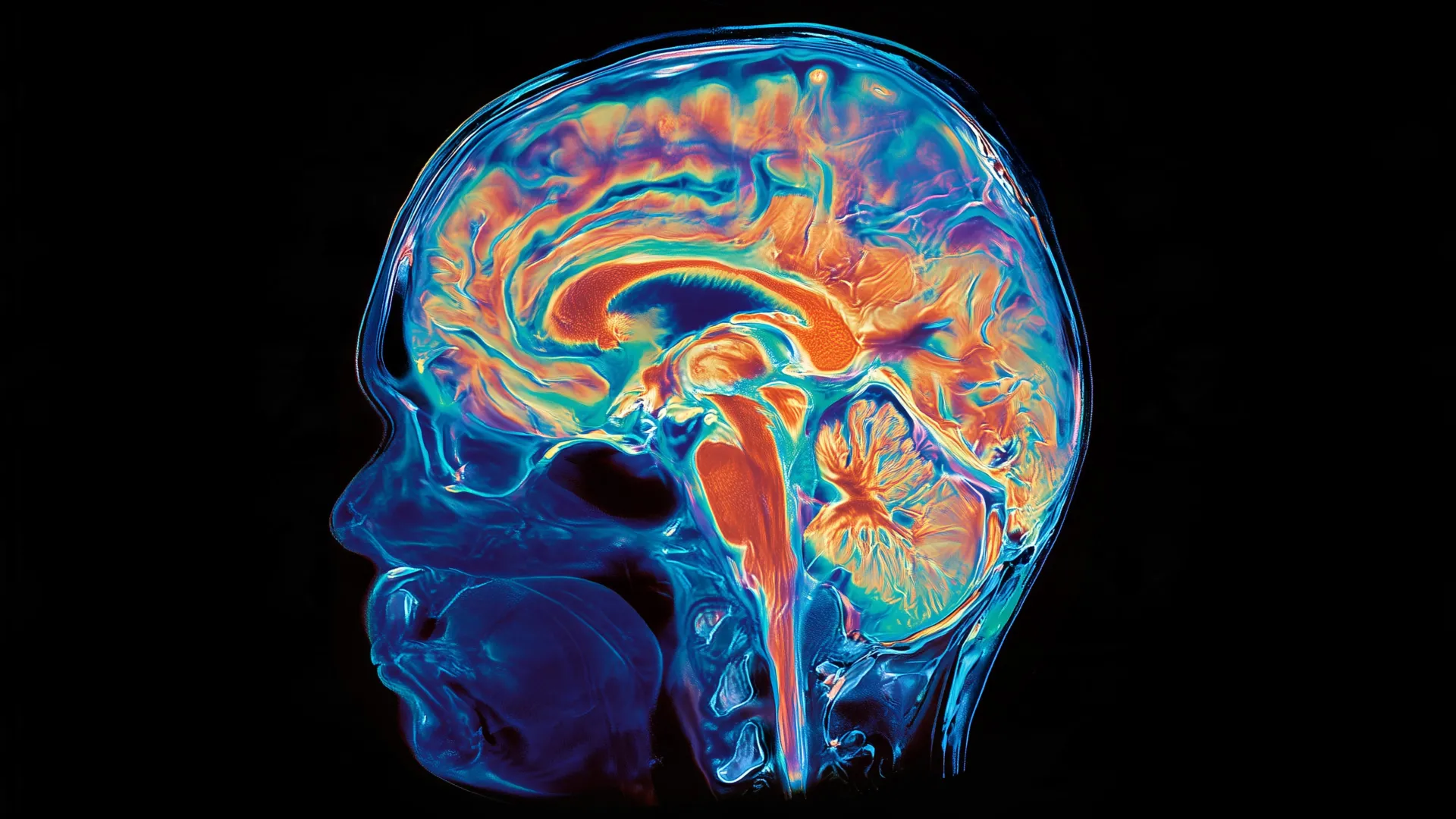
The current study represents the logical next step: determining whether that inflammation resulted in permanent or semi-permanent cellular degradation. By using PET scans to target a specific biological marker indicative of dopamine nerve terminal health, the researchers were able to quantify the integrity of these neurons in long COVID patients compared to a healthy control group. The data collection occurred over an extended period, allowing for a rigorous comparative analysis that directly correlated the reduction of these markers with the severity of the participants’ clinical symptoms.
Understanding the Dopamine System and Cognitive Deficits
The dopamine system acts as the brain’s primary reward and motivation processor. When these neurons are compromised, the consequences are predictable and severe. The study’s findings established distinct correlations between the location of neural damage and the patient’s specific symptom profile:
- The Ventral Striatum: Reductions in markers here were directly associated with a lack of motivation, often described by patients as an inability to initiate tasks or feel satisfaction from daily accomplishments.
- The Dorsal Putamen: Damage in this region correlated with motor slowing, or psychomotor retardation, where patients find physical movement to be slower or more labored than before their infection.
- The Caudate Putamen: Losses here were linked to memory difficulties and executive dysfunction, mirroring the cognitive decline often seen in other neurodegenerative conditions.
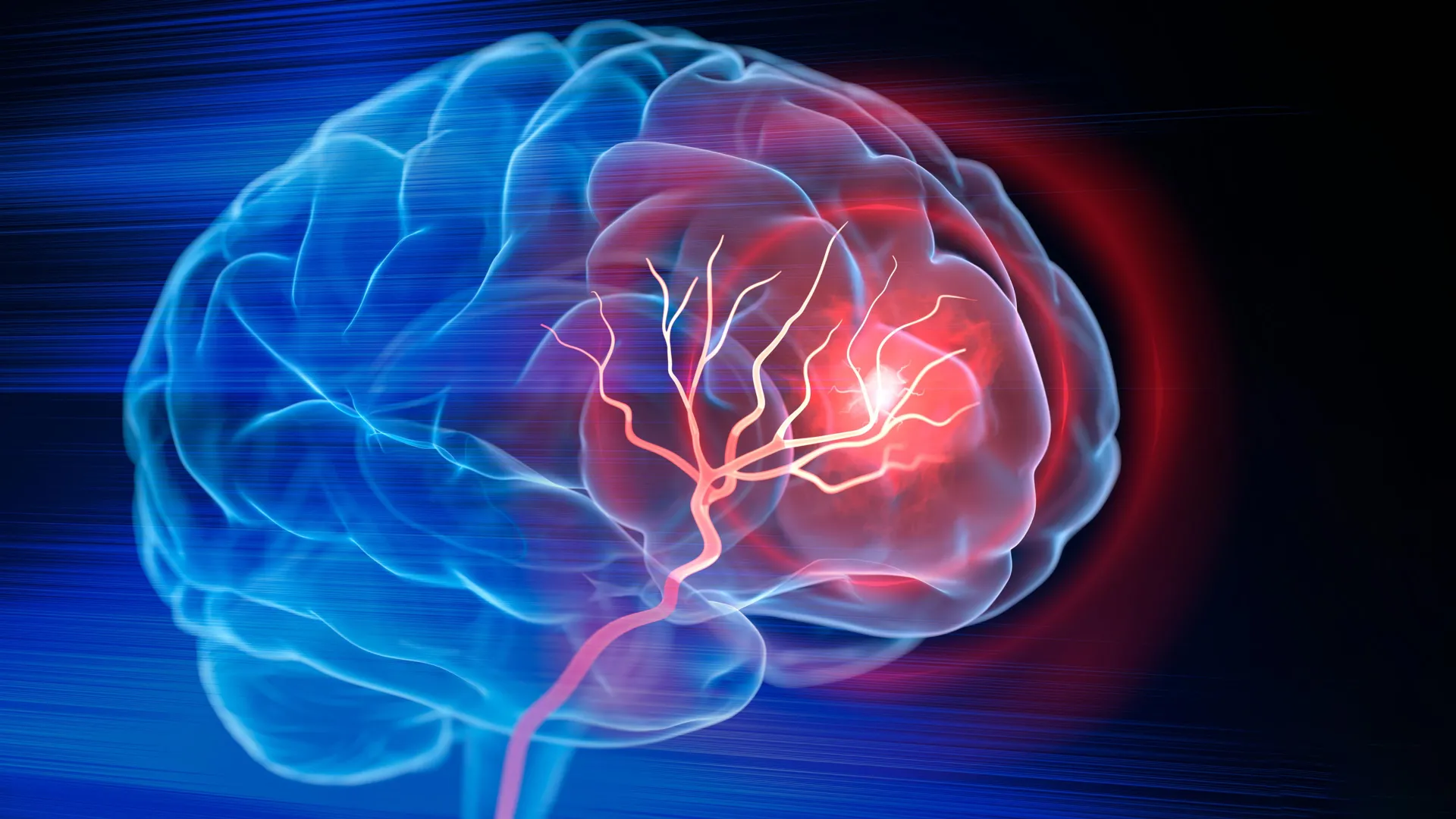
Dr. Meyer notes that the evidence is compelling: the physiological injury observed in the brain matches the clinical presentation of the patient. This suggests that the “brain fog” of long COVID is not merely a psychological byproduct of illness but a structural change in how the brain manages essential neurochemical signaling.
Analysis of Implications for Treatment
The discovery that the dopamine system is a primary site of injury opens an entirely new frontier for pharmacological intervention. Historically, long COVID treatment trials have focused heavily on anti-inflammatory agents or immune-modulating drugs. While these remain relevant, the CAMH findings suggest that the focus should expand to include dopamine-restoration therapies.
Potential treatment strategies could involve the repurposing of existing medications designed to augment dopamine function. This includes the use of dopamine precursors, which assist the brain in synthesizing more of the neurotransmitter, and inhibitors of dopamine metabolism, which prevent the premature breakdown of dopamine in the synaptic cleft. Because these classes of drugs are already approved for conditions like Parkinson’s disease and certain depressive disorders, the regulatory path for testing their efficacy in long COVID patients may be significantly faster than that of developing novel compounds from scratch.
Patient Advocacy and the Search for Validation
For individuals living with the aftermath of COVID-19, this research provides a long-awaited sense of validation. Susan Deuville, a lived experience research advisor who participated in the study, described her journey as a five-year struggle to find answers for a life-altering decline in health. Her testimony highlights the psychological toll of suffering from a condition that is often invisible to conventional medicine. The ability to point to a PET scan and identify a physical deficit serves as a powerful counter-narrative to the stigma sometimes associated with chronic post-viral syndromes.
Future Directions: A Collaborative Clinical Trial
The researchers at CAMH, in collaboration with the University Health Network (UHN), are not stopping at observation. They are moving into a translational phase, with a clinical trial scheduled to commence within the next few months. This trial will be specifically designed to test whether interventions targeting the dopamine system can reverse or mitigate the symptoms of long COVID.
The study is part of a larger institutional strategy at CAMH and UHN to bridge the gap between mental and physical healthcare, recognizing that the brain and the body are not separate entities, especially in the context of viral-induced systemic illness. Funding for this research was provided by the Canadian Institutes of Health Research (CIHR), reflecting a broader national commitment to addressing the long-term health consequences of the pandemic.
Conclusion and Broader Impact
The findings published in eBioMedicine represent a landmark moment in the study of post-viral syndromes. By linking neuroinflammation to the tangible loss of dopamine-releasing neurons, researchers have moved the conversation from speculation to structural evidence. While further clinical trials are necessary to prove the efficacy of dopamine-based treatments, the roadmap is now clearer than it has ever been.
As society continues to navigate the long-term impact of COVID-19, this research underscores the necessity of sustained investment in neurological health. The shift toward identifying biological markers—not just for long COVID, but for all post-viral conditions—is essential for developing targeted, effective therapies that can restore the quality of life for millions of people currently trapped in the debilitating cycle of chronic illness. The promise of the upcoming clinical trial offers a glimmer of hope that the symptoms which have defined the last few years for many may eventually be managed, treated, or even reversed through precise neurological intervention.