A collaborative international research team has unveiled a sophisticated new neural interface device that promises to fundamentally alter how scientists observe and interact with the human brain. Known as the microfluidic Axialtrode (mAxialtrode), this needle-thin, multi-functional probe represents a significant leap forward from the rigid, single-point electrodes that have defined neuroscientific research for decades. By integrating light-delivery, electrical recording, and fluid-based medication delivery into a single, flexible fiber, the device allows for unprecedented mapping of neural circuitry, with potential future applications for treating chronic conditions like epilepsy and Parkinson’s disease.
The findings, recently published in the journal Advanced Science, detail a device that addresses the "rigidity problem"—the tendency of traditional, stiff silicon probes to cause long-term inflammation and scarring in sensitive brain tissue. Developed by researchers at the Technical University of Denmark (DTU), the University of Copenhagen, and University College London, the mAxialtrode has already demonstrated successful performance in in vivo trials, marking a critical milestone in the development of next-generation neuro-prosthetics.
The Technological Evolution of Neural Probes
To understand the significance of the mAxialtrode, it is necessary to examine the limitations of current neurological tools. For years, the gold standard in optogenetics and electrophysiology has been the optical fiber or the silicon shank. While effective at targeting specific brain regions, these conventional tools are inherently limited by their geometry. A standard optical fiber is essentially a single-point device; it emits light and records electrical signals only at its distal tip, or "nose."
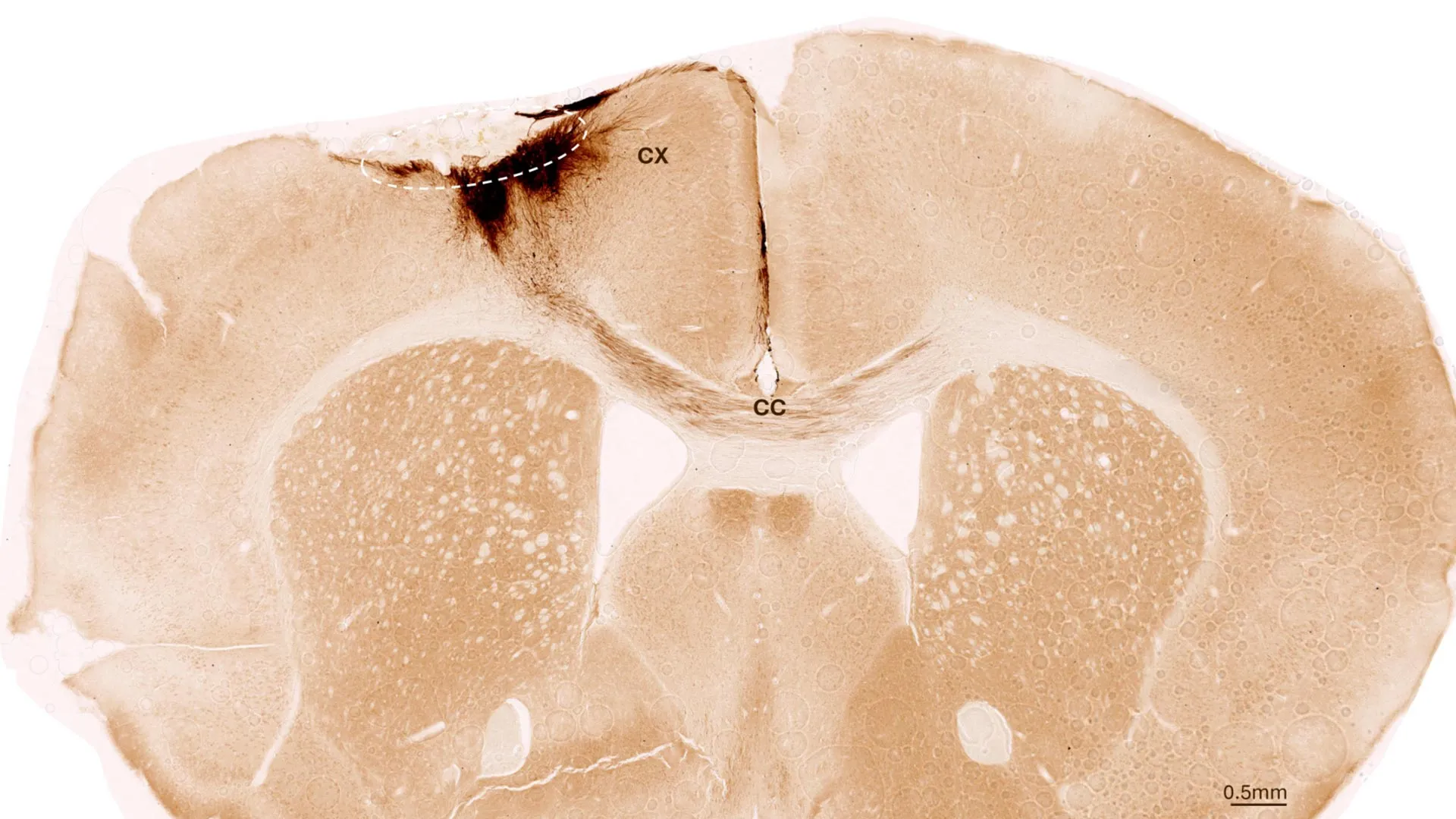
This architecture forces researchers to make a difficult trade-off: they must either accept a limited field of view or perform "multi-shank" implantations, where several probes are inserted into the brain simultaneously. Multiple insertions exponentially increase the risk of tissue trauma, bleeding, and the glial scarring response—a biological defense mechanism where the brain encapsulates foreign objects in fibrous tissue, effectively insulating the electrode from the neurons it is meant to monitor.
The mAxialtrode bypasses these limitations through its unique structural design. It is manufactured using a thermal drawing process—a technique similar to pulling glass, but applied to sophisticated polymers—to create a hair-thin fiber. Embedded within this fiber are eight microscopic fluidic channels and conducting metal wires that run the entire length of the probe. This allows the device to act as a "distributed sensor," capable of monitoring and stimulating multiple layers of the brain along a single vertical axis.
Chronology of Development and Validation
The project began as an interdisciplinary initiative focused on creating a "soft" interface between synthetic materials and biological tissue. The development cycle can be categorized into three distinct phases:
- Design and Fabrication (2020–2022): Led by Postdoc Kunyang Sui and Associate Professor Christos Markos at DTU, the team focused on perfecting the thermal drawing process. The challenge was maintaining the integrity of the microscopic channels while ensuring the final fiber remained flexible enough to move in harmony with the brain’s natural, subtle pulsations.
- In Vitro Testing (2022–2023): The team performed extensive bench-top testing to ensure the integrity of the fluidic channels and the conductivity of the electrical wires. This phase confirmed that the device could withstand the chemical environment of a living system without degrading.
- In Vivo Validation (2023–2024): Collaborating with Associate Professor Rune W. Berg of the University of Copenhagen and Associate Professor Rob C. Wykes of University College London, the team implemented the device in living mice. These experiments were designed to prove that the probe could record from the cerebral cortex and the hippocampus simultaneously while delivering substances at different depths—a feat previously requiring complex, multi-device setups.
Technical Specifications and Performance Data
The mAxialtrode’s physical profile is one of its most compelling features. With a diameter of less than 0.5 millimeters, the device is significantly less invasive than traditional probes. The flexibility of the polymer substrate allows the device to match the Young’s modulus—the measure of stiffness—of brain tissue much more closely than rigid silicon or tungsten.
During the in vivo experiments, the research team achieved the following results:
- Multi-Depth Stimulation: The device successfully delivered substances at intervals spaced three millimeters apart, allowing for localized drug delivery to distinct neural structures without cross-contamination.
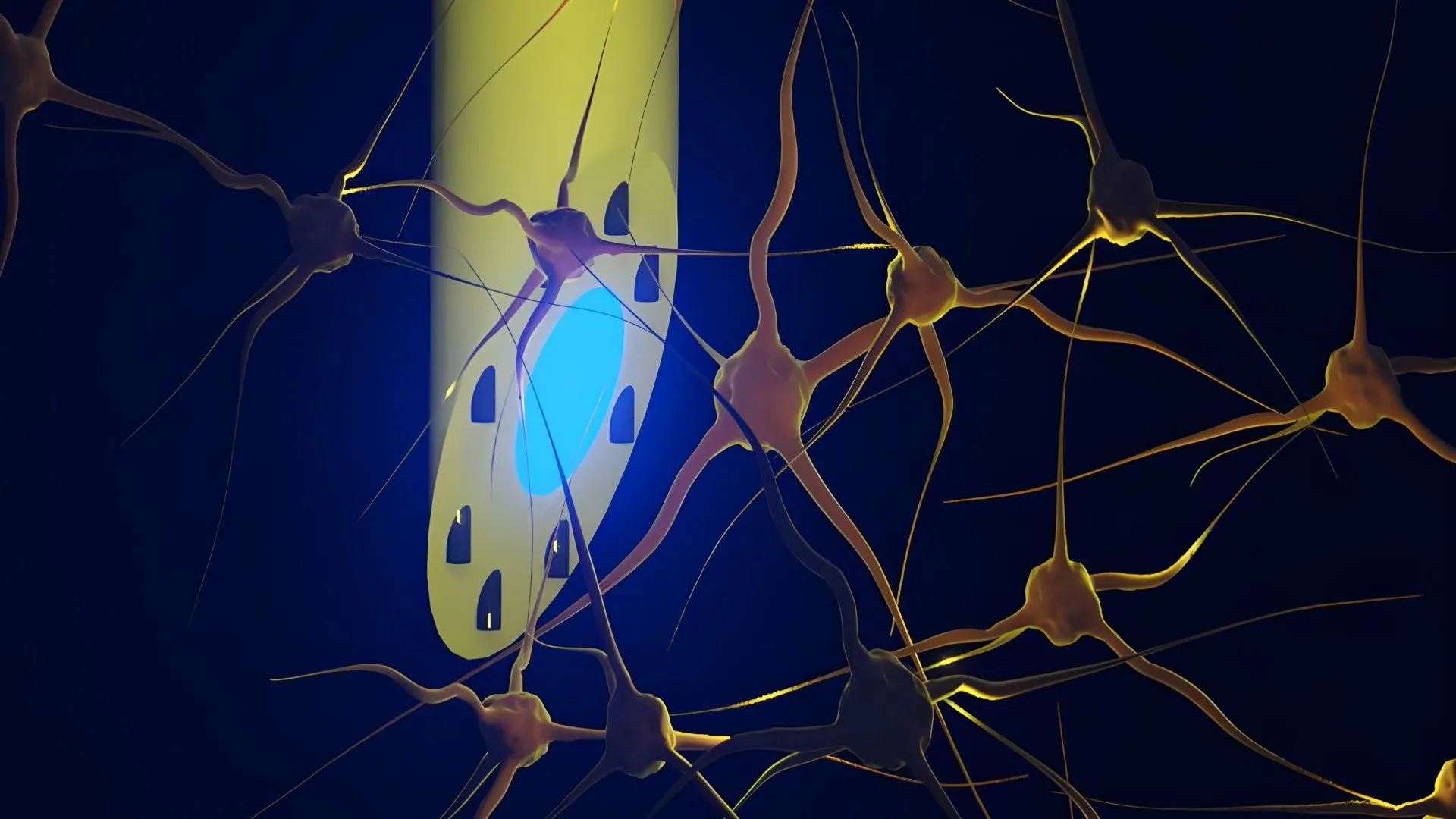
- Dual-Modality Activation: By utilizing both blue and red light, the researchers performed complex optogenetic manipulations of nerve cells, effectively turning specific circuits "on" or "off" to observe behavioral responses.
- Synchronous Monitoring: The integrated metal wires provided real-time feedback of electrical activity across multiple brain layers, providing a continuous data stream of neural firing patterns.
The success of these trials confirms that the device can function for extended periods without inducing the level of tissue inflammation commonly associated with traditional implants. This durability is crucial for the development of closed-loop systems—devices that monitor brain activity and automatically deliver therapeutic interventions, such as medication or electrical pulses, when they detect the onset of a seizure.
Expert Perspectives and Institutional Collaboration
The collaboration between DTU and major medical institutions highlights the multidisciplinary nature of modern neuro-engineering. The involvement of University College London, a world leader in epilepsy research, was instrumental in validating the mAxialtrode’s potential for clinical use.
According to the researchers, the primary advantage of the mAxialtrode lies in its "all-in-one" capability. By consolidating the functions of liquid delivery, electrical recording, and optical stimulation into one probe, the device reduces the physical "footprint" of neuro-interventional hardware. This is not merely a matter of convenience; it is a matter of patient safety. The fewer devices inserted into the cranium, the lower the risk of surgical complications, such as infection or damage to the blood-brain barrier.
However, the team remains tempered in their outlook. Kunyang Sui has emphasized that while the transition from mouse models to clinical trials is a long-term goal, the path is laden with regulatory and technical hurdles. "We are still in the early stages," Sui noted. "Transitioning from a research tool to a medical device requires rigorous, multi-year safety testing and an exhaustive regulatory review process to ensure the long-term biocompatibility of the materials used."
Broader Implications for Neurological Medicine
The potential implications for the field of neurology are profound. Currently, many conditions—particularly drug-resistant epilepsy—are treated with systemic medications that affect the entire body, leading to significant side effects. The mAxialtrode represents a potential shift toward "precision neuro-pharmacology," where drugs are delivered directly to the source of the neural dysfunction.
Furthermore, the device offers a new window into the study of neurodegenerative diseases like Alzheimer’s and Parkinson’s. By allowing scientists to observe communication between the cerebral cortex and deeper structures in real-time, the mAxialtrode could reveal the specific timing and pathways involved in the degradation of cognitive function.
Future Challenges and Regulatory Hurdles
As the team moves toward patenting the technology, they face the challenge of scaling production while maintaining the microscopic precision required for the device’s internal channels. Additionally, they must address how the device interfaces with external control systems. For a clinical setting, the bulky equipment currently used in the laboratory must be miniaturized into a wearable or implantable system.
The scientific community has noted that while the mAxialtrode is a promising development, the "long-term" stability of polymer-based implants remains a subject of ongoing study. The human brain is a notoriously harsh chemical environment, and any device intended for chronic use must survive for years, not just weeks or months.
Conclusion
The mAxialtrode marks a significant milestone in the quest to map the human brain with high-resolution accuracy. By successfully integrating light, fluid, and electrical signals into a single, flexible, and minimally invasive probe, the researchers have created a blueprint for the next generation of neural interfaces. While widespread clinical application remains a future prospect, the device stands as a testament to the power of interdisciplinary engineering in tackling some of the most complex challenges in modern medicine. As the team moves to refine the technology for broader research applications, the global scientific community will be watching to see how this "needle-thin" innovation transforms our understanding of the most complex organ in the human body.