

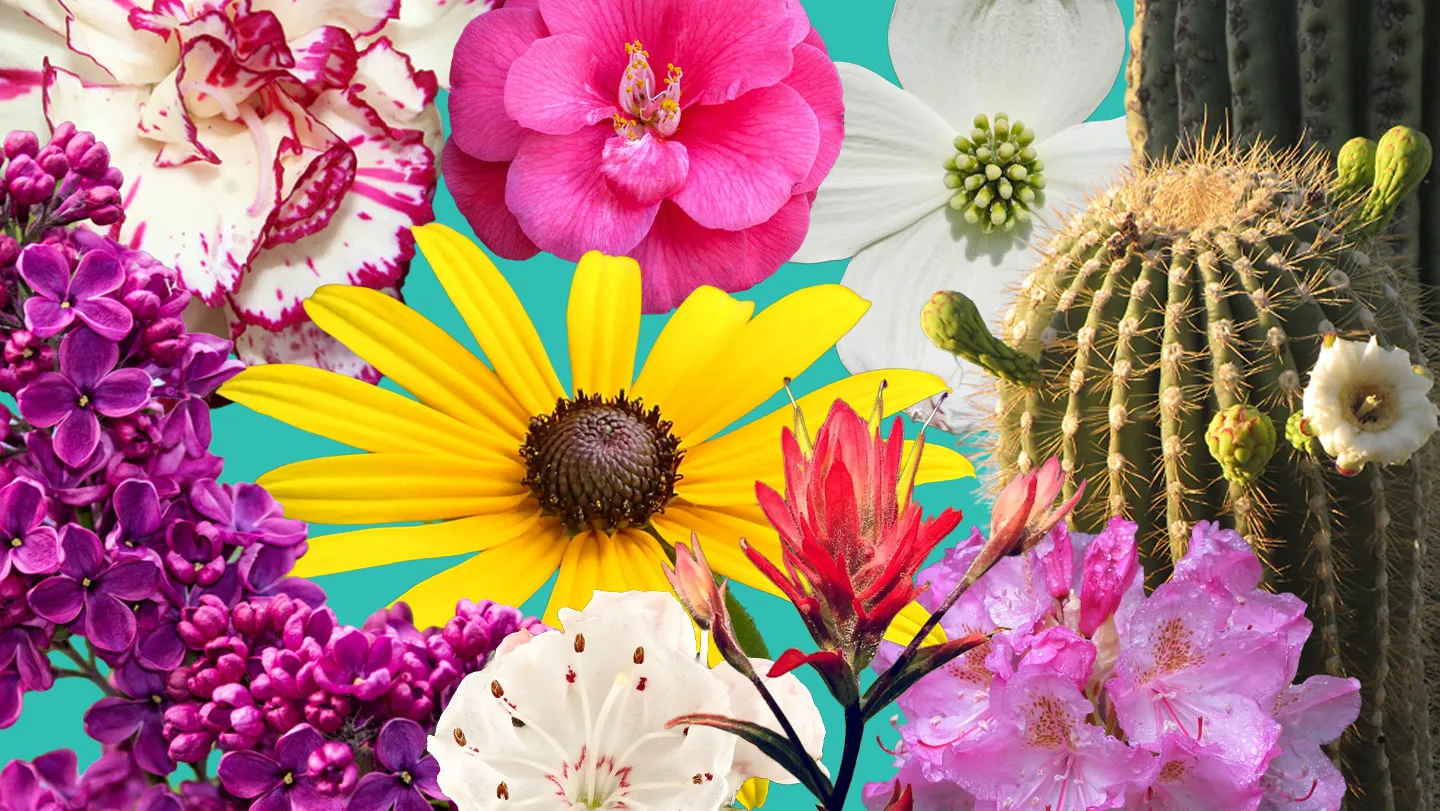
The United States Botanic Garden in Washington, D.C. is offering a unique opportunity for the public to connect with the floral emblems of all 50 states, the District of Columbia, and U.S. territories. The exhibition, titled "America’s State Flowers: An America 250 Celebration," aims to highlight the diverse botanical heritage of the nation as it approaches its 250th anniversary. Running through October 12, this immersive display allows visitors to embark on a botanical scavenger hunt within the conservatory and across the outdoor gardens, seeking out the official blooms that represent each region.
This extensive collection showcases not only the aesthetic beauty of these flowers but also their historical, cultural, and ecological significance. For those unable to visit in person, the Botanic Garden has provided alternative ways to experience the exhibit, ensuring a broad reach for its educational mission.
A Living Tapestry of American Identity
The exhibition is more than just a display of pretty plants; it’s a curated journey through the botanical identity of the United States. Visitors are encouraged to discover the stories behind each flower, many of which are deeply intertwined with the history and natural landscape of their respective states.
During an exclusive tour on opening day, Science News journalists were guided by botanical experts who illuminated the fascinating narratives behind more than a dozen of these significant blooms. These insights offer a deeper appreciation for the chosen flora and the reasons behind their selection.
For instance, the Oregon grape ( Berberis aquifolium), Oregon’s state flower, is not a true grape but a plant with a rich medicinal history. Lisa Philander, the garden’s deputy executive director and a medicinal plant expert, explained that its roots and stems contain compounds historically used to treat a range of ailments, including bleeding, arthritis, and tuberculosis. This highlights the practical applications of native flora that have long been recognized by indigenous peoples and early settlers.
Another compelling example is Minnesota’s state flower, the pink and white lady’s slipper orchid (Cypripedium reginae). This striking orchid holds the distinction of being the only state flower that is an orchid. Its unique growing requirements—thriving only in extremely cold winter conditions—and its protected status, being illegal to pick in the wild, underscore its ecological fragility and the state’s commitment to its preservation.
The Unconventional Charm of Maine’s Emblem
The selection of state and territory flowers often reveals surprising choices, reflecting distinct regional identities. Susan Pell, the Executive Director of the U.S. Botanic Garden, pointed to Maine’s choice as particularly noteworthy.
"Probably the oddest selection of state and territory flowers is the state of Maine, which chose the white pine cone and tassel," Pell stated. "It doesn’t actually have flowers at all but does definitely represent the state of Maine very well."
The Eastern white pine (Pinus strobus), the tallest conifer in the Northeastern United States, is indeed a ubiquitous presence across Maine. Its economic importance has been profound since at least the 17th century, playing a crucial role in shipbuilding and timber industries. The state officially adopted the tree as its floral emblem in 1895, and its image remains a potent symbol of Maine, even appearing on license plates.
"It’s something that’s near and dear to Mainers’ hearts," Pell added. "And I think Maine likes being a little bit weird." This sentiment speaks to the unique character of state symbols, which often transcend purely botanical descriptions to embody cultural pride and regional distinctiveness.
Ensuring Accessibility and Comprehensive Representation
Recognizing that different flowers have varied blooming cycles, the exhibition is designed to offer a dynamic experience throughout its duration. For visitors who might miss their favorite bloom in person, the Botanic Garden has implemented innovative solutions to ensure a complete viewing experience.
A dedicated glass case in the conservatory lobby features exquisitely crafted, anatomically accurate paper flowers. These lifelike replicas, created by Washington, D.C.-based artist Emily Paluska, serve as enduring representations of each state and territory flower. Beneath these artistic interpretations, visitors can delve into the scientific details through books containing preserved specimens. These dried samples offer a tangible connection to the plants and provide valuable data for researchers.
Preserving Botanical Heritage in a Changing Climate
The collection of flora for this exhibition serves a dual purpose: celebrating national symbols and providing crucial scientific data. Pell explained that these preserved specimens are collected "to take a snapshot in time of what plants were occurring in a certain area."
This meticulous documentation offers "rich data for us to be able to understand the impacts of climate change and other things like development and invasive species on the range of native plants," Pell elaborated.
The implications of these observations are significant. As global average temperatures rise, many plant species across the United States are observed to be migrating northward or moving to higher elevations. Pell noted, "We’re also seeing them move higher in elevation." For species that reach the limits of their geographical or altitudinal range, extinction becomes a real possibility. This ecological shift could, in turn, necessitate a reevaluation of state floral symbols.
"I will say that states are continuously changing their state flowers," Pell commented, highlighting the dynamic nature of these designations in response to environmental pressures and evolving state identities.
Evolving Symbols: Georgia’s Recent Designation Change
A recent example of this evolutionary process occurred just prior to the exhibition’s opening, with Georgia’s decision to update its official flower. The state transitioned from the Cherokee rose (Rosa laevigata), an introduced species from Asia, to the sweetbay magnolia (Magnolia virginiana), a species native to the state. This change reflects a growing emphasis on native flora and ecological restoration in state symbolism.
The exhibition at the U.S. Botanic Garden provides a timely and educational platform to explore these diverse floral emblems. It encourages visitors to engage with the natural heritage of the United States, understand the botanical and cultural narratives behind these symbols, and consider the impact of environmental changes on our nation’s flora. For anyone visiting Washington, D.C., making time to experience "America’s State Flowers" before its conclusion on October 12 offers a poignant reminder of the beauty and significance of the plants that represent the American landscape.
A Chronological Perspective on State Floral Emblems
The tradition of adopting state flowers is a relatively recent phenomenon, largely taking hold in the late 19th and early 20th centuries. This period saw a burgeoning interest in civic pride and the establishment of formal symbols to represent each state.
- Late 19th Century: The movement to designate state flowers began gaining momentum. States like Maine (1895, white pine cone and tassel) and Vermont (1895, red clover) were among the early adopters.
- Early 20th Century: The trend accelerated, with numerous states selecting their official flowers. For example, Colorado adopted the Rocky Mountain Columbine in 1911, and California chose the California Poppy in 1903. These selections often reflected plants that were abundant, economically important, or culturally significant within the state.
- Mid to Late 20th Century: The designation of state flowers continued, with many states solidifying their floral identities. This era also saw the initial recognition of the challenges facing native plant populations.
- Early 21st Century: The ongoing impact of climate change and a heightened awareness of conservation have led to a re-examination of some state floral symbols. As seen with Georgia’s recent change from the non-native Cherokee rose to the native sweetbay magnolia, there is a discernible trend towards prioritizing indigenous flora. This reflects a broader national conversation about ecological stewardship and the importance of preserving biodiversity.
The exhibition at the U.S. Botanic Garden, by encompassing all these diverse floral emblems, provides a unique opportunity to view this evolving landscape of state symbolism. It allows for a comparative study of choices made over more than a century, highlighting shifts in cultural values and environmental consciousness.
Supporting Data: The Botanical Diversity of State Flowers
The collection of state flowers represents an extraordinary diversity of plant families and habitats. This botanical richness underscores the varied ecosystems across the United States:
- Dominant Plant Families: While a wide array of families are represented, members of the Rose family (Rosaceae) and the Aster family (Asteraceae) are particularly common. These families are known for their widespread distribution and adaptability.
- Geographic Distribution: Flowers native to arid regions, such as the Saguaro Cactus blossom (Arizona), contrast with those found in temperate forests, like the Rhododendron (West Virginia). This geographical spread illustrates the vast climatic and ecological variations within the U.S.
- Ecological Roles: Many state flowers play crucial roles in their native ecosystems. For example, the goldenrod (Solidago spp.), chosen by several states, is a vital food source for pollinators in the fall. The Pawpaw blossom (Asimina triloba), the state flower of West Virginia, is the sole host plant for the zebra swallowtail butterfly’s larvae, demonstrating intricate ecological interdependence.
- Conservation Status: A significant number of state flowers are considered native and, in many cases, are of conservation concern due to habitat loss or climate change. The lady’s slipper orchid (Cypripedium reginae) in Minnesota is a prime example of a state flower with specific habitat requirements and legal protections.
The exhibition’s inclusion of preserved specimens, as mentioned, provides researchers with invaluable data points. These historical samples allow for the analysis of changes in plant distribution, population density, and genetic diversity over time, offering critical insights into the long-term effects of environmental shifts.
Broader Impact and Implications: Symbolism and Sustainability
The "America’s State Flowers" exhibition at the U.S. Botanic Garden serves multiple significant purposes beyond mere aesthetic appreciation. It functions as an educational tool, a historical archive, and a platform for discussing contemporary environmental challenges.
- National Unity and Identity: State flowers act as unifying symbols, fostering a sense of shared identity within states and contributing to the broader tapestry of American culture. By bringing together all these emblems, the exhibition celebrates this diversity while simultaneously highlighting the interconnectedness of the nation’s natural heritage.
- Conservation Awareness: The exhibition directly addresses the impact of climate change and development on native plant species. By showcasing these flowers and discussing their ecological context, the Botanic Garden raises public awareness about the importance of conservation and the potential loss of these iconic symbols if their habitats are not protected. The potential for states to change their floral emblems in the future underscores the fragility of these natural resources.
- Scientific Research and Data Collection: The emphasis on preserved specimens and the data they represent is crucial for ongoing scientific research. Understanding how plant populations are responding to environmental changes is vital for developing effective conservation strategies and predicting future ecological scenarios. The exhibition’s contribution to this data collection effort is a testament to its scientific value.
- Cultural and Historical Preservation: Each state flower carries its own history, often linked to the early settlers, indigenous peoples, or significant economic activities of the region. The exhibition preserves and disseminates these cultural narratives, ensuring that the stories behind these symbols are not lost to time.
In conclusion, the U.S. Botanic Garden’s initiative offers a rich and multifaceted experience. It invites Americans to connect with their floral heritage, learn about the natural world, and contemplate the future of our planet’s biodiversity, all through the beauty and symbolism of its state flowers.


















Leave a Reply