The biological mechanisms governing the aging process have long been viewed as a fragmented collection of disparate events, ranging from the fraying of telomeres and cellular senescence to the gradual decline of cognitive faculties. However, groundbreaking research has begun to coalesce around a singular, localized control center: the hypothalamus. A body of experimental evidence, anchored by a pivotal 2023 study published in PLOS Biology, identifies a specific protein, Menin, as a primary architect in the orchestration of systemic aging. By modulating inflammatory responses and metabolic signaling, Menin appears to exert influence not only over the brain but over the physical integrity of the entire organism.
The Hypothalamic Control Center: A Chronology of Discovery
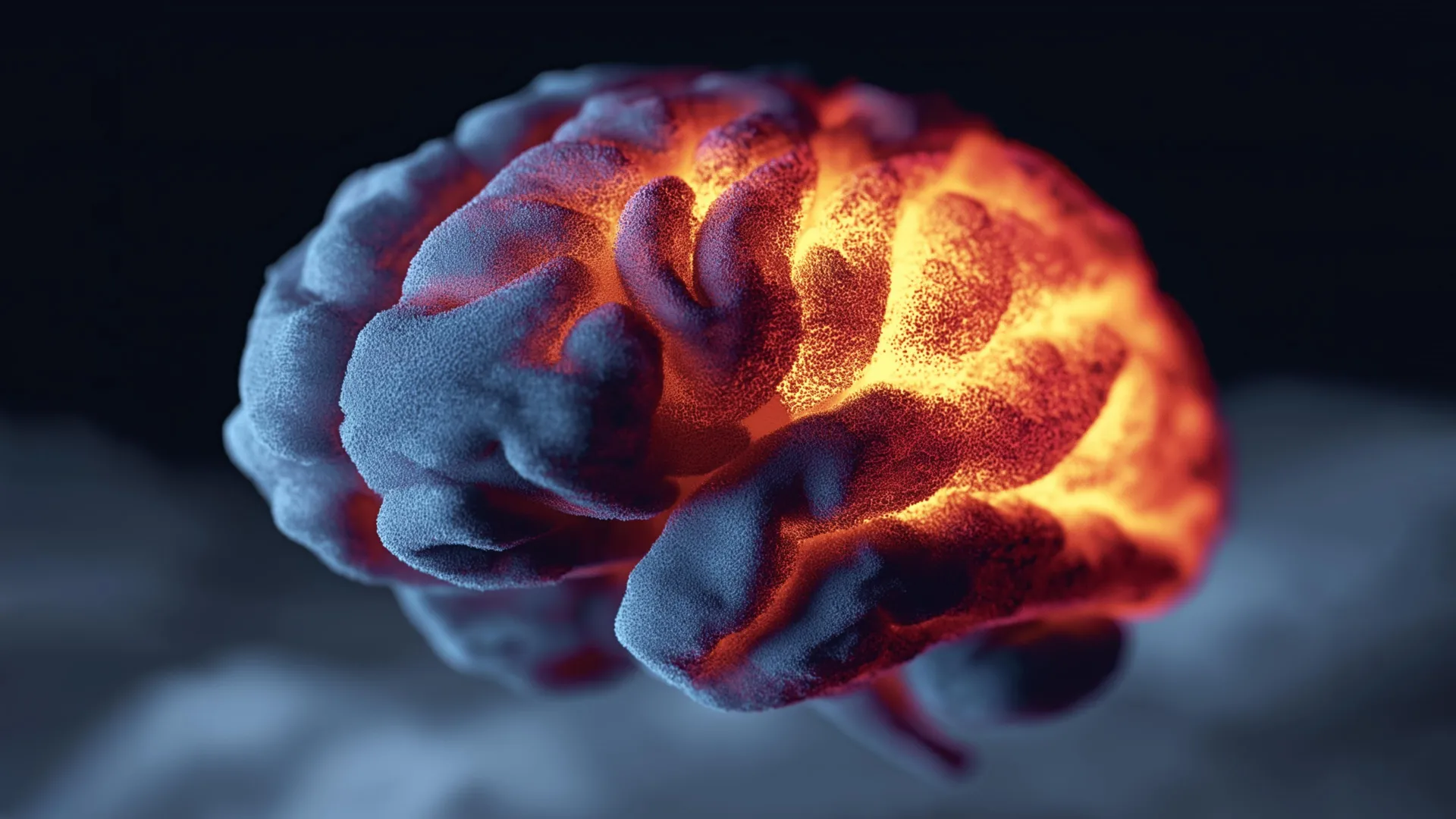
The scientific narrative surrounding Menin began in earnest with investigations into how the hypothalamus—a small, almond-sized structure at the base of the brain—regulates homeostasis. For decades, researchers recognized the hypothalamus as the "master switch" for body temperature, hunger, and endocrine function. Yet, its role in the aging phenotype remained speculative until Lige Leng and his research team at Xiamen University initiated their inquiry into why this specific region suffers such significant functional degradation over time.
In the years leading up to their 2023 findings, Leng’s team identified that Menin expression levels were not static; rather, they exhibited a marked decline as organisms aged. Crucially, this reduction was not universal across all brain cell types. It was concentrated specifically within neurons of the ventromedial hypothalamus (VMH), a critical node for metabolic regulation. This observation prompted the hypothesis that the loss of Menin was a driver, rather than a mere bystander, of the aging process.
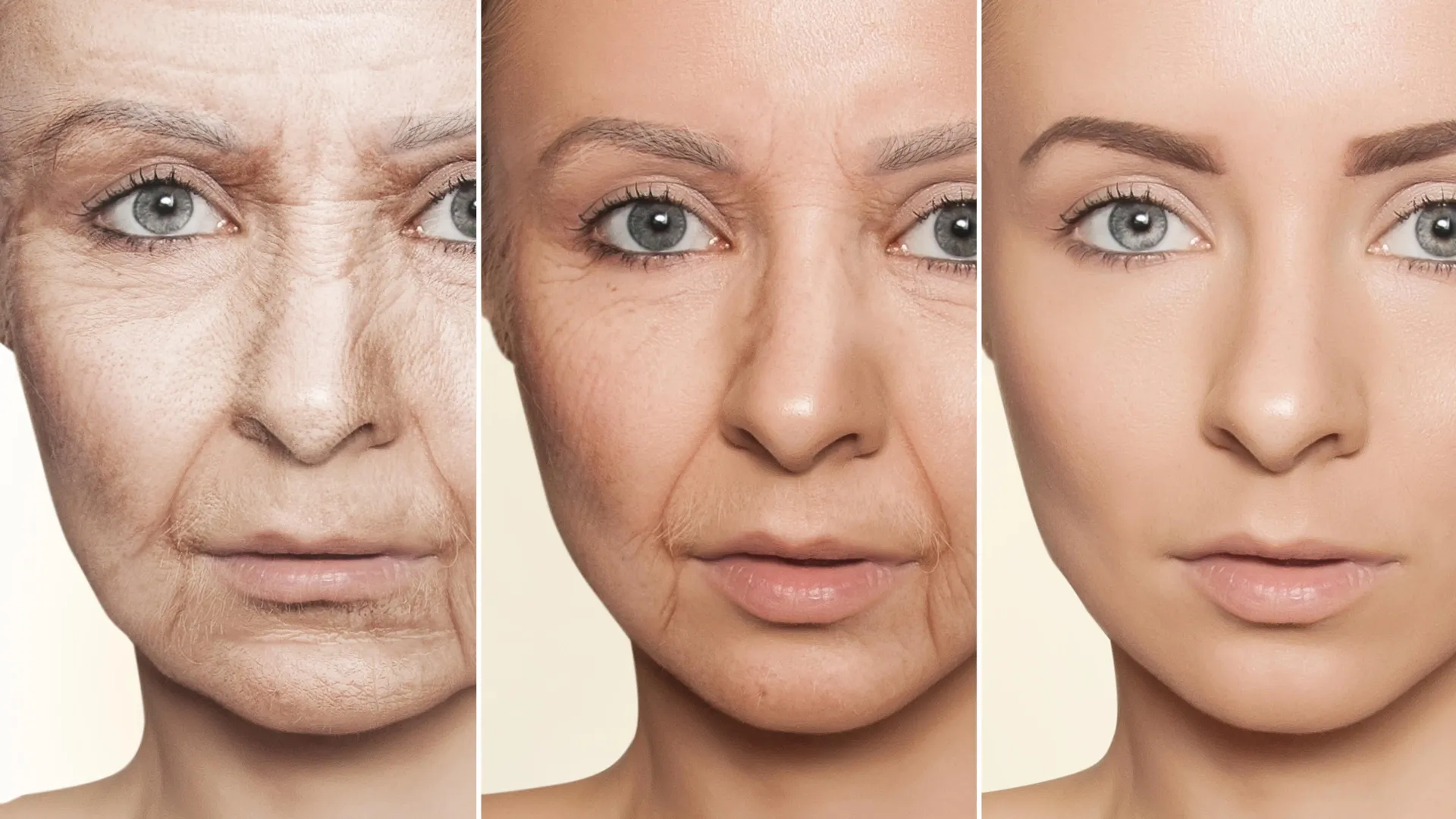
To test this, the research team utilized conditional knockout mice—a sophisticated genetic model that allowed them to silence the Menin gene exclusively in specific hypothalamic neurons. The results were immediate and systemic: the younger mice, deprived of Menin, exhibited accelerated signs of biological aging. These symptoms included, but were not limited to, decreased bone mineral density, thinning of the dermal layer, pronounced cognitive impairment, and a shortened life expectancy. This provided the first concrete evidence that a single protein within a localized cluster of neurons could dictate the rate of senescence in tissues as far-removed as the skeleton and the skin.
The Biochemical Pathway: Menin and D-Serine
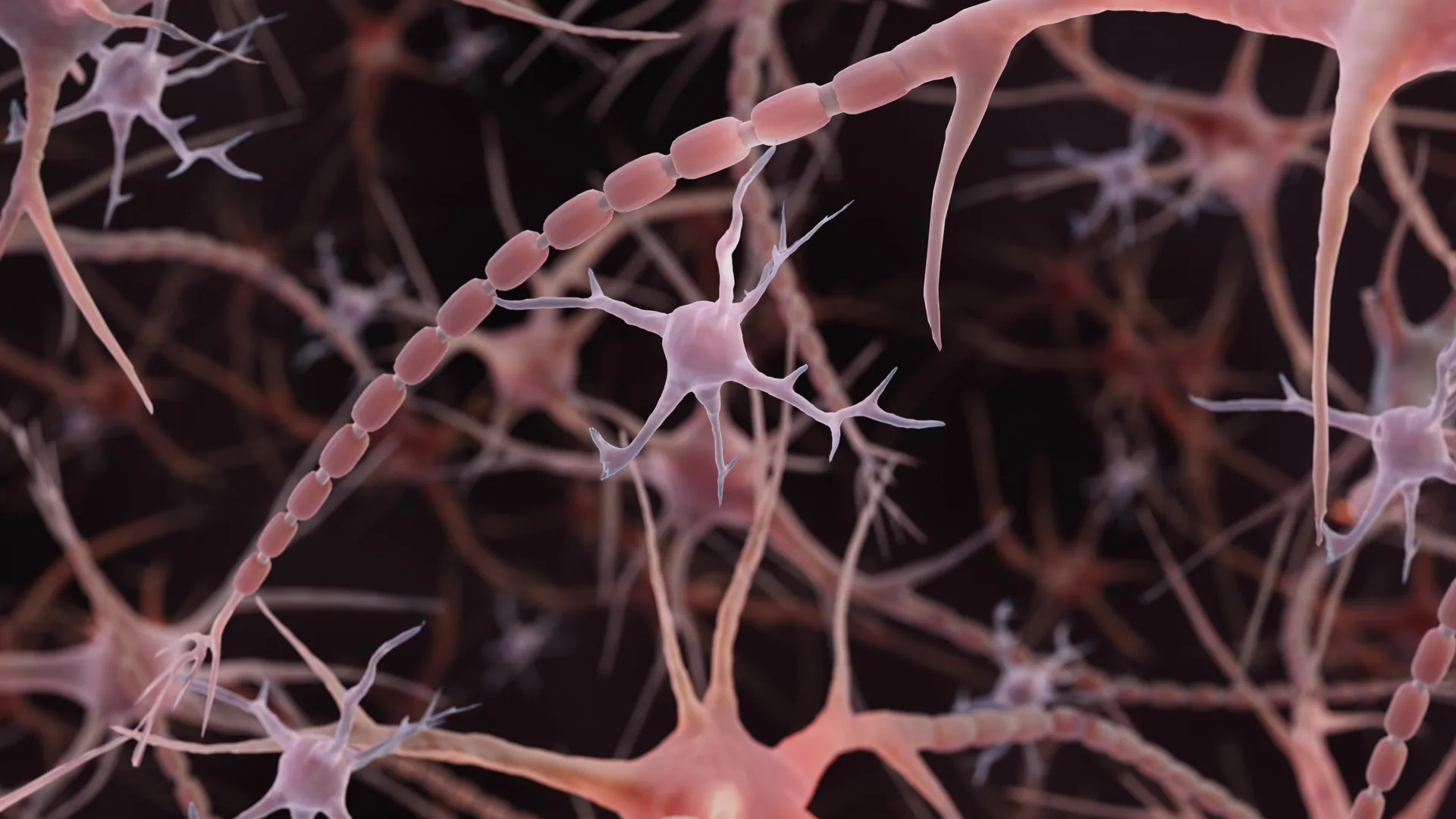
The mechanism by which Menin exerts this control involves, in part, the regulation of D-serine, an amino acid that acts as a co-agonist for N-methyl-D-aspartate (NMDA) receptors. These receptors are the physiological bedrock of synaptic plasticity, the process by which neurons adjust their connectivity to store memories and learn new information.
The 2023 study revealed that Menin is instrumental in activating the enzymes required for D-serine production. When Menin levels drop, D-serine synthesis is stifled, leading to a breakdown in synaptic communication. This discovery clarified a long-standing mystery: how a metabolic regulator in the hypothalamus could influence high-level cognitive function in the hippocampus. It established a bridge between inflammatory signaling—which Menin suppresses—and the chemical signaling required for memory retention.
However, researchers are quick to caution against the over-simplification of this pathway. The distinction between L-serine, commonly found in high-protein diets like soybeans and fish, and the biologically distinct D-serine is profound. While the human body possesses the capacity to synthesize D-serine from its L-isomer, this conversion is highly regulated. Consequently, the intake of L-serine through dietary supplements does not equate to a therapeutic dose of D-serine, and current data does not support the efficacy of oral D-serine as a universal "anti-aging" intervention for humans.
Therapeutic Potential and Experimental Interventions
Following the observation that Menin loss accelerated aging, the research team attempted the reverse: restoring Menin in the hypothalamus of 20-month-old mice. Using gene therapy techniques to reintroduce the Menin protein, the researchers observed a reversal of several age-related traits within 30 days. The treated mice demonstrated improved motor balance, increased skin thickness, and enhanced cognitive performance.
Perhaps most significantly, the experiment showed that the restoration of Menin led to a measurable increase in lifespan. When the team attempted to isolate the role of D-serine by administering it directly to older mice via drinking water, they achieved temporary cognitive gains. However, this simplified treatment failed to replicate the broader physical improvements—such as bone and skin health—that were observed when the full Menin pathway was restored. This underscores a critical takeaway for the medical community: while D-serine may mitigate specific cognitive deficits, it does not function as a panacea for the multi-systemic decline inherent to aging.
Evolving Perspectives in Neuro-Gerontology
The landscape of aging research has grown increasingly complex since the 2023 publication. In 2024, a study published in the Journal of Physiology and Biochemistry explored how the compound itaconate might boost Menin levels in hippocampal cells, offering a potential pharmacological route to protecting neurons from stress-induced death. While this study was limited to cell cultures, it reinforced the concept that Menin acts as a molecular "shield" against neuro-inflammation.
Simultaneously, the broader field of hypothalamic research has expanded. A 2024 study in Cell Metabolism identified a different neural circuit, distinct from the Menin pathway, that communicates with adipose tissue to regulate physical activity and longevity. These findings, while distinct, paint a unified picture: the brain is not merely a passenger in the aging process but an active participant, sending signals that either accelerate or decelerate the decay of the body’s peripheral systems.
The most comprehensive mapping of this phenomenon arrived in early 2025, when researchers at the Allen Institute analyzed over 1.2 million mouse brain cells. Their findings confirmed that the hypothalamus is a "hotspot" for age-related gene expression changes, particularly in cells surrounding the third ventricle. These cells showed a clear shift: a down-regulation of functional neuronal genes and an up-regulation of immune-related inflammatory genes. This massive datasets validates the central thesis of the Menin research—that the inflammatory state of the hypothalamus is a fundamental biomarker of aging.
Implications and Clinical Realities
Despite the excitement surrounding these discoveries, the leap from mouse models to human clinical application is vast. The 2016 randomized control trial, which examined D-serine in healthy older adults, remains the standard for human data. That study was underwhelming, showing only minor, inconsistent improvements in maze-solving tasks and no significant impact on mood or overall cognition.
The clinical reality is that scientists do not yet fully understand the triggers that cause Menin levels to fall in the first place. Is it a genetic program, an accumulation of environmental toxins, or a result of chronic, low-grade systemic inflammation? Until these upstream causes are identified, interventions targeting Menin remain in the realm of experimental science. Furthermore, the role of D-serine appears to be highly context-dependent. As demonstrated by a 2025 study in Cellular and Molecular Life Sciences, in certain pathological conditions—such as early-stage Alzheimer’s models—excessive D-serine can actually be detrimental, contributing to signaling disruptions rather than correcting them.
Conclusion: A New Direction for Longevity Research
The research into Menin and hypothalamic signaling represents a paradigm shift in how we approach the aging process. By moving beyond the study of individual organs and focusing on the systemic control mechanisms within the brain, scientists have uncovered a potential "master regulator" of biological decline.
The implications are profound. If we can maintain the integrity of these hypothalamic circuits, we might one day be able to delay the onset of age-related physical and cognitive frailty. However, the current evidence dictates a cautious, methodical approach. The complexity of serine metabolism and the distinct roles of neuro-inflammation necessitate rigorous clinical validation before any treatment can be recommended for human use. For now, the Menin pathway stands as one of the most promising frontiers in gerontology, offering a clear roadmap for future investigations into the biological roots of longevity and the potential to extend the human healthspan.