The biological landscape of the human brain undergoes a profound and systematic transformation during midlife, a period that researchers have identified as a critical inflection point for genome regulation. A landmark study published in the journal Science has revealed that the aging process is not merely a slow, linear accumulation of wear and tear, but rather a coordinated, multi-system remodeling of the brain’s cellular architecture. By leveraging advanced single-cell sequencing technologies, an interdisciplinary team of scientists has mapped the three-dimensional (3D) organizational shifts within the hippocampus, uncovering mechanisms that may explain why age remains the primary risk factor for conditions such as Alzheimer’s disease and other forms of cognitive decline.
The Architecture of Aging: Mapping the Hippocampus
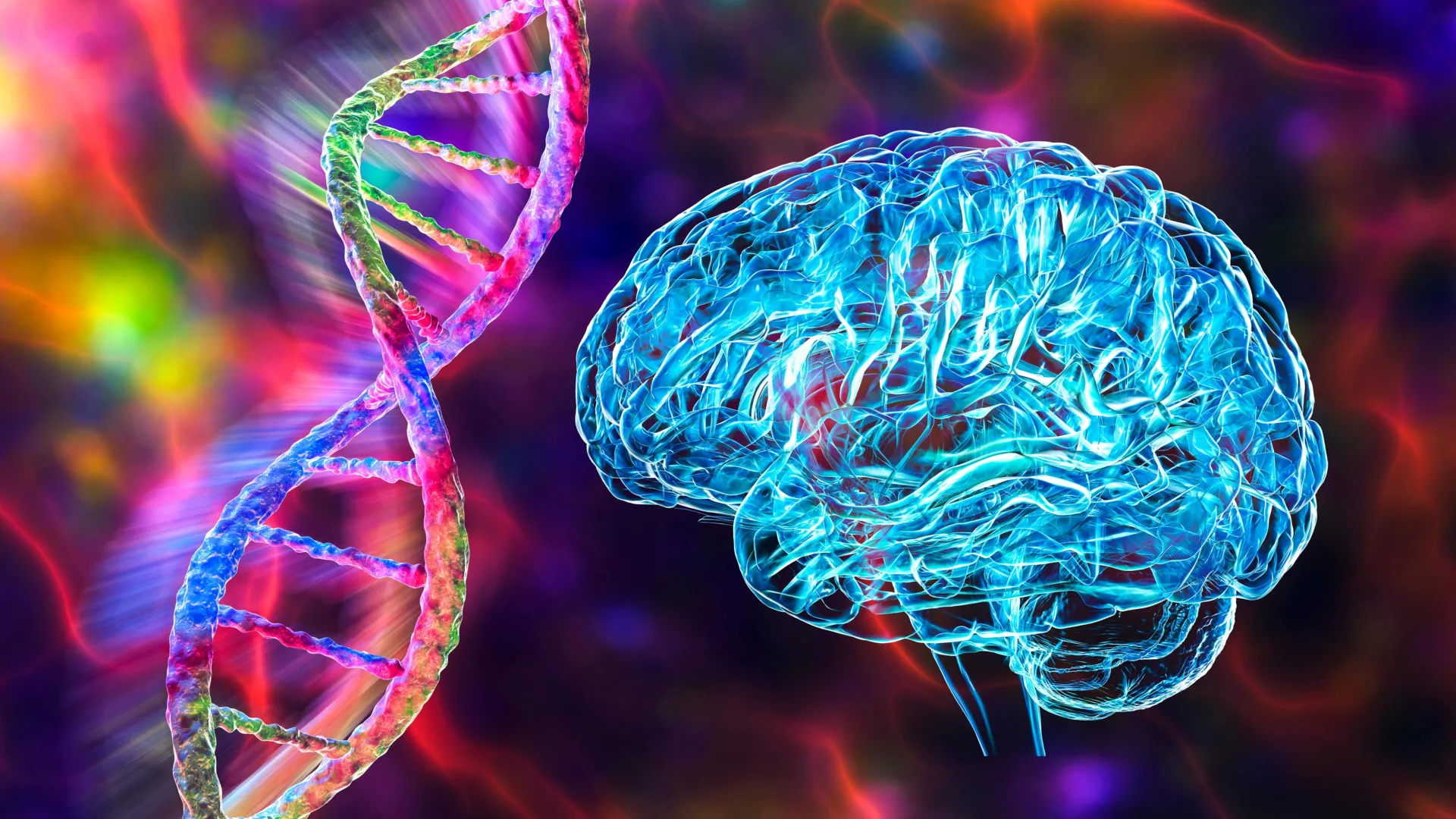
The hippocampus, a complex brain structure situated in the temporal lobe, serves as the primary seat of learning and memory. Because of its vulnerability to age-related pathologies, it was selected as the focal point for this investigation. Researchers utilized sophisticated single-cell methods to examine gene regulation and the spatial arrangement of the genome—how DNA is folded and packaged within the nucleus to dictate cellular function.
For years, the scientific community has operated under the assumption that the brain’s internal cellular environment remains relatively stable until the onset of late-stage aging. However, this study demonstrates that significant structural and functional degradation begins far earlier, specifically between the ages of 50 and 75. This finding challenges the traditional model of brain aging, suggesting that the "midlife transition" is a period of intense molecular volatility.
Microglia and the Immune Landscape
One of the most startling revelations of the study concerns microglia, the specialized immune cells tasked with "housekeeping" duties within the central nervous system. These cells are responsible for clearing away cellular debris, suppressing inflammation, and maintaining homeostasis to ensure neurons function optimally.
The research indicates that between the ages of 50 and 75, there is a marked decline in microglia that trace their lineage back to embryonic development. These original, long-lived cells are being progressively supplanted by a different population of cells that mirror the molecular profiles of immune cells circulating in the blood. This discovery effectively upends the long-standing dogma that microglia established during early development persist throughout the entire human lifespan.
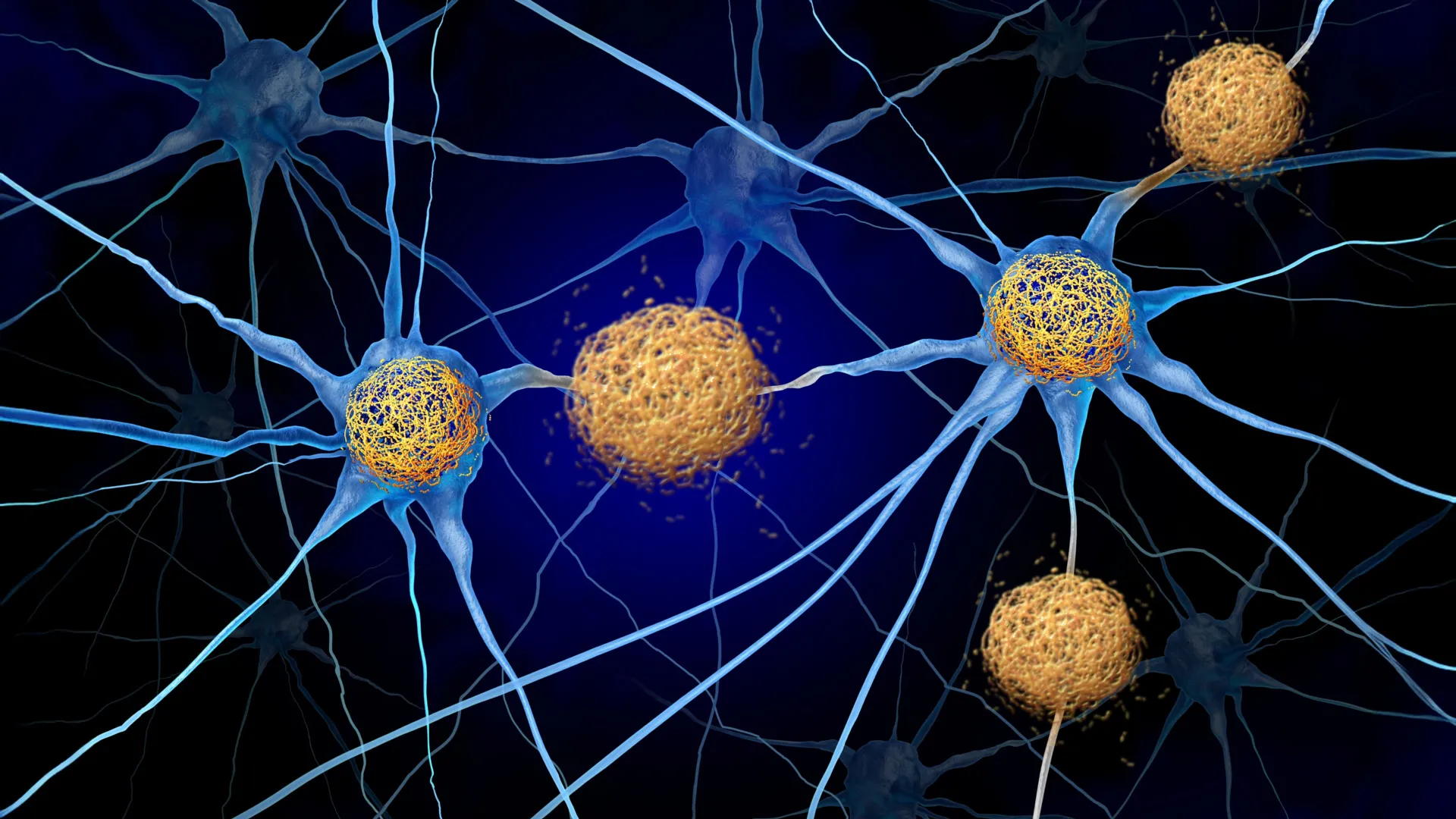
The implications of this turnover are significant. These "replacement" microglia exhibit a higher propensity for inflammatory signatures. Chronic neuroinflammation is widely recognized by neurologists as a precursor to, and a driver of, neurodegeneration. When these cells shift their phenotype, they may lose their ability to perform essential maintenance, leading to an accumulation of toxic protein aggregates—such as amyloid-beta or tau—which are hallmarks of Alzheimer’s disease.
The Erosion of 3D Genome Organization
Beyond the shifts in immune cell populations, the study uncovered a broader, systemic deterioration of the genome’s spatial architecture. DNA is not packed randomly; it is organized into a highly structured 3D configuration that dictates which genes are active at any given time. This organization is vital for the precise regulation of neuronal health.
The research team observed that across various brain cell types, this 3D architecture becomes increasingly disorganized with age. This loss of structural integrity appears to be a fundamental feature of the aging process, potentially leading to the "mis-switching" of genes that should remain dormant or the silencing of genes necessary for cognitive function. This erosion of order represents a major departure from the high-fidelity genomic regulation seen in younger individuals.
Coordinated Remodeling: A Multi-Systemic Shift
The research underscores that the brain’s aging process is highly coordinated across multiple biological systems. It is not an isolated event affecting neurons alone; rather, it involves a synchronized decline in the blood-brain barrier—the protective layer that prevents toxins in the blood from entering the brain—as well as the vascular system and the immune network.
According to Dr. Bing Ren, a corresponding author of the study and CEO of the New York Genome Center, the failure of these interconnected systems creates a "perfect storm" for neurodegeneration. "When these cells fail to perform their housekeeping duties, toxic materials accumulate that can trigger inflammatory processes that may contribute to neurodegenerative diseases," Ren noted. By observing how these systems remodel in tandem, the scientific community can begin to view neurodegeneration not as a single-pathway disease, but as a systemic collapse that may require multi-modal therapeutic intervention.
Contextualizing the Decade-Long 4D Nucleome Initiative
This study was conducted as part of the National Institutes of Health’s (NIH) 4D Nucleome (4DN) Common Fund program, a ten-year, multi-institutional effort that concluded in 2025. The initiative was launched with the goal of moving beyond the static "map" of the human genome toward a dynamic understanding of how the genome changes in space and time.
From its inception in 2015, the 4DN program has fostered collaboration among hundreds of scientists specializing in genomics, physics, computer science, and medicine. By the end of the project, the collective body of research provided an unprecedented atlas of the human genome. The specific study on aging serves as a cornerstone of this effort, providing researchers with the data necessary to differentiate between "normal" aging and the pathological shifts that lead to dementia.
Broader Implications and Future Therapeutic Targets
The findings provide a roadmap for the next generation of drug development. If the "replacement" of embryonic microglia with inflammatory-prone cells is a key driver of midlife cognitive decline, then therapeutics aimed at preserving the original microglial population or modulating their inflammatory output could theoretically slow the onset of Alzheimer’s.
Dr. Xiangmin Xu, a co-corresponding author from the University of California, Irvine, emphasized that this research opens the door to identifying new therapeutic targets. By focusing on preserving "circuit integrity"—the structural and functional connectivity of the brain—clinicians may be able to intervene long before the symptoms of cognitive impairment become clinical.
"These findings demonstrate a critical need for studying gene regulation and genome organization to gain a mechanistic understanding of the aging process," said Nathan Zemke, Director of Single-cell Genomics at the Center for Epigenomics at UC San Diego. The transition from purely descriptive research to a mechanistic understanding of how the genome is "reshaped" represents the most significant paradigm shift in neuroscience in the last decade.
Analysis: The Future of Precision Neurology
The data presented in this study suggest that the "midlife window" is the most opportunistic time for intervention. By the time a patient presents with memory loss, the structural remodeling of the genome and the replacement of immune cell populations may have already crossed a threshold that is difficult to reverse.
Moving forward, the field of precision neurology will likely prioritize biomarkers that can detect this 3D genome erosion or the specific inflammatory markers associated with replacement microglia. If healthcare systems can identify these shifts in patients in their 50s and 60s, it may be possible to implement preventative strategies—ranging from lifestyle modifications to targeted pharmacological therapies—that maintain the brain’s "housekeeping" functions and preserve the structural integrity of the genome.
Ultimately, this work highlights that the aging brain is a site of intense, regulated activity rather than passive decay. By decoding the language of the 3D genome and the dynamics of the immune system, researchers have laid the groundwork for a future where neurodegeneration is not viewed as an inevitable consequence of aging, but as a biological process that can be managed, mitigated, and potentially delayed. The decade-long efforts of the 4DN program have successfully transformed our understanding of the brain from a static organ to a dynamic, ever-changing landscape, providing a vital resource that will inform neuroscience for years to come.