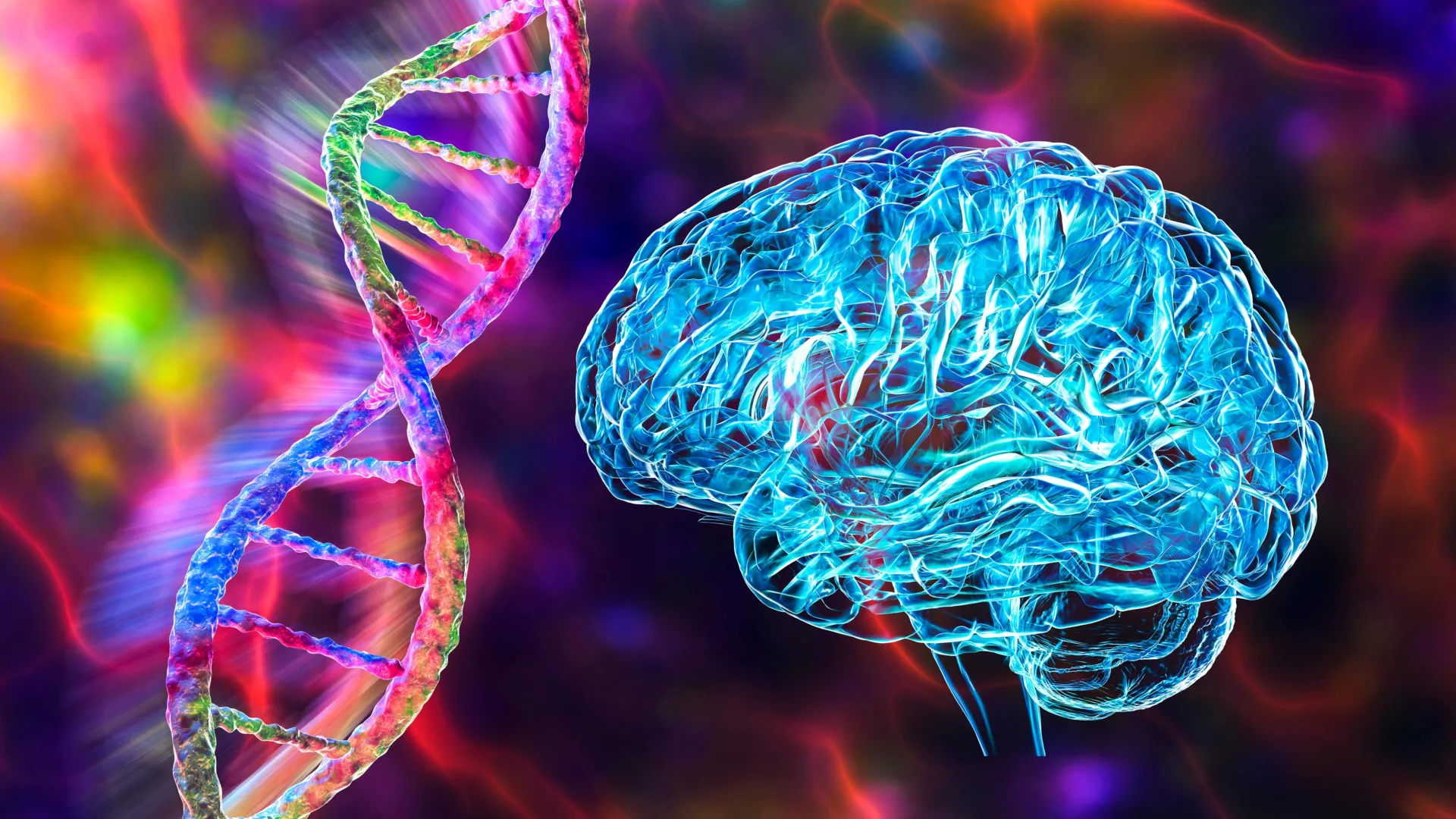
Microglia, long categorized primarily as the brain’s resident immune sentinels, serve a much more sophisticated purpose than simple defense. These cells—which constitute approximately 5 to 10 percent of the total cellular population within the human brain—are now recognized as essential architects of neural circuitry. New research from Columbia University’s Zuckerman Institute has revealed a groundbreaking discovery: human microglia undergo a significantly protracted maturation process compared to those of other mammals, a phenomenon that appears to be driven by a unique genetic mechanism. This study, published in the journal Neuron, provides a compelling explanation for the extended developmental timeline of the human brain, known as neoteny, and suggests that human-specific gene duplication may be the "master clock" governing this evolutionarily significant delay.
The Evolution of Brain Complexity
The human brain is an outlier in the animal kingdom, not merely in its size, but in the agonizingly slow pace at which it reaches full maturity. This biological phenomenon, termed neoteny, allows for an extended period of plasticity, during which the brain is highly susceptible to environmental input, learning, and experience. For decades, neuroscientists focused almost exclusively on neurons—the cells responsible for electrical signaling—to explain the origins of high-level cognition.
However, the role of glial cells, particularly microglia, has undergone a radical reassessment. While microglia were once dismissed as "housekeeping" cells tasked solely with phagocytosis—the ingestion of pathogens and cellular debris—they are now understood to be active participants in synapse refinement. During early development, microglia prune away excess or redundant synapses, effectively sculpting the neural networks that form the basis of memory and learning. The findings from the laboratory of Dr. Franck Polleux demonstrate that this sculpting process is precisely calibrated to the slow maturation of the human brain.
The SRGAP2 Gene: A Genetic Catalyst
At the center of this discovery is the SRGAP2 gene, a segment of DNA that underwent a specific duplication in the human lineage millions of years ago. The Polleux lab has spent over 15 years investigating how this human-specific duplication contributes to the divergence between human and primate brain development.
Previously, the team established that SRGAP2 copies facilitate the formation of a higher density of synaptic connections in neurons, while simultaneously slowing their maturation. This allows for a more complex and robust network of information processing. In the most recent study, lead author Dr. Carlos Diaz-Salazar, then a researcher in the Polleux lab, identified that these SRGAP2 copies are expressed in microglia at levels nearly 10 times higher than in neurons.
This discovery prompted a fundamental shift in the research focus: why would a gene associated with synaptic architecture be so highly enriched in immune-related cells? The answer lies in the synchronization of development. By regulating both the neurons that form the circuits and the microglia that prune them, SRGAP2 acts as a central coordinator, ensuring that the "pruning" phase of brain development is extended in tandem with the "building" phase.
Comparative Developmental Timelines
The disparity between human and murine brain development highlights the evolutionary significance of this gene. In laboratory mice, microglia reach a state of functional maturity within approximately three weeks of birth. In stark contrast, human microglia require four to eight years to achieve a comparable level of maturity.
This divergence is not merely a matter of scale; it represents a fundamental change in the developmental program. If microglia were to mature too quickly in the human brain, they would prematurely prune the synapses that are still being refined by the slow-developing neuronal network. By extending the developmental window of microglia, the human brain ensures that the "fine-tuning" of neural circuits can continue for years rather than weeks. This extended period of synaptic instability and sensitivity is widely believed to be the foundation upon which human language, abstract reasoning, and complex social behavior are built.
Implications for Neurodevelopmental and Neurodegenerative Disease
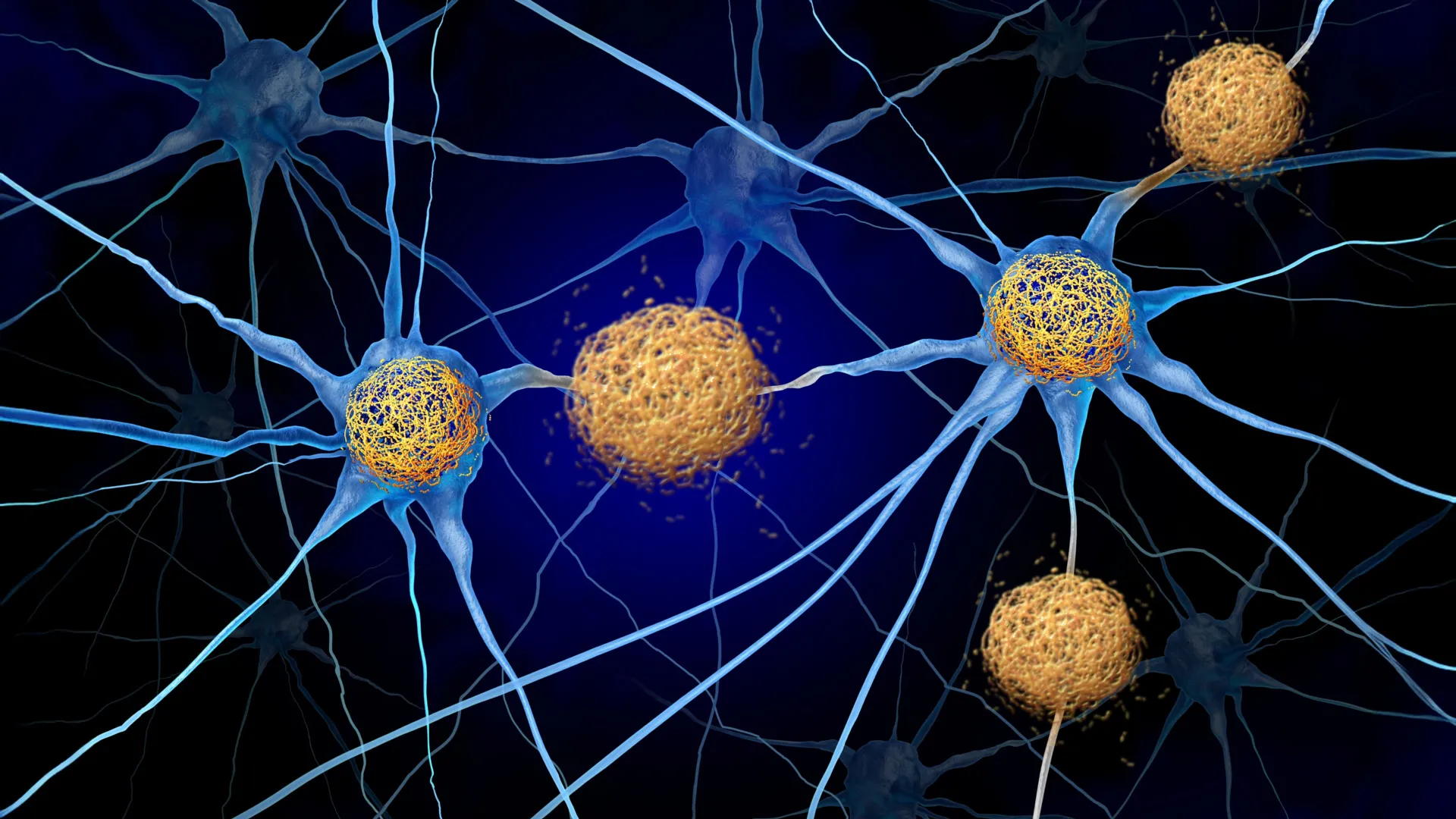
The impact of this research extends well beyond evolutionary biology. Because microglia are deeply involved in the orchestration of the brain’s circuitry, disruptions in their development or function are increasingly linked to a wide array of neurodevelopmental conditions, including autism spectrum disorder and schizophrenia. Furthermore, microglia are the primary mediators of neuroinflammation, a process implicated in neurodegenerative diseases such as Alzheimer’s and Parkinson’s.
"Because scientists have recently found that microglia are involved in neurodevelopmental disorders and neurodegenerative diseases, our findings get us a step closer to understanding what makes human microglia special in the context of brain diseases," Dr. Polleux noted. By defining the "normal" developmental timeline of human microglia, researchers now have a baseline against which to compare the pathology of diseased brains. If the "developmental tempo" is accelerated or disrupted, it could lead to the synaptic miswiring associated with these conditions.
A Chronology of Discovery
The path to this discovery has been marked by a shift in the understanding of glial function.
- Early 2000s: The scientific consensus begins to shift, acknowledging microglia as active participants in synaptic plasticity rather than passive immune cells.
- 2010s: The Polleux laboratory publishes seminal work on SRGAP2, demonstrating its role in human-specific neuronal evolution and synapse density.
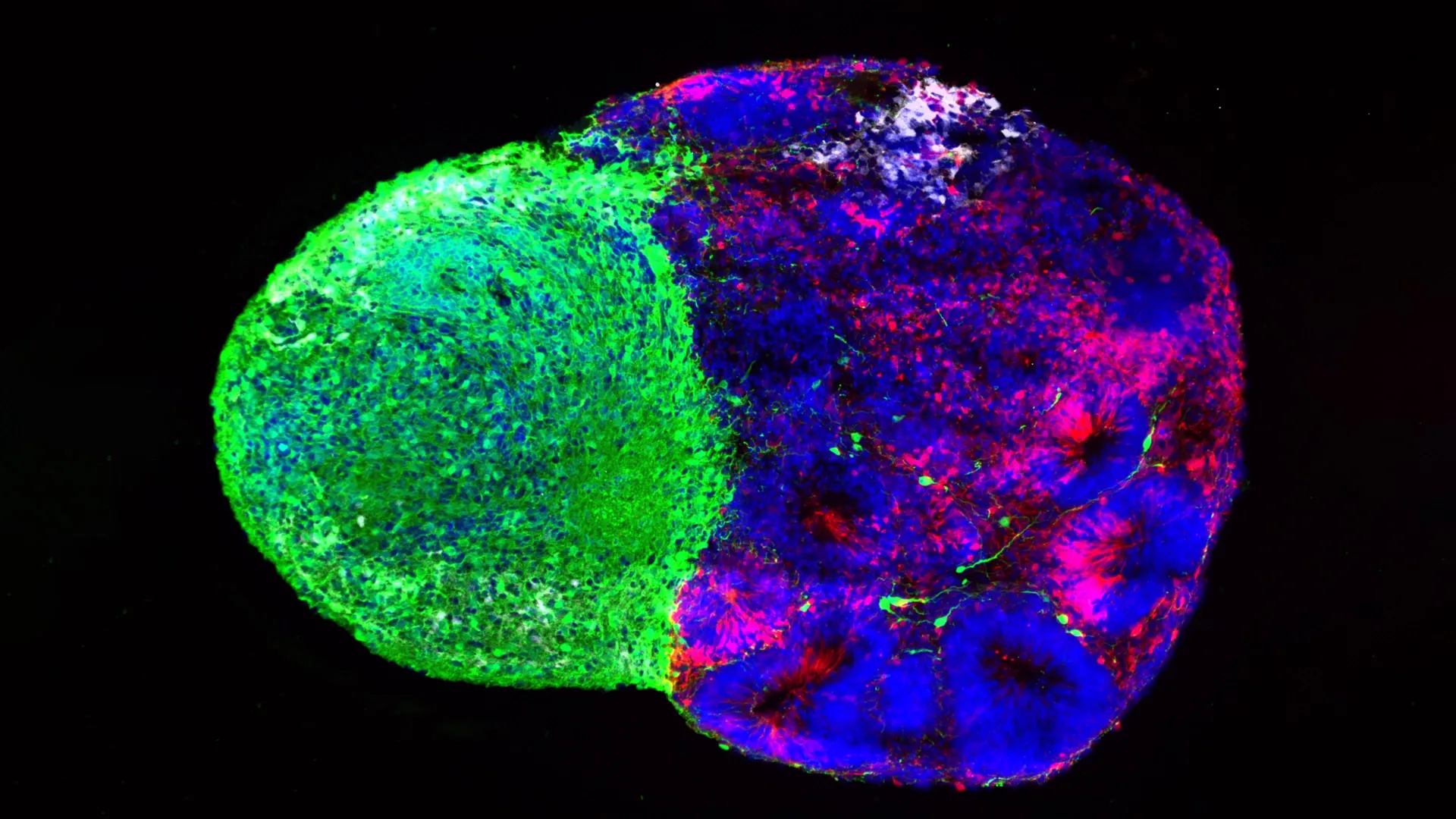
- 2020-2024: Dr. Diaz-Salazar and his team conduct experiments comparing human induced pluripotent stem cell-derived microglia with those of rodent models, identifying the high expression of SRGAP2 in the human cell lines.
- Present Day: The publication of the findings in Neuron provides the first evidence that this gene serves as a dual-regulator for both neurons and microglia, effectively "syncing" the development of the brain’s infrastructure.
Future Directions and Scientific Impact
The research community has reacted with significant interest, as the findings provide a rare mechanistic bridge between a specific genetic event and a macro-level evolutionary outcome. The ability to manipulate SRGAP2 expression in human cell models allows scientists to observe, in real-time, how this gene slows the developmental clock of microglia.
However, the researchers caution that this is only the beginning. While SRGAP2 is a critical player, it is likely part of a much larger network of genes that have been co-opted to drive the humanization of the brain. The team’s next objective is to map the downstream molecular pathways controlled by SRGAP2—specifically, how it signals to the cell to delay maturation and how it interacts with the inflammatory pathways that microglia utilize to communicate with neurons.
From a clinical perspective, these findings offer a new potential therapeutic angle. If scientists can understand how SRGAP2 keeps microglia in a "younger," more plastic state, they may be able to develop interventions that promote this state in the context of neurodegeneration, potentially allowing the brain to better repair itself or resist the effects of aging.
Conclusion: The Uniqueness of the Human Brain
The discovery that human microglia are "hard-wired" for slow development through the SRGAP2 gene underscores the intricate, multi-layered nature of human evolution. It is not merely the number of neurons that distinguishes us from other species, but the carefully orchestrated timing of the cellular dance between the neurons that think and the microglia that curate the quality of those thoughts.
As Dr. Polleux summarized, the ultimate goal is to define the full suite of elements that make the human brain unique. By confirming that microglia are essential partners in the evolutionary project of neoteny, this study has opened a new frontier in neuroscience. It serves as a reminder that the human brain’s capacity for high-level cognition is not the result of a single "genius gene," but rather a sophisticated, prolonged, and highly regulated process that begins with the smallest cells in the cranium. As research progresses, the medical community remains hopeful that this fundamental understanding of brain development will eventually translate into breakthroughs for some of the most challenging conditions in neurology.