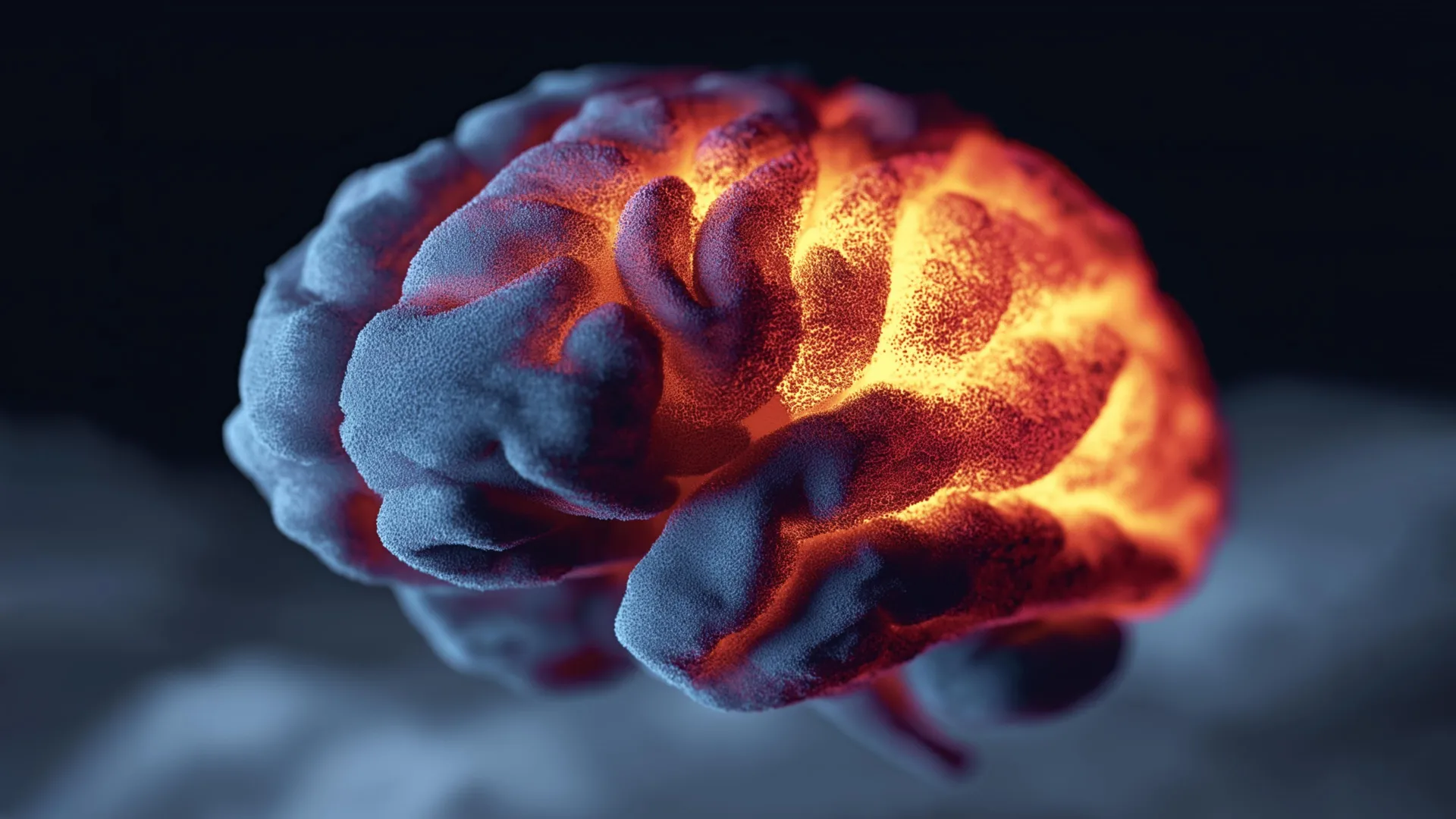
Deep inside the complex architecture of the human brain, a small, specialized cluster of nerve cells serves as a critical junction for the perception of pain. For decades, neuroscientists have understood that this region, known as the locus coeruleus, helps modulate how sensory signals are interpreted and prioritized. Under healthy physiological conditions, this system acts as a sophisticated filter, effectively suppressing unnecessary pain signals as they travel through the spinal cord. However, following significant nerve damage, this same circuitry can undergo a maladaptive transformation, becoming overactive and inadvertently sustaining chronic pain rather than alleviating it.
Researchers at the Washington University School of Medicine in St. Louis have now identified the precise biological mechanism that triggers this switch. By uncovering how specific receptors function as “biological brakes” within the brain’s primary stress and alert center, the research team has opened a new frontier in neurology—one that may eventually allow physicians to reverse the debilitating effects of chronic neuropathic pain without the systemic risks associated with traditional opioid medications.
The Mechanics of Neuropathic Pain
Neuropathic pain is a distinct and often refractory condition resulting from injury or disease of the somatosensory nervous system. Unlike nociceptive pain—which is a normal response to harmful stimuli like a burn or a cut—neuropathic pain occurs when injured nerve fibers transmit erratic, abnormal signals to the brain. Patients often describe these sensations as shooting, stabbing, or burning, and the condition can be triggered by a wide array of underlying factors, including uncontrolled diabetes, viral infections like shingles, or physical nerve compression.
The human and economic toll of this condition is substantial. According to data from the National Institutes of Health (NIH), tens of millions of adults in the United States alone suffer from chronic neuropathic pain. Current clinical standards often rely on systemic opioid therapies. While these drugs are effective at binding to receptors throughout the entire body to block pain signaling, their non-specific nature often results in severe side effects, including respiratory depression, physical tolerance, and a high risk of chemical dependency. The quest to isolate pain-modulating circuits within the brain is, therefore, a central priority for modern pharmacology.
Chronology of the Discovery
The study, published in the August 17 edition of Current Biology, represents the culmination of years of rigorous investigation into the locus coeruleus. The research team, led by senior author Dr. Jordan McCall, an associate professor in the Center for Clinical Pharmacology at WashU Medicine, sought to move beyond the traditional understanding of the brain’s pain response.
In the initial phase of the study, the researchers confirmed the role of the locus coeruleus as an active “pain generator.” By utilizing mouse models specifically bred or conditioned to exhibit neuropathic pain, the team observed that when they temporarily silenced the neurons in this region, the subjects exhibited a marked decrease in sensitivity to heat and touch. This confirmed that the locus coeruleus was not merely a passive relay station but an active participant in the amplification of chronic pain signals.
The second phase of the study focused on the mu opioid receptors (MORs) located on the cells within the locus coeruleus. MORs are the primary targets for both endogenous opioids—naturally produced by the body—and synthetic opioids such as morphine or fentanyl. By selectively removing these receptors from the locus coeruleus neurons in mice, the researchers observed an immediate and dramatic increase in pain sensitivity. Conversely, when the receptors were restored to those same neurons, the heightened pain response was significantly blunted, essentially flipping the biological switch back to a state of equilibrium.
The Role of Biological Brakes
The implications of these findings suggest that chronic pain may essentially "clog" or interfere with the normal inhibitory function of mu opioid receptors in the locus coeruleus. When these receptors are functioning optimally, they act as a gatekeeper, preventing the brain from overreacting to nerve damage. When the system is compromised, the "brake" fails, and the brain enters a cycle of sustained pain signaling.
Dr. Jordan McCall and his co-authors, including postdoctoral research associate Dr. Chao-Cheng Kuo and former graduate student Makenzie R. Norris, hypothesize that by specifically targeting these localized receptors, future therapies could achieve profound pain relief without engaging the broader nervous system.
"Millions of adults live with chronic neuropathic pain caused by nerve damage," said Dr. McCall. "The pain is difficult to treat, and traditional opioid medications bind to receptors throughout the entire body and brain, often leading to side effects, tolerance and addiction risk. Understanding how localized receptors in the locus coeruleus act as gatekeepers could lead to more targeted, effective pain therapies with fewer risks."
Implications for Future Therapeutic Development
The medical community has reacted with cautious optimism to these findings. The study provides a blueprint for what is known as “precision pharmacology.” By identifying a specific cluster of neurons and receptors that govern pain, scientists can now focus on developing ligands—drugs that bind to receptors—that are tailored specifically for the locus coeruleus.
If successful, such a treatment could circumvent the “reward centers” of the brain where addiction typically takes root, as well as the brainstem centers that control breathing, which are responsible for the lethal overdoses associated with current opioid use.
Analysis of the data indicates that this discovery could shift the focus of pain management research from systemic modulation to localized neuro-modulation. While the current study was performed in mouse models, the anatomical similarities between rodent and human brain structures suggest that the locus coeruleus functions similarly in humans. However, the path to clinical application remains long. The team is currently exploring methods to selectively activate these receptors through emerging biotechnological platforms, including gene therapy and small-molecule drug design.
Supporting Research Infrastructure
The significance of this research is underscored by the diversity of its funding sources. The project was supported by several grants from the National Institutes of Health (R01NS117899, R01NS135401, F31NS124301, and F31DA065440) and the National Science Foundation (DGE-2139839). Furthermore, institutional support from the McDonnell Center for Systems Neuroscience and the Rita Allen Foundation underscores the interdisciplinary nature of the work.
The involvement of the Collaboration Support initiative for Translational Anesthesiology Research (COSTAR) at Washington University highlights the focus on moving these findings from the bench to the bedside. This collaboration is essential, as the translation of basic neuroscience into viable human treatments requires not only biological validation but also rigorous safety testing to ensure that the modulation of the locus coeruleus does not negatively impact other vital functions like alertness and stress regulation.
Conclusion: A Shift in Pain Management
As the medical field continues to grapple with the dual challenges of the chronic pain epidemic and the opioid crisis, the findings presented by the Washington University team offer a promising, science-driven path forward. By treating the brain not as a monolith, but as a collection of specialized circuits with unique gatekeeping mechanisms, researchers are moving closer to a future where chronic pain can be managed with the precision of a scalpel rather than the blunt instrument of systemic medication.
The study in Current Biology serves as a critical milestone, proving that the locus coeruleus is not merely an observer of pain, but a potential site for its resolution. As researchers move into the next phase of drug discovery, the focus will remain on the delicate balance of this brain region—a small, but powerful, key to unlocking relief for millions of suffering patients worldwide. Future clinical trials will determine if this mechanism holds the same potential in humans, but for now, the discovery represents one of the most significant advancements in the neurobiology of pain in recent years.