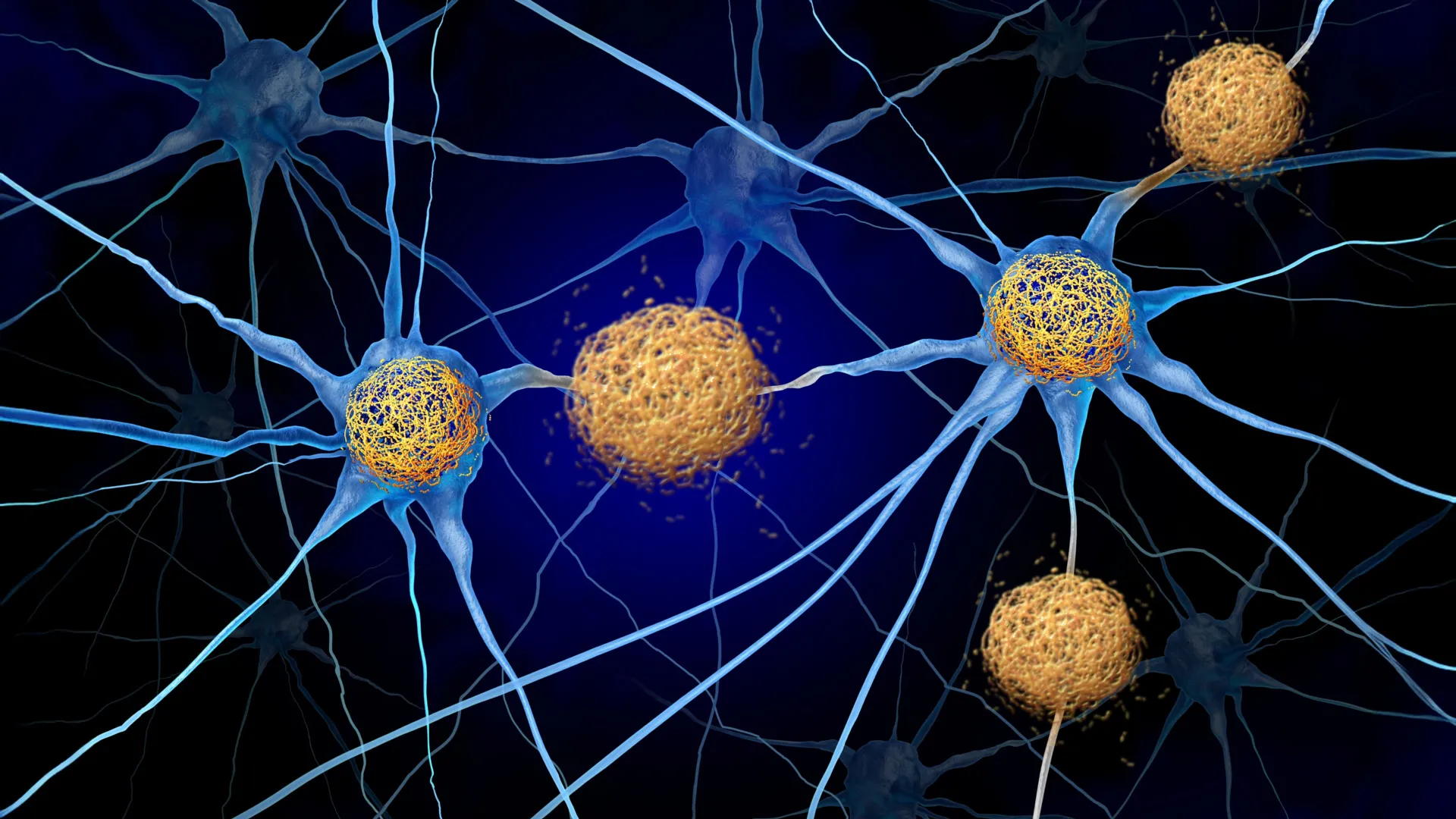
The profound impact of childhood trauma on adult mental health has long been observed by clinicians, yet the underlying biological mechanisms that translate early-life experiences into lasting psychological vulnerability have remained elusive. A landmark study published August 7 in the journal Neuron, conducted by researchers at the Washington University School of Medicine in St. Louis and the Princeton Neuroscience Institute, has identified a specific molecular pathway that may explain how early-life adversity effectively rewires the brain’s response to future stress. This discovery provides a concrete biological foundation for what experts have historically described as the "psychological scars" of childhood, potentially opening new avenues for medical and therapeutic intervention.
The Scope of the Crisis: Defining Early-Life Adversity
Early-life stress is a global public health challenge. According to data from the World Health Organization and the Centers for Disease Control and Prevention (CDC), more than half of the global pediatric population encounters at least one form of adverse childhood experience (ACE). These experiences, which include physical or emotional abuse, household dysfunction, exposure to substance abuse, or witnessing community violence, are not merely transient events. Extensive longitudinal research, most notably the CDC-Kaiser Permanente ACE Study, has consistently demonstrated a dose-response relationship between the number of adverse events experienced in childhood and the risk of developing chronic physical and mental health disorders later in life.
Individuals who experience four or more adverse childhood events exhibit a significantly higher incidence of depression, anxiety disorders, substance use issues, and cardiovascular disease in adulthood. Despite the prevalence of these outcomes, the neurobiological process by which the brain "remembers" these stressors—maintaining a heightened state of reactivity decades after the initial events have passed—has historically lacked a precise molecular target.
Deciphering the Epigenetic Mechanism
The collaborative research team focused their investigation on the ventral tegmental area (VTA), a critical hub in the brain’s reward circuit. The VTA is populated by dopamine-producing neurons that play a central role in modulating motivation, reinforcement, and the physiological response to both rewards and adversity. In the context of chronic stress, these neurons can become hyper-responsive, leading to a disruption in dopamine signaling that frequently manifests as clinical anxiety or depressive symptoms.
The study shifted the focus from static genetic markers to the epigenome—the layer of chemical tags that dictates how genes are expressed without altering the underlying DNA sequence. Catherine Jensen Peña, PhD, an assistant professor at the Princeton Neuroscience Institute and the study’s co-corresponding author, utilized an illustrative analogy to explain this process: DNA can be envisioned as a coiled "slinky." This genetic material is wrapped around structural proteins known as histones. When the structure is tightly compressed, genes remain silenced or inaccessible. When the structure loosens, these genes become active.
The researchers discovered that in subjects exposed to early-life stress, this "genetic slinky" in dopamine neurons undergoes a structural shift. Specifically, they identified an enzyme known as SETD7 that plays a pivotal role in this process. In the presence of early-life adversity, SETD7 levels become elevated, prompting the addition of a chemical marker called H3K4me1 to the DNA packaging system. This specific marker functions as an epigenetic "switch," forcing the chromatin structure to remain in an open, highly accessible state. This openness makes the brain’s stress-response genes hyper-reactive, leaving the organism in a state of permanent "high alert."
Chronology of the Research Findings
The experimental progression of the study involved a series of controlled investigations that moved from observation to manipulation:
- Baseline Observation: The researchers first compared the dopamine neurons of young mice raised in typical, low-stress environments with those exposed to early-life stressors. They observed a distinct elevation of the SETD7 enzyme in the stressed group.
- Causal Manipulation: To determine if SETD7 was the primary driver of the structural change, the team artificially increased SETD7 levels in unstressed mice. The results were consistent with the observation group: the dopamine-producing neurons developed the same "open" DNA architecture, and the mice displayed increased anxiety and reduced stress tolerance as they reached adulthood.
- Preventative Intervention: In a critical final phase, the researchers blocked the activity of SETD7 in mice that had experienced early-life stress. By preventing the enzyme from adding the H3K4me1 marker, the team was able to keep the chromatin structure closed. Remarkably, these mice did not exhibit the typical hyper-reactive stress responses as adults, behaving with the same emotional resilience as their non-stressed counterparts.
Implications for Future Clinical Practice
The findings represent a significant departure from traditional models of psychiatric treatment, which have primarily focused on symptom management rather than addressing the underlying epigenetic "scars." Meaghan Creed, PhD, an associate professor of anesthesiology at WashU Medicine and co-corresponding author, emphasized the clinical significance of these results. "We have uncovered a new biological process linking experience of early-life adversity to this long-term vulnerability to mental illness," Creed stated. "This finding reveals a physical scar left by trauma… providing scientists with a concrete biological target to develop new treatments."
The implications of this study extend beyond pharmacology. By identifying a mechanism that creates a "latent and broad" impact on the brain, the research underscores the necessity of early intervention. If the epigenome is a dynamic structure during childhood, then the period of development represents a "sensitive window" where environmental support—such as therapeutic intervention, social services, and trauma-informed care—might physically protect the epigenome from the permanent, open-state lock caused by SETD7.
Analysis: A New Frontier in Mental Health
This research aligns with the growing field of "biological psychiatry," which seeks to bridge the gap between social experience and molecular biology. While the study was conducted on murine models, the conserved nature of dopamine signaling and epigenetic regulation suggests that similar mechanisms may be at work in humans.
However, researchers caution that the transition from animal models to human clinical applications remains complex. The brain’s response to trauma is multifaceted, and SETD7 is likely one of several pathways involved in the regulation of stress resilience. Furthermore, the ethical considerations of manipulating epigenetic markers in humans require extensive future study.
Despite these caveats, the scientific community has responded to the publication with optimism. The ability to visualize the molecular footprint of trauma transforms abstract concepts of "resilience" and "vulnerability" into measurable, targetable phenomena. As the field moves forward, the focus will likely shift toward identifying biomarkers in human populations that could signal the onset of these epigenetic changes, potentially allowing clinicians to intervene before chronic mental health symptoms manifest.
In summary, the research conducted by the teams at Washington University and Princeton offers a compelling narrative for the future of mental health: that the effects of childhood trauma are not necessarily a permanent destiny. By understanding the "molecular memory" of adversity, science is moving closer to a future where we can buffer the impact of early life experiences, preserving the integrity of the brain’s development and fostering greater resilience in the face of life’s inevitable challenges.