A breakthrough study led by neuroscientists at the Massachusetts Institute of Technology (MIT) has identified a specific genetic mutation that disrupts the brain’s ability to update beliefs based on new information, a core cognitive deficit associated with schizophrenia. The research, published in the journal Nature Neuroscience, pinpoints a mutation in the GRIN2A gene as a primary driver behind the failure of a specific thalamocortical circuit. This discovery provides a long-sought biological explanation for why individuals with schizophrenia often struggle with decision-making and experience a progressive disconnect from reality, potentially opening the door to targeted pharmacological interventions for cognitive symptoms that current medications fail to address.
Schizophrenia is a complex, chronic mental health disorder characterized by a range of symptoms, including hallucinations, delusions, and significant cognitive impairment. While the "positive" symptoms like hallucinations are often the most visible, researchers have increasingly recognized that "cognitive" symptoms—such as memory issues, poor executive function, and an inability to process new information—are often the most debilitating and resistant to treatment. The MIT study suggests that these cognitive failures stem from a fundamental breakdown in how the brain integrates sensory data with pre-existing beliefs.
The Genetic Landscape of Schizophrenia Risk
Schizophrenia has long been recognized as a disorder with a high degree of heritability. In the general population, the prevalence of the condition is approximately 1 percent. However, the risk profiles change dramatically based on genetic proximity: the risk increases to 10 percent for those with an affected first-degree relative and climbs to 50 percent among identical twins. Despite this clear genetic link, identifying the specific genes responsible for the disorder has been a decades-long challenge.
In recent years, genome-wide association studies (GWAS) conducted by the Stanley Center for Psychiatric Research at the Broad Institute have identified more than 100 gene variants linked to schizophrenia. However, the majority of these variants are located in non-coding regions of the DNA—areas that do not provide instructions for making proteins—making it difficult for scientists to determine exactly how they influence brain function.
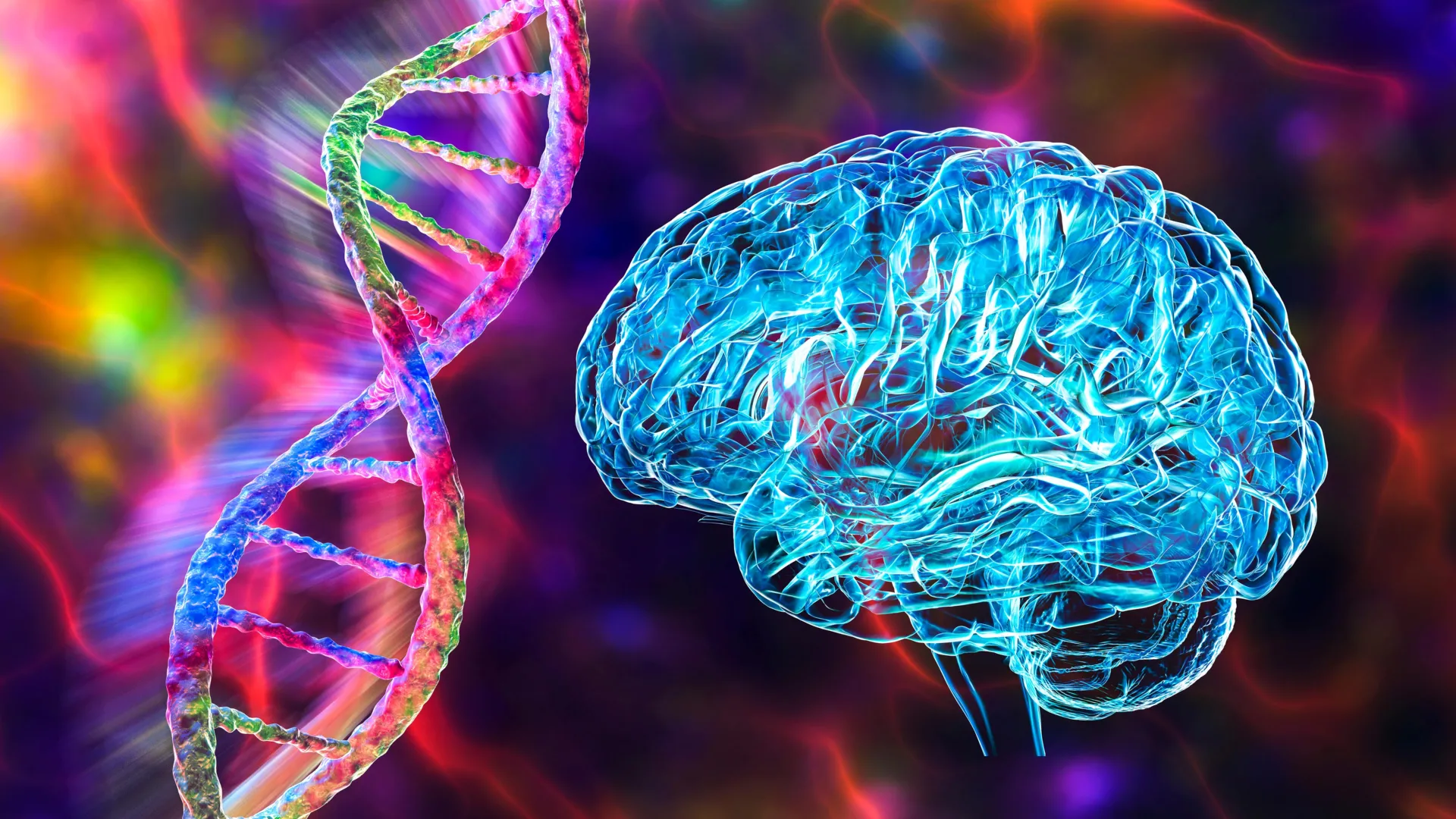
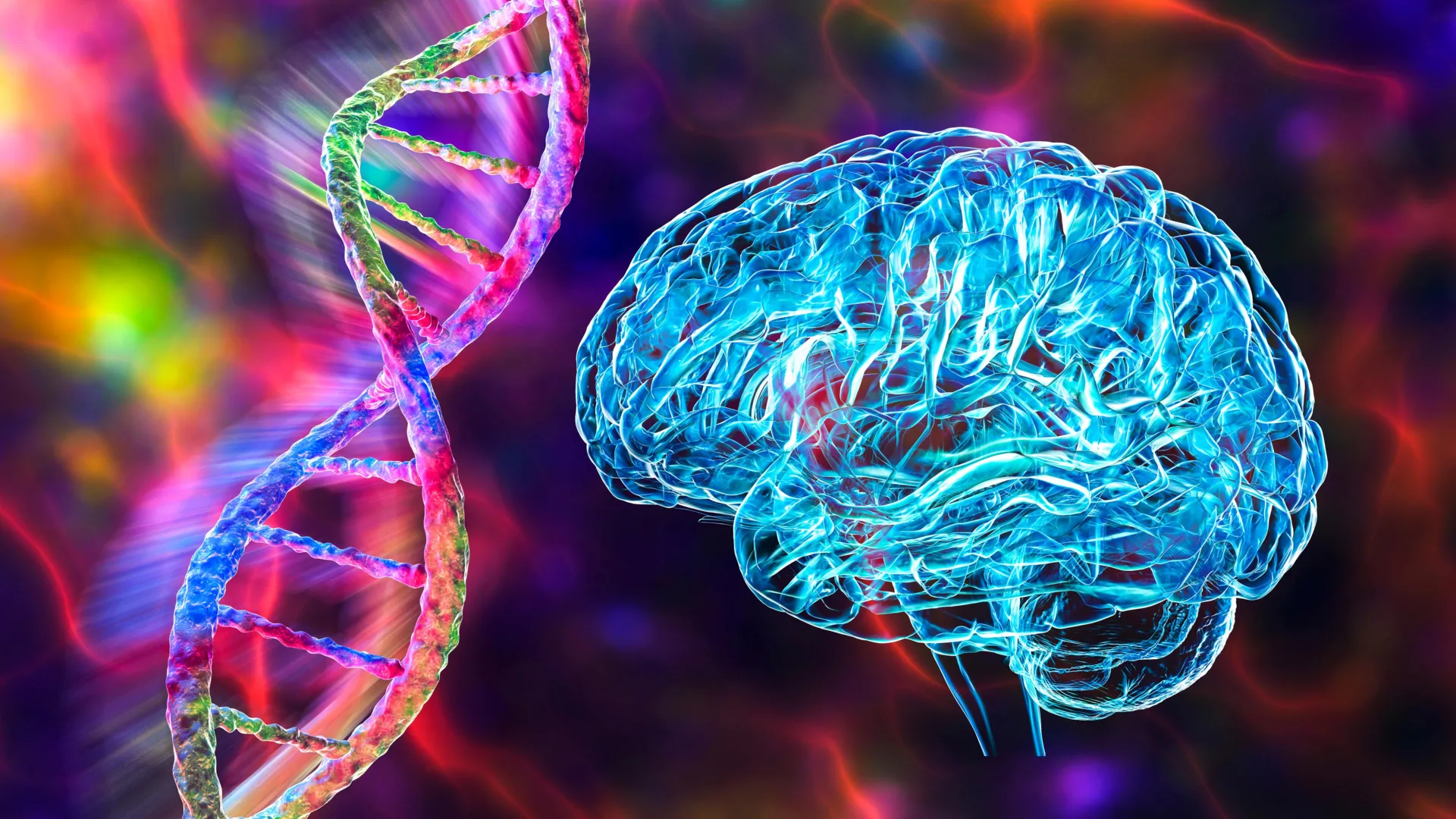
To bridge this gap, the research team employed whole-exome sequencing, a more granular approach that focuses exclusively on the protein-coding regions of the genome. By analyzing approximately 25,000 sequences from individuals diagnosed with schizophrenia and comparing them against 100,000 control subjects, the team identified 10 specific genes where mutations significantly elevated the risk of the disorder. Among these, the GRIN2A gene emerged as a primary candidate for deeper investigation.
Understanding the GRIN2A Mutation and the NMDA Receptor
The GRIN2A gene is responsible for producing a subunit of the NMDA (N-methyl-D-aspartate) receptor. This receptor is found on the surface of neurons and is activated by glutamate, the brain’s primary excitatory neurotransmitter. NMDA receptors are essential for synaptic plasticity—the process by which connections between neurons strengthen or weaken over time—which is the biological basis for learning and memory.
For years, the "glutamate hypothesis" of schizophrenia has suggested that the disorder is caused by the under-functioning of NMDA receptors. This theory gained traction when researchers observed that drugs like PCP (phencyclidine) and ketamine, which block NMDA receptors, can induce symptoms in healthy individuals that mimic both the psychosis and the cognitive deficits seen in schizophrenia. The MIT study provides the first direct genetic evidence linking a specific NMDA receptor subunit mutation to a defined neural circuit failure.
The Role of Prior Beliefs and Sensory Integration
The core of the MIT study revolves around a psychological concept known as "belief updating." In a neurotypical brain, reality is perceived through a balance of "prior beliefs" (internal models of how the world works) and "sensory input" (new information coming from the environment).
"Our brain can form a prior belief of reality, and when sensory input comes into the brain, a neurotypical brain can use this new input to update the prior belief," explains Tingting Zhou, a research scientist at the McGovern Institute and lead author of the study.
In patients with schizophrenia, this balance is disrupted. The research suggests that these individuals weigh their prior beliefs too heavily, making them resistant to new evidence. When the brain fails to use current sensory input to update internal models, the individual’s perception of the world becomes increasingly detached from objective reality. This mechanism is believed to be a foundational cause of delusions—beliefs held with absolute certainty despite contradictory evidence.
Experimental Evidence: The Lever-Pressing Task
To test the effects of the GRIN2A mutation, the researchers engineered mice to carry the same genetic defect found in human patients. Since mice cannot describe hallucinations, the researchers designed a behavioral task to measure their "adaptive decision-making" capabilities.
The experiment involved a choice between two levers. Initially, one lever provided a high reward (three drops of milk), while the other provided a low reward (one drop). Both wild-type (healthy) mice and the GRIN2A-mutant mice quickly learned to prefer the high-reward lever.
However, the researchers then introduced a shift: the effort required to obtain the high reward was gradually increased (requiring more lever presses), while the low-reward lever remained easy to use. Healthy mice noticed this change and, as the "cost" of the high reward outweighed its value, they switched their preference to the low-reward lever.
In contrast, the mice with the GRIN2A mutation were significantly slower to adapt. They continued to pursue the old high-reward option long after it had become inefficient, switching back and forth between levers indecisively. This delay in "committing" to a new, more efficient strategy mirrors the cognitive rigidity seen in human schizophrenia patients.
Identifying the Mediodorsal Thalamus Circuit
By utilizing advanced functional ultrasound imaging and electrical recordings, the MIT team was able to track brain activity in real-time as the mice performed these tasks. They discovered that the GRIN2A mutation specifically impaired the mediodorsal thalamus.
The mediodorsal thalamus serves as a critical relay station, connecting to the prefrontal cortex—the area of the brain responsible for complex planning, personality expression, and moderating social behavior. This thalamocortical circuit is essential for tracking the value of different choices and deciding when to switch strategies.
In healthy mice, neurons in the mediodorsal thalamus showed distinct activity patterns that signaled a shift from "exploring" options to "committing" to a choice. In the mutant mice, these neural signals were weak or disorganized, suggesting that the "stickiness" of their old beliefs was a direct result of the circuit’s failure to signal a need for change.
Implications for Treatment and Optogenetic Reversal
One of the most significant findings of the study was that the cognitive deficit could be reversed. Using optogenetics—a technique that uses light to control the activity of genetically modified neurons—the researchers were able to manually activate the neurons in the mediodorsal thalamus of the mutant mice.
When the circuit was artificially stimulated, the mutant mice began to behave like their healthy counterparts, making faster, more adaptive decisions. This suggests that the brain’s "hardware" for decision-making is still present in those with the GRIN2A mutation, but it requires the right "signal" to function correctly.
While optogenetics is currently too invasive for use in humans, the discovery points toward a specific pharmacological target. Guoping Feng, the James W. and Patricia T. Poitras Professor at MIT and senior author of the study, noted that while only a small percentage of schizophrenia patients carry the GRIN2A mutation, the circuit itself may be a common point of failure across a much wider segment of the patient population.
"We are quite confident this circuit is one of the mechanisms that contributes to the cognitive impairment that is a major part of the pathology of schizophrenia," Feng stated. The team is now investigating potential drugs that could mimic the effects of the light stimulation, specifically targeting the NMDA receptors or other components within the mediodorsal thalamus.
Future Directions and Broader Impact
The MIT study represents a shift in how psychiatric disorders are studied, moving away from broad symptom descriptions toward a "circuit-based" understanding of mental illness. By linking a specific gene to a specific protein, and then to a specific brain circuit and behavior, the researchers have provided a roadmap for precision psychiatry.
The research was supported by a coalition of high-level institutions, including the National Institutes of Mental Health (NIMH), the Poitras Center for Psychiatric Disorders Research, and the Stanley Center for Psychiatric Research. This interdisciplinary effort highlights the growing consensus that solving schizophrenia will require a synthesis of genetics, systems neuroscience, and behavioral psychology.
As the team moves forward, they aim to explore whether other genes associated with schizophrenia also converge on this same thalamocortical circuit. If multiple genetic paths lead to the same circuit failure, it would simplify the development of treatments that could benefit a large number of patients regardless of their specific genetic mutation.
For the millions of people living with schizophrenia, the promise of this research lies in its focus on cognitive recovery. While existing antipsychotics are effective at dampening hallucinations by targeting dopamine pathways, they do little to help patients reintegrate into society, hold jobs, or maintain relationships—tasks that require the very belief-updating and decision-making skills that the GRIN2A mutation disrupts. By targeting the mediodorsal thalamus, the next generation of psychiatric medicine may finally address the disconnect from reality at its biological source.