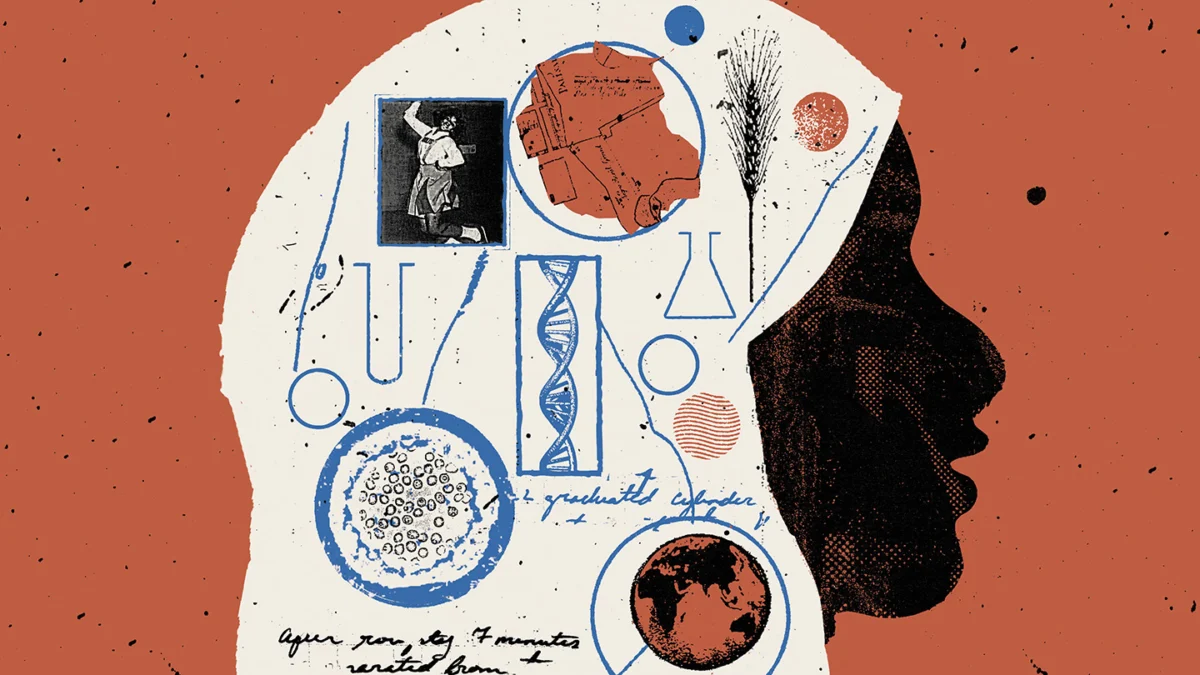
The image of a shrouded silhouette, adorned with symbols of scientific disciplines, serves as a potent visual metaphor for the work of biological anthropologist Fatimah Jackson. Her career is marked by a profound commitment to ensuring that the lessons of history, particularly those involving the exploitation and misuse of scientific knowledge, are not forgotten and, more importantly, are actively prevented from recurring. Jackson’s perspective is deeply informed by pivotal moments in history, including the harrowing events of May 13, 1985, in Philadelphia, a date etched into the collective memory of many, and a stark reminder of the devastating consequences when state power and scientific advancements are wielded without ethical consideration.
The Philadelphia Tragedy: A Catalyst for Reflection
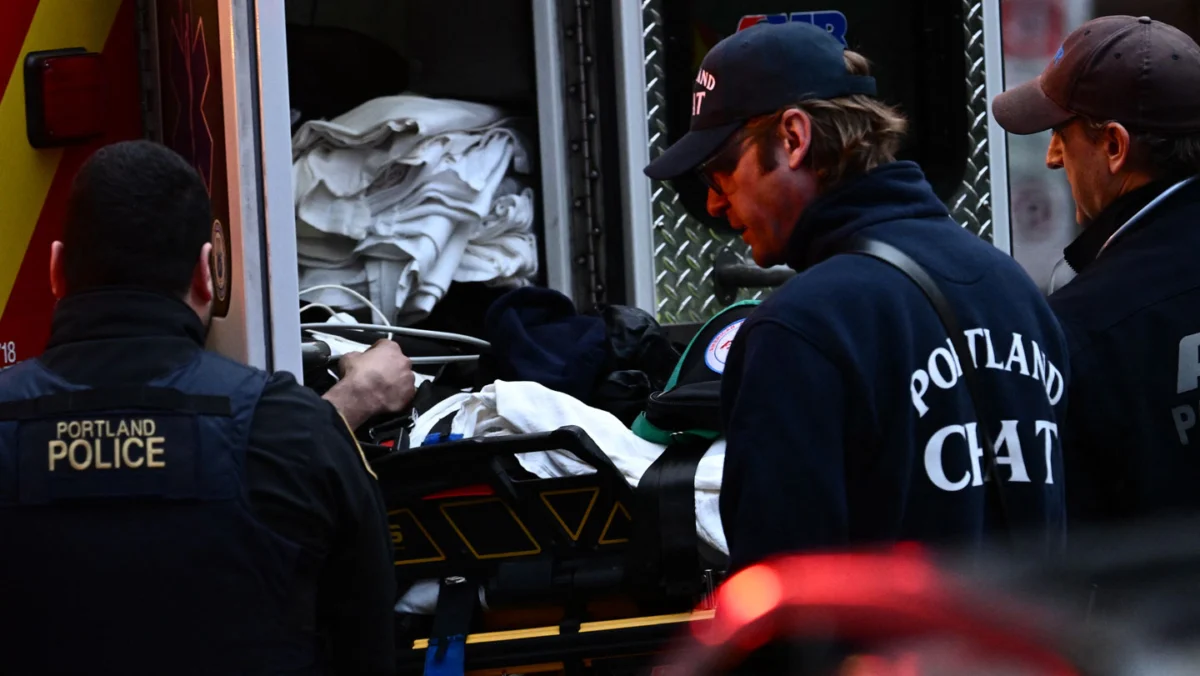
"Shock and awe." This phrase, often associated with military operations, encapsulates Fatimah Jackson’s visceral reaction to the events that unfolded in Philadelphia on May 13, 1985. On that fateful day, law enforcement authorities dropped a makeshift bomb onto a residential building, a brick-faced row house that served as the communal dwelling for MOVE, an organization committed to Black liberation, natural living, and animal rights. The bombing followed a daylong standoff and a protracted shootout, during which MOVE members refused to vacate the building. The city’s mayor ultimately sanctioned the use of an explosive device, a decision that would lead to widespread destruction and profound loss of life.
The MOVE bombing was not an isolated incident; it was the culmination of years of escalating tension between the organization and the Philadelphia police department. MOVE, founded in the 1970s by John Africa, espoused a radical philosophy that challenged societal norms, emphasizing environmentalism, a rejection of modern technology, and a strong stance against racism and oppression. Their unconventional lifestyle and confrontational tactics, however, often put them at odds with local authorities, leading to numerous standoffs and arrests. The 1985 incident, however, marked an unprecedented and brutal escalation.
Chronology of a Catastrophe
The events of May 13, 1985, unfolded over several critical hours:
- May 13, 1985, Morning: The standoff at the MOVE row house at 6221 Osage Avenue had been ongoing for nearly 24 hours. Police had surrounded the building, demanding that the residents surrender.
- Midday: Negotiations between authorities and MOVE members broke down. The situation had become increasingly tense, with sporadic gunfire exchanged.
- Afternoon: The decision was made to deploy an aerial assault. A helicopter dropped an explosive device, commonly referred to as a "bomb," onto the roof of the MOVE house.
- Immediate Aftermath: The explosion ignited a massive fire that quickly engulfed the building and spread to adjacent structures. Firefighters, under police orders, were instructed not to fully extinguish the blaze until the building was substantially consumed, fearing that MOVE members might try to escape through the flames.
- The Devastation: The bombing and subsequent fire resulted in the deaths of eleven people, including children, and the destruction of the MOVE house and 61 surrounding homes. Tragically, two police officers were also killed during the earlier shootout.
The Scientific and Ethical Nexus: Jackson’s Enduring Concern
Fatimah Jackson’s academic and activist work is deeply intertwined with the ethical considerations that surround scientific research and its application, particularly concerning marginalized communities. The MOVE bombing, in her view, represents a stark illustration of how power, unchecked by ethical frameworks, can lead to catastrophic outcomes. The use of an explosive device, a product of scientific and engineering advancement, to quell a civilian population raises profound questions about the responsibility of scientists and policymakers.
Jackson’s research often delves into the history of scientific racism and the ways in which biological data has been historically manipulated to justify oppression. She meticulously examines how scientific disciplines, from anthropology to medicine, have at various points been used to categorize, control, and exploit certain groups of people. The MOVE incident, while a specific act of state violence, can be seen as a manifestation of a broader historical pattern where scientific and technological capabilities are deployed in ways that disproportionately harm vulnerable populations.
Broader Context and Supporting Data
The MOVE bombing did not occur in a vacuum. It was a product of a turbulent era marked by significant social and political upheaval. The Civil Rights Movement had brought to light systemic injustices, and organizations like MOVE emerged as radical responses to ongoing racial inequality and police brutality.
- Historical Precedents: The Philadelphia police department had a history of aggressive tactics against MOVE. In 1978, a similar standoff at another MOVE residence resulted in the death of a police officer and the arrest of many MOVE members. This earlier confrontation also involved the use of force, though not an aerial bombing.
- The Concept of "Shock and Awe": The phrase itself, though popularized later in military contexts, reflects a strategy of overwhelming an adversary with a display of overwhelming force and technological superiority. In the context of the MOVE bombing, this strategy was applied to a civilian population within a major American city.
- Statistical Impact: The loss of life, particularly the disproportionate number of children among the victims, underscored the indiscriminate nature of the attack. The destruction of homes and displacement of residents further compounded the tragedy.
Reactions and Repercussions
The immediate aftermath of the MOVE bombing was met with a mixture of shock, outrage, and calls for accountability.
- Official Investigations: Following the incident, official investigations were launched to examine the actions of the police and city officials. These investigations, while acknowledging tactical errors and the tragic loss of life, did not result in criminal charges against the highest-ranking officials responsible for the decision to bomb the house.
- Public Outcry: Civil rights organizations and community activists condemned the bombing as an act of excessive force and a violation of human rights. The incident fueled debates about police conduct, governmental authority, and the rights of radical political groups.
- The MOVE Organization: Survivors of the bombing, though deeply traumatized, continued their activism, often highlighting the injustice they experienced and advocating for systemic change. Their narrative serves as a crucial counterpoint to official accounts and a testament to their resilience.
Fatimah Jackson’s Vision: Learning from the Past
Fatimah Jackson’s work serves as a crucial reminder that scientific advancement must be coupled with robust ethical oversight and a deep understanding of historical context. The MOVE bombing, in its brutal efficiency and tragic outcome, highlights the potential for scientific tools to be misused when ethical considerations are sidelined.
- Ethical Frameworks in Science: Jackson advocates for the development and enforcement of stringent ethical guidelines in all scientific fields, particularly those that involve human subjects or have the potential for societal impact. This includes ensuring that research does not perpetuate historical biases or contribute to the marginalization of any group.
- Interdisciplinary Approaches: Her approach emphasizes the importance of interdisciplinary dialogue, bringing together scientists, historians, ethicists, and community leaders to address complex issues. This collaborative model aims to foster a more nuanced understanding of the challenges posed by scientific and technological advancements.
- Education and Awareness: A core component of Jackson’s mission is to educate future generations about the ethical pitfalls of scientific history. By illuminating past abuses, she aims to equip emerging scientists and policymakers with the critical thinking skills necessary to avoid repeating such mistakes.
The legacy of the MOVE bombing is a somber one, but it also serves as a powerful impetus for critical reflection. Fatimah Jackson’s dedication to preventing history from repeating itself is a vital endeavor, one that calls for vigilance, ethical rigor, and a commitment to justice in the pursuit and application of knowledge. Her work reminds us that the most significant advancements are not merely technological, but also ethical, ensuring that science serves humanity in its entirety, without exception or prejudice. The shrouded silhouette in her work’s imagery symbolizes not just the unknown of the past, but also the potential for a more informed and ethically grounded future, built on the hard-won lessons of history.