The discovery, published in the New England Journal of Medicine, details the emergence of the Asian longhorned tick nairovirus (ALTNV). This pathogen was identified by a research team led by the State Key Laboratory of Pathogen and Biosecurity in Beijing. The finding stems from a multi-year effort to solve a clinical mystery: why a significant percentage of patients presenting with symptoms of Severe Fever with Thrombocytopenia Syndrome (SFTS)—a well-known, potentially fatal tick-borne disease caused by the Dabie bandavirus (DBV)—consistently tested negative for the virus.
The Clinical Context of Tick-Borne Pathogens
To understand the significance of ALTNV, it is essential to consider the landscape of tick-borne hemorrhagic fevers in Asia. For years, clinicians in rural China and across the region have relied on testing protocols centered primarily on DBV. SFTS is a serious concern, with the World Health Organization (WHO) classifying DBV as a priority pathogen due to its high case-fatality rate, which ranges from 10% to 30%. Symptoms of SFTS include severe fever, thrombocytopenia (a dangerous depletion of blood platelets), and multisystem organ failure.
As clinical surveillance improved, medical centers noticed a recurring pattern: approximately 30% of patients presenting with classic SFTS-like symptoms showed no evidence of DBV. This diagnostic gap suggested that another, as-yet-unidentified pathogen might be circulating within the same tick populations, mimicking the symptoms of the more notorious virus.
Chronology of Discovery and Research Methodology
The path to identifying ALTNV began with the collection of clinical samples from sentinel hospitals across China, specifically in areas where tick-borne viruses are hyper-endemic. Researchers employed advanced genomic techniques, including RNA sequencing and viral isolation, to analyze blood samples from patients who had sustained tick bites.
The investigation was systematic. By comparing the genetic profile of the new virus against existing databases, the Beijing-based team confirmed that ALTNV belongs to the genus Orthonairovirus within the family Nairoviridae. Genetic analysis revealed that its proteins share less than 80% amino acid sequence identity with other known species in the genus, providing the necessary molecular evidence to classify it as a distinct, novel virus.
Following the initial identification, the research team conducted laboratory validation to prove the virus’s pathogenicity. By exposing human cells to serum containing ALTNV RNA, they observed robust viral replication. Subsequent immunofluorescence assays and electron microscopy confirmed the presence of viral antigens and identified morphological features consistent with the Nairoviridae family.
Prevalence and Patient Impact
The study examined a cohort of 3,163 patients. Among this group, 10.4% tested positive for ALTNV via viral RNA detection or the presence of immunoglobulin M (IgM) antibodies, the latter of which serves as a clinical marker for recent infection.
When narrowing the focus to patients who had tested negative for the more dangerous DBV, the prevalence of ALTNV jumped to 15.1%. This confirms that the new virus is a significant contributor to the burden of "unexplained" febrile illnesses in the region.
The clinical presentation of ALTNV-only infections is notable for its systemic impact. Among the infected, 84% reported extreme fatigue, while 80% suffered from gastrointestinal complications. Laboratory findings for these patients showed that 38% experienced thrombocytopenia and 36% displayed elevated aminotransferase levels, signaling hepatic inflammation. Notably, patients infected exclusively with ALTNV showed a generally positive prognosis, with most achieving full recovery.
The Risks of Coinfection
The most alarming findings emerged from the analysis of patients suffering from coinfection—those harboring both ALTNV and DBV. The study identified 38 such individuals, and their clinical outcomes were significantly worse than those infected with DBV alone.
The coinfected cohort demonstrated a higher incidence of respiratory distress, affecting 61% of these patients compared to 38% in the DBV-only group. Kidney impairment was also markedly more prevalent, occurring in 84% of coinfected patients compared to 66% for those with only DBV. Furthermore, the case-fatality rate for the coinfected group reached 18.4%, with seven deaths recorded among the 38 patients. This indicates a synergistic effect where the presence of multiple tick-borne pathogens complicates the immune response and exacerbates clinical damage.
Ecological Drivers: The Asian Longhorned Tick
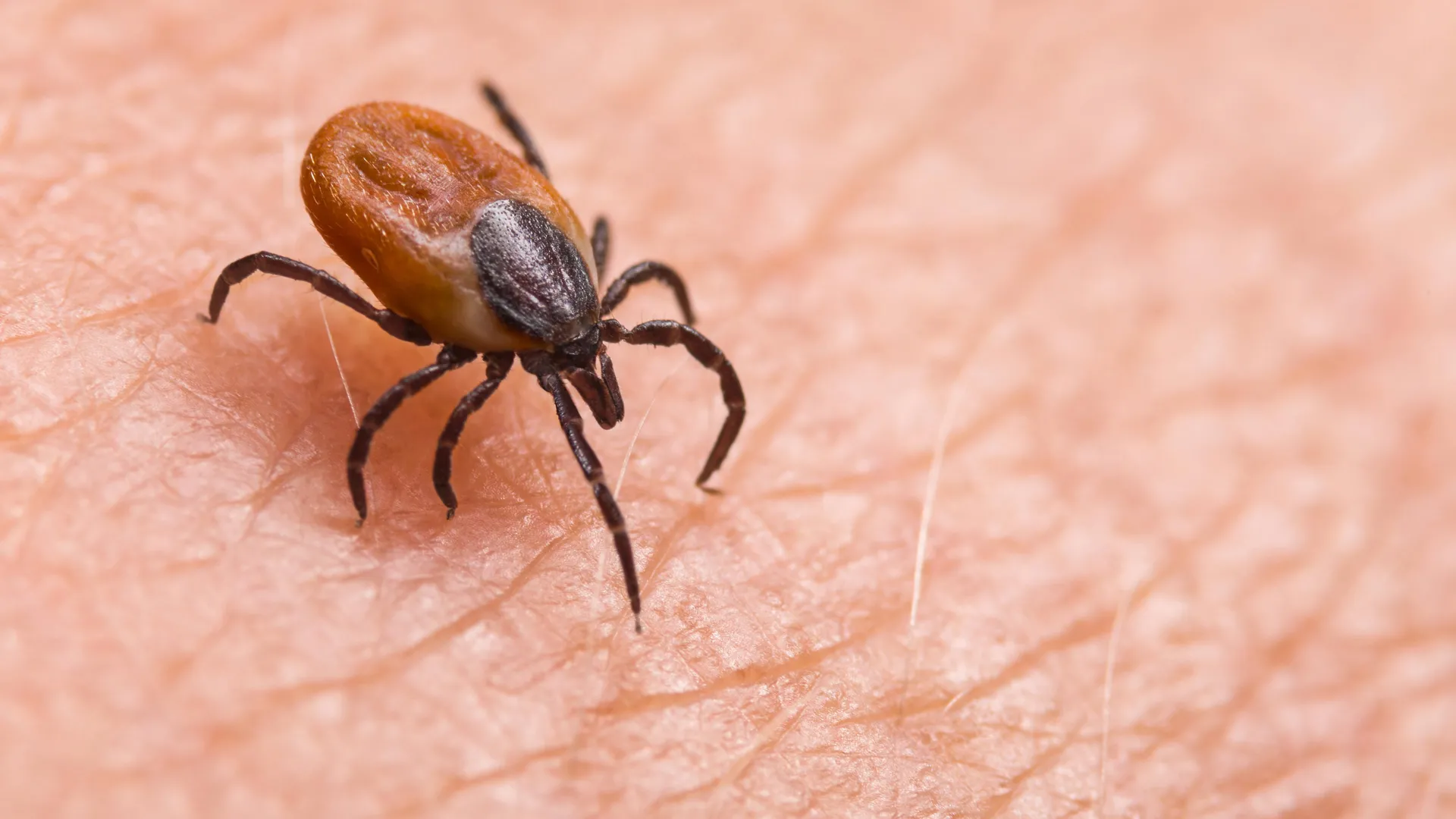
The transmission vector for ALTNV has been identified as Haemaphysalis longicornis, the Asian longhorned tick. This tick species is widely distributed, and the study’s environmental surveillance was extensive, involving the testing of 47,428 ticks across 15 Chinese provinces.
Data revealed that 1.3% of the collected ticks carried ALTNV RNA. However, the prevalence was higher in H. longicornis, at 1.8%. To confirm the vector’s competence, researchers conducted laboratory experiments demonstrating that the ticks were capable of successfully transmitting the virus to mice. The wide geographical spread of these ticks suggests that the potential for human exposure to ALTNV extends far beyond a single locality, making it a matter of regional public health concern.
Implications for Public Health and Diagnostics
The discovery of ALTNV serves as a cautionary tale regarding the evolution of zoonotic diseases. As climate change and land-use patterns alter the habitats of ticks, the risk of emerging pathogens increases. The fact that ALTNV and DBV occupy the same ecological niche and share the same vector complicates clinical management.
Public health experts emphasize that "differential diagnosis"—the process of distinguishing between two similar diseases—must be updated. Relying solely on tests for DBV in regions where SFTS is endemic will inevitably miss cases of ALTNV, potentially leading to delays in appropriate supportive care for patients who may be suffering from more severe coinfections.
The authors of the study concluded that the cocirculation of these viruses necessitates a more comprehensive diagnostic approach. Health departments in the affected regions are encouraged to implement screening protocols that test for both viruses simultaneously in patients presenting with fever, fatigue, and thrombocytopenia following a tick bite.
Broader Scientific and Policy Outlook
The identification of ALTNV also highlights the importance of continued investment in pathogen discovery programs. By applying next-generation sequencing to samples that previously yielded "negative" results, researchers have unlocked a new understanding of the viral ecology of the region.
The implications for international travel and trade are also worth noting. Haemaphysalis longicornis has demonstrated the ability to spread globally; it has already been identified as an invasive species in parts of the United States and Australia. While there is no current evidence of ALTNV circulating in these regions, the global scientific community is now alerted to the potential for the virus to hitchhike with its host tick species.
As global surveillance systems become more interconnected, the data from this study will likely inform future diagnostic kits and clinical guidelines. The focus now shifts toward developing rapid, point-of-care testing methods that can reliably distinguish between ALTNV, DBV, and other emerging tick-borne pathogens.
In the immediate term, the scientific community emphasizes the importance of tick bite prevention. Public health messaging in endemic areas should be bolstered to include awareness of the diverse range of pathogens now confirmed to be transmitted by the Asian longhorned tick. As researchers continue to monitor the evolution of ALTNV, the primary defense remains the reduction of human-tick contact and the continued refinement of diagnostic capabilities in frontline hospitals.