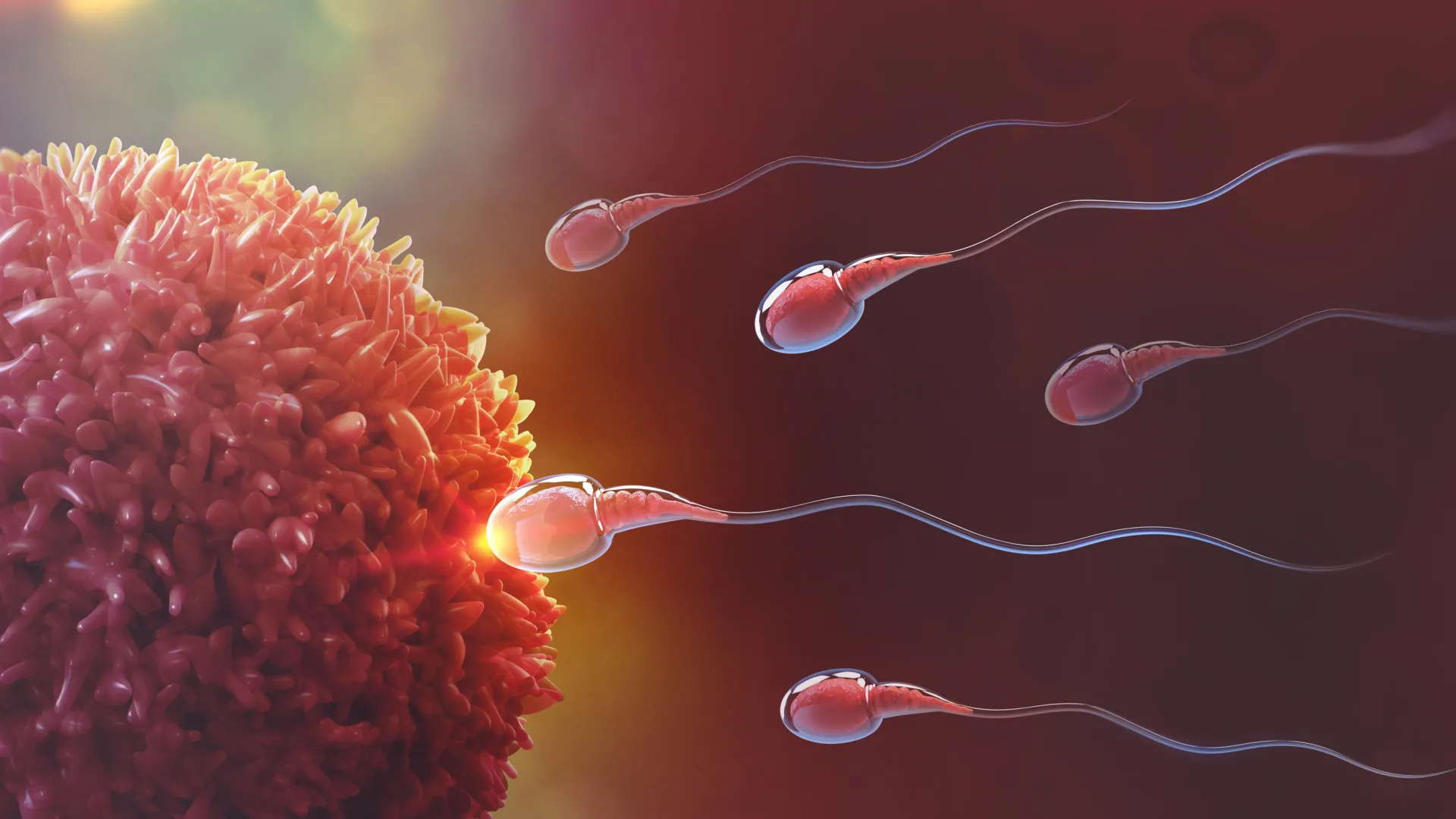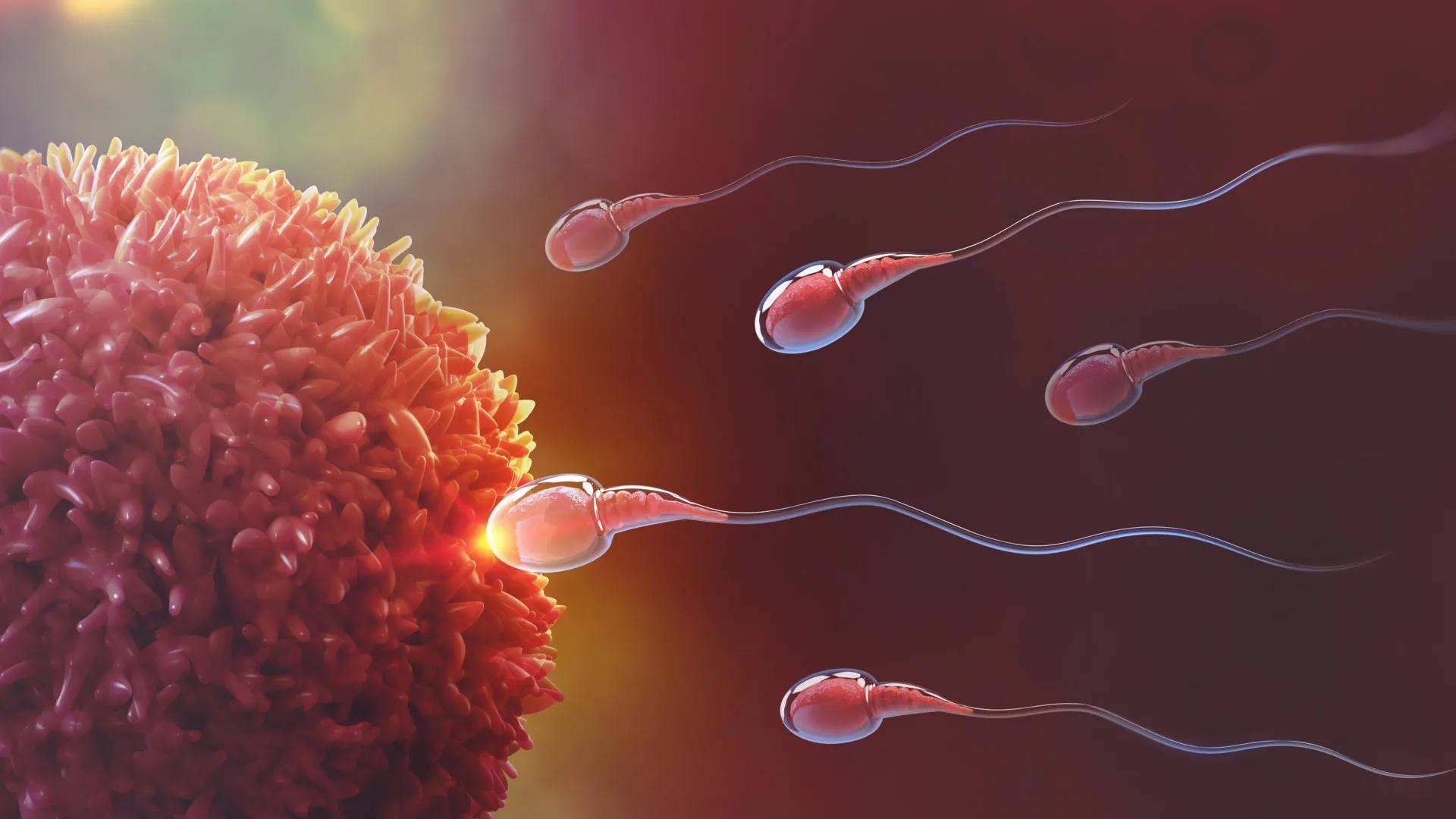
Researchers at Michigan State University have successfully identified a critical molecular switch that dramatically accelerates sperm energy production immediately prior to fertilization, marking a significant milestone in reproductive biology. Published in the Proceedings of the National Academy of Sciences, the study illuminates the complex metabolic choreography that enables mammalian sperm to transition from a quiescent, low-energy state into highly active, fertilization-competent swimmers. Led by Dr. Melanie Balbach, an assistant professor in the Department of Biochemistry and Molecular Biology, the findings hold profound implications for both the advancement of assisted reproductive technologies and the long-sought development of safe, highly effective, and nonhormonal contraceptive options for both men and women.
The research arrives at a crucial intersection of global public health and reproductive medicine. According to recent estimates from the World Health Organization, roughly one in six people worldwide experience infertility during their lifetime. Simultaneously, public health data underscores that nearly half of all pregnancies globally are unplanned. Traditional contraceptive markets have long relied heavily on female-centric, hormone-based interventions, which frequently present challenging side effects, ranging from mood alterations to cardiovascular risks. By shifting the scientific lens toward the precise metabolic mechanics of sperm activation, Dr. Balbach’s team offers a novel paradigm: the prospect of targeted, on-demand, nonhormonal birth control that can temporarily disable sperm functionality without altering a person’s systemic hormone levels.
The Cellular Metamorphosis: From Dormancy to Dynamic Action
To fully appreciate the significance of the Michigan State University discovery, one must examine the unique physiological demands placed upon mammalian sperm. Unlike somatic cells, which maintain complex metabolic pathways to support growth, tissue repair, and diverse cellular housekeeping duties, sperm cells are functionally specialized. Their entire biological architecture is engineered toward a solitary, high-stakes objective: delivering genetic cargo to an oocyte.
Prior to ejaculation, mammalian sperm reside within the male reproductive tract in a state of suspended animation, conserving precious metabolic fuel to maximize their operational lifespan. However, once introduced into the female reproductive tract, these cells undergo an extraordinary transformation. They rapidly increase their motility, shifting from a passive drift to a powerful, propulsive swimming pattern. Simultaneously, they execute complex biochemical adjustments along their outer cellular membranes, a necessary precursor to successfully binding with and penetrating an egg.
This abrupt transition demands a sudden, massive surge in cellular energy production. Until now, the precise intracellular mechanisms governing this metabolic gear-shift remained poorly understood. While scientists knew that glucose served as a primary fuel source, the step-by-step molecular pathways dictating how sperm process and prioritize this energy had eluded detailed mapping.
Chronology of Discovery: Tracing the Metabolic Highway
The breakthrough is the culmination of years of rigorous biochemical investigation. The chronological roots of this study trace back to Dr. Balbach’s previous tenure at Weill Cornell Medicine, where she contributed to groundbreaking research demonstrating that selectively blocking a critical sperm enzyme could induce temporary, reversible infertility in male mice. That foundational discovery offered the initial proof-of-concept that targeting metabolic enzymes could serve as a viable strategy for nonhormonal contraception.
Following her recruitment to Michigan State University in 2023 to expand her pioneering laboratory, Dr. Balbach forged strategic collaborations with investigators at Memorial Sloan Kettering Cancer Center and the Van Andel Institute. Together, the multidisciplinary team engineered an innovative tracing methodology to observe real-time metabolic activity within living sperm cells.
To map how sperm process glucose absorbed from their surrounding microenvironment, the researchers utilized advanced tracing techniques. Describing the process metaphorically, Dr. Balbach likened the approach to painting the roof of a car bright pink and subsequently tracking its trajectory through congested urban traffic via an overhead drone.
By applying this methodology, the investigative team observed stark behavioral contrasts between inactive sperm and their activated counterparts. Activated sperm moved markedly faster through their metabolic pathways, displayed distinct route preferences for energy distribution, and revealed specific biochemical intersections where metabolic bottlenecks routinely occurred. Leveraging state-of-the-art analytical instrumentation, including the Mass Spectrometry and Metabolomics Core at Michigan State University, the researchers constructed a comprehensive, step-by-step roadmap of the high-energy processes required for successful fertilization.
Aldolase and the Mechanics of Metabolic Control
At the center of this newly mapped metabolic network lies an enzyme known as aldolase. The study revealed that aldolase acts as a critical molecular gatekeeper, playing a decisive role in converting glucose into usable cellular energy just as the sperm prepares for fertilization. Furthermore, the findings demonstrated that sperm do not rely exclusively on external nutrients; they also draw upon internal energy reserves accumulated during the early stages of their journey.
Additional regulatory enzymes were identified acting as metabolic traffic controllers, dictating the velocity and volume of glucose moving through various biochemical pathways. By managing the efficiency with which energy is generated, these enzymes effectively govern whether a sperm cell remains dormant or enters hyper-activation.
Dr. Balbach’s ongoing research agenda involves expanding these inquiries to explore how sperm utilize alternative fuel sources, such as fructose, to meet their rigorous energy demands. Understanding the metabolic flexibility of sperm across different nutritional landscapes could uncover additional targets for therapeutic and contraceptive intervention.
Implications for Assisted Reproduction and Infertility Diagnosis
Beyond the realm of contraception, the elucidation of sperm metabolism carries profound implications for the treatment of male factor infertility, which contributes to roughly half of all infertility cases globally. Current diagnostic tools primarily evaluate basic sperm parameters such as concentration, motility, and morphology using standard microscopic analysis. However, these traditional metrics occasionally fail to diagnose the root causes of unexplained infertility or predict success rates in assisted reproductive technologies like in vitro fertilization (IVF) and intracytoplasmic sperm injection (ICSI).
By establishing a clear baseline of healthy sperm metabolism and identifying the specific energy failures that lead to dysfunction, researchers hope to develop advanced, metabolism-based diagnostic assays. These next-generation tools could allow clinicians to assess sperm fitness at a molecular level, selecting the most metabolically competent sperm for fertilization procedures and ultimately improving clinical pregnancy rates for couples struggling with conception.
Furthermore, a deeper understanding of how sperm metabolize nutrients in vitro could lead to the optimization of media used in fertility clinics to store and prepare sperm for assisted reproductive procedures, preserving their energetic integrity and enhancing overall success rates.
A New Frontier in Nonhormonal Contraception
The most transformative potential of the Michigan State University study lies in the development of nonhormonal contraceptives. Historically, male contraceptive research has faced significant hurdles. Pharmaceutical approaches aimed at halting sperm production—known as spermatogenesis inhibition—frequently fail to achieve immediate efficacy, requiring weeks or months of consistent administration to clear viable sperm from the reproductive tract. Additionally, these approaches often rely on exogenous hormones, which can induce adverse side effects mirroring those experienced by women using hormonal birth control, including weight gain, libido changes, and mood disturbances.
Dr. Balbach’s metabolic approach sidesteps these limitations entirely. By targeting specific regulatory enzymes, such as aldolase or other metabolic checkpoints identified in the study, scientists envision the creation of an on-demand, nonhormonal inhibitor. Taken shortly before intercourse, such a pharmacological agent could temporarily and reversibly disable sperm motility and metabolic function at the moment of need. Once the medication clears the system, normal sperm function would resume, preserving long-term reproductive health and fertility.
This strategy offers a dual benefit for reproductive autonomy. For men, it introduces a reliable, agency-enhancing tool that shares the responsibility of family planning. For women, it provides a viable alternative to existing hormonal contraceptives, alleviating the burden of side effects and expanding personal freedom in reproductive choices.
Future Directions and Broader Impact
With the initial proof-of-concept established through preclinical models, the research team’s next critical objective is to determine how these murine findings translate to human physiology. Because metabolic pathways can exhibit subtle species-specific variations, validating the role of aldolase and related regulatory enzymes in human sperm is an essential prerequisite for translational clinical trials.
Supported by funding from the National Institute of Child Health and Human Development, part of the National Institutes of Health, the research represents a major stride forward in basic reproductive science. As Dr. Balbach and her collaborators extend their investigations to human subjects, the scientific community moves incrementally closer to realizing a new generation of reproductive health solutions.
Ultimately, the identification of this molecular switch transcends a single biochemical discovery. It represents a paradigm shift in how reproductive biologists conceptualize cellular energy, opening fertile new ground for solving global challenges in both infertility treatment and contraception.