Scientists at Cornell University have reached a critical milestone in the long-sought quest for a reliable, safe, reversible, and entirely nonhormonal male contraceptive. In a comprehensive proof-of-principle study spanning six years, a dedicated team of geneticists and reproductive biologists demonstrated that it is possible to temporarily halt spermatogenesis—the biological process of sperm production—without inflicting permanent damage to a male’s overall reproductive system or altering his genetic legacy.
The findings, which represent a paradigm shift in how the scientific community approaches reproductive medicine, were published in the Proceedings of the National Academy of Sciences. By demonstrating that targeted pharmacological intervention during a specific cellular division phase can safely arrest sperm development and that normal fertility can subsequently be restored, the Cornell research group has opened a promising new frontier in family planning and global health.
For decades, the burden of contraception has fallen disproportionately on women, largely due to the immense complexity of safely manipulating male reproductive biology. While female contraceptive options have evolved significantly since the introduction of the birth control pill in the 1960s, male options have remained virtually stagnant, anchored to external barriers and permanent surgical interventions. The new study changes this narrative by proving that targeted molecular inhibition within the testes is not only theoretically viable but practically achievable in mammalian models.
The Urgent Need for Innovation in Male Contraception
The landscape of male contraception has long been characterized by a stark lack of diversity. Historically, sexually active men and their partners have had to choose between barrier methods, such as condoms, which rely heavily on consistent compliance and carry a distinct failure rate during typical use, and surgical sterilization via vasectomy.
While vasectomies are highly effective, they are designed to be permanent. Although vasectomy reversal procedures exist, they are expensive, invasive, microsurgical operations that do not guarantee the restoration of fertility, with success rates declining significantly the longer the procedure has been in place. Consequently, many men hesitate to undergo the surgery, particularly younger individuals who may desire children in the future.
Meanwhile, the development of hormonal male contraceptives—typically involving testosterone derivatives or synthetic progestins designed to suppress the pituitary hormones that stimulate sperm production—has faced continuous hurdles. Hormonal approaches often mimic the complex feedback loops of the endocrine system, frequently resulting in unacceptable side effects akin to those that have historically discouraged some women from using hormonal birth control, including mood disturbances, weight gain, acne, and adverse shifts in lipid profiles. Furthermore, shutting down systemic hormones can impact secondary sex characteristics, libido, and cardiovascular health.
Recognizing these limitations, the Cornell research team, led by Paula Cohen, professor of genetics and director of the Cornell Reproductive Sciences Center, deliberately bypassed hormonal pathways. Instead, they focused on the cellular and genetic mechanisms operating locally within the testes.
"We’re practically the only group that’s pushing the idea that contraception targets in the testis are a feasible way to stop sperm production," Cohen noted, emphasizing the unique nature of their localized, nonhormonal strategy.
The Six-Year Chronology of a Scientific Breakthrough
The publication of these findings is the culmination of six years of meticulous laboratory investigation, careful trial design, and rigorous biological tracking. The project began as an exploratory effort to understand the fine-tuned genetic checkpoints of meiosis—the specialized type of cell division that reduces the chromosome number by half, resulting in the formation of haploid gametes, or sex cells.
During the early phases of the project, researchers cataloged the various protein interactions and enzymatic triggers necessary for normal germ cell maturation in male mice. They identified prophase 1 of meiosis as the most vulnerable yet promising window for intervention. Unlike earlier stages involving spermatogonial stem cells—the foundational cells that continuously divide to replenish the supply of sperm precursors—prophase 1 occurs later in the developmental pipeline.
Targeting spermatogonial stem cells was deemed too risky by the research team. If a drug completely destroys or permanently impairs these foundational stem cells, the patient faces irreversible sterility. Conversely, targeting cells that have already advanced past the stem cell stage allows for a clean break in the production line without burning the bridge to future fertility. Similarly, targeting the final stages of spermiogenesis—where mature sperm are formed—carried the distinct hazard of allowing partially developed, potentially damaged, or genetically aberrant sperm to escape and successfully fertilize an egg.
By focusing precisely on prophase 1, the researchers struck a balance: they could interrupt the maturation cycle cleanly, induce cell death (apoptosis) in the arrested cells, and leave the underlying stem cell population entirely unharmed and ready to regenerate once the inhibiting agent cleared the body.
The Mechanism of Action: How JQ1 Works
To test this biological hypothesis in vivo, the Cornell team utilized a small molecule inhibitor known as JQ1. Originally synthesized and studied by cancer researchers and immunologists to investigate gene expression in tumors and inflammatory conditions, JQ1 functions as a bromodomain and extra-terminal domain (BET) protein inhibitor.
While JQ1 itself is unsuitable for widespread human clinical use due to off-target neurological side effects and rapid clearance profiles, it served as an ideal pharmacological tool for this proof-of-principle study. JQ1 is known to interfere with specific regulatory proteins required for the transcription of genes essential during prophase 1 of meiosis.
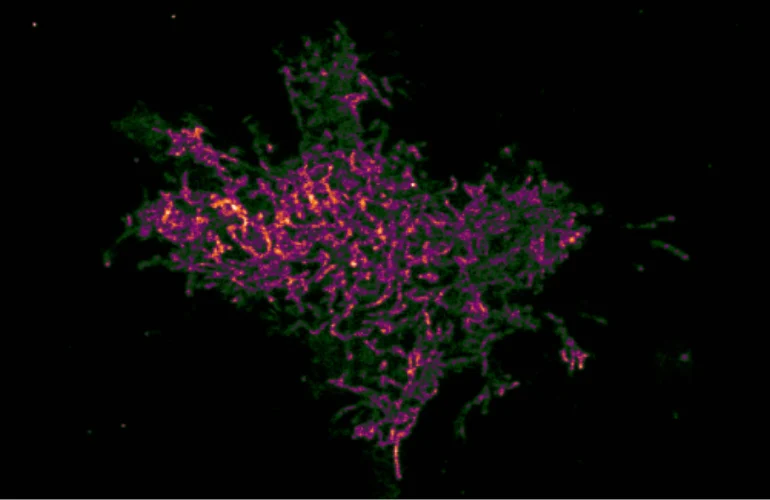
In the experimental protocol, adult male mice were administered JQ1 over a controlled period of three weeks. Throughout this treatment window, the drug effectively blocked the gene activity necessary for the progression of meiosis. The developing germ cells stalled during prophase 1 and subsequently underwent programmed cell death, resulting in a complete cessation of sperm production. The treated mice displayed no outward signs of distress, and their general health remained stable throughout the administration period.
Crucially, the research team monitored the cessation phase to ensure that the impact was strictly localized and temporary. Once the three-week JQ1 regimen concluded, the researchers ceased administration and closely monitored the physiological recovery of the test subjects.
Recovery, Resumption of Fertility, and Offspring Health
The most critical phase of the six-year study involved observing the aftermath of the treatment cessation. Science has long understood that stopping sperm production is relatively simple; proving that the process can be fully reversed without genetic corruption has been the primary barrier to nonhormonal male contraceptive development.
Within six weeks following the discontinuation of JQ1, the Cornell team observed a remarkable biological rebound. The unharmed spermatogonial stem cells, having been preserved throughout the treatment window, resumed their normal division cycles. Meiotic processes re-initiated, progressing successfully through prophase 1 and completing the full maturation cascade. Within a short period, healthy, motile sperm production was entirely restored to baseline levels.
To confirm that the newly produced sperm were not only structurally normal but functionally viable, the researchers conducted breeding trials. The treated male mice were paired with healthy females. The pairings resulted in successful pregnancies and normal litter sizes.
Furthermore, exhaustive genetic and phenotypic analyses of the resulting offspring revealed no abnormalities. The second generation was entirely healthy, developed normally, and demonstrated full reproductive capability of their own.
"It shows that we recover complete meiosis, complete sperm function, and more importantly, that the offspring are completely normal," Cohen reiterated, highlighting the profound safety implications of the study’s generational tracking data.
Broad Implications and the Future of Contraceptive Design
The successful completion of this study marks a turning point in reproductive science, proving that nonhormonal, reversible male contraception is not merely a theoretical ideal but a biologically attainable reality. By establishing that meiotic checkpoints can be safely manipulated without causing permanent sterility or genetic damage, the Cornell team has provided a blueprint for pharmaceutical developers worldwide.
Translating these findings into a viable commercial product for human use will require significant additional research. The primary objective for chemists and pharmacologists will be to design a novel, highly specific small-molecule inhibitor that mimics the precise meiotic-interrupting properties of JQ1 while eliminating its undesirable off-target neurological side effects.
When discussing what a future human contraceptive derived from this research might look like, Professor Cohen envisions a highly convenient delivery mechanism tailored to modern lifestyle preferences. Rather than requiring daily pills—which demand strict compliance and can suffer from high rates of human error—a human equivalent could potentially be administered via a clinical injection given once every three months, or perhaps delivered through a sustained-release transdermal patch designed to maintain steady therapeutic levels within the testicular microenvironment.
Such an option would grant men direct, autonomous control over their reproductive futures, effectively balancing the historical burden of birth control. It would offer a middle ground between the permanence of surgical sterilization and the fleeting reliability of barrier methods, while avoiding the systemic endocrine complications associated with hormonal regimens.
As funding for reproductive health research continues to evolve, the Cornell University study provides a solid, peer-reviewed foundation upon which future clinical trials can be built. While human clinical trials remain years away, this six-year study definitively answers long-standing questions regarding the feasibility of targeting the testis for nonhormonal birth control, bringing humanity one step closer to the ultimate holy grail of modern contraception.