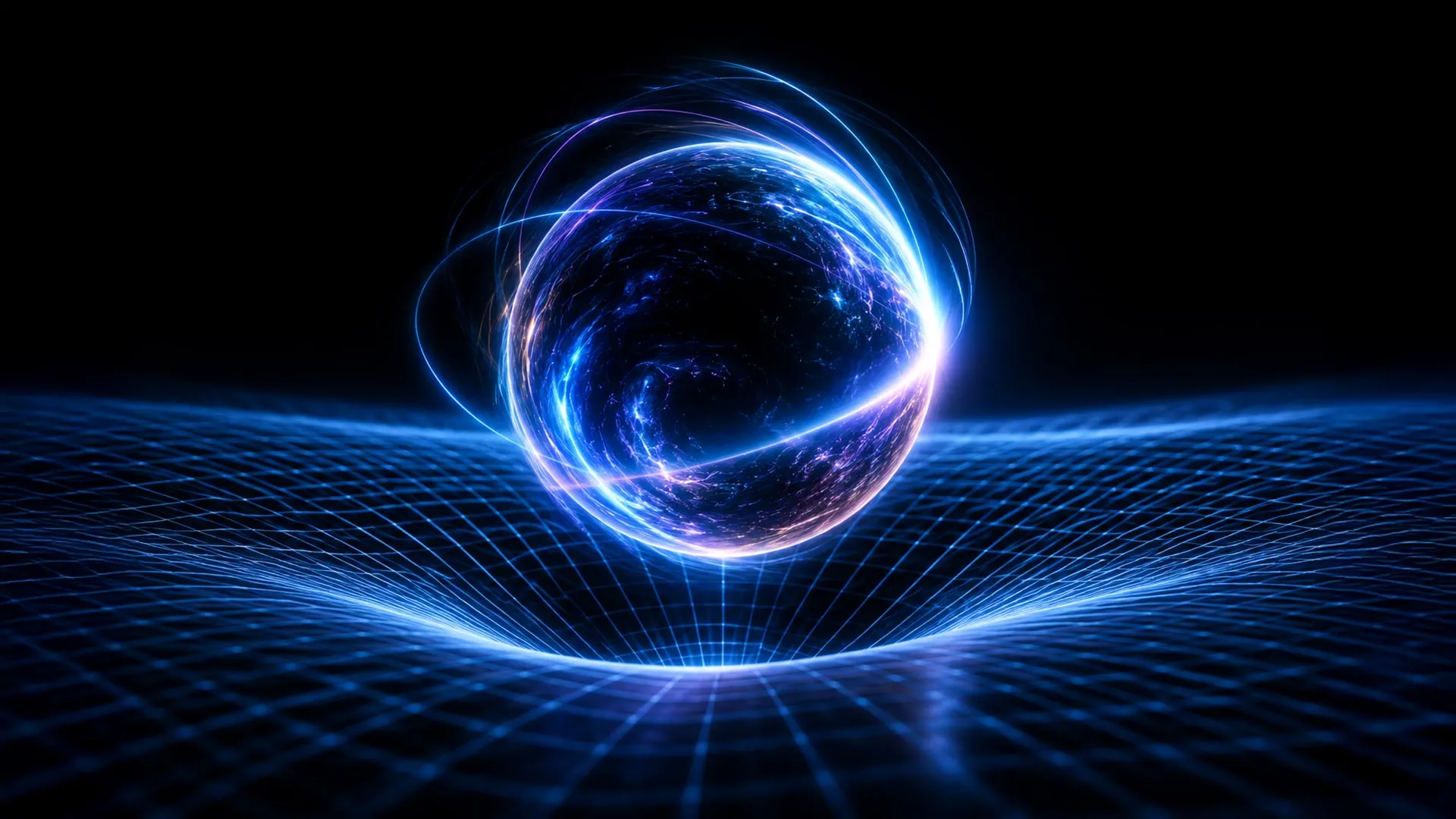
For centuries, humanity has understood gravity as a universal force that treats all matter equally, pulling an apple, a planet, or a proton toward the Earth with an identical acceleration in a vacuum. This fundamental premise, famously demonstrated by Galileo Galilei and later formalized by Isaac Newton, forms the bedrock of classical physics. Albert Einstein later enshrined this concept as the equivalence principle within his general theory of relativity, asserting that gravitational mass and inertial mass are indistinguishable.
Yet, as modern physics reaches the limits of the Standard Model, researchers are increasingly driven to test whether these classical assumptions hold true at the most fundamental subatomic levels. Now, a collaborative team of physicists at ETH Zurich and the Paul Scherrer Institute (PSI) in Villigen, Switzerland, has crossed a critical threshold in experimental physics. They are preparing to test whether gravity influences every type of particle in the universe in the exact same way—using an elusive, short-lived entity known as the second-generation muon.
This ambitious scientific endeavor aims to measure the gravitational interaction of the muon for the very first time. By venturing beyond the familiar matter that constitutes our everyday world, researchers hope to probe the deepest mysteries of particle generations, potentially uncovering new dimensions of physics that extend far beyond Einstein’s established framework.
The Subatomic Hierarchy: Why the Muon Matters
To understand the magnitude of the upcoming experiment, one must examine the building blocks of the universe. The matter that makes up human bodies, the Earth, the stars, and nearly everything visible in the cosmos consists of protons, neutrons, and electrons. In the taxonomy of particle physics, these particles are classified as belonging to the first generation of matter. They are stable, abundant, and thoroughly studied.
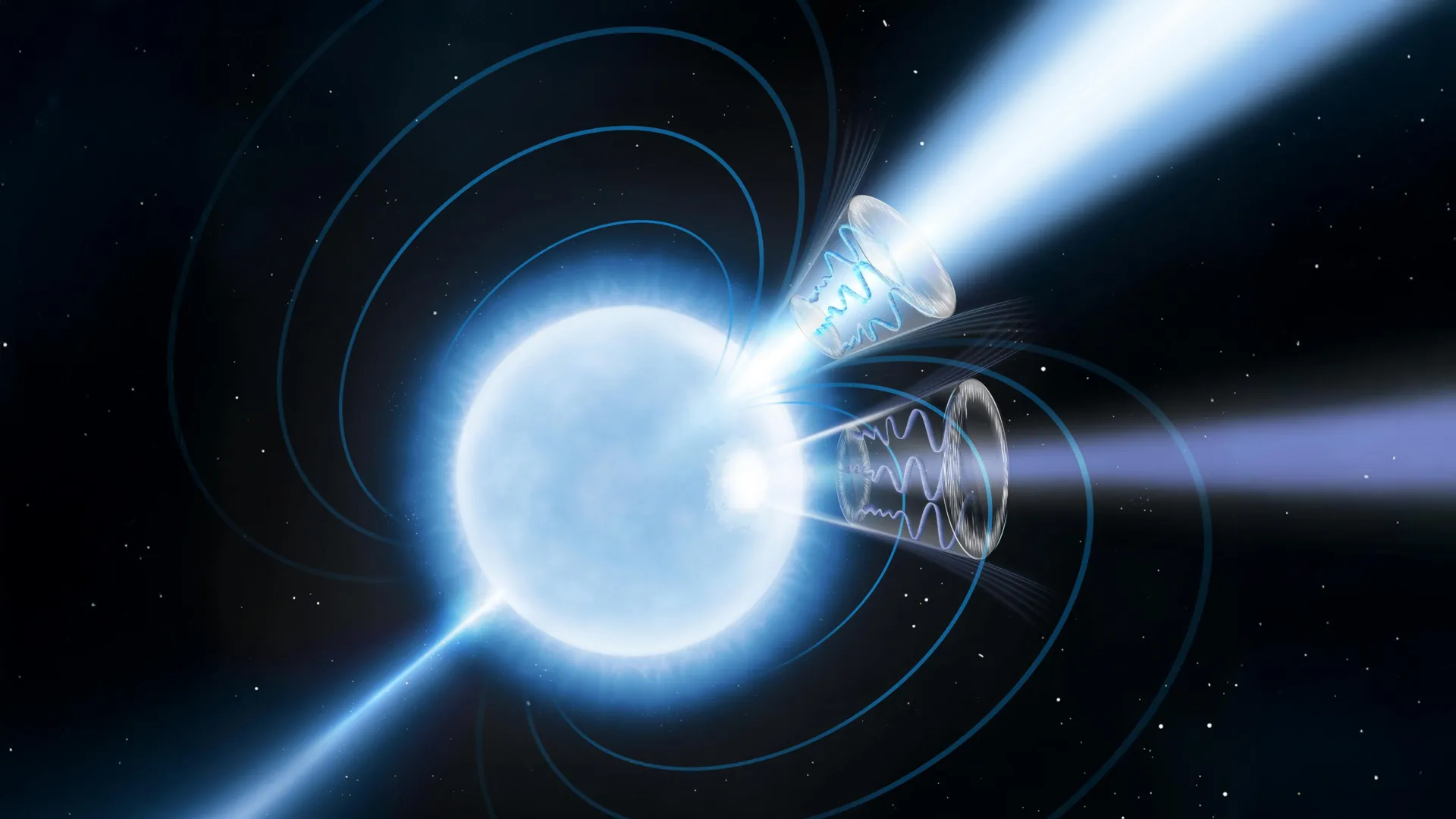
However, the Standard Model acknowledges a curious and perplexing cosmic redundancy: nature features two additional, heavier generations of particles. The second and third generations mirror the first in many ways but possess significantly greater mass. Among them is the muon, a heavier, unstable cousin of the electron belonging to the second generation.
While accelerators routinely produce muons and their antiparticles—antimuons—physicists remain profoundly puzzled by their very existence. The Standard Model successfully categorizes these particles, but it offers no explanation for why nature requires three distinct generations, nor why the heavier counterparts exist at all. This unresolved cosmic riddle leads directly to a deeper question: do these heavier second- and third-generation particles respond to gravity in the exact same way as their lighter first-generation relatives? Until now, testing this hypothesis has remained technically out of reach.
Overcoming Experimental Hurdles: The Challenge of Antimatter and Neutrality
Testing the universality of free fall with exotic particles presents formidable experimental obstacles. Gravity is exceptionally weak compared to the other fundamental forces of nature, particularly electromagnetism—in fact, electromagnetism is roughly $10^36$ times stronger than gravity on the quantum scale.
If researchers attempt to measure the gravitational pull on a charged particle, stray electromagnetic fields in the laboratory will inevitably overwhelm the minute gravitational effect, rendering the measurement impossible. To circumvent this, scientists must utilize a neutral atomic system.
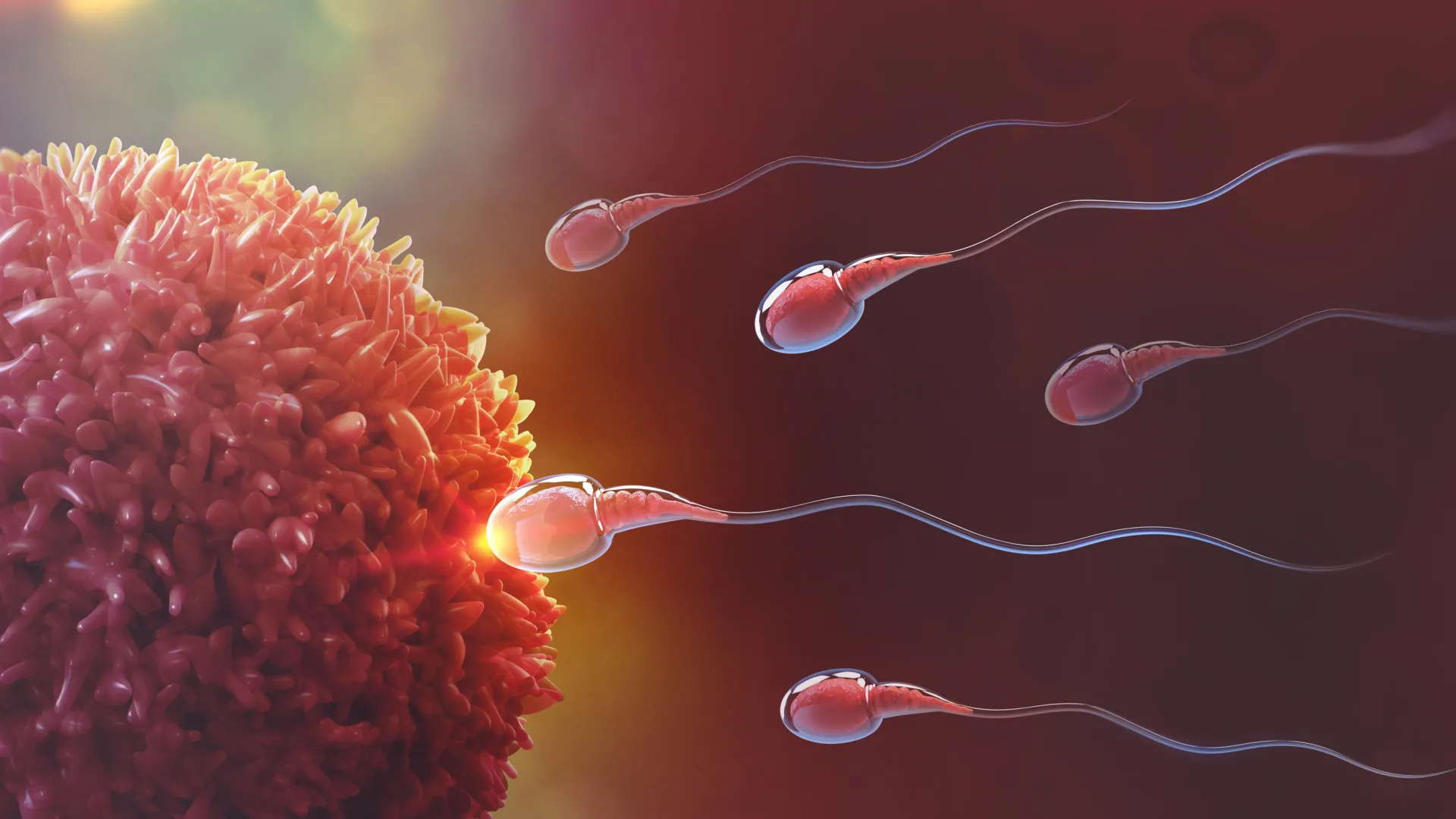
At PSI, researchers can generate positively charged antimuons using a high-intensity particle accelerator. When an antimuon captures a negatively charged electron, the two form a short-lived, neutral exotic atom known as muonium. Because muonium is electrically neutral, it offers an ideal vehicle for gravitational testing, shielding the experiment from the distorting interference of stray electromagnetic fields.
Nevertheless, muonium introduces a severe temporal constraint: muons have a mean lifetime of only about 2.2 microseconds before decaying into other particles. Furthermore, traditional methods of producing muonium resulted in atoms traveling at wildly erratic speeds and in diverse directions, making them entirely unsuited for the extreme precision required in gravitational free-fall measurements. For decades, these obstacles kept the gravitational properties of second-generation particles strictly in the realm of theoretical speculation.
The Breakthrough: Superfluid Helium as an Atomic Cannon
The recent turning point in this decades-long quest came when researchers at PSI engineered a novel technique to produce "cold" muonium beams, detailed in a study published in the journal Nature Physics.
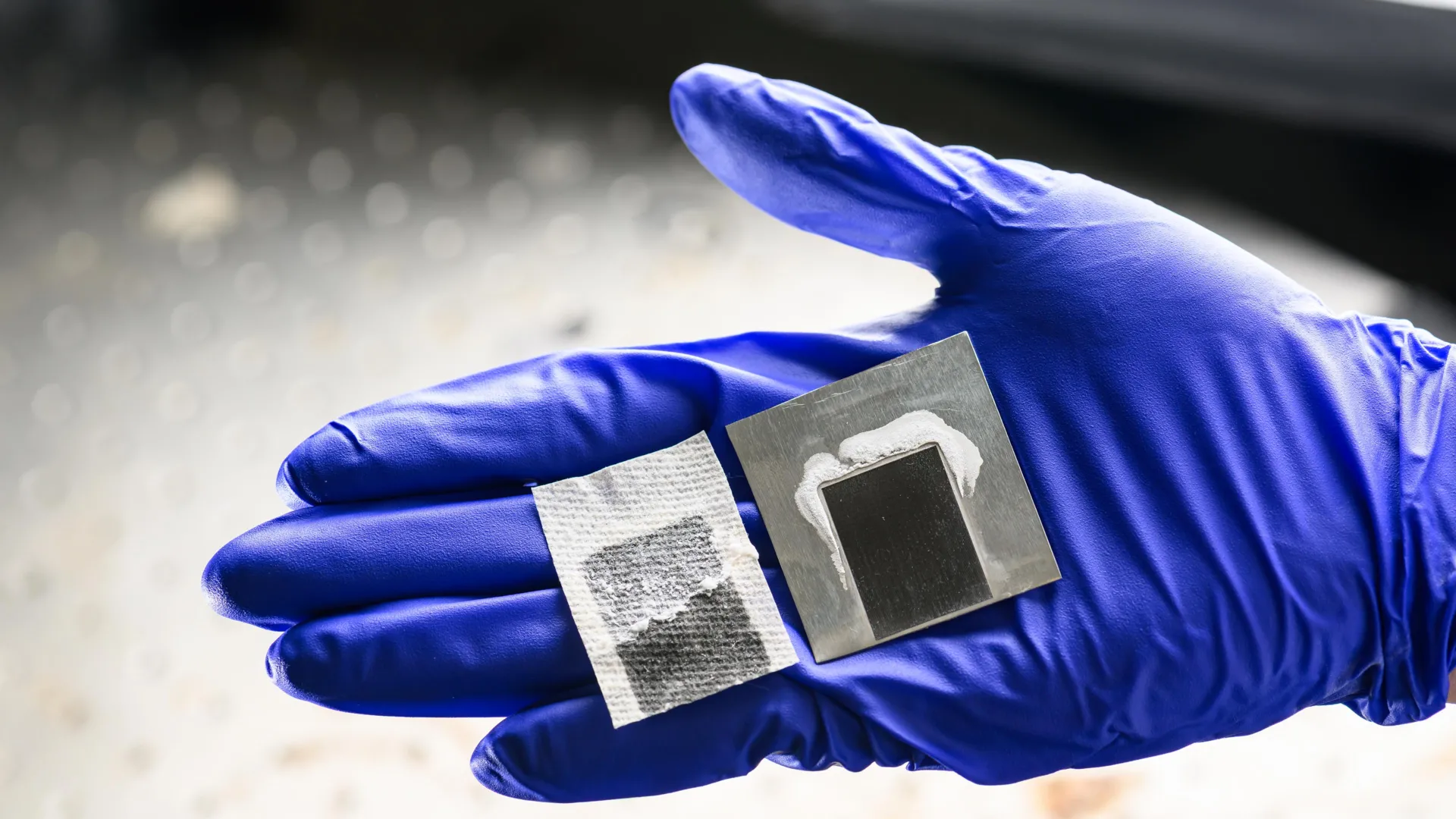
The breakthrough relies on superfluid helium, a remarkable quantum fluid cooled to near absolute zero—approximately minus 273 degrees Celsius. At this extreme temperature, individual helium atoms lose their classical identities, forming a frictionless fluid that tolerates virtually no impurities.
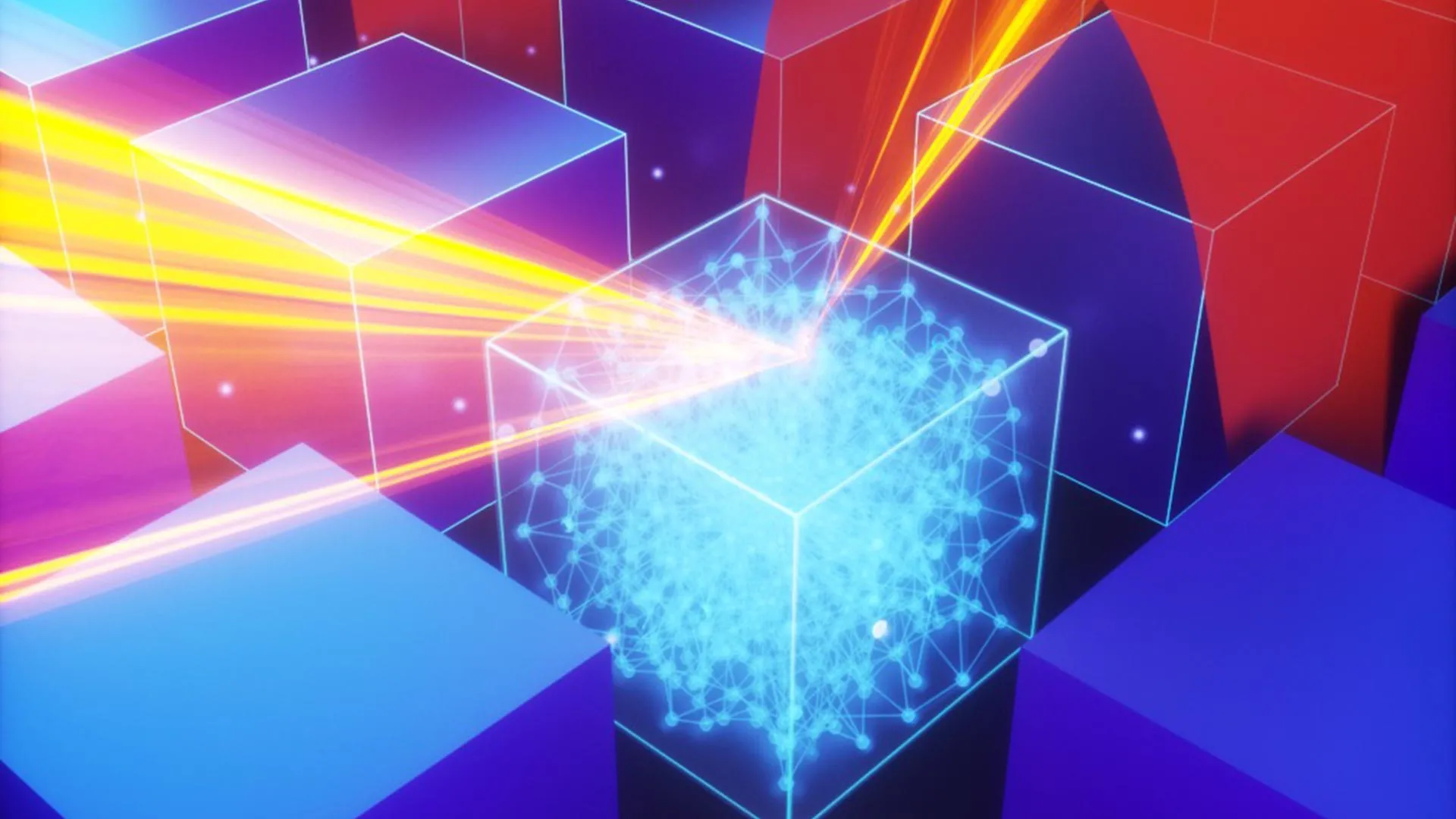
The experimental sequence unfolds with meticulous precision. Antimuons generated by PSI’s world-leading accelerator are directed into a thin layer of superfluid helium. As the high-energy antimuons penetrate the liquid, they rapidly decelerate. Upon encountering a free electron within the cryogenic environment, an antimuon binds with it to form a muonium atom possessing a positive chemical potential.
This chemical potential acts as a thermodynamic driving force, expelling the newly formed neutral atom out of the liquid helium. As the muonium breaks through the surface, the chemical potential is instantaneously converted into kinetic energy. This energy transfer acts as an atomic cannon, propelling the muonium beam vertically upward at a controlled, predictable velocity.
Crucially, the muonium atoms must traverse the quantum liquid without undergoing destructive collisions, all within a fraction of their 2.2-microsecond lifespan. Thanks to the exceptional intensity of PSI’s continuous muon beam facility, researchers can generate a high volume of these atoms, transforming an elusive theoretical concept into a reproducible laboratory procedure.
Constructing the Interferometer: A Timeline Toward the Ultimate Test
With the production of a controlled, cold muonium beam successfully demonstrated, the research team has embarked on the next phase of development: constructing a specialized atomic interferometer.
The timeline for the project is advancing rapidly. Having published their beam-production methodology in Nature Physics, the team plans to test the interferometer system using the atomic beam later this year. If these preliminary diagnostic tests yield successful results, the actual gravitational measurement experiment is slated to take place within the next two to three years.
This specialized instrument will exploit the wave-like properties of atoms to generate an interference pattern. When the upward-moving muonium beam is subjected to Earth’s gravitational field, gravity will induce an infinitesimally small phase shift in the wave interference pattern. By detecting and measuring this minute spatial displacement, the physicists will be able to determine, with unprecedented precision, how gravity acts upon a second-generation particle.
In addition to testing gravity, this refined muonium beam opens the door to high-precision laser spectroscopy. These supplementary experiments could refine our understanding of the muon’s mass and fundamental physical constants, addressing long-standing discrepancies in modern particle physics, such as the persistent anomalies measured in muon magnetic moment experiments.
Broader Implications: Einstein, the Equivalence Principle, and the Search for a Fifth Force
The implications of this research extend to the very foundations of modern physics. Albert Einstein’s equivalence principle assumes that the ratio of gravitational mass to inertial mass is identical for all matter, regardless of its internal composition or generational lineage.
Should the ETH Zurich and PSI experiments reveal that muonium responds to gravity differently than ordinary first-generation matter, the shockwaves through the physics community would be profound. Such a discovery would indicate a violation of the universality of free fall at the subatomic level.
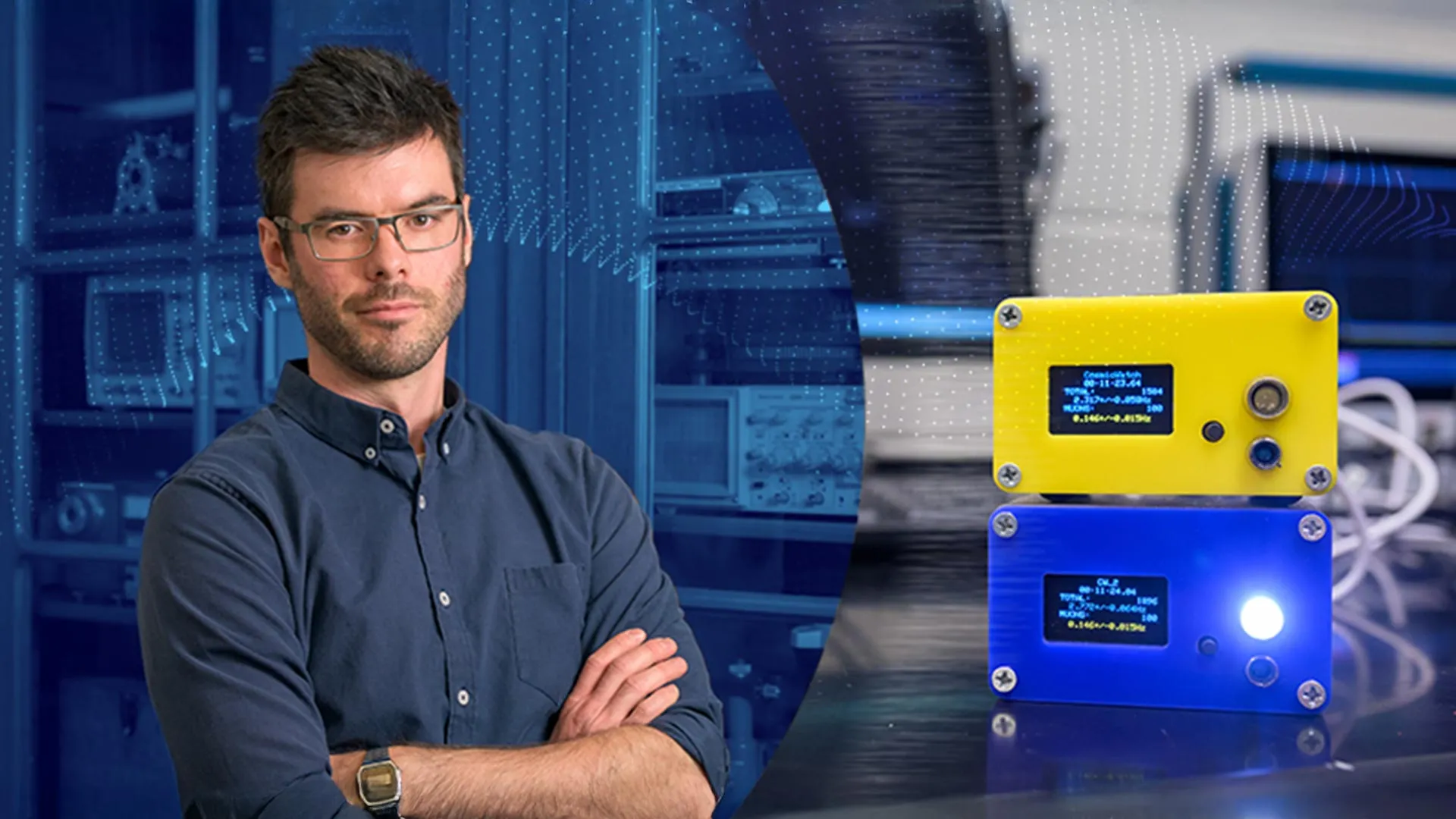
According to Ante Soter, the physics professor leading the initiative, a deviation from standard gravitational behavior could point toward the existence of an undiscovered fifth fundamental force of nature. Modern physics currently recognizes four fundamental interactions: gravity, electromagnetism, the strong nuclear force, and the weak nuclear force. While theoretical physicists have periodically hypothesized additional forces to explain cosmological anomalies—such as the nature of dark matter or dark energy—no fifth force has ever been empirically confirmed.
Despite the tantalizing possibility of discovering new physics, the researchers maintain a rigorous, objective scientific stance. Detecting a fifth force is not the primary objective of the experiment; rather, the immediate goal is purely empirical: testing whether the equivalence principle holds true across different generations of matter.
"I am completely open-minded," Soter noted regarding the potential outcomes. "I simply want to measure, for the first time, whether the equivalence between gravitational and inertial mass also applies to the second generation of particles—this alone is quite an inspiring piece of work."
Institutional Support and Future Horizons
This groundbreaking research is supported by the National Centre of Competence in Research (NCCR) Muoniverse, a collaborative scientific network dedicated to advancing muon-based physics in Switzerland. By uniting experts from ETH Zurich, PSI, and international institutions, the network provides the necessary infrastructure and funding to tackle some of the most challenging questions in fundamental physics.
As the scientific community awaits the upcoming interferometer trials, the experiment stands as a testament to the power of technological innovation in experimental physics. By turning superfluid helium into an atomic cannon and harnessing the unique properties of short-lived antimatter, researchers are pushing the boundaries of what can be measured in a laboratory. Whether the results reinforce Einstein’s century-old theories or point toward an entirely new paradigm of fundamental forces, the upcoming muonium gravity experiment promises to reshape our understanding of how the universe operates at its most fundamental level.