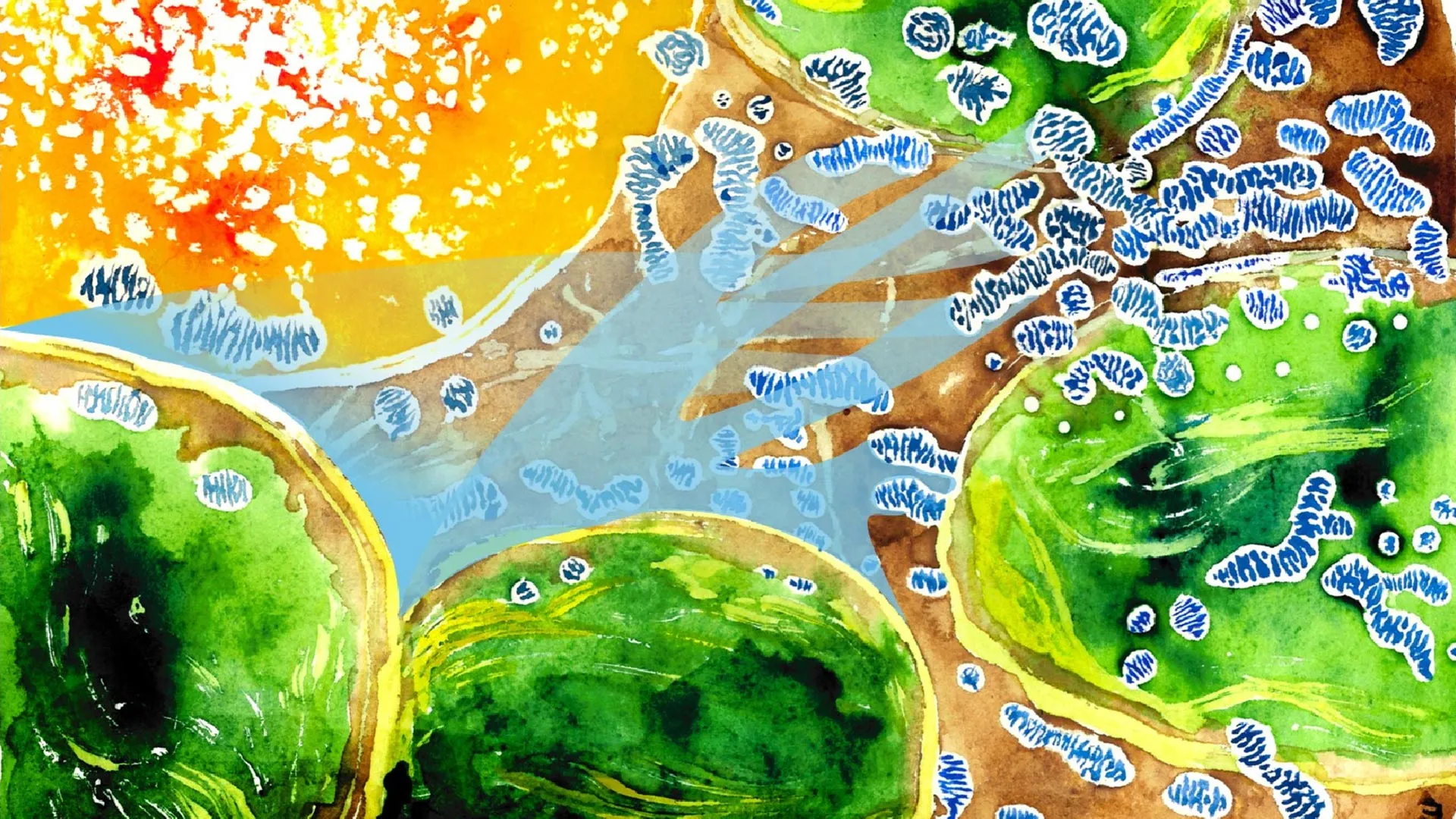
A groundbreaking study by researchers at the University of Helsinki has illuminated a previously unknown, dynamic interaction within plant cells, revealing that mitochondria possess the capacity to actively draw molecular oxygen away from chloroplasts. This discovery offers a critical new perspective on how plants meticulously regulate internal oxygen levels, a process fundamental to their metabolism, growth, and resilience in the face of environmental challenges. The findings, published in the esteemed journal Plant Physiology, were spearheaded by Dr. Alexey Shapiguzov (PhD, Docent) from the University’s Centre of Excellence in Tree Biology, located on the Viikki campus.
The Pervasive Importance of Oxygen in Plant Physiology
Oxygen is not merely a passive atmospheric component for plants; it is an indispensable player in a vast array of vital cellular processes. From fueling the energy production machinery of cellular respiration to mediating intricate immune responses and facilitating adaptation to stress, oxygen’s role is multifaceted and profound. Prior investigations by the University of Helsinki itself have underscored oxygen’s critical function in initiating and accelerating wound healing mechanisms in plants, a testament to its active involvement in plant defense. Despite this well-acknowledged significance, the precise mechanisms by which plants orchestrate and maintain optimal oxygen concentrations within their tissues have remained a subject of intense scientific inquiry.
At the cellular level, two key organelles, mitochondria and chloroplasts, exert the most substantial influence on internal oxygen dynamics. Mitochondria, often referred to as the "powerhouses" of the cell, consume oxygen during cellular respiration to generate adenosine triphosphate (ATP), the primary energy currency of the cell. Conversely, chloroplasts, the sites of photosynthesis, produce oxygen as a byproduct of converting light energy into chemical energy. While the individual functions of these organelles have been extensively documented and understood, the intricate dance of oxygen movement and exchange between them has been comparatively less explored. This knowledge gap has limited a comprehensive understanding of how plants fine-tune their metabolic processes and respond to fluctuating environmental conditions.
Investigating Mitochondrial Activity in the Model Plant Arabidopsis
To unravel the mystery of intracellular oxygen trafficking between mitochondria and chloroplasts, Dr. Shapiguzov and his team turned to Arabidopsis thaliana, a widely utilized model organism in plant science due to its small genome, rapid life cycle, and extensive genetic resources. The researchers employed a sophisticated approach involving genetically modified Arabidopsis plants. These modified plants were engineered to exhibit specific defects within their mitochondria, leading to the activation of alternative respiratory enzymes. The consequence of this genetic manipulation was a heightened rate of oxygen consumption by the mitochondria.
The experimental strategy aimed to observe how these mitochondria, with their augmented oxygen appetite, would interact with the oxygen produced by chloroplasts under various conditions. The study meticulously documented observable changes in the plants’ physiological responses, providing crucial data points for analysis.
Experimental Observations and Key Findings
The genetically modified Arabidopsis plants displayed two principal characteristics that offered significant insights into the oxygen exchange mechanism:
-
Enhanced Mitochondrial Oxygen Consumption: Under normal conditions, the engineered plants showed a demonstrably increased uptake of oxygen by their mitochondria compared to their wild-type counterparts. This confirmed the success of the genetic modification in boosting mitochondrial respiratory activity.
-
Oxygen Depletion Under Hypoxic Stress: A pivotal moment in the research occurred when the scientists subjected these altered plants to a simulated low-oxygen environment by exposing them to nitrogen gas. In these hypoxic conditions, the transfer of electrons to oxygen within the mitochondria, a critical step in cellular respiration, plummeted dramatically. This sharp decline indicated that the methyl viologen, a chemical agent used in the experiment to facilitate electron transfer to oxygen, was starved of its necessary substrate: oxygen. The implication was clear: the mitochondria, in their heightened state of activity, had effectively depleted the available oxygen pool within the cell, including that which would have been available to the methyl viologen.
These observations collectively pointed towards a dynamic interplay where mitochondria could actively influence the oxygen concentration within the cellular milieu, even to the point of outcompeting other oxygen-consuming processes or making oxygen less accessible to specific reagents.
The Unveiling of a Novel Oxygen Drain Mechanism
The experiments meticulously conducted by the University of Helsinki team have unequivocally revealed a previously unrecognized interaction within the intricate architecture of plant cells. The study demonstrates that when plant mitochondria escalate their oxygen consumption, particularly in response to stress, they can effectively reduce the amount of molecular oxygen available within the chloroplasts. This newly identified process acts as an internal "oxygen drain," directly impacting the operational efficiency of photosynthesis and influencing the metabolism of reactive oxygen species (ROS). ROS, while often associated with cellular damage, also play crucial signaling roles in plants, and their balanced metabolism is essential for healthy growth and development.
Dr. Shapiguzov articulated the significance of this finding, stating, "To our knowledge, this is the first evidence that mitochondria influence chloroplasts through intracellular oxygen exchange." This assertion highlights the novelty and potential paradigm shift this discovery represents in plant cell biology. By actively modulating the oxygen gradient within the cell, mitochondria appear to be capable of indirectly regulating chloroplast function and the broader cellular redox balance. Such a sophisticated regulatory mechanism could be a key factor enabling plants to adapt to fluctuating environmental conditions, such as changes in light intensity, temperature, or water availability.
Broader Implications for Plant Stress Resilience and Metabolism
The discovery of this mitochondrial-chloroplast oxygen exchange pathway has far-reaching implications for our understanding of plant physiology.
- Enhanced Understanding of Plant Metabolism: The findings provide a more nuanced view of how plants manage energy production. It suggests a coordinated effort between respiration and photosynthesis, mediated by oxygen dynamics, to maintain cellular homeostasis. This integrated perspective is crucial for deciphering the complex metabolic networks that govern plant life.
- Insights into Plant Stress Adaptation: Plants are remarkably adept at surviving in environments that would be lethal to many other organisms. This newly identified oxygen regulation mechanism offers a tangible explanation for some of their resilience. By controlling oxygen availability, plants may be able to fine-tune photosynthetic output, mitigate the damaging effects of excessive ROS production under stress, and conserve energy resources. This could be particularly relevant for understanding how plants cope with abiotic stresses such as drought, salinity, and extreme temperatures, where oxygen availability can be compromised.
- Predictive Power for Environmental Responses: A deeper understanding of this oxygen exchange mechanism could empower scientists to better predict how plants will respond to environmental changes. For instance, knowledge of this pathway might help forecast a plant’s vulnerability to flooding, which can lead to oxygen deprivation in root tissues, or its ability to thrive under fluctuating day-night cycles, which directly impact photosynthetic and respiratory rates.
Future Directions and Technological Advancements
The implications of this research extend beyond fundamental science, promising tangible advancements in applied plant biology and agriculture.
Innovations in Plant Breeding and Crop Improvement
The newly discovered interaction could serve as a novel target for plant breeding programs. By understanding how to manipulate this oxygen exchange pathway, scientists might be able to develop crop varieties that are more resilient to stress, leading to improved yields and reduced crop losses in challenging agricultural environments. For example, enhancing the capacity of mitochondria to regulate oxygen could bolster a plant’s ability to withstand periods of low oxygen in waterlogged soils or during the transition from light to dark.
Development of Advanced Physiological Monitoring Tools
Furthermore, this research opens avenues for the development of improved methods for measuring and imaging plant physiology. Non-invasive techniques that can detect and quantify these internal oxygen dynamics could prove invaluable for:
- Early Stress Detection in Crops: Monitoring the mitochondrial-chloroplast oxygen exchange could provide an early warning system for stress in agricultural settings. Detecting subtle shifts in this process before visible symptoms appear could allow for timely interventions, such as adjusting irrigation or nutrient application, thereby preventing significant damage to crops.
- Precision Agriculture: Such advanced monitoring tools could contribute to the broader adoption of precision agriculture, enabling farmers to optimize resource management based on the real-time physiological status of their crops.
The ongoing research at the University of Helsinki, building upon this foundational discovery, promises to further illuminate the sophisticated strategies plants employ to survive and thrive. The intricate interplay of oxygen, mitochondria, and chloroplasts, now brought into sharper focus, underscores the remarkable adaptability and resilience of the plant kingdom, offering exciting prospects for both scientific understanding and practical application. The journey to fully comprehend the complexities of plant life is ongoing, and this recent revelation marks a significant and promising stride forward.