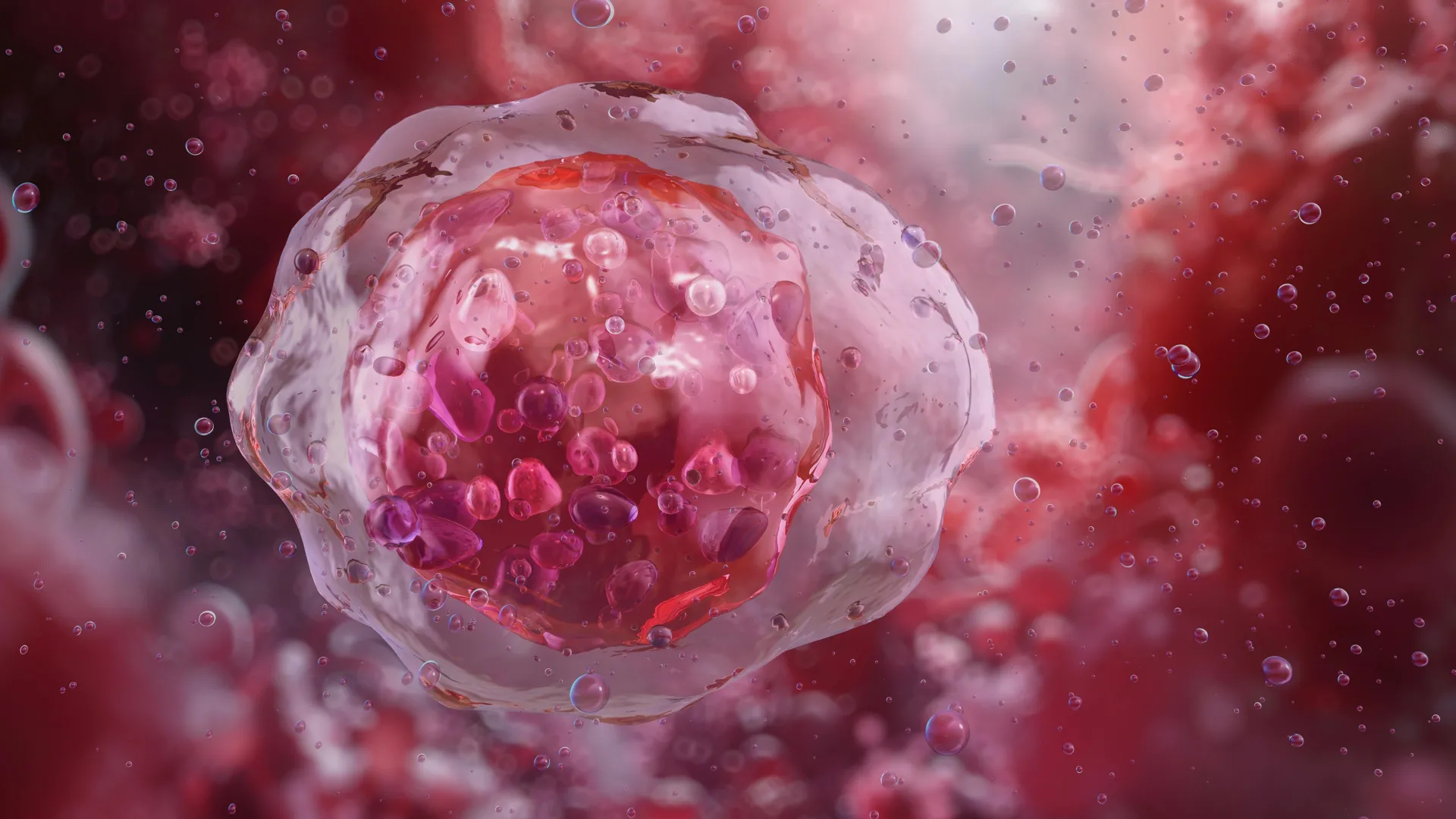
For decades, the fundamental understanding of human physiology held that the production of blood was the exclusive domain of the bone marrow, but groundbreaking research from the University of California, San Francisco (UCSF) has fundamentally challenged this medical dogma by demonstrating that the lungs play a critical and active role in blood formation. Red blood cells are the essential vehicles that carry oxygen from the lungs to every organ in the human body, and to maintain this life-sustaining flow, blood-forming stem cells must produce approximately 200 billion new red blood cells every single day. While the medical community long assumed this massive industrial-scale production occurred solely within the skeletal system, the UCSF study reveals that human lung tissue contains a significant population of hematopoietic stem cells (HSCs) capable of producing not only red blood cells but also the megakaryocytes responsible for the platelets that facilitate blood clotting.
The study, published February 27 in the journal Blood, represents a major shift in hematology and respiratory biology. Supported by the National Heart, Lung, and Blood Institute (NHLBI) of the National Institutes of Health (NIH), the research suggests that the lungs are far more than just organs of gas exchange; they are a potent, previously unrecognized source of life-saving stem cells. This discovery carries profound implications for the future of stem cell transplants, particularly for patients suffering from terminal blood cancers and bone marrow failure.
A Paradigm Shift in Hematological Science
The traditional view of hematopoiesis—the process by which the body’s blood cells are formed—focused almost entirely on the "niche" environment of the bone marrow. Within the marrow, hematopoietic stem cells reside in a complex microenvironment that regulates their self-renewal and differentiation into various blood lineages, including oxygen-carrying erythrocytes (red blood cells), infection-fighting leukocytes (white blood cells), and clot-forming platelets.
However, the findings led by Mark Looney, MD, a professor of medicine and laboratory medicine at UCSF, indicate that the body maintains a secondary, significant reservoir of these precious cells within the pulmonary system. "For decades, bone marrow transplants have been a lynchpin in the treatment of cancers like leukemia," Dr. Looney stated. "The lung HSCs could prove to be a second and significant reservoir of these precious stem cells."
The discovery suggests that the human body has evolved a redundant system for blood production, placing a factory for blood cells directly at the site where those cells are most needed for oxygenation. This strategic placement within the lungs ensures that the circulatory system can be rapidly replenished, potentially serving as an emergency backup during times of physiological stress or marrow compromise.
Chronology of Discovery: From Murine Models to Human Application
The journey to this discovery began in 2017, when Dr. Looney’s team conducted a series of experiments on mice. Utilizing advanced intravital imaging techniques that allowed them to observe cells moving in real-time within a living organ, the researchers were surprised to find that mouse lungs were producing roughly half of the animal’s total platelet count. Beyond mere production, they identified lung-resident stem cells in mice that were capable of generating the full spectrum of blood constituents, including red blood cells and various immune cells.
While the 2017 mouse study was transformative, the scientific community remained cautious about whether these findings would translate to human biology. To bridge this gap, the UCSF team initiated a rigorous comparative study using human tissue samples. They obtained donated samples of human lung tissue, bone marrow, and peripheral blood to conduct a side-by-side analysis of the cellular populations within each.
The researchers focused their screening on a volume of lung tissue approximately the size of a golf ball. Within this sample, they identified a population of stem cells that bore a striking molecular resemblance to the well-known HSCs found in bone marrow. The density of these cells was perhaps the most surprising find: the researchers discovered that HSCs were present in the lungs at rates remarkably similar to those found in the bone marrow.
"The lung HSCs weren’t one-offs—they were a reliable presence in the lungs," noted Catharina Conrad, MD, PhD, a postdoctoral scholar in Looney’s lab and the first author of the paper. This consistency across samples confirmed that the presence of these cells was a standard feature of human anatomy rather than an anomaly.
Functional Analysis and the "Gold-Standard" Experiment
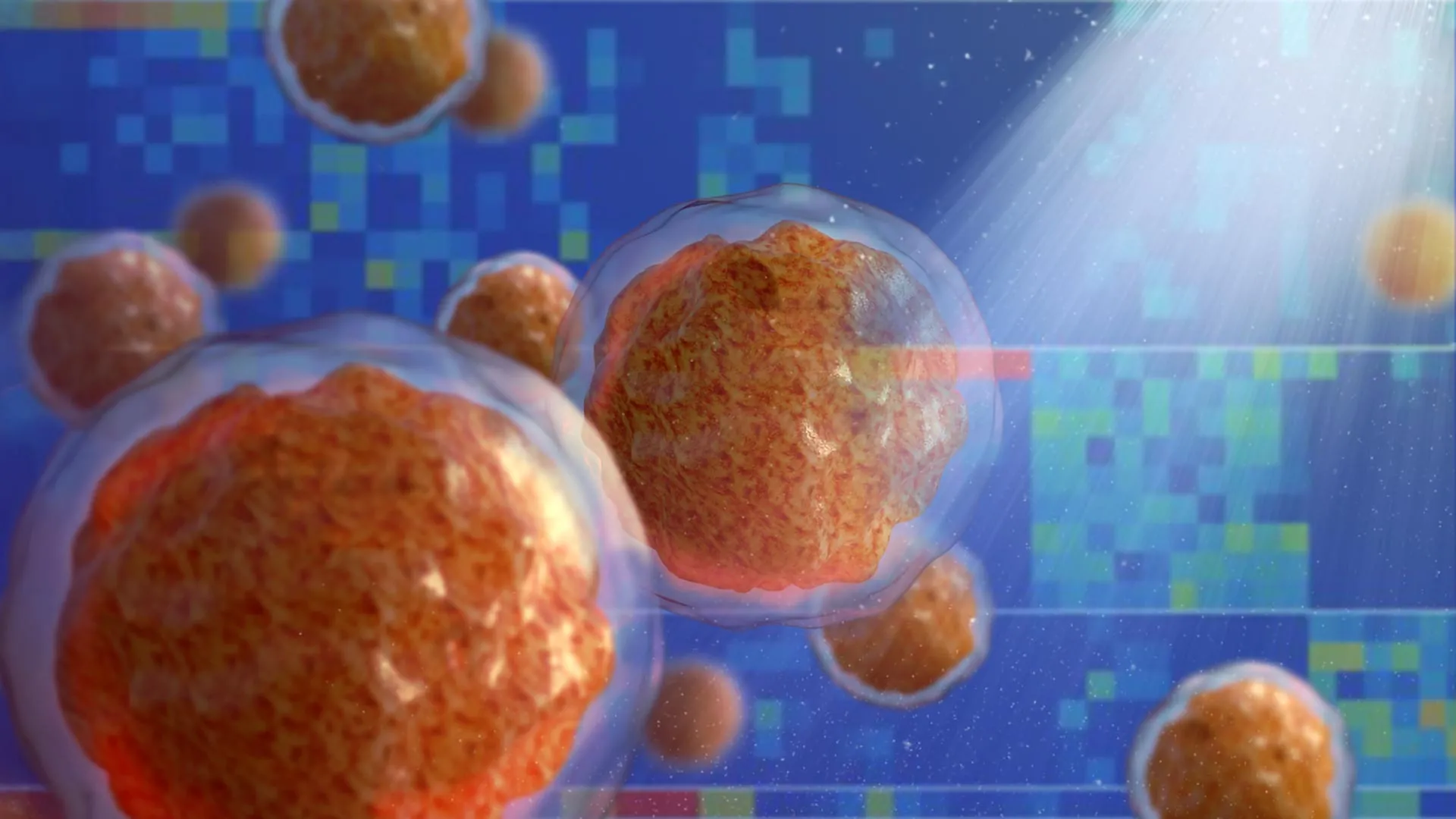
Identification of the cells was only the first step; the researchers needed to prove that these lung-resident cells were functionally equivalent to bone marrow stem cells. They conducted what is known in the field as the "gold-standard" stem cell experiment. This involved placing both lung-derived and marrow-derived HSCs into petri dishes and "coaxing" them to mature using specific growth factors.
The results demonstrated that lung HSCs were not only productive but also exhibited specialized tendencies. While both types of stem cells thrived, the lung HSC colonies showed a higher propensity for producing red blood cells and megakaryocytes (platelet-forming cells). Conversely, the bone marrow colonies tended to produce a higher ratio of immune cells.
To further validate the potency of these cells, the team conducted a rescue experiment using HSC-deficient mice. They found that human lung HSCs were capable of migrating to the bone marrow of these mice and restoring their blood production capabilities. This confirmed a reciprocal relationship between the two organs: the lung and bone marrow complement each other, with the ability to send stem cells back and forth to restore production where it is most needed.
The Lung as an Emergency Reservoir
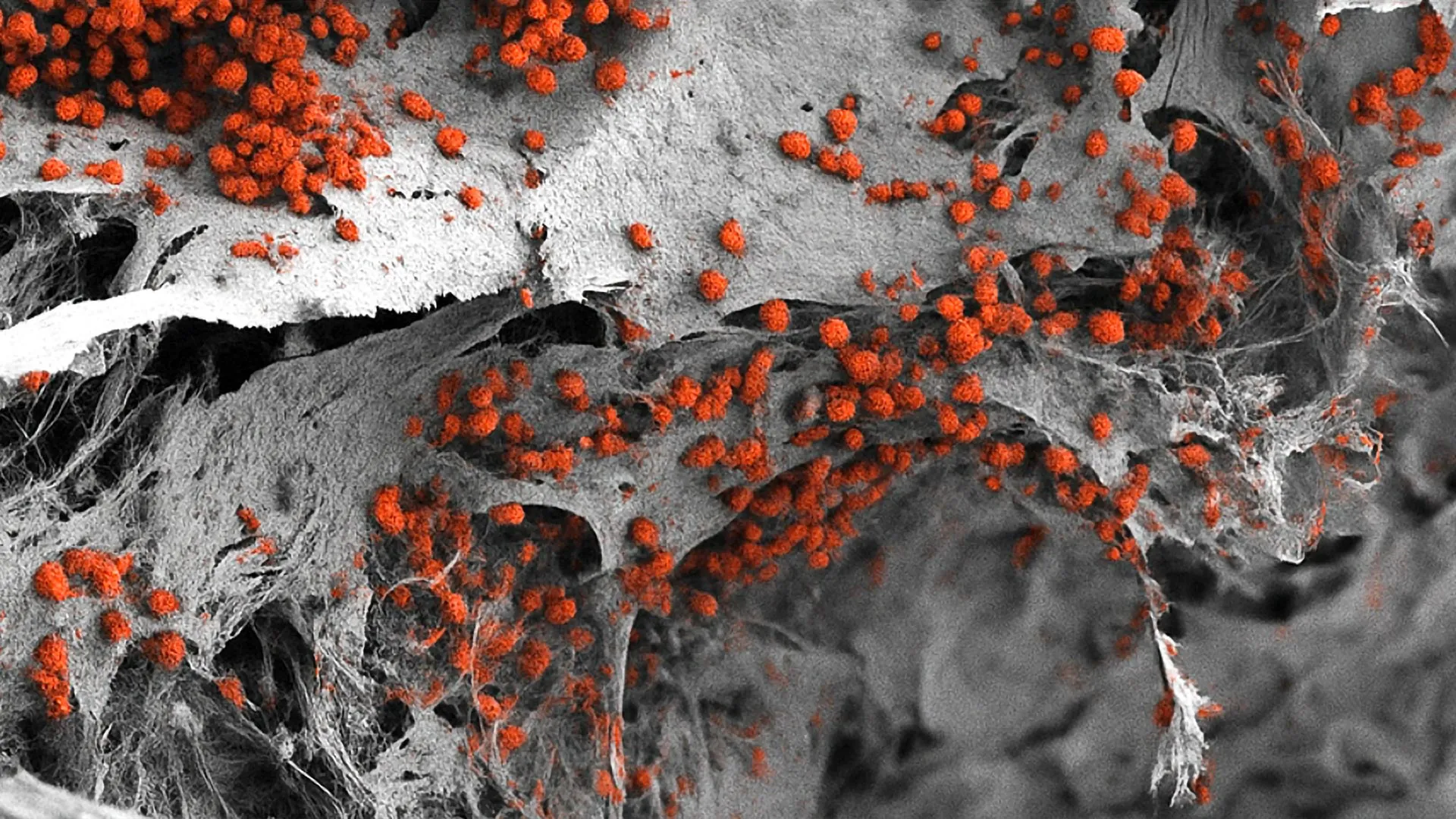
The anatomical positioning of these stem cells provides clues to their evolutionary purpose. Dr. Conrad and her team looked specifically at where these cells reside within the lung’s architecture. They found the HSCs nestled between blood vessels in an arrangement that closely mirrors the specialized "niches" found in bone marrow.
"They really seem to live there and aren’t just passing through," Conrad explained. This suggests that the lungs provide a stable home for these cells, rather than the cells simply being "in transit" from the bone marrow via the bloodstream.
Dr. Looney hypothesizes that these lung HSCs serve as a "reservoir of hematopoiesis" that is activated during emergencies. Because the lungs are central to the body’s oxygenation and circulation, having a localized source of red blood cells and platelets allows for a rapid response to hypoxia (low oxygen levels) or hemorrhage (blood loss). In instances where the bone marrow is damaged—whether by disease, radiation, or chemotherapy—the lung reservoir may act as a critical survival mechanism to keep the blood flowing.
Impact on Stem Cell Transplants and Clinical Medicine
The implications of this discovery for modern medicine are vast, particularly in the realm of hematopoietic stem cell transplantation (HSCT). Currently, stem cell transplants for leukemia and other blood disorders typically involve harvesting cells from a donor’s bone marrow or peripheral blood.
The UCSF team analyzed the output of routine bone marrow transplants and made a startling discovery: nearly one-fifth (20%) of the stem cells currently used in these transplants carry the specific molecular signature of lung HSCs. This suggests that medical professionals have been inadvertently using lung-derived stem cells for years, mistakenly categorizing them as marrow-origin cells because they were collected from the blood.
This realization opens the door to several new therapeutic avenues:
- Expanded Donor Pools: If the lungs are a viable source of HSCs, it may change how stem cells are harvested or processed, potentially increasing the yield of high-quality cells for transplant.
- Targeted Therapies: Since lung HSCs are more inclined to produce red blood cells and platelets, they might be more effective than bone marrow cells for treating patients with severe anemia or thrombocytopenia (low platelet count).
- Respiratory Disease Treatment: Understanding the role of HSCs in the lungs could lead to new treatments for lung-specific diseases, as these cells may play a role in repairing damaged lung tissue or modulating the pulmonary immune response.
Future Research and Unanswered Questions
Despite the magnitude of these findings, the UCSF researchers emphasize that this is only the beginning of a new chapter in respiratory and hematological research. Several questions remain: Why do the lungs specifically favor the production of red blood cells over immune cells? Can the lung reservoir be "boosted" through pharmacological means to help patients with bone marrow failure?
The National Heart, Lung, and Blood Institute has expressed significant interest in following these developments. Officials suggest that this research may explain why some patients respond differently to bone marrow transplants, as the ratio of lung-derived to marrow-derived cells in the transplant may influence the patient’s recovery profile.
"The lungs are critical to blood circulation, so it’s tantalizing to see the lung HSCs as an emergency reservoir for red blood cell and platelet production," Dr. Looney concluded. "Now that we know they exist, it opens up a lot of new opportunities for a therapy, hematopoietic stem cell transplantation, that is very commonly used for patients with the need."
As science continues to peel back the layers of human anatomy, the lung is emerging not just as a pair of bellows for the body, but as a sophisticated biological factory. This discovery reaffirms that even in an era of advanced medical technology, the human body still holds fundamental secrets that can redefine our approach to treating some of the most challenging diseases in modern medicine.