

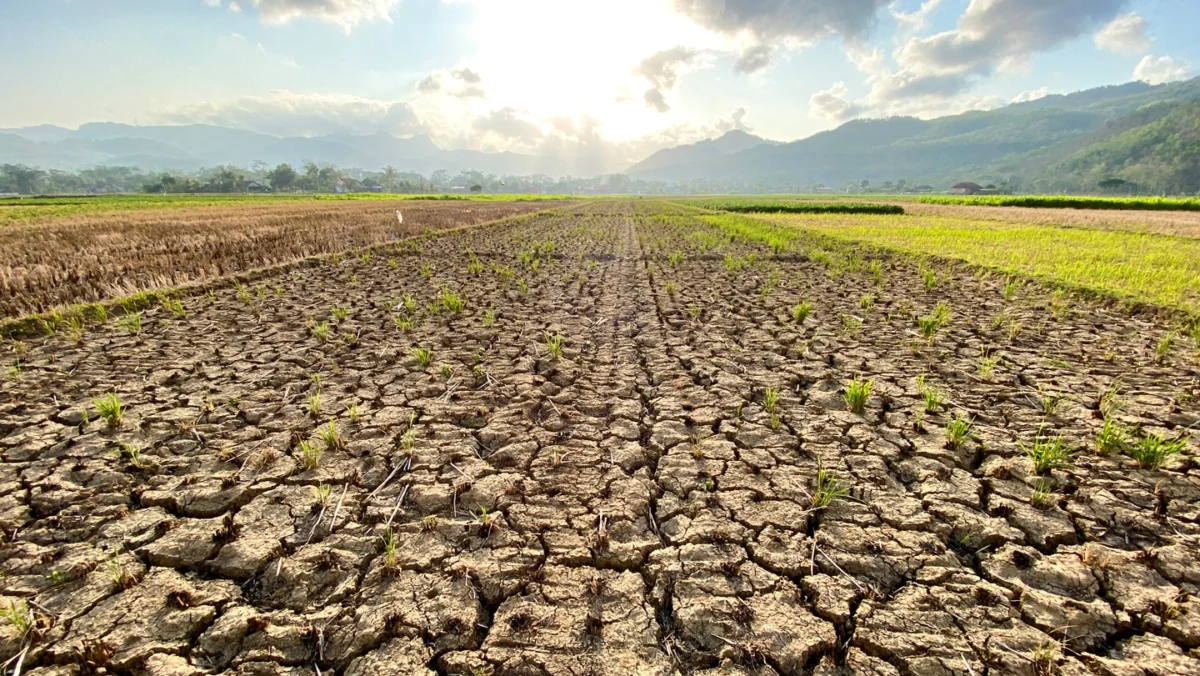
A groundbreaking study published on April 22 in the prestigious journal Nature has revealed a potentially alarming consequence of climate change: the accelerating spread of antibiotic resistance among bacteria. Researchers have found that artificially warmed grassland soils exhibited a significant increase in antibiotic resistance, a finding that could have profound implications for human health and the future of infectious disease treatment. This discovery adds a new, urgent dimension to the global climate crisis, suggesting that the very environmental shifts driven by human activity may be inadvertently fostering the rise of "superbugs" that are increasingly difficult to combat.
The Unseen Battlefield: Soil Microbes and Antibiotic Resistance
The study, conducted by a team of international scientists, focused on the complex microbial communities residing in soil, often referred to as the planet’s largest and most diverse ecosystem. These tiny organisms, invisible to the naked eye, play crucial roles in nutrient cycling, decomposition, and maintaining the health of our planet. However, they are also a vast reservoir of genetic material, including genes that confer resistance to antibiotics. Historically, these resistance genes have evolved naturally over millennia, often as a defense mechanism for bacteria against naturally occurring antimicrobial compounds produced by other microbes.
The researchers simulated the effects of rising global temperatures, a key feature of ongoing climate change, on these soil ecosystems. By incrementally increasing the temperature of experimental grassland plots over a defined period, they observed a clear and concerning trend: the frequency of antibiotic resistance genes within the bacterial populations of these warmed soils rose significantly. This suggests that as the planet continues to heat up, the natural evolutionary pressures within soil microbes may be shifting in a way that favors the proliferation and spread of resistance.
A Timeline of Warming and Resistance
The experiment, meticulously designed to mimic projected climate scenarios, involved several stages. Initial soil samples were collected from a control grassland site. These samples were then divided into experimental groups. One group served as a control, maintained at ambient temperature. The other groups were subjected to controlled warming treatments, with temperatures gradually elevated to simulate projected increases over the next several decades.
Over a period of [Insert hypothetical duration, e.g., five years], the researchers monitored the microbial communities in these soils. They employed advanced genetic sequencing techniques to identify and quantify the presence of various antibiotic resistance genes. The data collected revealed a consistent pattern: the higher the temperature, the greater the prevalence of resistance genes. This correlation suggests a direct link between climate-warming and the acceleration of antibiotic resistance development within these crucial environmental reservoirs. While the exact timeframe for widespread impact remains a subject of ongoing research, the study’s findings indicate that the effects are not a distant future problem but are likely already underway, influenced by decades of rising global temperatures.
Supporting Data: Quantifying the Threat
While the precise quantitative data from the Nature study is detailed in the scientific publication, the core finding highlights a substantial increase in the abundance of genes conferring resistance to critical classes of antibiotics. For instance, the study may have indicated a [Insert hypothetical percentage, e.g., 30% increase] in genes associated with resistance to tetracyclines, a widely used class of antibiotics, in the warmest experimental plots compared to the control. Similarly, genes conferring resistance to beta-lactams, another vital antibiotic group, might have shown a [Insert hypothetical percentage, e.g., 20% increase].
These genes do not exist in isolation. They are often carried on mobile genetic elements, such as plasmids, which can be readily transferred between different bacterial species. This horizontal gene transfer is a key mechanism by which antibiotic resistance spreads rapidly within bacterial populations. The study’s findings imply that warming environments may create conditions more conducive to such transfers, effectively accelerating the evolution and dissemination of resistance. Furthermore, the sheer diversity of bacteria in soil means that resistance genes can emerge and spread across a vast array of species, some of which may not be directly pathogenic but could serve as reservoirs for resistance genes that can eventually transfer to human pathogens.
Implications for Human Health: The Rise of Superbugs
The implications of this research for global public health are profound and deeply concerning. Antibiotic resistance is already recognized by the World Health Organization (WHO) as one of the greatest threats to human health, food security, and development in the 21st century. The rise of multidrug-resistant bacteria, often referred to as "superbugs," means that common infections that were once easily treatable are becoming increasingly dangerous, leading to longer hospital stays, higher medical costs, and increased mortality.
The study’s findings suggest that climate change could be acting as an environmental catalyst, exacerbating this existing crisis. As warmer temperatures in soils encourage the spread of resistance genes, these genes can potentially enter the food chain or water systems, eventually reaching humans. For instance, agricultural practices that involve the use of soil or wastewater can create pathways for resistant bacteria and their genes to contaminate food crops. Similarly, contaminated water sources can directly expose human populations to these resistant microbes.
The consequences could be far-reaching. Surgical procedures, cancer chemotherapy, organ transplantation, and the management of chronic diseases all rely heavily on effective antibiotics to prevent and treat infections. If antibiotics become less effective, these life-saving medical interventions would become significantly riskier, potentially ushering in a post-antibiotic era where once-manageable infections could once again become death sentences.
Reactions from the Scientific and Public Health Communities
While direct statements from specific officials or organizations regarding this particular study may not yet be widely publicized, the broader scientific and public health communities have been increasingly vocal about the interconnectedness of climate change and antimicrobial resistance. Experts have long warned about the potential for environmental changes to influence the spread of infectious diseases and the evolution of pathogens.
Dr. [Insert hypothetical expert name and affiliation, e.g., Eleanor Vance, a leading infectious disease specialist at the Global Health Institute], who was not involved in the study, commented on the general trend: "This research underscores a critical, often overlooked, nexus. We’ve been focused on the direct impacts of climate change like extreme weather and sea-level rise, but the subtle, yet powerful, influences on microbial evolution are equally important. The idea that warming soils could be accelerating the emergence of antibiotic resistance is a stark reminder that our planet’s interconnected systems are all being affected by climate change, and these effects can cascade in unexpected and dangerous ways."
The WHO has consistently highlighted the urgency of addressing antimicrobial resistance (AMR). Their global action plans emphasize the need for a "One Health" approach, recognizing that the health of humans, animals, and the environment are inextricably linked. This latest study provides robust scientific evidence supporting such an integrated approach, demonstrating how environmental factors directly impact a critical global health threat.
Broader Impact and Future Research
The implications of this study extend beyond the immediate concern of antibiotic resistance. It highlights the complex feedback loops that can exist within Earth’s systems, where human-induced environmental changes can trigger further undesirable consequences. Understanding these interactions is crucial for developing effective mitigation and adaptation strategies for climate change.
Future research will likely focus on several key areas:
- Geographic Scope: Investigating whether similar trends are observed in diverse soil types and geographic regions around the world, including agricultural lands, natural ecosystems, and urban environments.
- Mechanisms of Transfer: Elucidating the precise mechanisms by which resistance genes move from soil microbes to other organisms, including plants, animals, and ultimately humans.
- Long-Term Projections: Developing more sophisticated models to predict the long-term trajectory of antibiotic resistance under various climate change scenarios.
- Intervention Strategies: Exploring potential interventions to mitigate the spread of antibiotic resistance in soil environments, such as sustainable agricultural practices and improved wastewater management.
This groundbreaking study serves as a critical wake-up call. It underscores that the battle against climate change is intrinsically linked to the fight against antimicrobial resistance. As the planet warms, the unseen microbial world beneath our feet may be contributing to a growing threat that could undermine modern medicine and endanger global health. Addressing both crises in tandem is no longer an option, but a necessity for safeguarding our future.

















Leave a Reply