

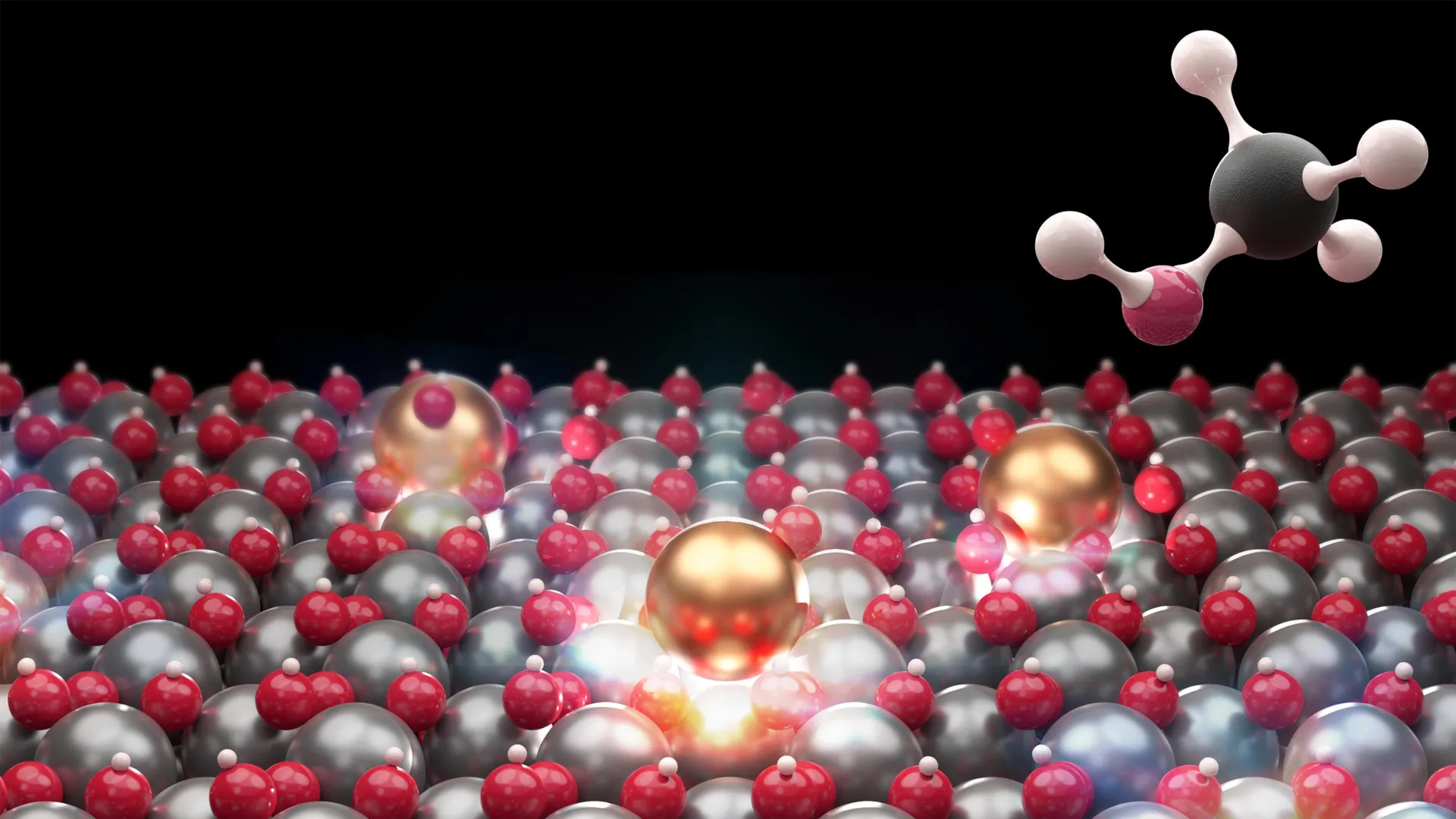
In a significant stride toward a circular carbon economy, researchers at ETH Zurich have unveiled a pioneering catalyst design that dramatically optimizes the conversion of carbon dioxide into methanol. By utilizing a sophisticated single-atom architecture, the team has successfully lowered the energy threshold required for this critical chemical transformation, potentially paving the way for more cost-effective and sustainable industrial processes. This breakthrough, led by Javier Pérez-Ramírez, Professor of Catalysis Engineering at ETH Zurich, addresses one of the primary hurdles in green chemistry: the efficient utilization of precious and semi-precious metals to drive reactions that mitigate atmospheric carbon levels.
The Fundamental Challenge of Industrial Catalysis
Every chemical reaction, from the simple combustion of a fuel source to the complex synthesis of pharmaceuticals, must overcome a specific energy barrier known as activation energy. In an industrial context, these barriers often necessitate extreme temperatures and pressures, leading to massive energy consumption and high operational costs. To mitigate these requirements, the chemical industry relies heavily on catalysts—substances that facilitate reactions by providing an alternative pathway with a lower energy hurdle without being consumed in the process.
While catalysts are essential, their efficiency has historically been limited by their physical structure. Traditional catalysts often utilize metal nanoparticles—clusters of hundreds or thousands of atoms. However, chemical reactions occur only on the surface of these particles. This means that a vast majority of the metal atoms, trapped within the interior of the nanoparticle, remain dormant and uninvolved in the catalytic process. When dealing with expensive or rare elements like indium, platinum, or palladium, this "wasted" volume represents a significant economic inefficiency.
A Paradigm Shift: The Rise of Single-Atom Catalysts
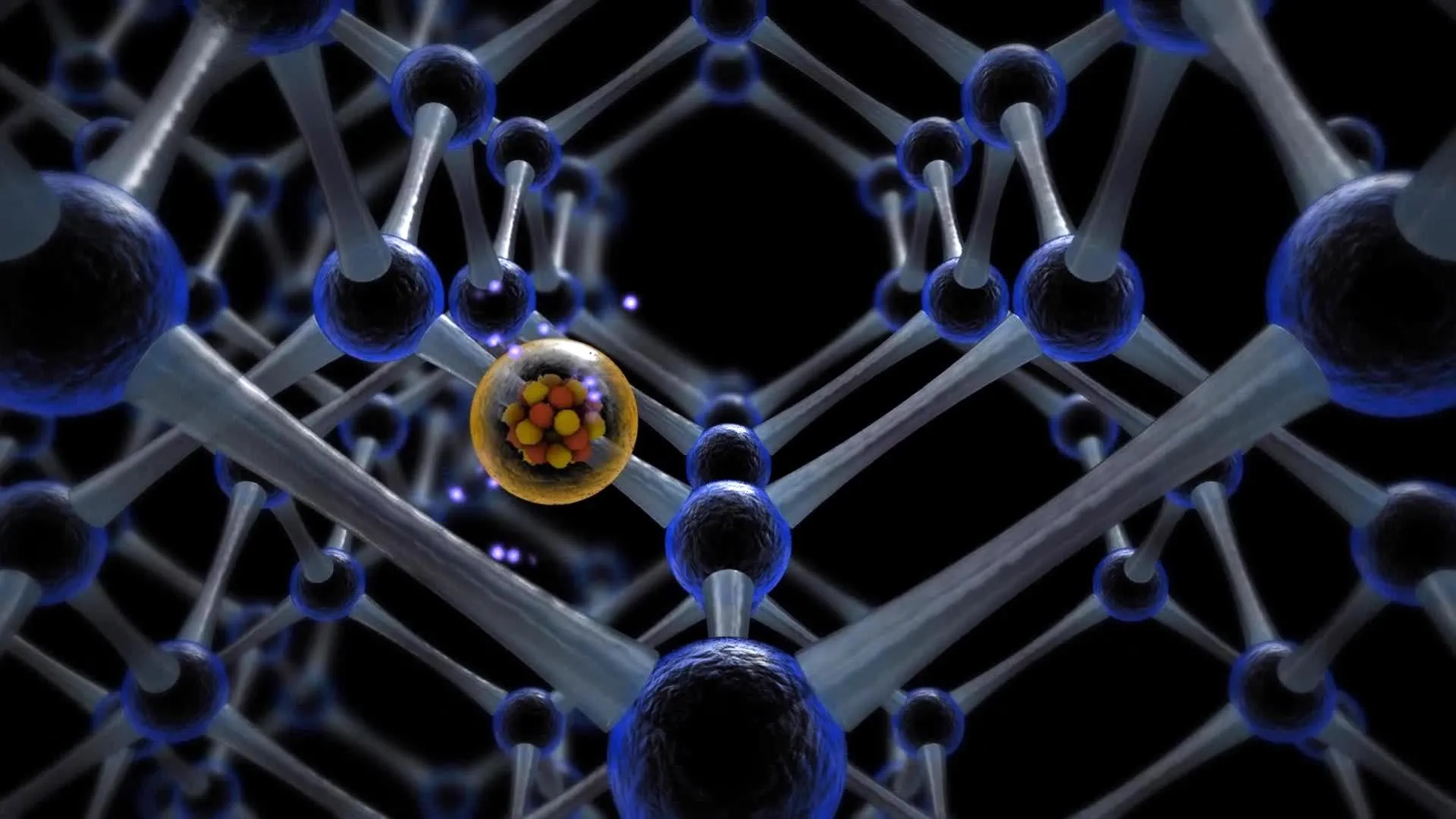
The research team at ETH Zurich has bypassed the limitations of traditional nanoparticle catalysts by developing a "single-atom architecture." In this innovative system, isolated active metal atoms—specifically indium—are anchored individually onto the surface of a specialized support material, hafnium oxide.
In this configuration, every single atom of the active metal serves as a reactive site. By ensuring that no metal atoms are buried or inaccessible, the researchers have maximized the atom-efficiency of the catalyst. This shift from three-dimensional particles to isolated atomic sites not only conserves expensive materials but also fundamentally alters the electronic environment of the reaction site, often leading to superior catalytic performance.
"Our new catalyst has a single atom architecture, in which isolated active metal atoms are anchored on the surface of a specially developed support material," explained Professor Pérez-Ramírez. This precision allows for a more deliberate approach to chemical engineering, moving away from the "trial and error" methodology that has dominated catalyst development for decades.
Methanol as the "Swiss Army Knife" of Green Chemistry
The primary objective of this new catalyst is the production of methanol (CH3OH) from carbon dioxide (CO2) and hydrogen (H2). Methanol is frequently described by chemists as a "universal precursor" because of its immense versatility. It serves as a foundational building block for a myriad of products, including plastics, adhesives, textiles, and various specialized chemicals.
Beyond its role in manufacturing, methanol is a potent energy carrier. It can be used directly as a fuel or as a stable medium for transporting hydrogen, which is notoriously difficult to store and move in its gaseous form. Currently, the global methanol market is estimated to be over 100 million metric tons annually, with demand expected to rise as industries seek alternatives to petroleum-based feedstocks.
The ETH Zurich breakthrough is particularly relevant to the concept of "climate-neutral" methanol. If the CO2 used in the process is captured from industrial emissions or the atmosphere, and the hydrogen is produced via electrolysis powered by renewable energy (green hydrogen), the resulting methanol becomes a carbon-neutral product. This transforms CO2 from an unwanted waste product into a valuable raw material.
Technical Chronology and Development
The development of this catalyst is the culmination of over a decade of focused research. Professor Pérez-Ramírez has been investigating CO2-to-methanol synthesis since 2010, working in close collaboration with both academic peers and industrial partners.
The timeline of this specific breakthrough involved several key stages:
- Identification of Indium: While indium has been recognized as a potential catalyst for over ten years, its application in nanoparticle form showed limited efficiency.
- Support Material Selection: The team identified hafnium oxide (HfO2) as an ideal support structure due to its ability to stabilize isolated atoms under high-stress conditions.
- Synthesis Innovation: The team developed a high-temperature flame synthesis method to ensure the atoms remained isolated rather than clumping together.
- Testing and Validation: The catalyst underwent rigorous testing to ensure it could withstand the pressures required for industrial methanol production.
To achieve the precise placement of indium atoms, the researchers utilized a method involving the combustion of starting materials in a flame at temperatures reaching between 2,000 and 3,000 degrees Celsius. This extreme heat is followed by a process of rapid cooling, which "traps" the indium atoms on the surface of the hafnium oxide, firmly embedding them before they have the opportunity to migrate and form clusters.
Supporting Data and Performance Metrics
The performance of the single-atom indium catalyst was compared against traditional indium-based nanoparticles in controlled laboratory environments. The data indicated that the isolated atoms on hafnium oxide provided a significantly higher rate of CO2 conversion per gram of metal used.
Industrial methanol synthesis typically requires demanding conditions:
- Temperature: Reactions generally occur at approximately 300 degrees Celsius.
- Pressure: The system must operate at pressures up to 50 bar (50 times the normal atmospheric pressure).
The ETH Zurich catalyst demonstrated remarkable durability, maintaining its single-atom structure and reactive efficiency even when subjected to these harsh parameters over extended periods. This stability is a crucial factor for industrial viability, as many experimental catalysts degrade or lose their structural integrity when scaled up for continuous production.
Furthermore, the single-atom design provided clearer analytical insights. In nanoparticle catalysts, the signals measured during a reaction are often "noisy" because they include data from the inactive interior atoms. With isolated atoms, researchers can observe the reaction mechanism with unprecedented clarity, allowing them to track exactly how the CO2 and hydrogen molecules interact with the indium site.
Collaborative Research and Industry Implications
The success of this project highlights the importance of interdisciplinary cooperation within the Swiss scientific community. The development involved experts in material science, chemical engineering, and advanced microscopy to verify the atomic distribution of the catalyst.
"The development of the methanol catalyst and the detailed analysis of the mechanism would not have been possible without this interdisciplinary expertise," Pérez-Ramírez noted. The project also benefits from the professor’s extensive patent portfolio and his history of bridging the gap between theoretical research and practical industrial applications.
For the chemical industry, the implications are profound. As carbon taxes and environmental regulations tighten globally, companies are under increasing pressure to decarbonize. A catalyst that makes CO2-to-methanol conversion more efficient directly reduces the "green premium"—the additional cost associated with choosing sustainable methods over traditional fossil-fuel-based processes.
Broader Impact on the Circular Carbon Economy
The transition to a circular carbon economy relies on the ability to recycle carbon rather than extracting it from the earth and releasing it into the atmosphere. The ETH Zurich research provides a vital technological link in this cycle. By maximizing the efficiency of indium, a metal that is relatively scarce, the research ensures that the transition to green chemistry is not bottlenecked by material availability.
Moreover, the principles established in this study—specifically the use of hafnium oxide to stabilize single atoms via flame synthesis—can likely be applied to other chemical reactions. This could lead to a new generation of catalysts for ammonia production, water splitting, and other processes essential for a sustainable future.
As the world looks toward 2050 net-zero targets, the ability to transform a greenhouse gas into a "Swiss army knife" chemical like methanol represents a vital tool in the fight against climate change. The ETH Zurich team’s work demonstrates that through precise atomic engineering, it is possible to make the heavy lifting of industrial chemistry both more efficient and environmentally responsible. By lowering the energy hurdle and maximizing material utility, this single-atom catalyst stands as a benchmark for the future of sustainable manufacturing.














Leave a Reply