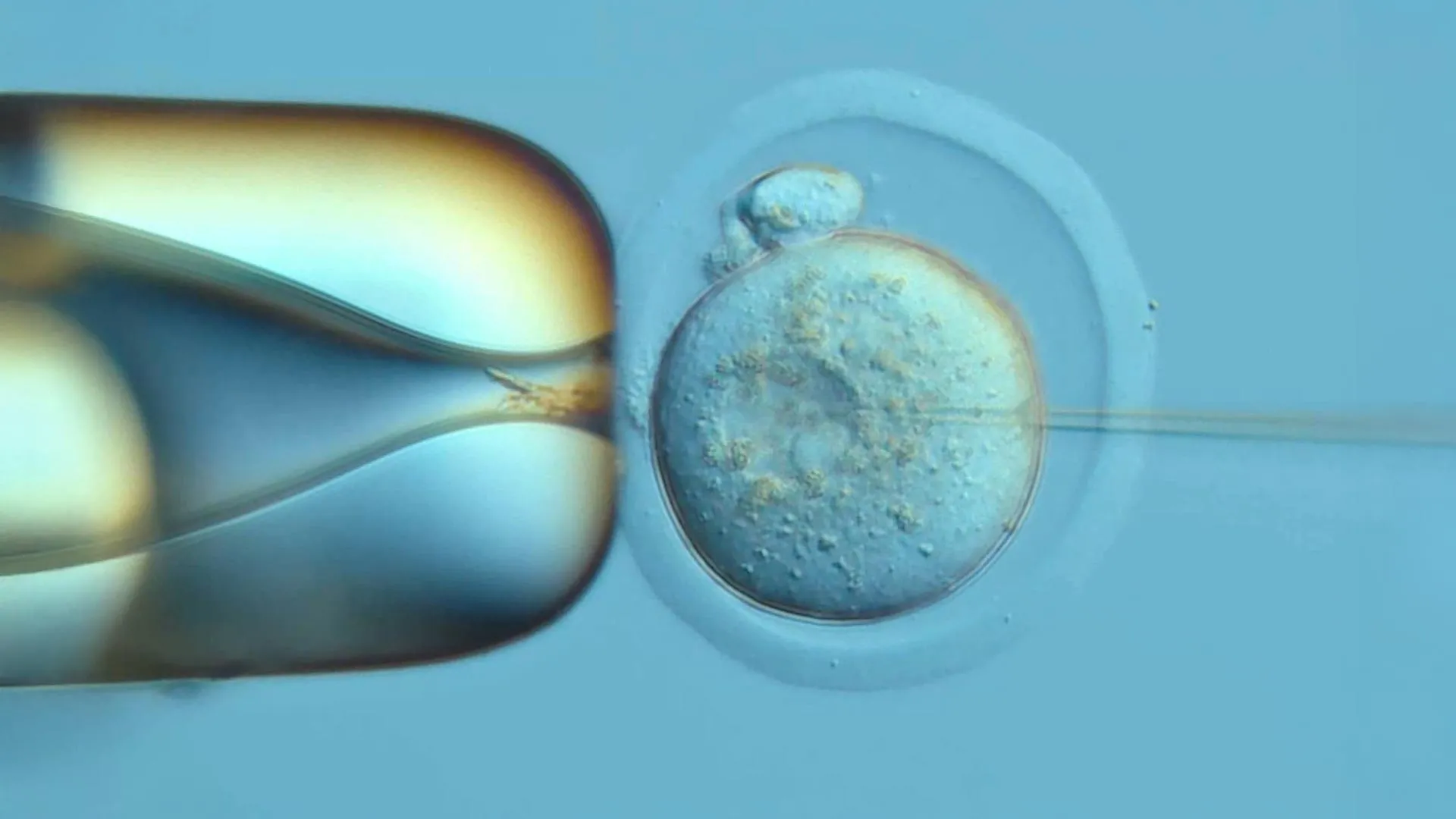
For generations, the prevailing scientific consensus held that the genetic material within a newly fertilized egg, the very foundation of a new organism, began its existence as a disheveled and unstructured entity. This prevailing notion depicted the genome as a "blank slate," a loosely organized bundle of DNA that would only attain a semblance of order once the embryonic cells commenced their complex genetic programming. In this traditional viewpoint, the genome remained largely amorphous, a quiescent entity awaiting activation before initiating its vital developmental functions. However, groundbreaking research, recently unveiled in the prestigious journal Nature Genetics, has profoundly challenged this long-standing assumption, revealing a level of intricate organization present from the earliest moments of embryonic life.
Unveiling the Unseen: Pico-C Technology Revolutionizes Genome Mapping
The seminal findings emerge from the laboratory of Professor Juanma Vaquerizas and his distinguished team, who have pioneered a revolutionary new technology dubbed Pico-C. This innovative method grants scientists unprecedented microscopic vision, allowing for the detailed examination of the three-dimensional (3D) structure of the genome with remarkable fidelity. Employing this advanced approach, researchers have discovered that the genome, even long before the critical milestone of Zygotic Genome Activation (ZGA) – the point at which the embryo’s own genes take center stage – is already meticulously organized into an elaborate 3D scaffold.
This early stage of genomic folding is far from a mere structural curiosity. The spatial arrangement of DNA plays a pivotal role in determining which genes are accessible for activation during the intricate process of embryonic development. This precise control over gene expression is not only fundamental for proper cell function but is also crucial in averting developmental abnormalities and a spectrum of diseases.
Noura Maziak, the lead author of the study, eloquently articulated the paradigm shift in understanding. "We used to think of the time before the genome awakens as a period of chaos," she explained. "But by zooming in closer than ever before, we can see that it’s actually a highly disciplined construction site. The scaffolding of the genome is being erected in a precise, modular way, long before the ‘on’ switch is fully flipped." This quote underscores the dramatic departure from the previous understanding, painting a picture of proactive organization rather than passive waiting.
The Fruit Fly as a Microcosm of Early Development
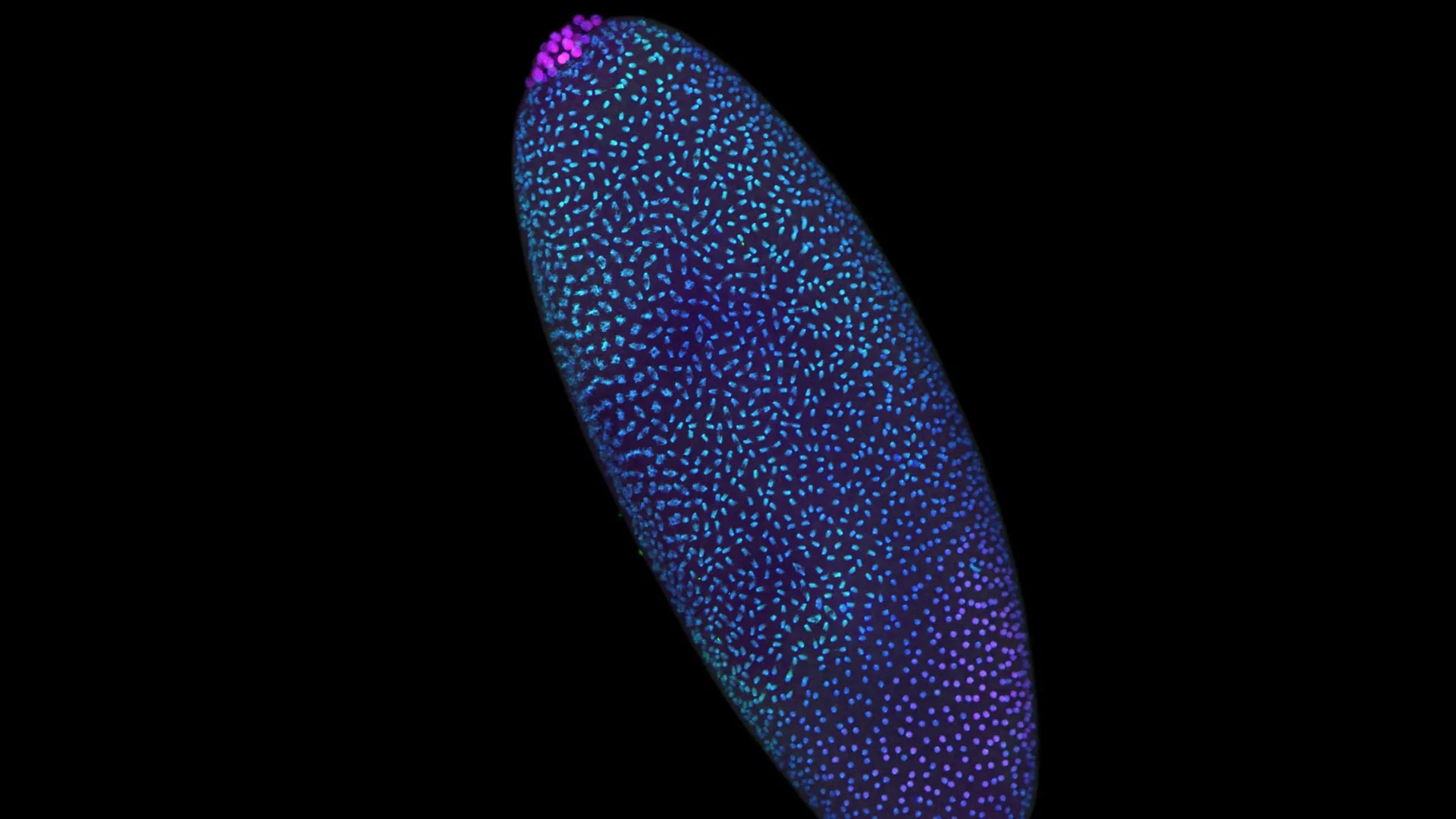
The scientific revelation was achieved through meticulous investigation of the fruit fly, Drosophila melanogaster. This organism, a staple in genetic research due to its rapid reproductive cycle and well-understood genetic makeup, served as an ideal model for deciphering the complexities of early genomic organization. In the initial hours following fertilization, a fruit fly embryo undergoes rapid nuclear divisions, giving rise to thousands of cells in an astonishingly short timeframe. This accelerated developmental pace makes it a powerful system for studying the fundamental principles of genome organization and regulation.
Using the highly sensitive Pico-C method, the researchers painstakingly mapped the 3D arrangement of the fruit fly genome during these critical early hours. Their findings revealed that the DNA undergoes a process of looping and folding, adhering to a distinct modular pattern. This architecture is not random; it actively facilitates the influence of various regulatory signals on specific genomic regions. This intricate spatial arrangement ensures that vital genetic information is not only accessible but also precisely positioned for activation precisely when developmental cues demand it. The efficiency of this pre-programmed architecture suggests an evolutionary imperative for rapid and accurate development.
An additional advantage of the Pico-C technology, as highlighted by the research, is its remarkable sample efficiency. It requires approximately ten times less genetic material than conventional techniques. This significant reduction in sample requirement democratizes advanced genomic analysis, making it feasible for a broader range of laboratories to investigate the intricate relationship between DNA folding, gene regulation, and the potential role of structural disruptions in the etiology of various diseases. This increased accessibility is poised to accelerate research across numerous fields of biology and medicine.
Collapsing Architecture: Implications for Human Health
While the initial structural blueprint was elucidated in fruit flies, the fundamental principles of genome organization are remarkably conserved across species, extending directly to human biology. In a parallel and complementary study, published concurrently in Nature Cell Biology, a team led by Professor Ulrike Kutay and collaborators at ETH Zürich in Switzerland applied the same high-resolution mapping strategy to human cells.
This companion study focused on the consequences of destabilizing the genome’s 3D architecture. Researchers deliberately removed the molecular "anchors" responsible for maintaining the integrity of the genome’s spatial structure. The results were both surprising and profoundly significant. When this critical structural framework disintegrates, human cells erroneously interpret the breakdown as a sign of viral invasion. This misinterpretation triggers the cell’s innate immune system, initiating an inflammatory response that, while designed to combat actual pathogens, becomes a detrimental "false alarm" in the absence of a true threat. This inappropriate activation of the immune system has been implicated in a range of inflammatory conditions and chronic diseases.
Professor Juanma Vaquerizas summarized the profound synergy between the two studies: "These two studies tell a complete story," he stated. "The first shows us how the genome’s 3D structure is carefully built at the start of life. The second shows us the disastrous consequences for human health if that structure is allowed to collapse." This integrated narrative emphasizes the critical importance of maintaining the genome’s structural integrity from its very inception.
Broader Impact and Future Directions
The implications of these findings are far-reaching, impacting our understanding of fundamental biological processes and opening new avenues for therapeutic intervention. The discovery that the genome is not a passive recipient of genetic instructions but an actively organized structure from the outset redefines early developmental biology. It suggests that the physical arrangement of DNA is an integral component of the genetic code itself, influencing gene expression in ways previously unappreciated.
Timeline of Discovery and Context:
- Decades Prior: The prevailing scientific dogma posits the early embryo’s genome as a disorganized "blank slate," gaining structure only upon genetic activation.
- Recent Breakthroughs: Development of Pico-C technology enables high-resolution 3D genome mapping.
- Published Research (Nature Genetics): Professor Vaquerizas’ team demonstrates intricate 3D genome organization in fruit fly embryos pre-ZGA.
- Published Research (Nature Cell Biology): Professor Kutay’s team shows the detrimental effects of genome architecture collapse in human cells, triggering immune responses.
- Current Understanding: The genome is actively structured from the earliest stages, and this architecture is critical for proper development and health.
Supporting Data and Mechanisms:
While the specific data points are detailed within the published research papers, the core findings revolve around the quantitative mapping of DNA-protein interactions and chromatin loops. Pico-C, by utilizing a modified chromosome conformation capture (3C) technique, allows for the precise identification of DNA segments that are in close physical proximity within the nucleus. The "modular pattern" observed refers to the organization of the genome into distinct functional domains, often delineated by specific DNA-binding proteins and epigenetic marks. These modules can be independently regulated, allowing for fine-tuning of gene expression without affecting other parts of the genome. The research provides evidence that these modules are pre-established, setting the stage for subsequent gene activation.
Reactions from Related Parties (Inferred):
The scientific community, upon review of these publications, is likely to react with a mixture of awe and a renewed sense of inquiry. Leading developmental biologists and geneticists will undoubtedly be examining the methodologies and results closely, seeking to replicate and expand upon these findings. This research has the potential to shift the focus of many studies from solely gene sequences to the interplay between genetics and epigenetics, with a strong emphasis on the physical organization of the genome. Funding agencies may see this as a fertile ground for future research grants, particularly in areas related to developmental disorders, cancer, and autoimmune diseases.
Broader Impact and Implications:
The implications for human health are particularly profound. Understanding how genome architecture influences gene regulation from the very beginning of life could lead to novel diagnostic tools and therapeutic strategies. For instance, identifying specific architectural "signatures" associated with developmental disorders might allow for earlier detection and intervention. Furthermore, the discovery that the collapse of genome architecture can trigger an inflammatory cascade in human cells opens up new avenues for treating autoimmune and inflammatory diseases by targeting the mechanisms that maintain genomic stability.
This research also has implications for understanding aging. As cells age, their ability to maintain precise genomic organization may decline, potentially contributing to the cellular dysfunction and increased disease susceptibility observed in older individuals. Future studies may explore whether interventions aimed at preserving or restoring genome architecture could have anti-aging effects.
The funding for this seminal research, provided by the Medical Research Council and the Academy of Medical Sciences (AMS) through an AMS Professorship award, underscores the significance of this work and the commitment of these bodies to advancing fundamental biological knowledge with tangible implications for human well-being. This collaborative effort, spanning multiple institutions and disciplines, highlights the power of interdisciplinary research in unraveling some of biology’s most enduring mysteries. The journey from a seemingly disorganized bundle of DNA to a complex, functioning organism is now understood to be guided by an intricate and pre-ordained structural blueprint, fundamentally altering our perception of life’s earliest moments.