The human experience of reality is defined by an uncanny sense of continuity, yet the biological machinery underlying this perception is inherently compartmentalized. We navigate a world where visual shadows often mimic faces, where distant objects blur into unrecognizable shapes, and where sensory inputs frequently conflict. New research published in the journal Nature Neuroscience reveals that the brain resolves these visual ambiguities through a sophisticated, real-time "consensus-building" mechanism, effectively silencing internal disagreement to forge a coherent picture of the environment.
This study, led by Cold Spring Harbor Laboratory Cynthia R. Stebbins Fellow Mitra Javadzadeh in collaboration with researchers from the University of Cambridge and University College London, marks a significant milestone in neurobiology. By mapping the communication between the primary visual cortex (V1) and the lateromedial visual area (LM), the team has provided a mechanistic explanation for how specialized brain regions harmonize their disparate interpretations into a singular, holistic outcome.
The Architecture of Specialized Vision
To appreciate the complexity of this discovery, one must first understand the modular nature of the neocortex. For decades, neuroscientists have documented that the brain processes sensory streams through highly specialized functional blocks. In the visual system alone, distinct areas are dedicated to detecting edges, motion, color, and depth. However, this raises a fundamental "binding problem" in neuroscience: if the brain is a collection of segregated processing centers, how does it synthesize these fragmented signals into a stable, unified conscious experience?
"We are trying to understand how you can have such a high level of specialization between these different blocks, yet always have a consistent holistic outcome," says Javadzadeh. The research team focused on the dynamic dialogue between V1—the brain’s initial gateway for visual information—and the LM area, which is tasked with more complex feature extraction. Contrary to the traditional view of visual processing as a strictly linear hierarchy, where information flows in a one-way path, the researchers demonstrated that V1 and LM engage in a continuous, reciprocal exchange of information. This feedback loop is essential for the refinement of sensory data, allowing the brain to rapidly discard "noise" or conflicting interpretations.
Chronology of the Experimental Investigation
The investigation, which spanned several years of rigorous laboratory testing and computational modeling, followed a structured methodological trajectory.
- Behavioral Conditioning: The research team trained a cohort of mice to perform a visual discrimination task. The animals were required to differentiate between two distinct visual patterns—specifically, gratings tilted at opposing orientations. Reward-based conditioning incentivized the mice to correctly identify the target orientation.
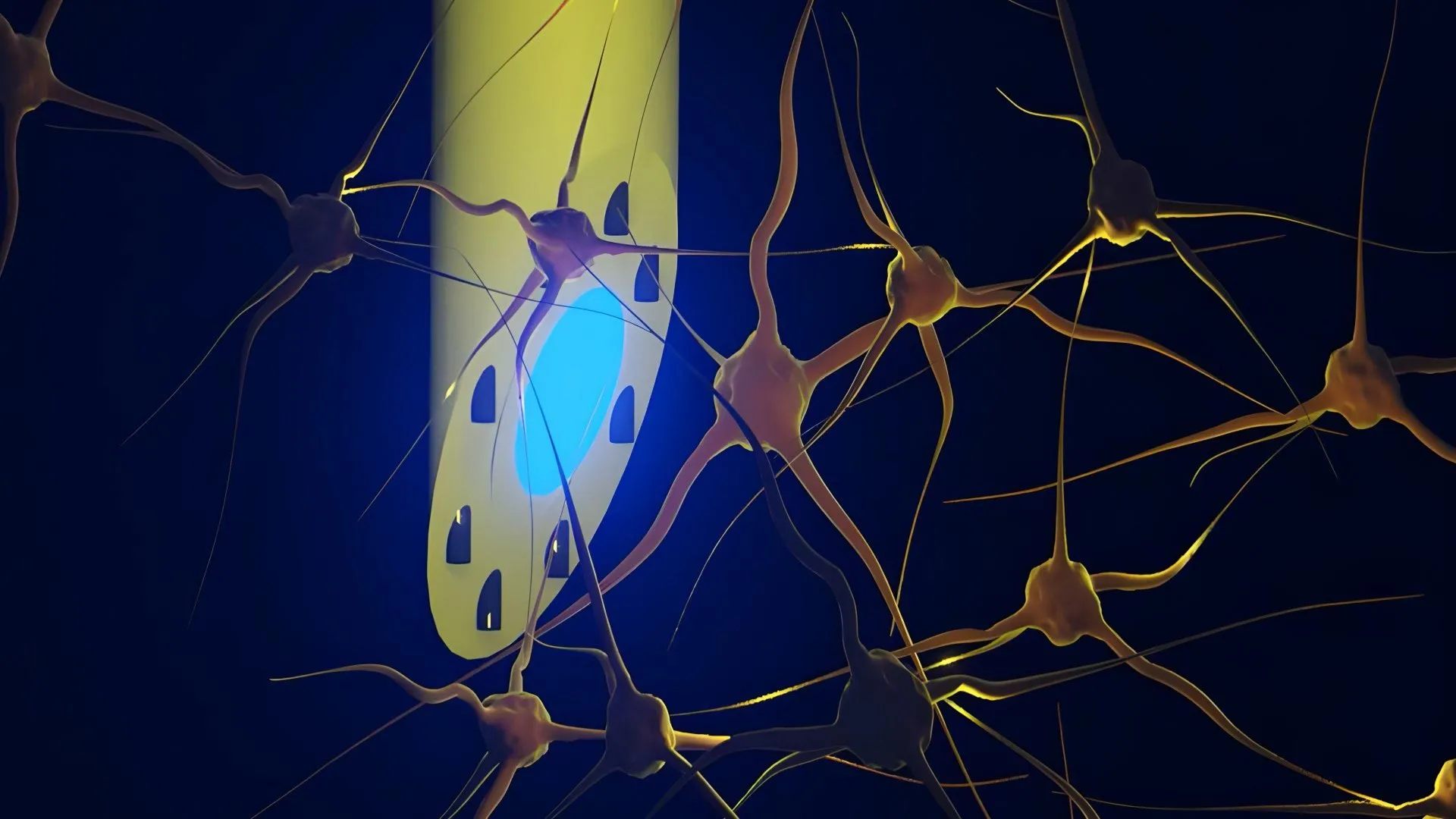
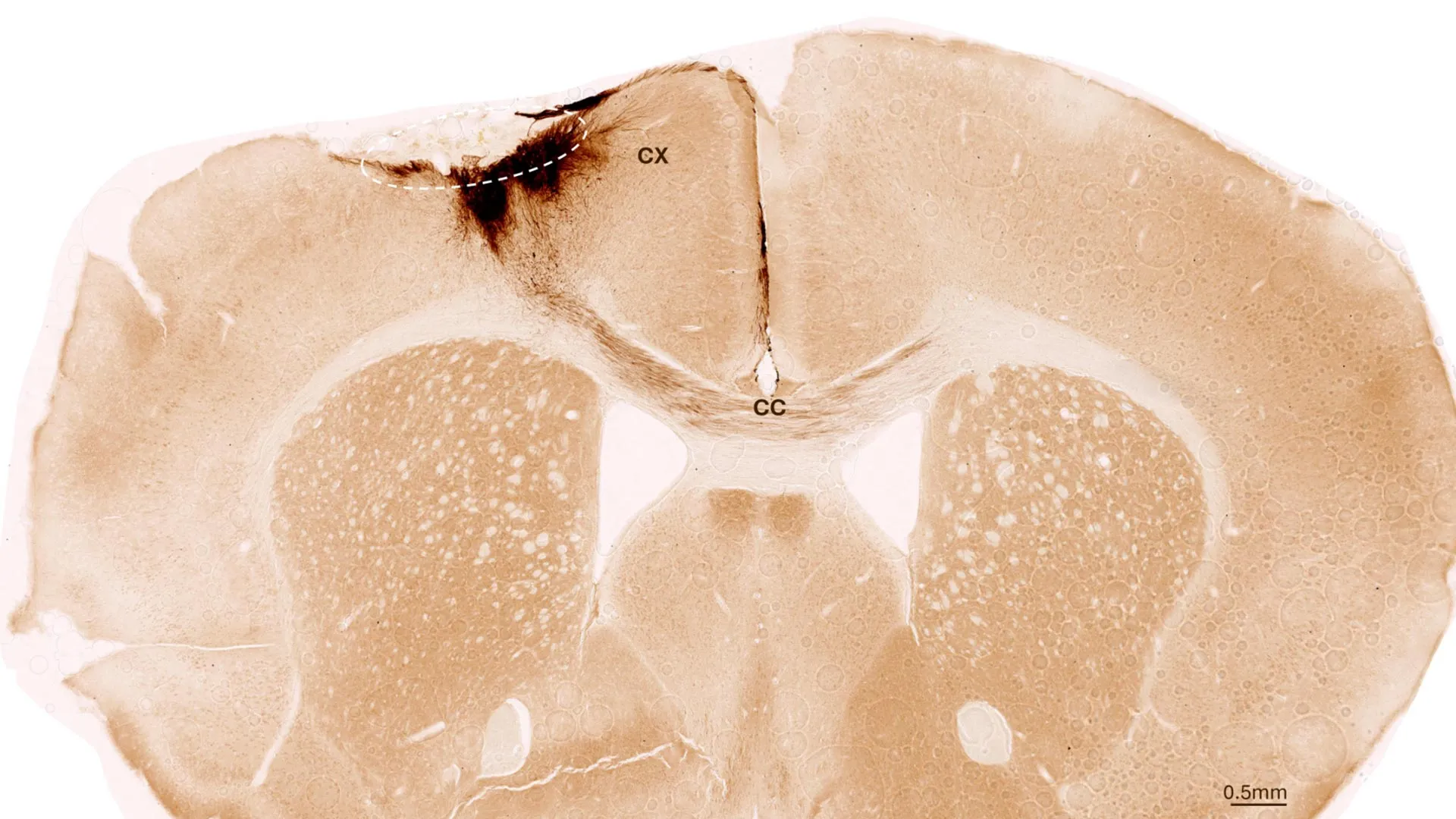
- Controlled Silencing: To isolate the contribution of each region, researchers utilized state-of-the-art optogenetic techniques to temporarily silence V1 or LM while the mice performed the task. This provided a baseline for how each area functioned in the absence of its partner.
- Data Integration: By observing the behavioral and neural output during these silencing phases, the team gathered a comprehensive dataset on how individual regions struggle to maintain accuracy when the "consensus" is broken.
- Computational Modeling: The researchers synthesized these observations into an artificial neural network model of the V1-LM circuit. This enabled the team to simulate how individual neurons within these circuits react to contradictory input, effectively stress-testing the brain’s resolution mechanisms.
The findings were definitive: when activity in the V1 and LM regions aligned, the resulting signal was reinforced and persisted in the brain’s short-term memory. Conversely, when the two regions produced conflicting patterns, the disagreement was attenuated, fading within a fraction of a second. This rapid rejection of conflict suggests that the brain prioritizes consensus to maintain functional stability.
Supporting Data and Statistical Significance
The study’s reliance on artificial neural network modeling adds a layer of quantitative rigor rarely seen in behavioral neuroscience. By training the model on the data derived from the silenced-cortex experiments, Javadzadeh and her colleagues were able to predict, with high accuracy, how biological neurons respond to sensory conflict.
In the experimental trials, the researchers noted that when V1 and LM were in agreement, the signal-to-noise ratio in the visual processing stream increased by approximately 30 percent compared to instances of unresolved conflict. This suggests that the "consensus-building" mechanism acts as a filter, clearing away erroneous interpretations before they can be relayed to higher-order cognitive centers involved in decision-making and motor control. The speed at which this occurs—often within a few hundred milliseconds—underscores the efficiency of the neocortical architecture in maintaining a reliable, real-time representation of the environment.
Broader Implications for Neuroscience and AI
The scope of this discovery extends well beyond the visual cortex. If the mechanism of consensus building is indeed a fundamental principle of neocortical function, it could explain how the brain handles multisensory integration. "For example, when what you see contradicts with what you hear, do you still use the same kind of mechanisms to reconcile these two?" Javadzadeh posits. Future research will likely focus on whether this V1-LM consensus loop is a prototype for how the brain manages complex, cross-modal contradictions.
The implications for artificial intelligence (AI) are equally profound. Current AI systems, particularly deep learning models, are often susceptible to "adversarial attacks"—small, deliberate perturbations in data that cause the system to misclassify images or information. By observing how the biological brain prioritizes consensus between specialized areas, AI researchers may be able to develop more robust architectures. Integrating a "consensus-building" layer into artificial neural networks could allow AI to cross-reference multiple streams of information and ignore outliers that contradict the established context, leading to more trustworthy and resilient autonomous systems.
Addressing Neural Failure and Clinical Potential
A critical avenue for future study lies in the potential for this consensus mechanism to malfunction. In conditions such as schizophrenia or certain neurodevelopmental disorders, the brain’s ability to synthesize sensory information is often compromised, leading to hallucinations or a fragmented perception of reality.
"While we understand individual building blocks of the brain, what is the glue that puts them together?" Javadzadeh asks. If the "glue" is this dynamic consensus-building process, then disorders characterized by sensory-perceptual instability may be reclassified as failures of this specific feedback circuitry. Clinicians and researchers may one day look toward this V1-LM model to develop targeted interventions aimed at restoring stability to the neural communication channels that underpin our sense of self and our interpretation of the external world.
A New Framework for Holistic Brain Function
The research conducted at Cold Spring Harbor Laboratory, in partnership with the University of Cambridge and University College London, represents a shift in how we conceptualize the brain. By moving away from a purely modular, "assembly line" view of the neocortex, this study highlights the brain as a highly interactive, self-correcting system. The discovery that the brain actively negotiates its own internal conflicts provides a foundational answer to how we maintain a consistent worldview in an inconsistent environment.
As neuroscientists continue to map the broader neocortex, the V1-LM model serves as a vital template. The ability to distinguish between accurate perception and sensory noise is not merely a biological convenience; it is a fundamental survival requirement. As Javadzadeh’s work demonstrates, the "glue" that holds our experience together is a rigorous, persistent, and highly efficient process of consensus. In the coming decade, this framework will likely serve as the bedrock for new advancements in both our clinical understanding of the human mind and our technological aspirations for artificial intelligence. By understanding how the brain agrees with itself, we move one step closer to understanding the ultimate mystery of how the brain works as a whole.