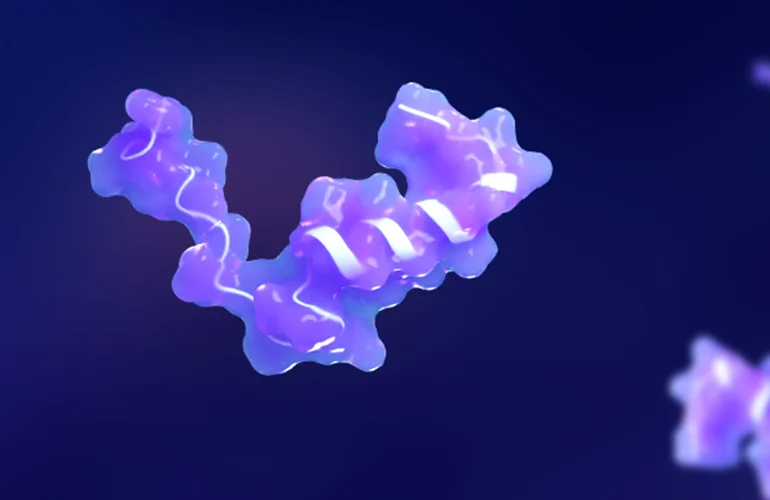
The pharmaceutical landscape is currently undergoing a structural metamorphosis driven by the meteoric rise of peptide therapeutics. Once relegated to the periphery of drug development, peptides have surged into the spotlight, primarily fueled by the clinical and commercial dominance of glucagon-like peptide-1 (GLP-1) receptor agonists. While small-molecule drugs and monoclonal antibodies have long anchored the therapeutic market, peptides—chains of amino acids that occupy the "middle space" in molecular weight—are increasingly favored for their high potency and specificity. However, as developers shift their focus from single-target analogs to more complex dual and triple agonists, as well as oral formulations, metabolic stability has emerged as the critical bottleneck, dictating the success or failure of next-generation drug candidates.
The evolution of this field is best viewed through a recent chronological lens. In the early 2010s, the development of long-acting GLP-1 analogs established the proof of concept for metabolic stabilization. By 2017, the widespread adoption of once-weekly semaglutide set a new standard for patient compliance. The subsequent approval of tirzepatide in 2022 by the FDA—marking the first dual GIP/GLP-1 agonist—signaled a transition toward multi-target pharmacology. By 2025, the approval of mazdutide in China confirmed that the industry had successfully moved beyond simple metabolic control toward broader metabolic and cardiovascular protection. As of late 2026, the focus has shifted to the "third wave" of peptide design: triple agonists like retatrutide, which promise even more robust efficacy but bring with them significantly higher risks of degradation and metabolic instability.
The Fundamental Mechanics of Peptide Metabolism
The primary obstacle in peptide drug development is the inherent instability of the peptide bond in biological environments. Unlike small molecules, which are typically processed by the cytochrome P450 (CYP450) enzyme system within the liver, peptides are primarily susceptible to proteolysis—the breakdown of protein bonds by various proteases found throughout the body. This creates a dual burden for medicinal chemists: they must engineer a molecule that is potent enough to bind its target receptor while simultaneously being robust enough to resist the rapid enzymatic clearance that occurs in plasma, the gastrointestinal tract, and the kidneys.
The challenge is exacerbated by the trend toward multifunctional peptides. When researchers link multiple pharmacophores to hit different receptors, the resulting molecular complexity often introduces new sites of proteolytic cleavage. Every structural modification—intended to increase potency or prolong half-life—potentially creates a new "handle" for the body’s enzymes to grasp and degrade the drug. Consequently, the pharmacokinetic (PK) profile of a complex peptide is rarely as straightforward as that of its single-target predecessors.
Data-Driven Strategies for Stability
To achieve the long-acting profiles required for modern therapeutics, industry leaders have adopted a suite of sophisticated engineering techniques. Lipidation, the process of attaching fatty acid chains to the peptide backbone, has become the industry gold standard for extending duration of action. This modification promotes binding to serum albumin, which effectively "hides" the peptide from rapid filtration by the kidneys and slows its enzymatic degradation in the blood.
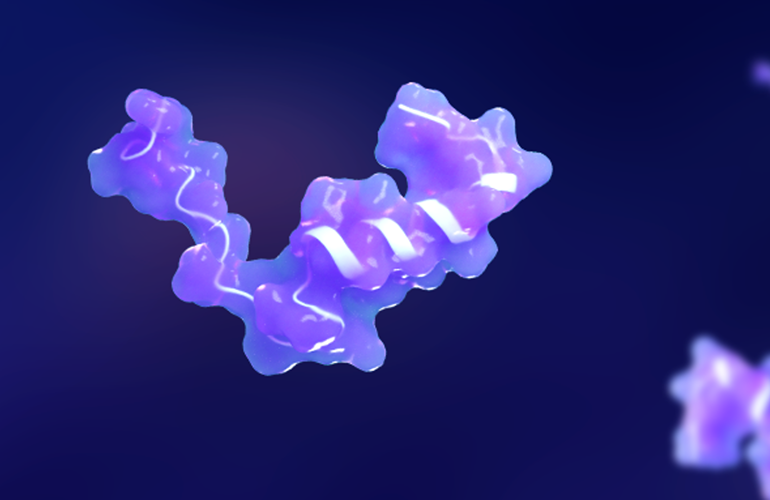
In addition to lipidation, the strategic incorporation of non-natural amino acids has proven vital. By substituting standard amino acids with synthetic counterparts, developers can effectively "cloak" the peptide, rendering it unrecognizable to the proteases that would otherwise cleave it. For instance, the engineering behind semaglutide involved precise structural modifications that extended its half-life to 165 hours. This achievement demonstrated that with the correct molecular design, a peptide could remain in systemic circulation for a full week, a duration that was once considered impossible for this class of drug.
Tissue-Specific Metabolism: A New Analytical Frontier
As the industry matures, the focus is shifting from simple plasma stability to a granular, tissue-specific understanding of drug metabolism. According to researchers at leading contract research organizations, including the DMPK (Drug Metabolism and Pharmacokinetics) divisions at WuXi AppTec, the future of peptide development lies in comprehensive, multi-matrix screening.
Plasma remains the initial, most accessible diagnostic tool for determining stability. However, experimental protocols have evolved significantly. For example, recent comparative studies have highlighted that the choice of anticoagulant in plasma collection is not merely procedural—it is a critical variable. EDTA-K2, a commonly used anticoagulant, can chelate essential metal ions and inadvertently inhibit the very enzymes researchers are trying to study. Conversely, heparin sodium has been shown to provide more consistent results for peptide stability assessments, leading to a shift in standard operating procedures across global labs.
The liver, acting as the primary metabolic clearinghouse, requires even more complex modeling. Standard microsomal assays, which work well for small molecules, often fall short for peptides because they exclude critical cytosolic enzymes. Current evidence suggests that liver S9 fractions—which contain both microsomal and cytosolic proteins—provide a more accurate reflection of human in vivo clearance. Similarly, kidney-based models are becoming increasingly essential. Since peptides are often cleared via renal filtration and subsequent reabsorption or degradation, utilizing kidney S9 fractions and homogenates has become mandatory for characterizing the terminal stages of the drug’s metabolic lifecycle.
The Gastrointestinal Hurdle and Oral Delivery
Perhaps the most significant frontier in peptide therapeutics is the transition from injectable to oral administration. The gut is an exceptionally hostile environment for peptides, characterized by a gauntlet of enzymes such as pepsin, trypsin, and chymotrypsin. The success of oral semaglutide, which utilizes salcaprozate sodium (SNAC) as an absorption enhancer, has provided a roadmap for the industry. SNAC works by locally altering the pH environment, thereby protecting the peptide from immediate enzymatic degradation and facilitating its transit through the gastric mucosa.
For developers seeking to replicate this success, GI stability studies have become the cornerstone of lead optimization. By evaluating candidate molecules against a panel of digestive enzymes, researchers can determine whether a specific peptide sequence can survive the trip from the mouth to the bloodstream. This data, in turn, informs structural modifications—such as N-terminal acetylation or C-terminal amidation—that provide the necessary resilience to withstand the digestive tract.

Implications for Regulatory and Clinical Strategy
The implications of this metabolic focus are far-reaching. Regulatory bodies are increasingly scrutinizing the "metabolic footprint" of new drugs. It is no longer sufficient to prove that a drug works; developers must now characterize the full spectrum of its metabolites. If a structural modification intended to stabilize a peptide results in a metabolite with unexpected toxicity or off-target activity, the regulatory pathway could be significantly delayed.
Furthermore, the integration of ADME (Absorption, Distribution, Metabolism, and Excretion) and toxicology strategies at the earliest stages of the drug discovery process is now a competitive necessity. By investing in high-fidelity, in vitro metabolic models, companies can "fail early" and pivot to more stable candidates, saving millions in clinical trial costs.
Expert Perspective: The Shift in DMPK Paradigms
Industry experts, including associate directors specializing in DMPK at major research institutions, emphasize that we have entered an era of "rational peptide design." The ability to establish platforms that can accommodate the specific needs of modalities like Antibody-Drug Conjugates (ADCs) and multi-target peptides has transformed the discovery timeline. By building robust, automated platforms for measuring clearance in diverse tissues, developers can now predict the human pharmacokinetic profile with much higher accuracy than was possible a decade ago.
The consensus among the scientific community is clear: the era of "trial and error" in peptide design is closing. The future belongs to those who treat metabolic stability not as a secondary concern, but as the fundamental principle of molecular architecture. As the field looks toward 2030, the ability to balance multi-target potency with inherent biological stability will define the next generation of blockbuster therapies. From cardiovascular health to the treatment of complex neurological disorders, the potential of multifunctional peptides is immense—provided that the industry continues to master the invisible, yet decisive, science of metabolic stability.