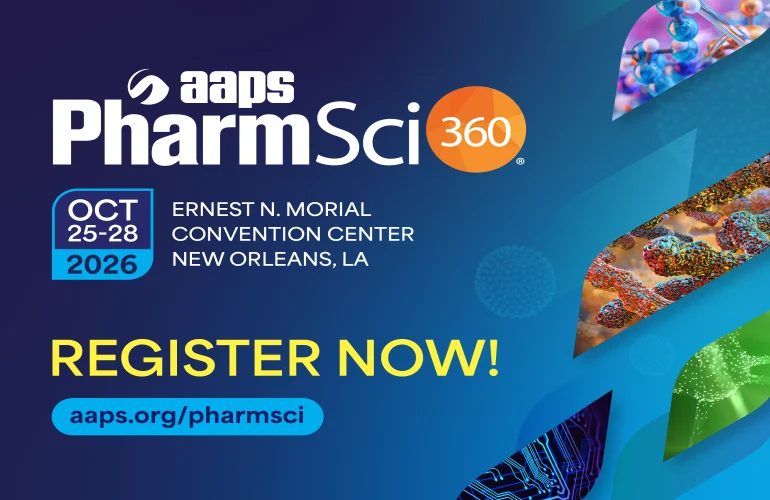
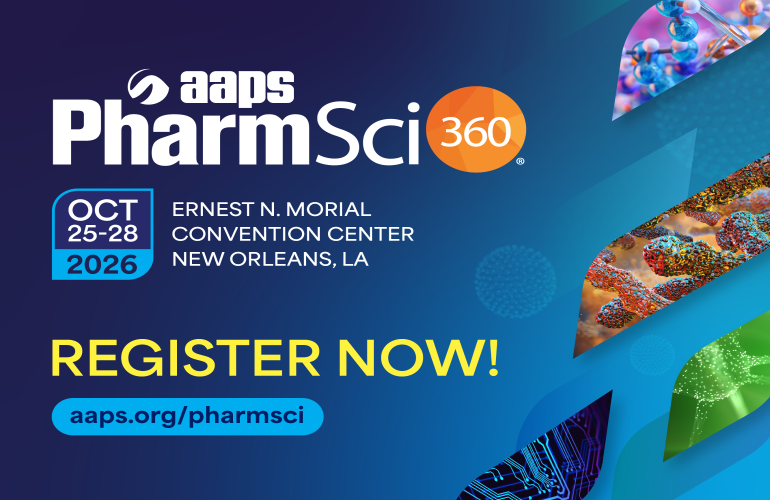
The pharmaceutical industry stands at a critical juncture where the integration of advanced computational modeling, novel biological delivery systems, and stringent regulatory frameworks dictates the speed and efficacy of drug development. From October 25 to 28, 2026, the American Association of Pharmaceutical Scientists (AAPS) will convene its flagship event, PharmSci 360, at the Ernest N. Morial Convention Center in New Orleans. This gathering represents one of the most significant annual forums for the global life sciences community, bringing together thousands of researchers, executive leaders, and regulatory experts to address the lifecycle of drug discovery and manufacturing.
The Evolution of the PharmSci 360 Framework
AAPS PharmSci 360 has historically functioned as an interdisciplinary nexus, bridging the gap between bench-top laboratory research and global commercialization. By fostering an environment where large-scale pharmaceutical enterprises like AstraZeneca and Merck interact with smaller biotech firms and academic institutions such as the Mayo Clinic, the event facilitates a cross-pollination of methodologies. The 2026 edition emphasizes a “science-first” mandate, prioritizing technical sessions that tackle the most persistent bottlenecks in therapeutic development, including clinical trial delays, immunogenicity risks, and the transition from traditional animal models to New Approach Methodologies (NAMs).
Chronological Roadmap: A Three-Day Technical Deep Dive
The conference schedule is structured to provide a comprehensive look at the modern drug development pipeline.
Monday, October 26: Navigating Regulatory and Biological Complexity
The opening technical sessions reflect the industry’s focus on operational efficiency and advanced cellular models. The Executive Track will feature an “autopsy” of development delays, led by experts from Rx-360 and Blue Oaks Biotech, aimed at identifying the root causes of cycle-time slippage. Parallel sessions will address the complexities of regulatory compliance, specifically the design of biodistribution strategies under ICH S12 guidelines, presented by Eli Lilly. Furthermore, the day will highlight emerging biological technologies, including the use of liver-on-a-chip systems for toxicology and the investigation of PD-L1 exosomes in oncology, a session led by Florida A & M University that underscores the growing interest in non-traditional drug delivery mechanisms.
Tuesday, October 27: The Rise of Quantitative and Microphysiological Systems
Tuesday’s agenda shifts toward the intersection of technology and patient-centric outcomes. Quantitative Systems Toxicology (QST) and microphysiological systems will take center stage, with Simulations Plus detailing how these tools can advance NAMs. AstraZeneca will provide a comprehensive look at the translational aspects of nanomedicine, a critical area for improving the targeting of complex therapies. The medical focus will be anchored by a session on the clinical consequences of GLP-1-induced gastric emptying, presented by the Mayo Clinic—a topic of high relevance given the current widespread utilization of GLP-1 receptor agonists in metabolic health.
Wednesday, October 28: Future Paradigms and Regulatory Harmonization
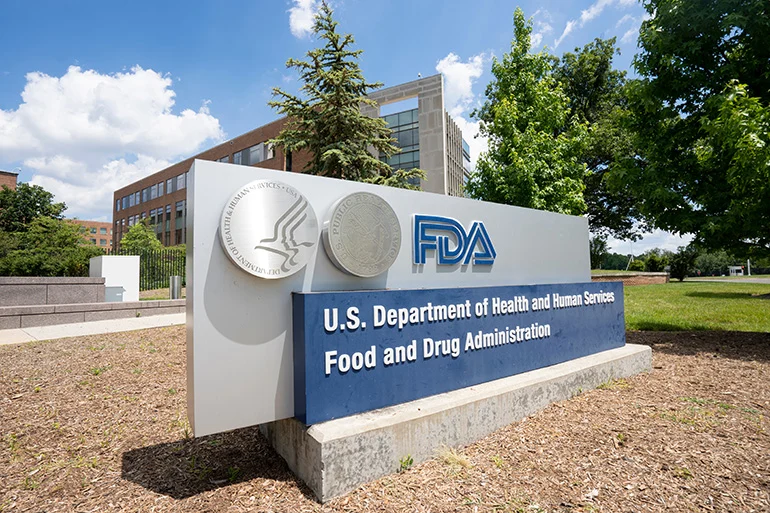
The final day focuses on the long-term future of pharmaceutical regulation and modeling. A major highlight will be the “Hot Topic” session regarding pediatric drug data, featuring a tripartite panel from Health Canada, the European Paediatric Formulation Initiative, and the U.S. FDA. This discussion is expected to address the ongoing challenge of international regulatory alignment. Additionally, the day will explore the nuances of PBPK modeling for predicting food effects on drug absorption, a session led by Certara that demonstrates the maturation of predictive software in clinical development.
Innovator-Curated Tracks and Research Integrity
For the first time, PharmSci 360 has introduced two "Innovator-Curated" tracks, a strategic response to the industry’s increasing need for specialized guidance in ethics and advanced methodology. Brian Nosek, a leading voice in the science of open research, will inaugurate the track on research integrity. This initiative aims to address the replication crisis and data transparency issues that have become central to modern clinical research. Following this, Dr. Thomas Hartung will lead a deep dive into NAMs, reflecting a global shift toward reducing reliance on traditional animal models in favor of human-relevant, high-throughput testing systems.
Addressing the Public Health Horizon
The plenary sessions for 2026 reflect the broader influence of the pharmaceutical sector on public health. Julie Gerberding, CEO of the Foundation for the National Institutes of Health (FNIH), will open the conference, likely focusing on the collaborative models required to address global health emergencies. Closing the event, David Berry of Averin Capital will provide a venture-capital perspective on the transformative power of emerging technologies, such as artificial intelligence and digitized manufacturing, on the global pharmaceutical market.
Strategic Partnerships: The USP Integration
A notable expansion in the 2026 programming is the partnership with the United States Pharmacopeia (USP). By hosting sessions directly within the exhibit hall, the USP is making technical standards regarding complex generics, excipient quality, and inhalation standards more accessible to the working scientist. This integration recognizes that standardization is not merely a bureaucratic requirement but a foundational element of high-quality drug formulation. Attendees will have the opportunity to engage with these standards in real-time, bridging the gap between theoretical research and standardized industrial application.
Career Development in the Era of AI
The “Careers 360” program acknowledges that the technical skills required for drug discovery are shifting rapidly. The 2026 curriculum includes dedicated sessions on AI skill-building, a recognition that computational proficiency is now as essential as wet-lab experience. By offering resume reviews, interview practice, and workshops on securing startup funding, the event serves as a career-advancement platform for both early-career scientists and seasoned professionals looking to pivot into new sectors of the biotech industry.
Broader Implications for the Pharmaceutical Industry
The implications of the research and networking occurring at PharmSci 360 are far-reaching. As the industry faces mounting pressure to reduce the costs and timelines associated with drug development, the adoption of the technologies showcased in New Orleans—such as organ-on-a-chip systems and advanced PBPK modeling—is expected to accelerate.
Furthermore, the emphasis on regulatory collaboration, particularly in the pediatric space, suggests a maturing global environment where information sharing is becoming a prerequisite for market approval. The industry’s shift toward NAMs, as highlighted by the expert-led tracks, indicates a fundamental change in the R&D philosophy, moving away from archaic models toward more predictive, data-driven approaches.
Economic and Scientific Context
PharmSci 360 arrives at a time when the pharmaceutical industry is navigating significant economic headwinds, including the expiration of key drug patents and the rising cost of clinical trials. Data from industry analysts suggests that the implementation of advanced simulation tools can reduce Phase I trial costs by up to 20% through better patient selection and dosing strategies. By providing a forum for these technologies, AAPS is positioning itself as a vital advocate for efficiency.
The presence of companies like 10x Genomics, Agilent, and Thermo Fisher Scientific in the exhibit hall underscores the symbiotic relationship between pharmaceutical research and the instrumentation sector. These companies are not merely vendors; they are partners in the innovation cycle, providing the high-resolution data necessary for the breakthrough therapies of the next decade.
Conclusion
AAPS PharmSci 360 serves as more than a standard professional conference; it is a critical diagnostic of the health and direction of the global pharmaceutical industry. By balancing high-level executive strategy with granular technical sessions, the event provides a comprehensive roadmap for those working to solve the most pressing challenges in human health. As attendees gather in New Orleans, the focus remains clear: through the application of rigorous science, regulatory foresight, and technological integration, the pharmaceutical community can continue to translate complex discovery into life-saving therapeutic outcomes. For those tasked with navigating the intricacies of the modern drug lifecycle, the sessions presented this October offer both the intellectual tools and the professional network necessary to remain at the forefront of the field.