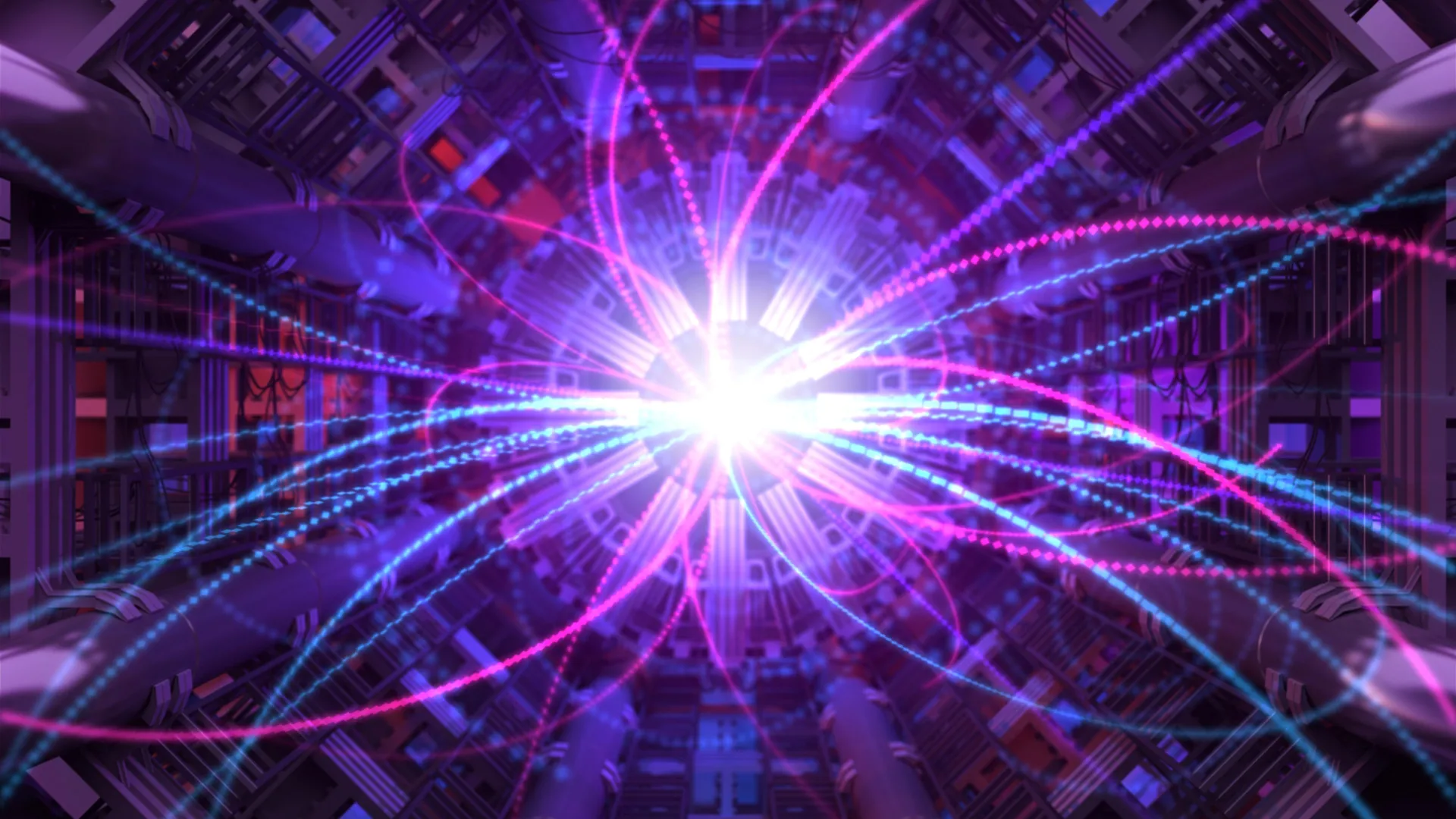
The pursuit of clean, virtually limitless energy has long been hindered by a fundamental physical barrier: the inherent instability of plasma heated to temperatures exceeding the core of the sun. Inside experimental magnetic confinement devices known as tokamaks, these superheated particles can develop disruptions within thousandths of a second—a window of volatility far too narrow for human operators to intercept. To bridge this critical technological gap, a collaborative research team from the U.S. Department of Energy’s Princeton Plasma Physics Laboratory (PPPL) and Princeton University has engineered a pioneering software framework named PACMAN, short for Prediction And Control using MAchiNe learning. Designed to automate rapid decision-making while rigidly enforcing hardware safety protocols, PACMAN successfully completed five foundational experiments on a real-world fusion machine, marking a watershed moment in automated plasma stabilization and setting a new trajectory for commercial fusion energy development.
Background Context of the Event
Nuclear fusion—the same physical process that powers the sun and stars—holds the promise of generating abundant electricity without long-lived radioactive waste, greenhouse gas emissions, or the catastrophic meltdown risks associated with traditional fission reactors. For decades, physicists have concentrated their efforts on magnetic confinement fusion, utilizing complex toroidal chambers called tokamaks to suspend plasma within powerful magnetic fields. However, maintaining a steady-state fusion reaction requires keeping the plasma extraordinarily hot, dense, and uniform.
The primary impediment to sustaining these conditions is plasma instability. Minor perturbations in temperature, pressure, or magnetic flux can cascade into major disruptions within milliseconds, extinguishing the reaction and potentially damaging the reactor’s interior walls. Historically, managing these systems relied on a patchwork of traditional feedback algorithms and human oversight. While human operators excel at setting overarching experimental goals and strategic parameters, their reaction times are measured in seconds. Traditional computer simulations, conversely, require hours, days, or even months of processing time to model complex magnetohydrodynamic behaviors. This left a dangerous vacuum in real-time control, where rapid, microsecond-scale interventions are mandatory to prevent plasma degradation. Recognizing that machine learning offered the only computational speed capable of addressing these millisecond challenges, PPPL and Princeton researchers initiated the development of an integrated, multi-model framework to unify disparate AI control algorithms into a single cohesive architecture.
Chronology of Development and Testing
The conceptualization and realization of PACMAN unfolded over a rigorous multi-year research and testing timeline. The foundation of the project began as researchers recognized that while individual machine learning models had demonstrated localized success in predicting plasma behavior, the fusion community lacked a standardized ecosystem that allowed these independent models to communicate, share live telemetry, and execute unified commands.
Following months of intensive software architecture design and preliminary validation using historical reactor data, the research team integrated the first machine learning model into the framework. Subsequent phases accelerated dramatically. Once the primary architecture was established, engineers discovered that incorporating secondary and tertiary AI models required merely days rather than months, a modular efficiency that transformed the traditional, slow-paced iteration cycle of fusion experimentation.
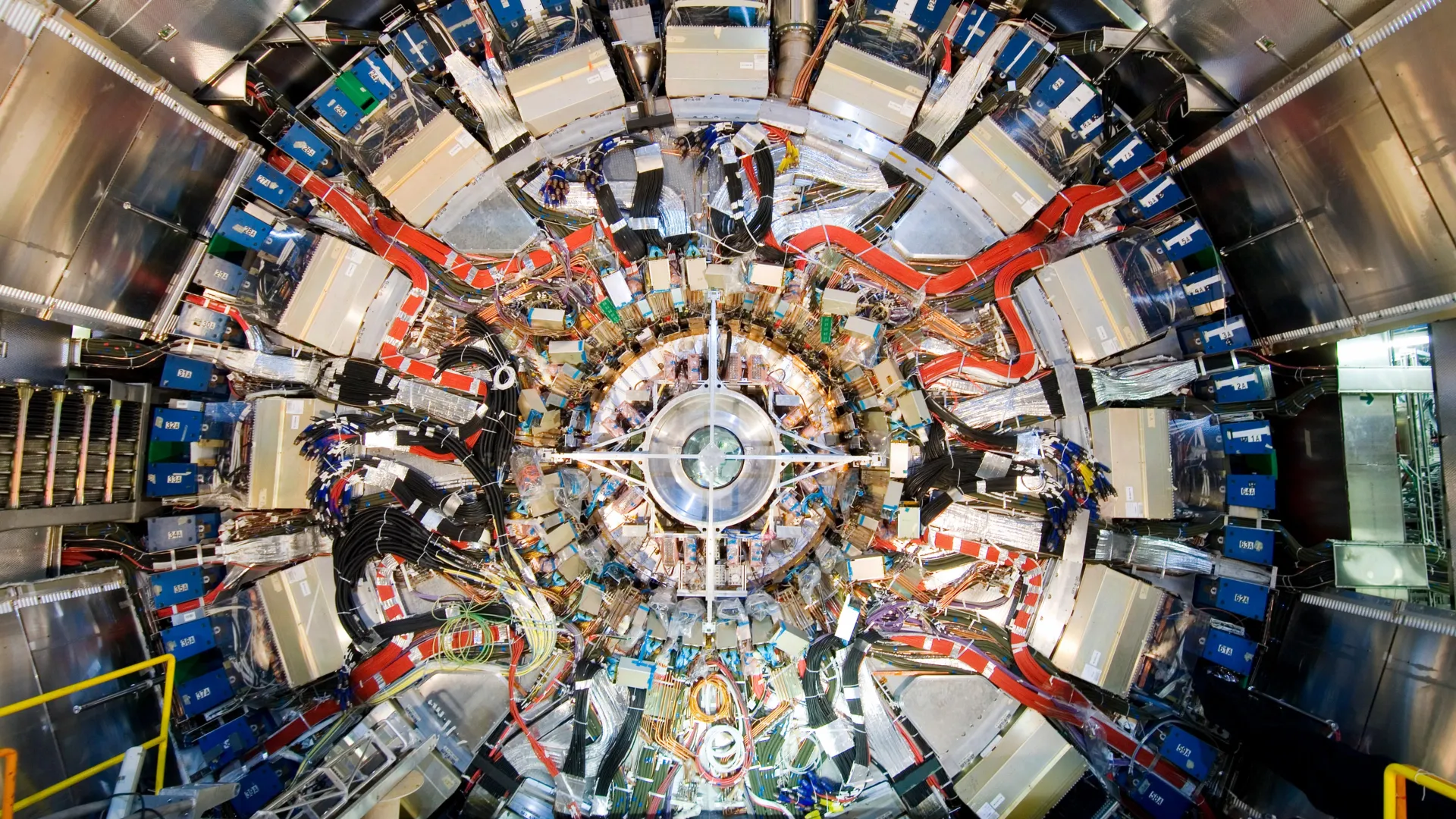
The culmination of this development phase occurred at the DIII-D National Fusion Facility in San Diego, a premier national tokamak user facility operated by General Atomics for the DOE Office of Science. During a targeted experimental campaign comprising five distinct operational shots, PACMAN was deployed on a live, high-energy fusion system. In these trials, the framework successfully executed real-time monitoring, error-checking, multi-model prediction, and hardware command arbitration. Most notably, in a dedicated tearing mode experiment, PACMAN’s machine learning models accurately predicted an impending magnetic tearing instability roughly 200 milliseconds before manifestation, allowing the system to preemptively adjust plasma profiles and avert performance degradation. Furthermore, the framework simultaneously governed all six of DIII-D’s high-power gyrotrons—microwave heating systems—dynamically modulating their power outputs and mechanical mirror positions to meet complex, predefined experimental targets without human intervention during the shot sequence.
Supporting Data and Technical Architecture
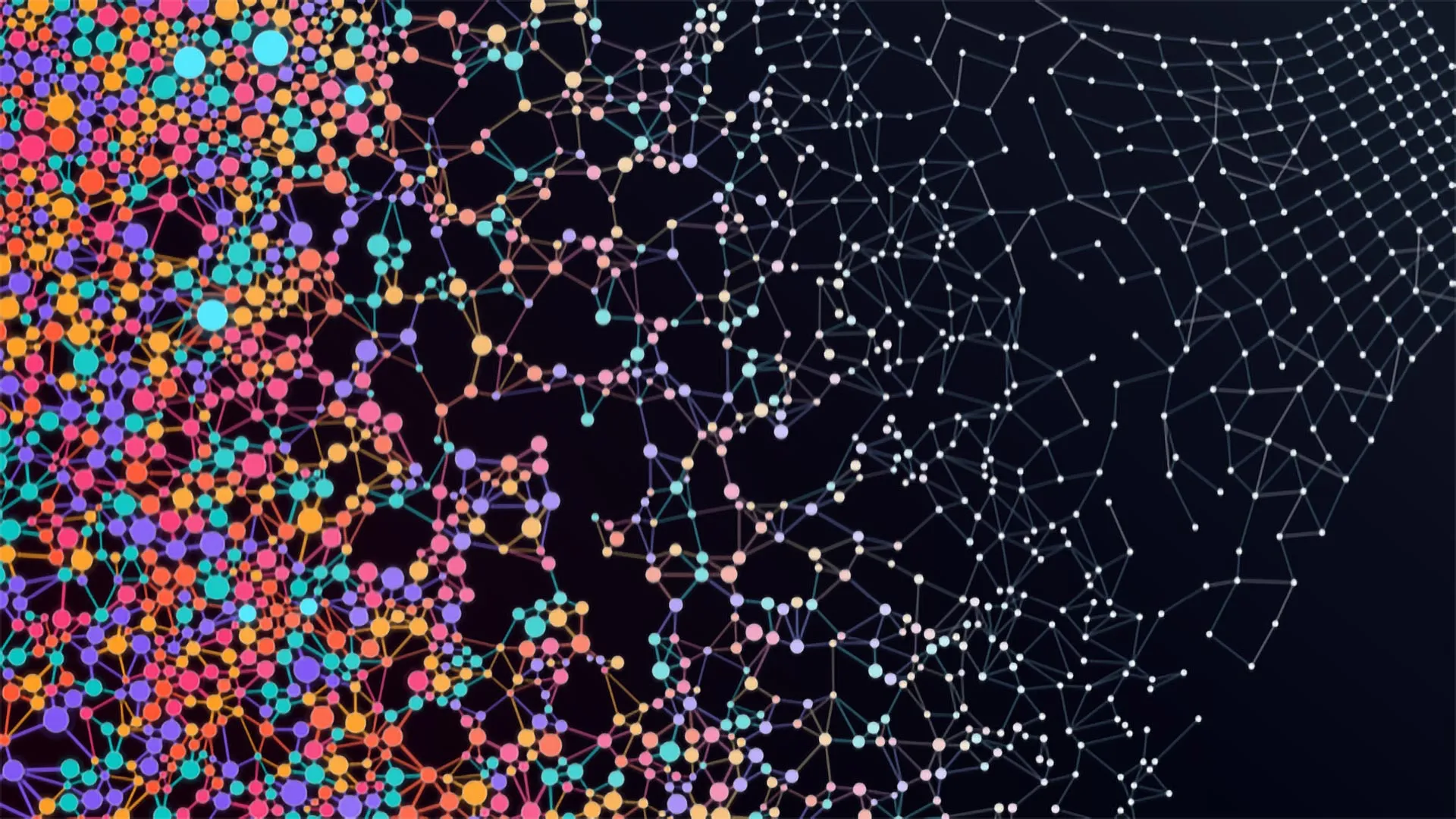
The operational mechanics of PACMAN rely on a structured, four-station assembly-line protocol operating inside a continuous, high-speed control loop. PACMAN executes its entire cycle in approximately 20 milliseconds, repeating the loop continuously to survey minute fluctuations within the plasma.
- Data Acquisition and Ingestion: The framework gathers live, high-frequency telemetry from the tokamak diagnostics, encompassing core and edge temperatures, plasma density profiles, and internal magnetic sensor readings.
- Preprocessing and Validation: Incoming signals undergo automated error-checking to filter out noise or corrupted data, after which they are consolidated into a standardized data package.
- Prediction and Control Inference: Specialized machine learning models pull required parameters from the data package to evaluate the current state of the plasma and forecast future trajectories. Independent controllers translate these predictions into required remedial actions, such as increasing auxiliary heating beam power.
- Arbitration and Execution: In the final stage, PACMAN resolves potential conflicting commands issued by separate controllers, applies unyielding hardware safety limits to protect the physical tokamak infrastructure, and dispatches the validated control signals to the machine’s actuators.
This modular separation ensures that scientists can swap, update, or introduce new AI algorithms without destabilizing the broader control infrastructure. The architectural robustness was validated through data logs confirming that PACMAN simultaneously maneuvered all six gyrotron mirrors to optimal spatial coordinates in real time, achieving an objective that defied conventional algorithmic optimization.
Official Responses and Perspectives
The implications of the PACMAN framework have drawn enthusiastic reactions from the plasma physics community, who emphasize the collaborative synergy between artificial intelligence and human scientific inquiry.
"We developed this framework so that models could communicate, outputs from those models could be shared and we could do exciting physics in one integrated system," stated Andy Rothstein, a graduate student in Princeton University’s Department of Mechanical and Aerospace Engineering and co-lead author of the research paper published in Nuclear Fusion. Highlighting the operational speed advantage, Rothstein added, "A really focused human operator can respond on the order of seconds. The whole PACMAN framework typically runs in about 20 milliseconds, and it’s not running once. It’s running again and again and again. It can see small things happening in the plasma and adjust in a way that a human would never be able to do."
Co-lead author Hiro Farre Kaga, a graduate student in the Princeton Program in Plasma Physics—a joint venture between Princeton University and PPPL—emphasized the vital role of predictive capabilities in preserving plasma confinement. "In one of the experiments we present, a machine learning model predicts the tearing mode about 200 milliseconds in advance, so the plasma can be changed to avoid it in the first place," Farre Kaga noted. Regarding the successful coordination of the DIII-D heating systems, he observed, "There was no algorithm to find that optimal solution before. When the shot ended and we looked at the data, it was doing exactly what we hoped, simultaneously moving all six in an optimal way to reach the goal."
Addressing the broader structural impact of the software, Egemen Kolemen, associate professor of mechanical and aerospace engineering at Princeton University with joint appointments at the Andlinger Center for Energy and the Environment and PPPL, underscored the platform’s scalability. "PACMAN uses a flexible setup where building-block AI algorithms can be put together. You can add a new one, swap one out or run several at once without touching the rest of the system," Kolemen said. "That modularity is what turns AI plasma control from a series of one-off demonstrations into infrastructure the whole fusion community can build on."
Crucially, the research team maintains a strict stance on human accountability. While PACMAN automates microsecond-level reactions, the framework is intentionally bounded by immutable safety limits defined by engineers. Physicists review experimental data after every shot to refine objectives, ensuring that human operators retain ultimate authority over the system’s operational parameters. As Farre Kaga summarized, "No matter how sophisticated your controllers, in the end it’s a human operator that sets the parameters for that control."
Broader Impact and Future Implications
The successful demonstration of the PACMAN framework represents a foundational shift for magnetic confinement fusion research. By replacing fragmented, single-purpose scripts with an integrated, standardized AI infrastructure, the PPPL and Princeton team has provided the global fusion community with a scalable tool capable of accelerating experimental iteration.
As next-generation fusion pilot plants and commercial reactors are designed and constructed, managing extreme thermal loads and magnetohydrodynamic instabilities will remain a central engineering hurdle. PACMAN’s modular architecture is inherently adaptable, meaning the framework can theoretically be calibrated for tokamaks of varying geometrical scales, magnetic topologies, and diagnostic configurations—including reactors currently on the drawing board.
Furthermore, the dramatic reduction in deployment time for new machine learning models—dropping from months of bespoke coding to days of plug-and-play testing—empowers researchers to rapidly prototype, validate, and discard experimental control strategies. This agility is expected to compress the developmental timeline for commercial fusion energy, bringing researchers closer to realizing steady-state, net-positive energy generation. Supported by the DOE Office of Science and the National Science Foundation, the ongoing refinement of frameworks like PACMAN underscores how artificial intelligence is evolving from an experimental novelty into indispensable infrastructure for the future of clean energy.