The dual crises of mounting global plastic pollution and increasing food insecurity have long been treated as separate challenges, but researchers at Southern Illinois University (SIU) Carbondale are now bridging these issues through an innovative biochemical framework. By leveraging the natural metabolic capabilities of engineered yeast, scientists have developed a circular system that converts non-biodegradable plastic waste and agricultural biomass into nutrient-dense, edible food components. This breakthrough, presented at the American Chemical Society (ACS) fall meeting, represents a potential paradigm shift in resource management, with applications spanning from disaster relief zones on Earth to the frontiers of deep-space exploration.
The Scientific Genesis: A NASA-Inspired Solution
The origin of this research lies in the NASA Deep Space Food Challenge, a competition designed to incentivize the development of novel food production technologies capable of sustaining human life in resource-limited environments. In the vacuum of space, astronauts face the logistical impossibility of receiving frequent, heavy resupply missions from Earth. Consequently, the challenge necessitated a method to produce caloric and nutritional density from the limited waste products available on a spacecraft.
Associate Professor Lahiru Jayakody and his team identified an elegant chemical commonality: both plastic and food are composed primarily of carbon. Polyethylene terephthalate (PET), the resin widely used in single-use beverage bottles, possesses a chemical structure that can be deconstructed into basic carbon building blocks. Rather than utilizing energy-intensive chemical solvents, which are often toxic and difficult to manage in small, closed-loop environments, the team turned to synthetic biology. By engineering microorganisms to digest these carbon-rich molecules, the researchers effectively turned microbes into decentralized, microscopic food factories.
The Mechanism of Transformation: From PET to Protein
The conversion process is a multi-stage operation that combines advanced geology with molecular biology. First, the waste material—whether it is discarded PET plastic or lignocellulosic biomass like corn stalks—must be broken down. This is achieved through a proprietary process known as oxidative hydrothermal dissolution (OHD), pioneered by SIU Carbondale Professor Ken Anderson. OHD utilizes water, oxygen, and high-pressure, high-temperature conditions to shatter the complex, resilient molecular chains of plastics and plant matter into smaller, accessible organic acids and simple sugars.
Once these materials have been reduced to a feedstock, they are introduced to genetically modified strains of yeast, including Saccharomyces cerevisiae, commonly known as baker’s yeast. These microbes have been programmed to ingest the processed waste and undergo metabolic processes that synthesize proteins, essential fats, and vitamins. The elegance of this system lies in its efficiency; the yeast performs complex biochemical transformations that would require vast industrial infrastructure if attempted through traditional synthetic manufacturing.
Engineering Microbes as Miniature Bio-Factories
The practice of using yeast to manufacture substances is not novel, but the application to synthetic waste is transformative. For decades, the pharmaceutical industry has relied on genetically engineered microbes to produce insulin, once harvested from the pancreases of slaughtered animals. By applying these established principles of metabolic engineering to plastic waste, Jayakody and graduate researcher Sandhya Jayasekara have expanded the scope of synthetic biology.
The researchers have successfully demonstrated that different yeast strains can be specialized for specific nutritional outputs. For instance, while one strain is optimized to produce high-protein biomass, others have been engineered to synthesize specific flavoring compounds, such as vanillin, or essential micronutrients like beta-carotene, a precursor to vitamin A. This modular approach allows for the customization of the final product’s nutritional profile, a critical factor for long-term health in space missions or famine-stricken areas.
The Emergence of the Micro-Bite
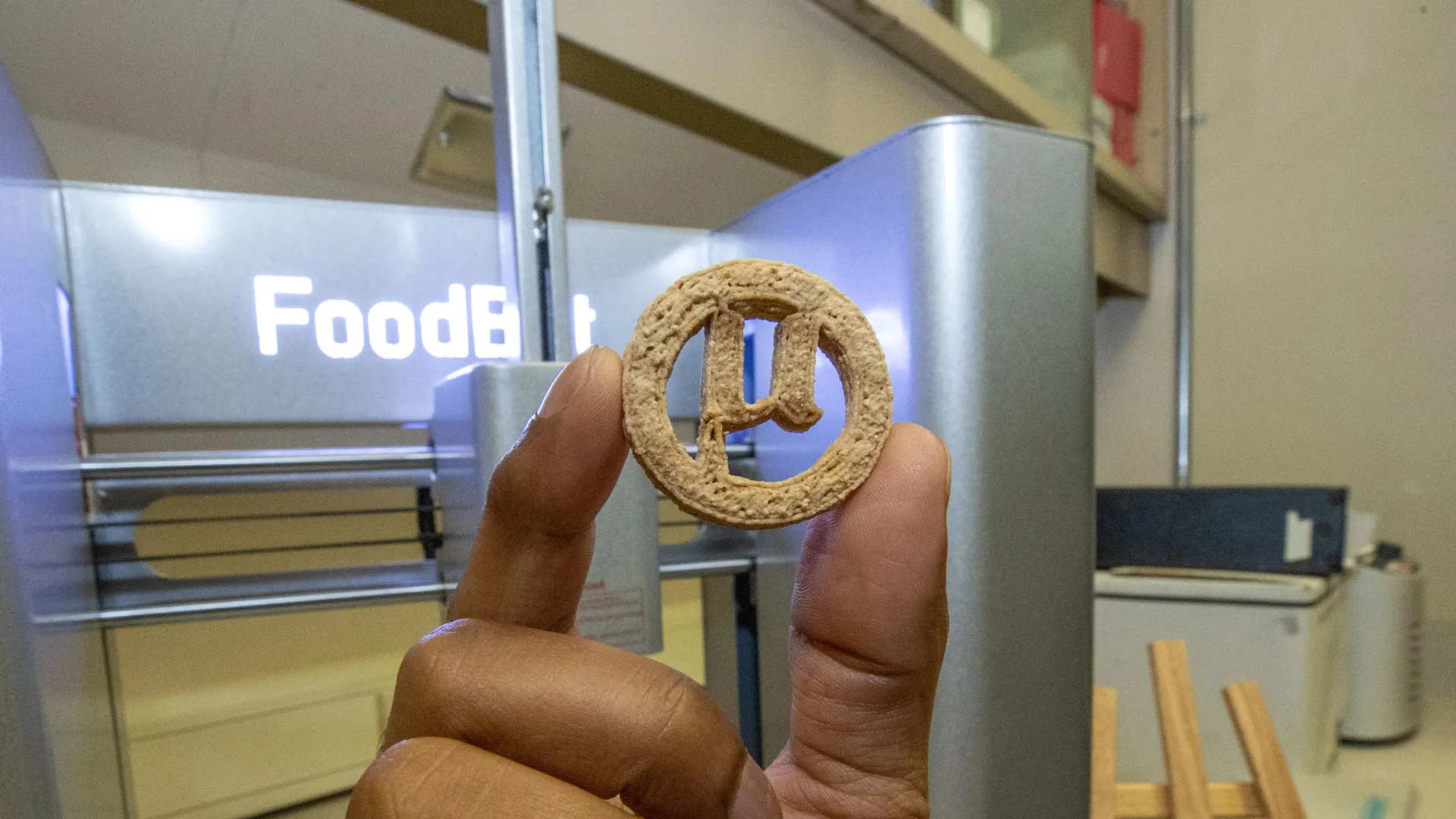
The tangible result of this research is a 3D-printed cookie known as "µBites" (micro-bites). In their current prototype phase, these cookies are constructed by blending the yeast-derived proteins, fats, and vitamins with traditional binders like starch and sweeteners. The mixture is then processed through a 3D printer, which allows for precise control over the texture and density of the food.
While formal human clinical trials are pending institutional review board (IRB) approval, preliminary data suggests that the product is safe for consumption. Aroma-based testing has shown a generally positive response from participants, many of whom indicated a willingness to consume the product in emergency scenarios where food scarcity is a primary concern. The research team is currently focused on enhancing the palatability of the cookies to make them a viable, competitive option for everyday nutrition rather than just a survivalist contingency.
Chronology and Milestones
- 2021-2022: The project gains momentum under the auspices of the NASA Deep Space Food Challenge, shifting the focus from general plastic upcycling to the specific synthesis of human-consumable food.
- 2023: Successful lab-scale conversion of PET-derived ethylene glycol into beta-carotene via engineered yeast strains.
- 2024: Presentation of findings at the American Chemical Society (ACS) symposium, showcasing the successful 3D printing of the first generation of µBites.
- Future Objectives (2025-2027): Anticipated clinical trials and the optimization of the yeast to produce the starch and sweetener components of the cookie internally, further closing the production loop.
Implications for Global Food Security
The significance of this technology extends far beyond space travel. The global food supply chain is currently under unprecedented strain; the United Nations and other global health organizations project that food demand will rise by as much as 56% by 2050. Simultaneously, approximately 30% of the world’s population is already projected to face chronic food insecurity in the coming decades.
Traditional agriculture is inherently vulnerable to climate change, land degradation, and water scarcity. A microbial-based food production system offers a resilient alternative. Because the raw material for this process is waste—which is ubiquitous in both developed and developing nations—the production of food could potentially be decentralized. Instead of relying on vast, centralized farming operations and complex global shipping lanes, communities could convert their local waste streams into high-quality protein and micronutrients.
Ethical and Safety Considerations
As the technology approaches potential public consumption, it faces a rigorous regulatory landscape. Food safety agencies, such as the FDA, will require extensive data on the long-term biological effects of consuming yeast-derived, plastic-processed ingredients. While the metabolic products of the yeast are chemically identical to those found in nature, the public perception of consuming food derived from plastic remains a psychological hurdle that researchers must address.
Furthermore, the environmental impact of the OHD process must be carefully measured to ensure that the energy required to break down the plastic does not negate the carbon-sequestration benefits of the process. The team at SIU Carbondale is currently conducting a life-cycle assessment (LCA) to determine the net environmental gain of the operation.
Conclusion: A Circular Future
The vision presented by Jayakody and his team is one of radical efficiency: a world where the waste we discard becomes the very resource that sustains us. While the transition from lab-grown cookie prototypes to mass-market food products is fraught with technical, regulatory, and social challenges, the core principle is sound. By aligning the needs of the human body with the metabolic capabilities of microorganisms, scientists are creating a bridge between the problems of the past and the solutions of the future. As the global population continues to climb and the environmental cost of traditional food production grows, the development of these microscopic food factories may prove to be one of the most vital scientific endeavors of the 21st century. Through the continued support of organizations like the National Science Foundation and NASA, the transition from synthetic waste to sustainable sustenance appears not only possible but increasingly likely.