The biological landscape of the male reproductive system is far more competitive and dynamic than previously understood, according to a landmark study published in the journal Nature. Researchers from the Wellcome Sanger Institute and King’s College London have discovered that as men age, their sperm does not merely accumulate random genetic errors; rather, certain harmful mutations are actively favored through a process of internal natural selection. This phenomenon, known as clonal expansion, allows cells carrying specific disease-related mutations to outcompete healthy cells within the testes, leading to a disproportionate increase in the number of sperm that carry risks for neurodevelopmental disorders and inherited cancers.
The study, which utilized advanced DNA sequencing technology to map the entire sperm genome, provides the most detailed look to date at how paternal age influences the genetic health of offspring. By analyzing samples from 81 healthy men across a wide age spectrum, the research team identified a clear correlation between advancing age and the prevalence of pathogenic mutations. These findings challenge the long-held assumption that the germline—the lineage of cells that produce eggs and sperm—is a static or purely protected environment. Instead, the male germline appears to be a site of intense competition where mutations that promote cell growth can gain a foothold, even if those same mutations are detrimental to the health of a future child.
The Mechanism of Selfish Spermatogonial Selection
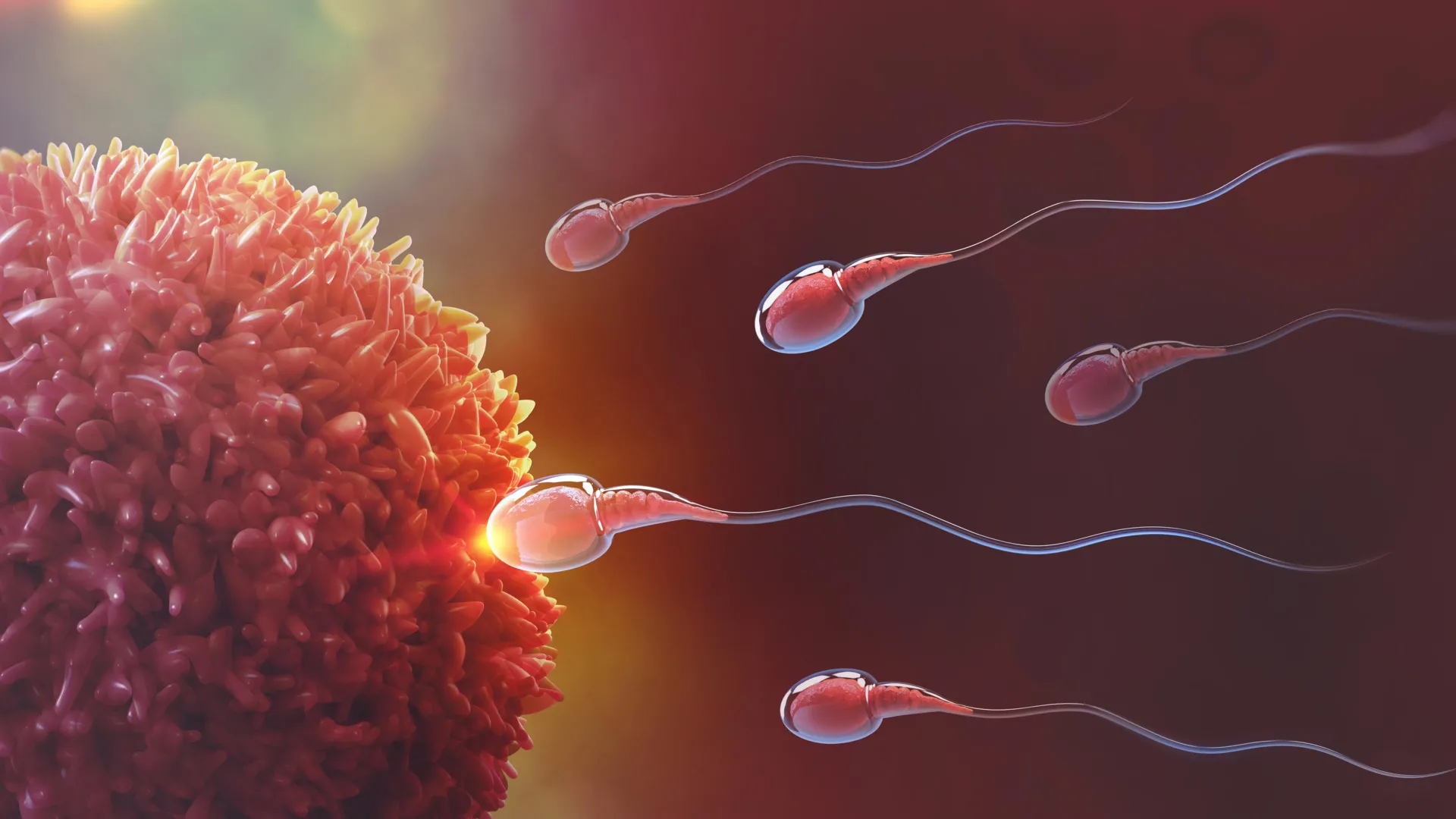
To understand why these mutations become more common, it is necessary to examine the process of spermatogenesis—the production of sperm. Unlike eggs, which are produced in a finite number before birth, sperm are generated continuously throughout a man’s life. This process is driven by spermatogonial stem cells (SSCs) in the testes, which divide regularly to produce new sperm.
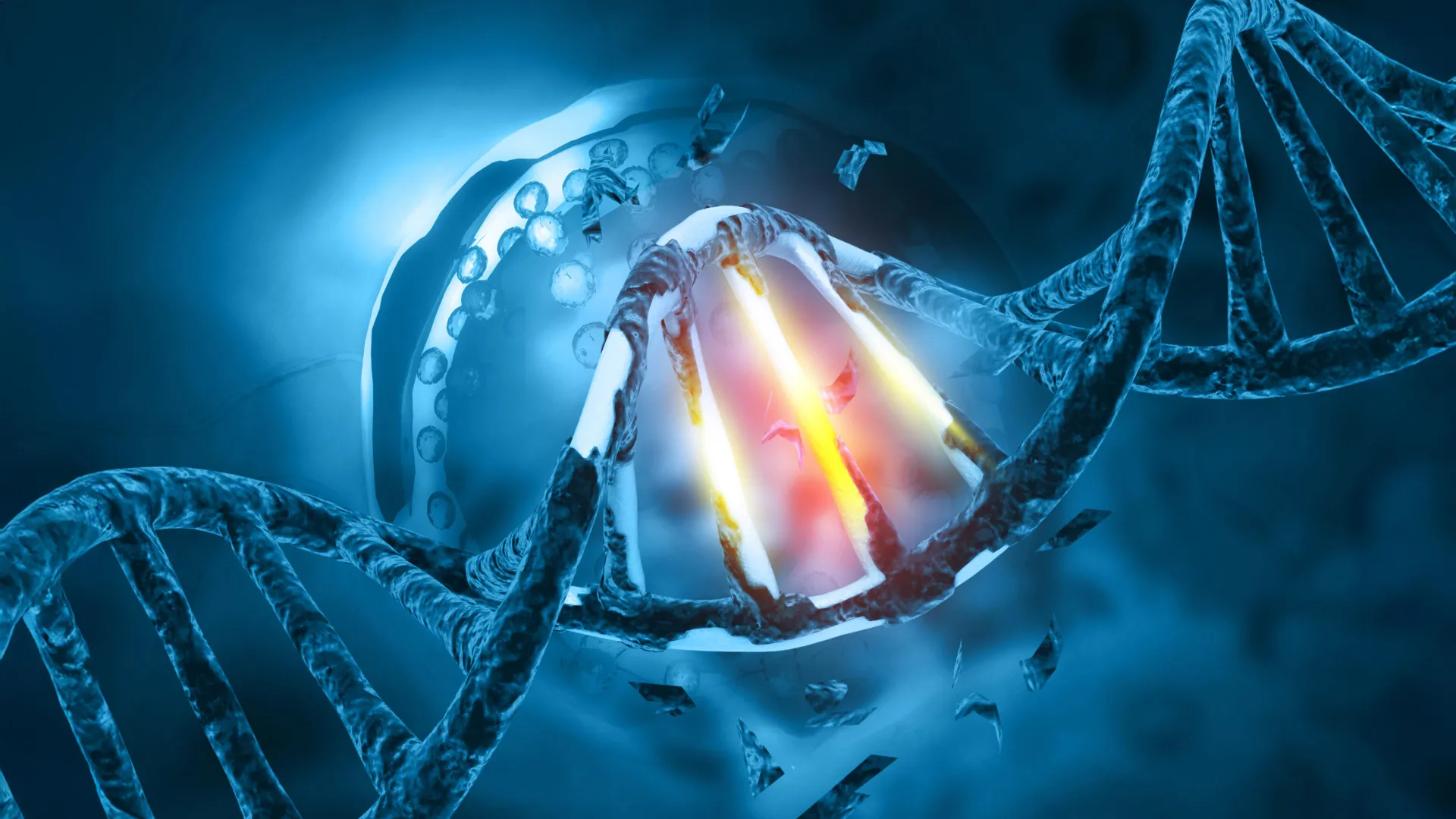
In any tissue that undergoes constant renewal, mutations can occur during the replication of DNA. In most parts of the body, these mutations are harmless or result in the death of the cell. However, some mutations provide a "fitness advantage" to the cell itself. In the context of the testes, a mutation might allow a stem cell to divide more rapidly or survive longer than its neighbors. Over time, these mutated cells form "clones"—groups of identical cells that expand and take over larger portions of the testicular tissue.
This process is often referred to as "selfish selection." While the mutation is "good" for the individual stem cell because it allows it to proliferate, it is "bad" for the potential offspring because it introduces a genetic defect. The study identified 40 specific genes that appear to benefit from this selection process. Many of these genes are part of the RAS-MAPK signaling pathway, which regulates cell growth and division. When these genes are mutated, they can cause "RASopathies," a group of conditions that include Noonan syndrome, Costello syndrome, and cardiofaciocutaneous syndrome, all of which involve developmental delays and physical abnormalities.
Breakthrough Methodology: The Role of NanoSeq and TwinsUK
The precision of this study was made possible by NanoSeq, a cutting-edge DNA sequencing technology developed at the Wellcome Sanger Institute. Traditional sequencing methods often struggle to distinguish between actual biological mutations and technical errors introduced during the sequencing process itself. NanoSeq overcomes this by using a duplex sequencing approach that reduces the error rate to less than one error per billion base pairs, making it possible to detect rare mutations that exist in only a small fraction of cells.
The research team applied this technology to sperm samples from 81 participants in the TwinsUK cohort, aged 24 to 75. TwinsUK is the United Kingdom’s largest adult twin registry, providing a rich repository of longitudinal health and genetic data. By using this diverse and well-documented population, the researchers were able to control for various factors and focus specifically on the impact of chronological age.
The data revealed a striking trend. In men in their early 30s, approximately 2 percent of sperm carried mutations that could potentially cause disease. However, in men aged 43 to 74, this figure rose to between 3 and 5 percent. Among the 70-year-old participants, the proportion of mutated sperm reached 4.5 percent. This indicates that the risk of passing on a de novo (newly occurring) mutation increases significantly as a father ages, driven not just by the passage of time, but by the active expansion of mutated cell lines.
Parallel Findings: Validating Sperm Data through Child DNA
The significance of the Wellcome Sanger Institute’s findings was further bolstered by a complementary study published simultaneously in Nature. This second study, led by researchers at Harvard Medical School in collaboration with the Sanger Institute, approached the problem from the opposite direction. Instead of looking at sperm directly, they analyzed the DNA of children to see which mutations had actually been inherited.
By examining data from over 54,000 parent-child "trios" and an additional 800,000 individuals, the Harvard team identified more than 30 genes where mutations appeared to give sperm a competitive edge. There was a significant overlap between the genes identified in the sperm study and those found in the large-scale genomic analysis of children.
One of the most startling revelations from the Harvard study was that certain mutations can increase the local mutation rate in sperm by as much as 500-fold. This explains why some rare genetic disorders appear in children even when neither parent carries the mutation in their blood or saliva. The study also noted a critical clinical implication: because these mutations are so common in the sperm of aging men, they can sometimes create "false-positive" associations in genetic studies. Researchers might assume a gene is linked to a specific disease because they see it frequently in affected children, when in reality, the gene is simply prone to high rates of selfish selection in the father’s testes.
Demographic Context and Public Health Implications
These findings arrive at a time when the average age of fatherhood is rising globally. In many developed nations, economic factors, career prioritization, and advancements in reproductive technology have led to a demographic shift where more men are fathering children in their 40s, 50s, and beyond.
Historically, reproductive health discussions have focused primarily on maternal age and the risk of chromosomal abnormalities like Down syndrome. However, this new research highlights a distinct "paternal age effect." While maternal age is associated with errors in chromosome number (aneuploidy), paternal age is more closely linked to single-gene mutations (point mutations).
The implications for prenatal screening and genetic counseling are profound. Current screening methods are highly effective at detecting chromosomal issues but are less focused on the wide array of single-gene disorders that can arise from aging sperm. As the scientific community gains a better understanding of which genes are most susceptible to selfish selection, it may become possible to develop more targeted screening tools for older fathers.
However, the researchers caution that a mutated sperm does not automatically result in a child with a disorder. The biological system has several checkpoints. Some mutations may impair the sperm’s ability to swim or fertilize an egg, while others might lead to embryos that do not implant or result in early-term miscarriages. The 3-5 percent figure represents the presence of mutations in the sperm population, but the actual rate of transmission to live births requires further investigation.
Official Responses and Expert Analysis
The leadership of the Wellcome Sanger Institute emphasized the transformative nature of this research for the field of genomics. Dr. Matthew Neville, the lead author of the study, expressed surprise at the sheer scale of the selection process. "We expected to find some evidence of selection shaping mutations in sperm," Dr. Neville stated. "What surprised us was just how much it drives up the number of sperm carrying mutations linked to serious diseases. It’s not just a passive accumulation of errors; it’s an active biological process."
Professor Matt Hurles, Director of the Wellcome Sanger Institute and a co-author of the study, pointed to the "hidden" nature of this risk. "Our findings reveal a hidden genetic risk that increases with paternal age," Hurles said. "Some changes in DNA not only survive but thrive within the testes, meaning that fathers who conceive later in life may unknowingly have a higher risk of passing on a harmful mutation to their children."
From the perspective of the TwinsUK study, Professor Kerrin Small highlighted the importance of long-term population data. "By working with the TwinsUK cohort, we could include valuable longitudinal samples linked to rich health and genetic information," Small noted. She emphasized that such collaborations are essential for understanding how human inheritance evolves over a lifetime.
Dr. Raheleh Rahbari, the senior author and Group Leader at the Wellcome Sanger Institute, challenged the traditional view of the germline. "There’s a common assumption that because the germline has a low mutation rate, it is well protected," Rahbari explained. "But in reality, the male germline is a dynamic environment where natural selection can favor harmful mutations, sometimes with consequences for the next generation."
Future Directions in Reproductive Research
The discovery of these 40 "selfish" genes opens up a new frontier in evolutionary biology and clinical genetics. Future research will likely focus on identifying the environmental and lifestyle factors that might accelerate or mitigate this selection process. For instance, do diet, smoking, or exposure to environmental toxins influence the rate at which mutated clones expand in the testes?
Furthermore, the study provides a roadmap for refining reproductive risk assessments. By understanding the specific genomic signatures of selfish selection, scientists may be able to provide more accurate counseling to older parents. There is also the potential for developing new diagnostic techniques that can sample sperm populations more effectively to assess individual risk.
As the global population continues to age and reproductive patterns evolve, the intersection of genetics and paternal age will remain a critical area of study. This research serves as a reminder that the process of evolution and natural selection does not just happen over millions of years across species; it happens within the microscopic environment of the human body, every single day, with every division of a stem cell. The "survival of the fittest" at the cellular level in the testes may be a driving force behind some of the most challenging genetic conditions faced by the next generation.