The landscape of oncology is currently undergoing a paradigm shift as pharmaceutical giants Merck & Co. and Moderna advance their investigational individualized neoantigen therapy (INT), known as intismeran autogene. This novel therapeutic approach represents a sophisticated intersection of genomics, messenger RNA (mRNA) technology, and immunotherapy, aiming to redefine how the human body recognizes and eliminates malignant cells. By leveraging a patient’s unique genetic signature, the companies are moving beyond "one-size-fits-all" treatments toward a precision medicine model that could fundamentally alter the prognosis for high-risk cancer patients.
The Mechanism of Precision Immunology
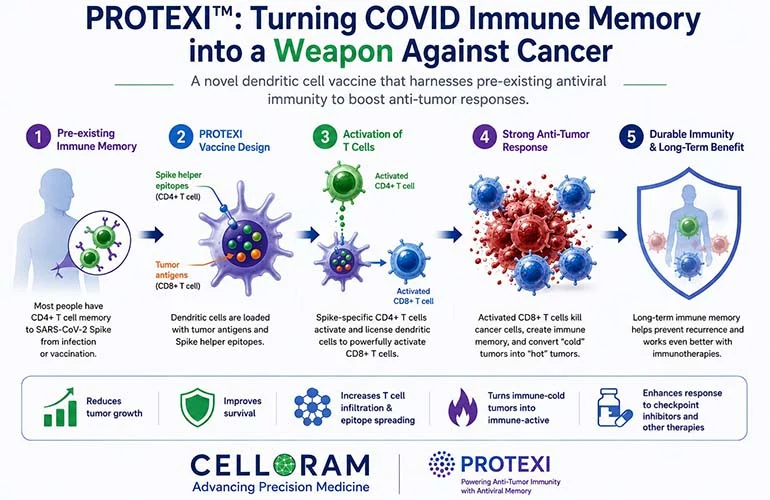
At the core of the intismeran autogene program is a highly personalized manufacturing process. Unlike conventional vaccines that target a specific pathogen across a population, this mRNA-based vaccine is synthesized specifically for an individual’s tumor profile. The process begins with the sequencing of a patient’s tumor, identifying unique mutations—or neoantigens—that distinguish the cancerous cells from healthy tissue.
"By giving the cancer vaccine, you’re training the immune cells to respond to the mutations that are unique to a patient’s tumor," explains Jane Healy, vice president and head of Oncology Early Clinical Development at Merck & Co. "And by giving Keytruda at the same time, you are reactivating the immune system to make sure that those immune cells are recognizing the cancer, which is why we think that biologically it does make sense to give these two together."
The vaccine typically incorporates the 34 most immunogenic mutations identified during the sequencing phase. These are assembled into an mRNA construct, encapsulated within lipid nanoparticles, and delivered to the patient. This acts as an instruction set for the immune system, effectively providing a "wanted poster" that allows T-cells to identify and destroy cancer cells that might otherwise remain hidden.
A Chronology of Collaboration
The alliance between Merck and Moderna, formalized in 2016, was built on the foundation of Merck’s experience with Keytruda (pembrolizumab). Keytruda, a monoclonal antibody that targets the PD-1 receptor on T-cells, has already established itself as a cornerstone of modern cancer therapy. By blocking the PD-1 pathway, Keytruda prevents cancer cells from "cloaking" themselves from the immune system.
The trajectory of this collaboration can be traced through key milestones:
- 2014: Keytruda receives its first FDA approval, signaling a new era in immuno-oncology.
- 2016: Merck and Moderna enter a strategic partnership to develop mRNA-based personalized cancer vaccines.
- 2023: The FDA grants "Breakthrough Therapy" designation to the combination of the vaccine and Keytruda for the treatment of high-risk melanoma.
- 2024-2025: Release of Phase 3 INTERPATH-001 trial data, demonstrating significant improvements in recurrence-free survival (RFS) and distant metastasis-free survival (DMFS).
Clinical Efficacy and Data Analysis
The clinical evidence supporting the combination therapy has been robust. In the pivotal Phase 2b trial (KEYNOTE-942), patients with high-risk resected melanoma who received the vaccine in combination with Keytruda showed a 44% reduction in the risk of recurrence or death compared to those receiving Keytruda monotherapy alone.
This efficacy was further validated by the Phase 3 INTERPATH-001 study, which expanded the participant pool to approximately 1,100 subjects. The primary endpoints—recurrence-free survival and distant metastasis-free survival—were met with statistical significance. These metrics are critical, as they provide a clear indicator that the intervention is not merely delaying the progression of disease, but actively preventing the systemic spread of cancer cells after initial tumor resection.
The strategic choice to target melanoma initially was rooted in the disease’s high mutational burden. Melanomas often exhibit a large number of genomic alterations, providing a fertile ground for identifying neoantigens that the immune system can be trained to recognize. By treating patients who have undergone surgical resection but remain at high risk of recurrence, the researchers are operating within an "adjuvant" setting, where the patient’s immune system has the time to mount an effective response before any potential micro-metastases can gain a foothold.
Operational Challenges and Logistical Hurdles
Despite the promising clinical data, the commercial and logistical hurdles for intismeran autogene are substantial. Unlike mass-produced vaccines, which can be stockpiled and distributed globally, this personalized therapy requires a bespoke supply chain for every patient.
The manufacturing cycle is estimated to take approximately six weeks. This includes the time required to sequence the tumor, synthesize the specific mRNA construct, verify the quality of the dose, and transport the personalized vaccine to the clinical site. For patients, this creates a period of intense monitoring where they may receive Keytruda alone while awaiting the customized vaccine.
Furthermore, the "hands-on" nature of this therapy limits its immediate scalability. Healthcare systems will need to invest in the bioinformatics and rapid-response manufacturing infrastructure necessary to support such treatments. This transition marks a shift from the traditional "product-based" pharmaceutical model to a "service-based" model, where the drug is essentially a digital-biological hybrid.
Implications for the Pharmaceutical Sector
The timing of this innovation is significant for both Merck and Moderna. Merck’s Keytruda, while currently one of the most successful pharmaceutical products in history, faces a "patent cliff" in the late 2020s. The development of an mRNA-based companion therapy provides a pathway to extend the clinical utility and commercial relevance of the Keytruda platform.
For Moderna, the success of the cancer vaccine is a crucial step in diversifying its pipeline beyond respiratory vaccines. Following the rapid rise and subsequent cooling of the COVID-19 vaccine market, Moderna’s pivot toward oncology represents a strategic focus on high-value, long-term therapeutic assets.
Beyond Melanoma: The Future Roadmap
While melanoma has been the proving ground for this technology, the broader potential of the platform is immense. Merck and Moderna are currently investigating the combination regimen for lung, renal cell, and bladder cancers.
However, the efficacy of this approach may vary across different cancer types. As Jane Healy noted, patients with different cancer types present with distinct physiological challenges. "Bladder cancer patients tend to be a little older, a little sicker; they’ve received more pretreatment," she noted. "The question is whether the baseline patients enrolling in the study, who may not have as robust an immune system because of their background, will respond as well."
The next phase of research is focused on refining the "algorithm" of the vaccine. By identifying the specific mutations most predictive of a robust immune response, the companies aim to optimize the design of future constructs. This iterative process of using real-world clinical data to refine genomic selection marks the next evolution of personalized medicine.
Conclusion
The development of intismeran autogene stands as a testament to the maturation of mRNA technology and the increasing sophistication of genomic medicine. While significant challenges remain regarding the cost, logistics, and scalability of such personalized treatments, the clinical results achieved to date provide a compelling proof-of-concept. As the medical community looks toward the next decade, the integration of personalized immunotherapies like those pioneered by Merck and Moderna may well represent the standard of care for high-risk oncology patients, offering a level of precision that was once thought to be science fiction. The move from treating the "cancer" to treating the "individual’s cancer" is not only a scientific achievement but a potential paradigm shift in the history of medicine.