The Dawn of Smart Antibodies: A Paradigm Shift
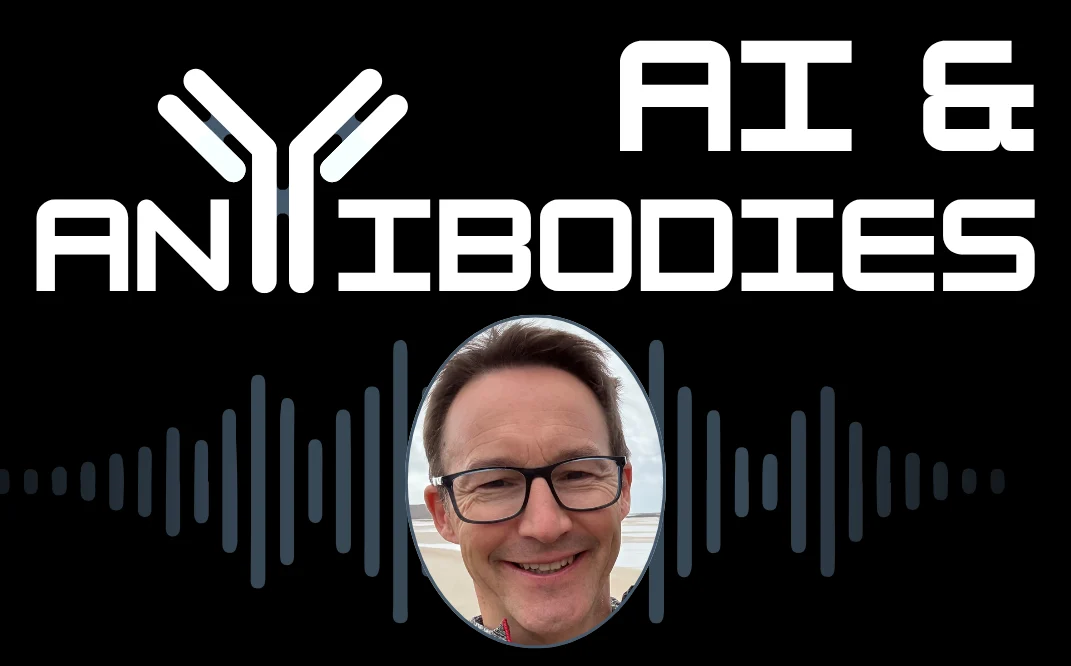
Buchanan’s work emphasizes that the age of Generative AI (GenAI) demands a fundamentally new approach to antibody design. No longer are scientists limited to iterative experimental optimization; instead, AI offers the ability to proactively design antibodies with precise, desired functionalities. Smart antibodies represent a significant leap beyond their predecessors, characterized by their enhanced complexity, multi-functionality, and often, conditional activity. While conventional monoclonal antibodies (mAbs) typically target a single antigen with high specificity, smart antibodies can be engineered to perform multiple tasks: binding to several targets simultaneously (bispecific or multispecific antibodies), activating or inhibiting cellular pathways only under specific disease conditions, delivering payloads directly to target cells (antibody-drug conjugates, ADCs), or exhibiting superior pharmacokinetic properties and reduced immunogenicity. The integration of AI and ML is pivotal in navigating the immense combinatorial space of possible antibody designs, enabling the rapid identification and optimization of candidates that meet these advanced criteria.
Buchanan’s framework for designing these advanced therapeutics is rooted in a holistic integration of biological understanding, cutting-edge technology, and invaluable scientific experience. He argues that while AI provides powerful tools for prediction and generation, it is the deep biological insight into disease mechanisms and antibody-antigen interactions, combined with the technological prowess to implement and validate AI-driven designs, and the experiential knowledge gained from years of drug development, that truly unlocks the potential of GenAI. This symbiotic relationship ensures that AI’s capabilities are directed towards biologically meaningful outcomes, preventing the generation of theoretically optimal but practically unfeasible designs.
From Monoclonals to Intelligent Therapeutics: An Evolutionary Journey
The journey of antibody therapeutics has been one of continuous innovation, each stage building upon the last. The initial discovery of polyclonal antibodies, derived from immunized animals, marked the earliest therapeutic use. However, their heterogeneity and potential for immunogenicity limited their widespread application.
- Milestones in Antibody Development:
- 1975: Monoclonal Antibodies (mAbs) Revolution: The groundbreaking work of César Milstein and Georges Köhler, who developed the hybridoma technology, enabled the production of highly specific, homogeneous antibodies. This innovation earned them the Nobel Prize in Physiology or Medicine in 1984 and laid the foundation for modern antibody therapeutics. Early murine (mouse) mAbs faced challenges with human immune responses.
- 1980s-1990s: Humanization and Chimerization: To mitigate immunogenicity, antibodies were engineered to replace murine sequences with human ones. Chimeric antibodies combined murine variable regions with human constant regions, while humanized antibodies further minimized murine content. Rituximab, approved in 1997 for non-Hodgkin’s lymphoma, was one of the first chimeric mAbs, demonstrating the clinical potential of engineered antibodies.
- 2000s: Fully Human Antibodies and Market Expansion: Phage display and transgenic mouse technologies enabled the generation of fully human antibodies, significantly reducing immunogenicity. Drugs like Adalimumab (Humira), approved in 2002, became blockbuster therapeutics for autoimmune diseases. The global monoclonal antibody market has since expanded dramatically, projected to exceed $300 billion by the mid-2020s, underscoring their critical role in treating a vast array of conditions, including cancer, autoimmune disorders, and infectious diseases.
- 2010s-Present: Advanced Antibody Formats: The field continued to evolve with the development of bispecific antibodies (targeting two different antigens), antibody-drug conjugates (ADCs) that deliver cytotoxic drugs directly to cancer cells, and engineered antibodies with optimized effector functions or extended half-lives. These innovations pushed the boundaries of what antibodies could achieve, paving the way for even more complex "smart antibodies."
The Ascent of AI in Biopharma: A Timeline
The integration of AI and ML into drug discovery is not a sudden phenomenon but a culmination of decades of computational advancements.
- 1980s-1990s: Early Computational Chemistry: Initial efforts focused on structure-based drug design, using computational methods like molecular docking and quantitative structure-activity relationships (QSAR) to predict ligand binding and optimize small molecules. While foundational, these methods were often limited by computational power and the complexity of biological systems.
- 2000s: Rise of Machine Learning: With increasing data availability (genomic, proteomic, clinical) and computational power, traditional machine learning algorithms began to be applied to predict drug properties, identify potential drug targets, and analyze high-throughput screening data. Support Vector Machines (SVMs) and Random Forests gained prominence.
- 2010s: Deep Learning Revolution: The advent of deep learning, particularly neural networks, marked a turning point. Its ability to learn complex patterns from vast, unstructured datasets transformed fields like image recognition and natural language processing, and soon found applications in biology. Deep learning models became adept at predicting protein structures, identifying novel drug candidates, and accelerating lead optimization.
- Late 2010s-Present: Generative AI and Foundation Models: The development of generative adversarial networks (GANs) and transformer models, initially popularized in natural language processing (e.g., GPT series), has ushered in the era of Generative AI. These models can create novel biological sequences (proteins, antibodies, small molecules) from scratch, rather than just predicting properties of existing ones. DeepMind’s AlphaFold, released in 2020, revolutionized protein structure prediction, demonstrating the immense power of AI in understanding fundamental biological processes. This capability is directly applicable to antibody design, where GenAI can generate novel antibody sequences with desired binding affinities, specificities, and biophysical properties.
The Generative AI Revolution in Antibody Design
Generative AI offers unparalleled opportunities in the quest for smart antibodies. Unlike traditional methods that rely on screening vast libraries or directed evolution, GenAI can directly design novel antibody sequences.
- De Novo Antibody Design: GenAI models, trained on extensive datasets of known antibody sequences, structures, and binding data, can propose entirely new antibody sequences that are predicted to bind to specific targets with high affinity and specificity. This significantly reduces the reliance on laborious experimental screening.
- Optimizing Antibody Properties: Beyond initial design, AI can predict and optimize critical antibody characteristics such as solubility, stability, aggregation propensity, and developability (ease of manufacturing). This minimizes the risk of late-stage failures due to poor biophysical properties.
- Predicting Immunogenicity: A major challenge in antibody development is the potential for the human immune system to recognize therapeutic antibodies as foreign, leading to adverse reactions. AI algorithms can predict potential immunogenic epitopes within an antibody sequence, allowing for proactive engineering to reduce this risk.
- Multi-Specific and Conditional Antibody Design: GenAI is particularly adept at handling the complexity required for smart antibodies. It can design antibodies that bind to multiple targets simultaneously or activate/deactivate under specific conditions (e.g., pH, enzyme activity, presence of a specific biomarker), which are critical for precision therapies in oncology or autoimmune diseases.
Data-Driven Insights and Accelerated Discovery
The promise of AI in drug discovery is to accelerate the notoriously slow and expensive R&D process. The average cost to bring a new drug to market is estimated to be over $2 billion, with a timeline often exceeding 10-15 years. AI has the potential to:
- Reduce Timelines: By rapidly sifting through vast chemical and biological spaces, AI can shorten the lead discovery and optimization phases, potentially shaving years off the development cycle. Some estimates suggest AI could reduce drug development time by 30-50%.
- Improve Success Rates: The current success rate for novel drug candidates progressing from preclinical studies to market approval is notoriously low, around 10%. By providing more accurate predictions of efficacy and safety earlier in the process, AI can help prioritize more promising candidates, thereby improving overall success rates.
- Address "Undruggable" Targets: Many critical disease targets have proven intractable to traditional drug discovery methods. AI, with its ability to explore novel molecular designs, offers new avenues to design antibodies against these challenging targets.
Market Dynamics and Investment Trends
The biopharmaceutical industry has recognized the transformative potential of AI. Billions of dollars have been invested in AI-driven drug discovery startups and partnerships between established pharma giants and AI technology companies. Major pharmaceutical companies like AstraZeneca, Pfizer, and Novartis are actively integrating AI platforms into their R&D pipelines. Simultaneously, a new ecosystem of AI-first biotech companies (e.g., Exscientia, Recursion Pharmaceuticals, Insilico Medicine) has emerged, specifically leveraging AI to discover and develop novel therapeutics, including antibodies. This surge in investment reflects a widespread belief that AI is not merely an incremental improvement but a fundamental shift in how drugs, particularly complex biologics like antibodies, will be discovered and developed in the future.
Navigating the Future: Challenges and Opportunities
While the prospects of AI in smart antibody design are immense, challenges remain.
- The Imperative of Integration and Expertise: As Buchanan highlighted, the success of GenAI in antibody development hinges on the seamless integration of biological understanding, technological proficiency, and experiential wisdom. AI models, however sophisticated, are still tools. Their output must be rigorously validated through in vitro and in vivo experiments. The "black box" nature of some deep learning models can also make it difficult to understand why a particular design is predicted to be optimal, necessitating careful interpretation by expert scientists.
- Data Quality and Availability: AI models are only as good as the data they are trained on. High-quality, diverse, and well-annotated biological data is crucial, but often scarce or siloed. Developing robust data infrastructure and standards is paramount.
- Regulatory Frameworks: As AI begins to design novel therapeutics, regulatory bodies worldwide will need to adapt. New guidelines for validating AI-generated candidates, ensuring their safety and efficacy, and addressing potential biases in AI models will be necessary.
- Ethical Considerations: The power of AI to engineer biological systems raises ethical questions regarding responsible innovation, potential misuse, and equitable access to these advanced therapies.
Broader Implications for Healthcare and Society
The advent of AI-designed smart antibodies carries profound implications beyond the laboratory:
- Personalized Medicine: Smart antibodies, tailored to an individual’s genetic profile or specific disease markers, can usher in a new era of highly personalized medicine, optimizing treatment efficacy and minimizing side effects.
- Rapid Response to Emerging Threats: The accelerated design capabilities of GenAI could enable faster development of antibody therapeutics against emerging infectious diseases or rapidly evolving pathogens, enhancing global health security.
- Economic Impact: A more efficient drug discovery process could lead to reduced healthcare costs in the long run, making life-saving therapies more accessible. It will also foster significant economic growth through innovation in the biotechnology sector.
- Workforce Transformation: The demand for interdisciplinary talent—scientists proficient in both biology and computational methods, AI engineers with biological domain knowledge—will continue to grow, reshaping the biomedical workforce.
In conclusion, Andrew Buchanan’s insights underscore that the age of Generative AI is not just enhancing antibody development; it is redefining it. The ability to design "smart antibodies" by integrating biology, technology, and experience, as championed by Buchanan, marks a pivotal moment in precision medicine. As the field continues to evolve, this holistic approach will be critical in harnessing AI’s full potential to deliver transformative therapies that address some of humanity’s most pressing health challenges.