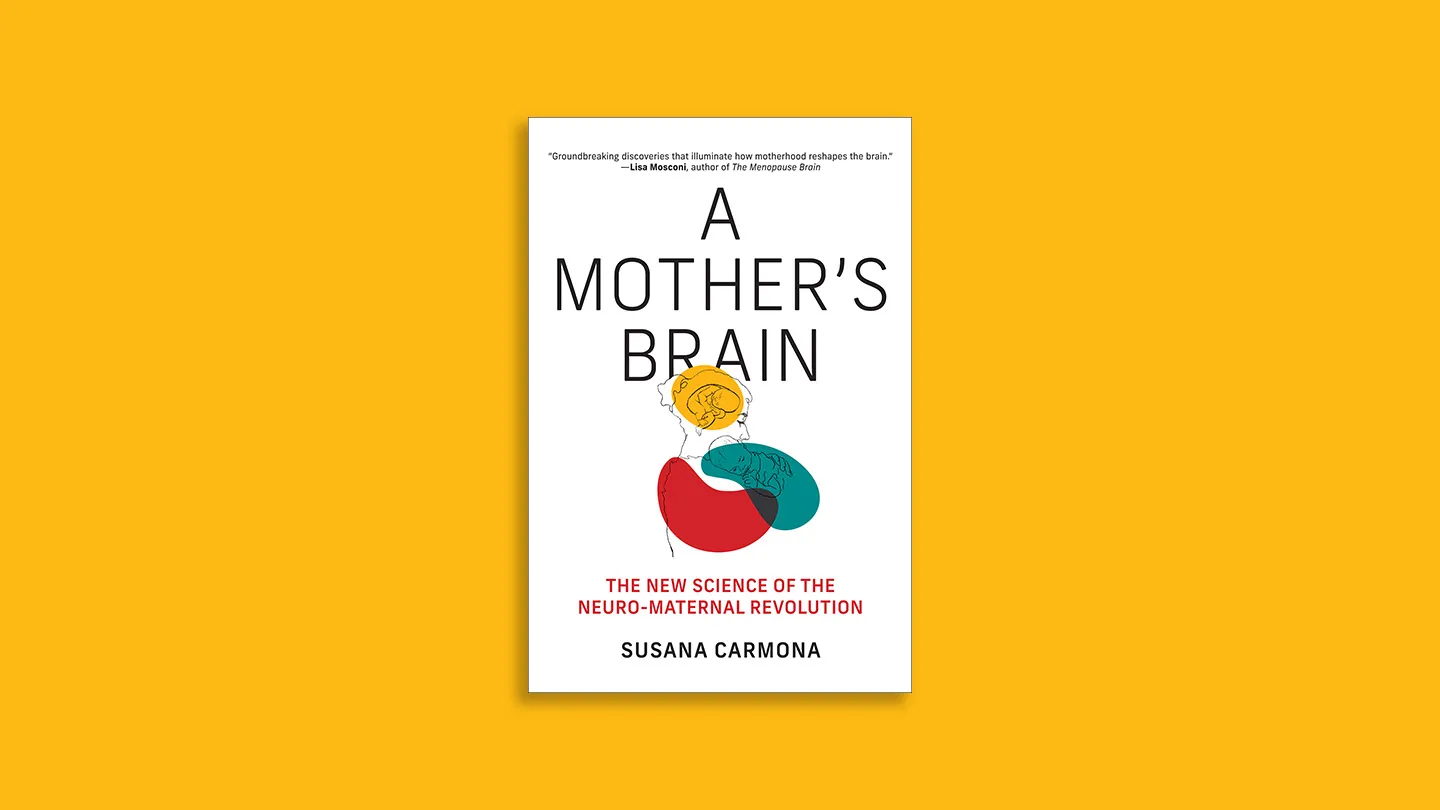
For decades, the scientific community has focused predominantly on the fetal and infant stages of development, frequently treating the mother as a biological vessel rather than a subject of neurological study in her own right. This paradigm is currently undergoing a significant shift thanks to the work of neuroscientist Susana Carmona, whose latest publication, A Mother’s Brain, published by MIT Press, provides a comprehensive examination of "matrescence"—the profound, systemic transformation a woman undergoes as she transitions into motherhood. By centering the mother’s cognitive and physiological evolution, Carmona challenges long-standing myths surrounding "mommy brain" and demands a more rigorous academic focus on the female experience during the reproductive cycle.
The Science of Matrescence: A Biological Milestone
The term "matrescence," while not entirely new, has gained traction in neuroscientific circles as a parallel to "adolescence." Much like the teenage years, which are characterized by significant synaptic pruning and neural reorganization, pregnancy and the postpartum period involve structural brain changes that are both permanent and adaptive.
Carmona’s research underscores that the human brain during pregnancy is subject to a massive hormonal deluge. Data indicates that the exposure to estrogen during a single 40-week pregnancy exceeds the cumulative amount a woman would experience over the course of her entire 35-year fertile lifespan. This hormonal shift is not merely a side effect; it is a catalyst for neuroplasticity. Current studies suggest that these changes facilitate a "sculpting" of neural circuits, particularly in areas related to social cognition, empathy, and threat detection. Rather than signaling a cognitive deficit, this biological refinement is hypothesized to enhance maternal resilience and sharpen the instincts necessary for infant survival.
Addressing the Myth of Mommy Brain
A significant portion of the discourse surrounding pregnancy is dominated by the colloquialism "mommy brain" or "momnesia"—a stereotype suggesting that motherhood results in a decline in intelligence or mental acuity. Carmona’s analysis provides a necessary corrective to this narrative, pointing to a discrepancy between subjective reporting and objective data.
While many women self-report memory lapses or reduced focus during the postpartum period, clinical laboratory assessments consistently fail to mirror these findings with neurological markers of cognitive decline. The origins of "mommy brain" appear to be multifactorial, stemming from sleep deprivation, a fundamental shift in attentional priorities, and the psychological weight of societal expectations.
The danger of this stereotype, according to the research, is that it functions as a self-fulfilling prophecy. When women internalize the notion that they are losing intellectual capacity, they may experience reduced confidence, leading to the abandonment of professional or creative projects. The psychological impact of this stigma is significant, as it can discourage women from pursuing high-stakes roles, fearing that their biology has somehow rendered them less capable. Carmona’s work highlights that the way society—and mothers themselves—discusses these changes is as important as the neurological changes themselves.
Historical Context and the Evolution of Research
The lack of robust, large-scale studies on the maternal brain is a relatively recent realization in the medical community. Historically, the "scientific gaze" has been fixed almost exclusively on the fetus. The timeline of research in this field is sparse:
- 1990s and Early 2000s: Early studies focused primarily on hormonal fluctuations and the onset of postpartum depression, with little to no focus on structural brain remodeling.
- 2016: A landmark study published in Nature Neuroscience provided the first longitudinal evidence of gray matter volume reduction in specific brain regions of new mothers. This research was pivotal in demonstrating that the brain changes in a targeted, rather than haphazard, manner.
- 2020–Present: The field has expanded to investigate the long-term cognitive implications of motherhood, including potential protective effects against cognitive decline in later life.
Despite these advancements, the body of literature remains remarkably thin. Carmona serves as an authoritative guide through this limited but expanding field, noting that current research must move beyond animal models—which have historically dominated the field—to better understand the complexities of the human experience.
Societal and Economic Implications
The implications of defining matrescence as a period of cognitive development rather than decline are far-reaching. If society acknowledges that the female brain undergoes a transformation that enhances specific types of intelligence, it could fundamentally shift workplace policies and social support systems.
Currently, the disconnect between the biological reality of the maternal brain and the cultural expectation of a "seamless" return to pre-pregnancy functioning places immense strain on women. If corporations and healthcare institutions were to adopt a framework that recognizes the cognitive intensity of the transition to parenthood, there could be a greater impetus for supportive policies, such as extended flexible working arrangements and more nuanced postpartum mental health screenings.
Furthermore, by reframing the maternal brain as a site of increased social intelligence, we begin to value the skills developed during motherhood—such as enhanced emotional regulation and complex multitasking—as assets rather than liabilities. This transition in perspective is essential for parity in the workforce and for the mental health of mothers worldwide.
The Future of Maternal Neuroscience
As an expert in the field, Carmona’s work is not just an academic summary but a call to action. By synthesizing data on hormones, evolutionary biology, and social constructs, she argues that the mother is the "essence of the human species." This is not a sentimental claim, but a biological one; the mother is the primary vector through which human social bonds are established and maintained.
The scientific community is now beginning to respond to this need for more research. Future investigations are expected to explore:
- Longitudinal Mapping: Mapping the long-term changes in brain architecture beyond the first year of motherhood.
- Hormonal Impacts: Decoupling the effects of hormonal surges from the environmental stressors of early parenthood.
- Neuro-protective Benefits: Investigating whether the brain remodeling that occurs during pregnancy confers long-term protection against neurodegenerative diseases in aging women.
A New Narrative for Motherhood
The publication of A Mother’s Brain arrives at a time when the societal conversation regarding reproductive health is becoming increasingly sophisticated. By pulling back the curtain on the "wild changes" of motherhood, Carmona provides a framework for understanding that the brain does not stop growing or adapting at adulthood. Instead, it enters a new phase of intense development.
The book serves as a reminder that science is not merely a collection of data points, but a narrative that shapes human experience. When that narrative is rewritten to include the mother as a central, active subject, the possibilities for both clinical treatment and social policy are transformed. As the research continues to evolve, the goal remains clear: to replace the outdated, stigmatizing myths of the past with a scientifically grounded understanding of the maternal brain as a complex, resilient, and profoundly capable organ.
Through her blend of rigorous research and empathetic storytelling, Carmona advocates for a future where the "matrescence" transition is treated with the same scientific seriousness and societal support as any other major neurological developmental milestone. The invisibility of the mother in neuroscience is finally ending, and in its place, a new, more accurate portrait of human development is beginning to emerge.