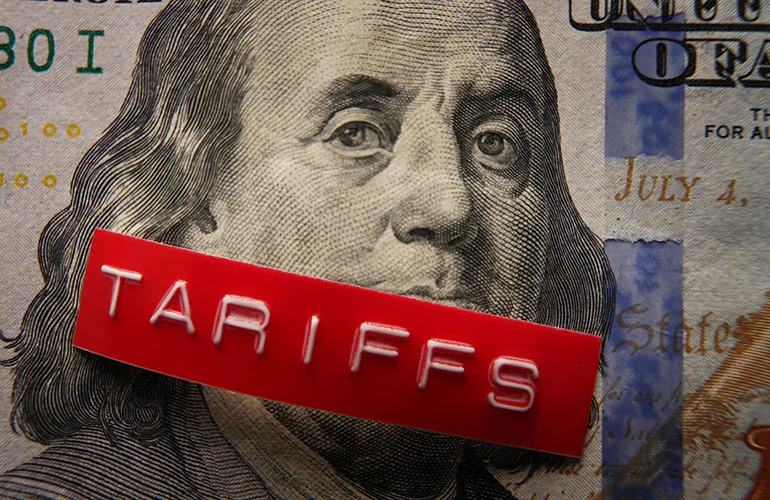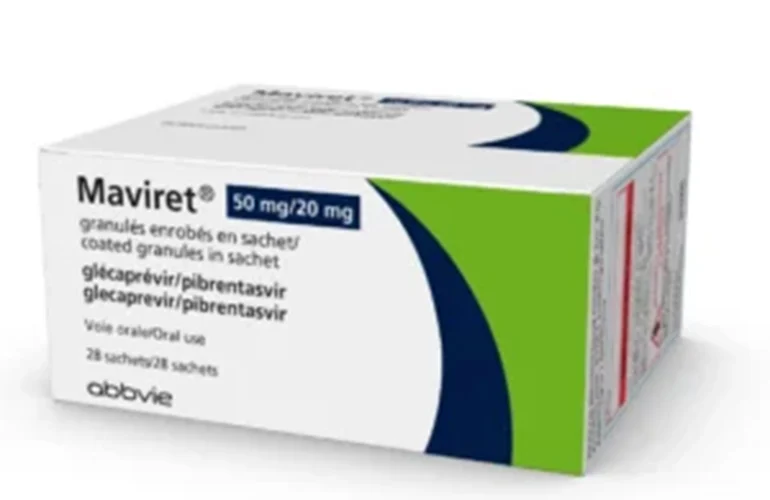
The landscape of the American pharmaceutical industry underwent a significant structural shift on September 29, 2026, as the federal government expanded its Section 232 tariff regime to encompass mid-sized and smaller drug manufacturers. This expansion follows an initial phase implemented on July 31, which targeted 17 of the nation’s largest pharmaceutical entities. Invoking the Trade Expansion Act of 1962, the administration has framed these measures as a national-security imperative aimed at decoupling the U.S. pharmaceutical supply chain from foreign dependence. However, the move has triggered widespread apprehension across the biotech sector, with industry leaders warning that the financial burden could stifle innovation and redirect critical capital away from research and development (R&D).
A Chronology of Escalation: From Proclamation to Enforcement
The foundation for these sweeping trade actions was laid in April 2026, when President Donald Trump signed a national-security proclamation targeting imported patented medicines and their active pharmaceutical ingredients (APIs). The administration’s strategy is rooted in the philosophy that reliance on foreign manufacturing for life-saving medications constitutes a vulnerability that the U.S. can no longer afford.
The timeline of implementation has been rapid, leaving many companies little time to adjust their supply chains:
- April 2026: President Trump signs the national-security proclamation, initiating the process for Section 232 tariff adjustments on pharmaceuticals.
- July 31, 2026: The first wave of tariffs takes effect, specifically targeting 17 major pharmaceutical manufacturers.
- September 23, 2026: The Department of Commerce releases formal guidance, clarifying procedures for tariff adjustments and carving out specific exemptions for R&D and clinical trial imports.
- September 29, 2026: The tariff regime expands to include the broader market of mid-sized and smaller drugmakers, effectively bringing the majority of the patented medicine industry under the new trade framework.
- July 2028 (Anticipated): Implementation of a phased tariff plan for generic medications, which are currently excluded from the immediate Section 232 duties.
The Financial Mechanics of the Tariff Regime
The cost structure imposed by the government is tiered, creating a complex compliance landscape for companies. Duties can reach as high as 100% for entities that fail to meet specific government criteria. However, the administration has provided pathways to mitigate these costs, primarily through "onshoring" commitments and "most-favored-nation" (MFN) pricing agreements.
Companies that present credible plans to shift manufacturing to the United States may qualify for a reduced rate of 20%, though this concession is temporary, with the rate scheduled to escalate to 100% by April 2, 2030. For firms that combine an onshoring initiative with an agreement to adopt MFN drug-pricing, the tariff rate can be reduced to zero, at least until January 20, 2029.
Geopolitical considerations also play a role in these calculations. Recognizing the integrated nature of global supply chains, the administration has negotiated specific arrangements with key trade partners. Products originating from the European Union, Japan, South Korea, Switzerland, and Liechtenstein are currently subject to a 15% tariff. Meanwhile, the United Kingdom has secured a favorable arrangement, with its pharmaceutical exports to the U.S. facing zero duties through January 19, 2029, provided they adhere to specific pricing stipulations.
Industry Resistance and the Innovation Dilemma
The Biotechnology Innovation Organization (BIO) has emerged as the primary voice of opposition to these policies. John F. Crowley, president and CEO of BIO, has been vocal in his concerns, arguing that the tariffs function as a de facto tax on innovation. According to industry analysts, small and mid-sized biotechs operate on thin margins, often relying on venture capital and milestone payments to fund multi-year clinical trials.
The economic reality of drug development is that a new facility can cost upwards of $2 billion and require a lead time of five to ten years for construction and regulatory validation. For smaller firms that lack the infrastructure to build their own plants, reliance on contract manufacturers is standard. When those contract manufacturers are located abroad, the tariffs directly impede the company’s ability to bring products to market.
"Tariffs divert scarce resources away from research and development," Crowley stated in an April address to the industry. The concern is that if capital is diverted to cover tariff costs or to fund the logistical nightmare of moving manufacturing operations, the timeline for developing next-generation therapies will inevitably extend, potentially leaving patients waiting longer for treatments that could have otherwise been fast-tracked.
Regulatory Exemptions and Strategic Adjustments
Recognizing the potential for these tariffs to cripple medical research, the Department of Commerce included a critical exemption in its September 23 guidance. Products and ingredients imported exclusively for clinical trials, R&D purposes, or noncommercial use are granted a 0% tariff rate. This serves as a vital lifeline for academic institutions and smaller startups that would otherwise be unable to source high-quality reagents and compounds from global suppliers.
Furthermore, specialty medicines—including the burgeoning fields of cell and gene therapy—may also qualify for exemptions if they originate from jurisdictions with existing trade and security framework agreements, or if they address an urgent public health necessity in the United States.
Broader Economic and Political Implications
The public opinion environment remains a significant factor in the administration’s strategy. A KFF poll conducted between February 24 and March 2, 2026, revealed that 82% of U.S. adults view the current cost of prescription drugs as unreasonable. By framing the tariffs as a tool to both secure the supply chain and potentially lower long-term costs through domestic manufacturing and MFN agreements, the administration is tapping into a deep vein of public frustration regarding healthcare affordability.
However, analysts at firms like KPMG warn that the short-term impact will be one of intense operational pressure. Chris Young, a principal in trade and customs, noted that companies are now forced to balance immediate compliance costs with the long-term strategic decision of whether to invest in domestic manufacturing. "What a company pays will depend on its onshoring and pricing commitments, product mix and sourcing," Young explained. "Near-term cost and compliance work has to sit alongside longer-term manufacturing and supply chain decisions."
The Future of Generics and Biosimilars
While the current Section 232 framework focuses on patented medicines, the shadow of future regulation looms over the generic drug sector. The April proclamation mandates that the Department of Commerce assess the feasibility of extending these tariffs to generics within one year. President Trump has already signaled a more aggressive approach for this segment, announcing a phased plan that would see zero duties through July 2028, followed by a 100% tariff, and ultimately a 200% tariff by 2029.
This would represent a seismic shift for the U.S. healthcare system, as generics account for the vast majority of prescriptions filled in the country. Critics argue that such a move could lead to severe drug shortages and price spikes, as the U.S. currently relies heavily on India and China for the majority of its generic drug supply.
As the industry grapples with these new realities, the focus for many firms has shifted to aggressive supply chain auditing. Companies are now evaluating their sourcing strategies, looking for ways to qualify for the exemptions and preferential rates provided under the new guidance. Whether the policy achieves its stated goal of strengthening U.S. biopharma resilience or instead causes a contraction in the pace of medical innovation remains the central question for the industry as it moves into the final quarter of 2026 and beyond. For now, the pharmaceutical sector finds itself at the intersection of trade protectionism and global health policy, navigating a path that is as costly as it is uncertain.