The resurgence of measles, a highly contagious viral illness, is prompting a renewed focus on therapeutic interventions beyond vaccination. While immunization remains the cornerstone of public health strategy against this preventable disease, researchers worldwide are actively investigating and developing antiviral drugs that could offer critical treatment options for individuals who contract measles, particularly in the face of declining vaccination rates in several regions. This scientific endeavor aims to bolster the global defense against measles by providing a complementary strategy to vaccination, offering hope for improved patient outcomes and potentially mitigating the impact of outbreaks.
The Growing Concern of Measles Resurgence
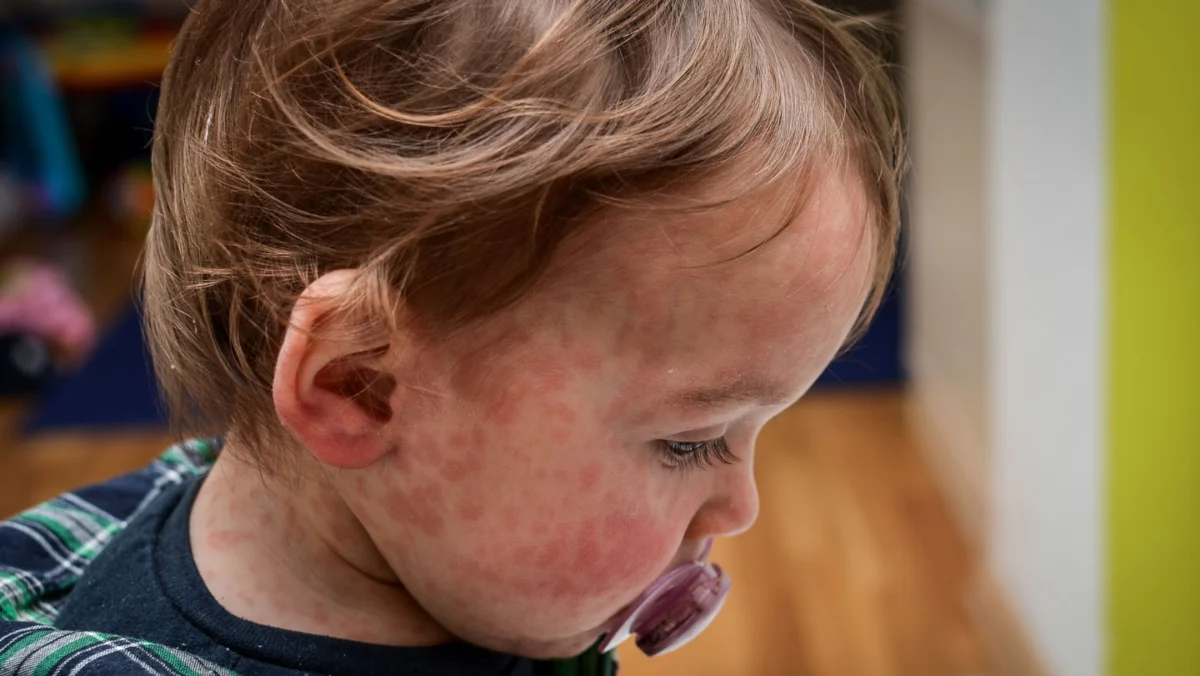
Measles, caused by the measles virus (a paramyxovirus), is characterized by a distinct rash, fever, cough, conjunctivitis, and Koplik spots in the mouth. In its most severe forms, it can lead to serious complications such as pneumonia, encephalitis (brain swelling), and even death. Before the widespread introduction of the measles vaccine in the 1960s, measles was a common childhood illness, causing millions of deaths annually. The measles, mumps, and rubella (MMR) vaccine has been remarkably successful in reducing the incidence of these diseases, with global measles deaths estimated to have fallen by 85 percent between 2000 and 2017, according to the World Health Organization (WHO).
However, recent years have witnessed an alarming trend: a decline in childhood vaccination coverage in many parts of the world, including the United States and Europe. This dip in immunization rates is attributed to a complex interplay of factors, including vaccine hesitancy fueled by misinformation, disruptions to routine healthcare services caused by events like the COVID-19 pandemic, and inadequate access to healthcare in some regions. The consequences of this decline are becoming starkly evident. In 2022, the WHO reported a 18 percent increase in measles cases globally compared to 2021, with over 30 countries experiencing large or disruptive outbreaks. The United States, for example, has seen a significant rise in measles cases in recent years, with the Centers for Disease Control and Prevention (CDC) reporting over 1,200 cases in 2023, the highest number since 2000. This resurgence underscores the fragility of herd immunity when vaccination coverage falls below critical thresholds, typically around 95% for measles to be effectively controlled.
The Scientific Pursuit of Antiviral Therapies
The current medical approach to measles primarily focuses on supportive care, managing symptoms and preventing secondary infections. There is no specific antiviral treatment that can cure measles once infected. This is where the current research into antiviral drugs becomes crucial. Scientists are exploring various avenues to identify and develop compounds that can directly target the measles virus, inhibit its replication, or interfere with its ability to infect cells.
One promising area of research involves nucleoside analogs. These drugs mimic the natural building blocks of RNA, the genetic material of the measles virus. When incorporated into the replicating viral RNA, they can disrupt the process, effectively halting viral multiplication. Researchers are investigating modifications of existing nucleoside analogs or designing novel ones with enhanced antiviral activity and reduced toxicity to human cells.
Another significant focus is on targeting viral proteins essential for replication. The measles virus, like other viruses, relies on specific enzymes and structural proteins to reproduce itself. Inhibiting these key proteins can cripple the virus’s ability to proliferate. This could involve developing small molecules that bind to these proteins and render them inactive, or exploring therapeutic antibodies that can neutralize viral components.
Furthermore, some research is exploring host-directed therapies. Instead of directly attacking the virus, these approaches aim to bolster the body’s own defense mechanisms or interfere with the virus’s interaction with host cells. This could involve enhancing the innate immune response or blocking cellular receptors that the virus uses to enter cells.
A Timeline of Discovery and Development
The scientific pursuit of measles treatments is not entirely new. Early research into antiviral drugs for measles dates back decades, but the success of the vaccine largely diminished the urgency for developing specific therapeutics. However, with the re-emergence of the disease, this landscape has shifted dramatically.
- Early Investigations (Pre-Vaccine Era & Early Post-Vaccine Era): Initial research focused on understanding the virus and its pathogenesis. Some early attempts at antiviral agents were explored but yielded limited success or were deemed too toxic for widespread use.
- Renewed Interest (Late 20th – Early 21st Century): As measles cases persisted in some regions and concerns about vaccine efficacy in specific populations arose, some researchers continued to explore antiviral avenues. However, the overwhelming success of the vaccine meant that funding and focus were primarily directed towards immunization programs.
- Current Intensification (2010s – Present): The significant global decline in vaccination rates starting in the 2010s, coupled with high-profile outbreaks, has catalyzed a more concerted and urgent effort in antiviral research. This surge is driven by the understanding that even with high vaccination rates, there will always be individuals who are unvaccinated, immunocompromised, or for whom the vaccine may not be fully effective, necessitating alternative treatment options. Research groups in academic institutions and pharmaceutical companies are actively engaged in preclinical studies, drug screening, and early-stage clinical trials. The exact timeline for a widely available and approved antiviral drug for measles is still uncertain, but the pace of research has accelerated considerably.
Supporting Data: The Economic and Public Health Burden
The resurgence of measles carries substantial economic and public health costs. Outbreaks strain healthcare systems, leading to increased hospitalizations, intensive care unit admissions, and prolonged recovery periods. For instance, a single measles outbreak can cost millions of dollars in public health response, including contact tracing, vaccination campaigns, and treatment of affected individuals.
Beyond the direct costs, there are significant indirect economic impacts. Productivity losses due to illness, school closures that disrupt education, and the long-term health consequences for survivors all contribute to the societal burden of measles. The World Health Organization estimates that measles is one of the leading causes of death among unvaccinated young children globally.
Statements and Reactions from Key Stakeholders
Public health organizations and medical professionals have expressed both concern over the declining vaccination rates and optimism regarding the ongoing research into antiviral treatments.
Dr. Tedros Adhanom Ghebreyesus, Director-General of the World Health Organization (WHO), has repeatedly emphasized the critical importance of vaccination. "Measles is a vaccine-preventable disease, and the resurgence we are seeing is a clear indication that we are falling behind on vaccination," he stated in a recent address. "While we must redouble our efforts to ensure every child receives the MMR vaccine, exploring therapeutic options is a vital complementary strategy."
The Centers for Disease Control and Prevention (CDC) in the United States has been actively monitoring measles outbreaks and advocating for increased vaccination coverage. A spokesperson for the CDC commented, "Our primary focus remains on prevention through vaccination. However, we are closely watching the scientific advancements in antiviral therapies, which could offer a much-needed tool to manage cases and mitigate the impact of outbreaks when they do occur."
Pediatrician Dr. Maria Sanchez, who has treated children with measles, shared her perspective: "Witnessing a child suffer from measles, a disease we have the tools to prevent, is heartbreaking. While the vaccine is our best defense, having effective antiviral treatments would provide immense relief for both patients and clinicians, especially for those who develop severe complications."
Broader Impact and Implications
The development of effective antiviral drugs for measles would have profound implications:
- Enhanced Protection for Vulnerable Populations: Individuals who cannot be vaccinated due to medical reasons (e.g., severe allergies, compromised immune systems) or those for whom the vaccine is less effective would have an additional layer of protection.
- Mitigation of Outbreak Severity: Antiviral treatments could potentially reduce the duration and severity of illness, thereby decreasing the risk of complications and mortality during outbreaks. This could also help limit the spread of the virus by reducing viral shedding.
- Public Health Preparedness: Having readily available antiviral treatments would significantly bolster global preparedness for future measles outbreaks, providing a critical response mechanism alongside vaccination campaigns.
- Economic Benefits: By reducing the incidence of severe illness and complications, antiviral treatments could lead to substantial savings in healthcare costs and reduce economic losses associated with outbreaks.
- Renewed Public Trust: Successful development and deployment of effective treatments could, in the long term, help rebuild trust in public health interventions and scientific solutions, potentially addressing some aspects of vaccine hesitancy by demonstrating a commitment to comprehensive disease management.
However, it is crucial to acknowledge that antiviral therapies are not a panacea and will not replace the importance of vaccination. Vaccination remains the most effective, safe, and cost-efficient method for preventing measles. The widespread availability of vaccines has achieved remarkable public health successes, and maintaining high vaccination coverage is paramount to preventing the re-establishment of endemic measles in regions where it has been eliminated.
The ongoing research into antiviral drugs for measles represents a critical advancement in our fight against this persistent threat. By pursuing a dual strategy of robust vaccination programs and innovative therapeutic interventions, the global community can work towards a future where measles is once again a rare and manageable disease, safeguarding the health and well-being of populations worldwide. The scientific community’s dedication to this cause offers a beacon of hope in the face of resurgent public health challenges.