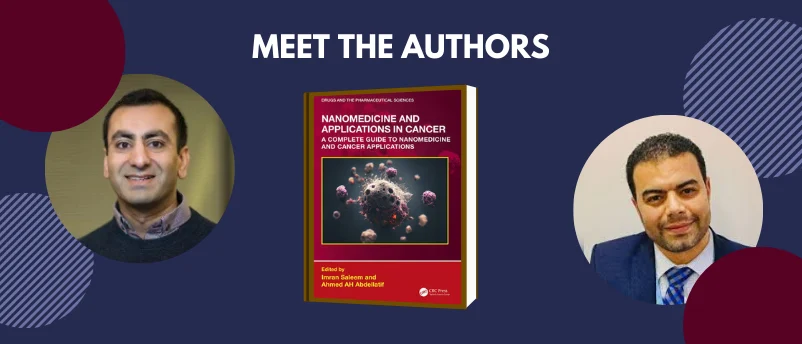
Liverpool John Moores University (LJMU) Professor of Nanomedicine, Imran Saleem, and Qassim University Professor of Pharmaceutics, Ahmed AH Abdellatif, long-time collaborators in nanoparticle design and ligand capping, have released their comprehensive guide, "Nanomedicine and Applications in Cancer: A Complete Guide to Nanomedicine and Cancer Applications." This seminal work aims to consolidate fragmented knowledge, bridge the chasm between theoretical potential and clinical reality, and equip the next generation of researchers and clinicians with the insights needed to advance nanomedicine in oncology. The release comes at a pivotal moment for the field, which promises revolutionary changes in cancer treatment but faces significant biological, manufacturing, and regulatory challenges.
The collaboration between Professor Saleem, renowned for his work on polymer and lipid-based nanocarrier systems at LJMU’s School of Pharmacy & Biomolecular Sciences, and Professor Abdellatif, a leader in active cancer targeting and green synthesis of metallic nanostructures at Qassim University, underscores the interdisciplinary nature crucial to nanomedicine’s progress. Their combined expertise, cultivated over several years of close partnership, forms the bedrock of this new publication, which delves into the critical necessity for such a resource, the cutting-edge technologies propelling the field, and a forward-looking perspective on its trajectory.
The Evolving Landscape of Nanomedicine in Oncology
Nanomedicine for oncology represents a paradigm shift from conventional chemotherapy, offering the potential for enhanced drug delivery, reduced systemic toxicity, and improved therapeutic outcomes. The field encompasses a diverse array of platforms, each engineered to optimize the solubility, stability, and pharmacokinetic profiles of therapeutic agents. These platforms include liposomes, microscopic lipid vesicles that can encapsulate drugs; polymeric nanoparticles, which use biocompatible polymers to carry therapeutics; micelles, self-assembling structures formed by amphiphilic molecules; dendrimers, highly branched synthetic polymers; metallic nanostructures, such as gold, silver, and iron oxide nanoparticles with unique properties; and antibody-drug conjugates (ADCs), which combine the targeting specificity of antibodies with the potency of cytotoxic drugs.
The fundamental principle driving many of these systems is the ability to facilitate enhanced tumor accumulation through both passive and active targeting mechanisms. Passive targeting often leverages the "Enhanced Permeability and Retention" (EPR) effect, where nanoparticles preferentially accumulate in tumor tissue due to their leaky vasculature and impaired lymphatic drainage. Active targeting, conversely, involves surface modification of nanoparticles with specific ligands that bind to receptors overexpressed on cancer cells, thereby enhancing cellular uptake and specificity.
The clinical impact of nanomedicine is already evident. The U.S. Food and Drug Administration (FDA) has approved several nanomedicine formulations, demonstrating superior safety profiles compared to their conventional counterparts. Notable examples include liposomal doxorubicin (Doxil®), approved for various cancers including ovarian cancer and Kaposi’s sarcoma, and albumin-bound paclitaxel (Abraxane®), used for metastatic breast cancer, non-small cell lung cancer, and pancreatic cancer. These formulations illustrate nanomedicine’s current role in augmenting existing treatments, steering oncology toward a more precise, patient-centric approach that minimizes off-target systemic toxicity. The global nanomedicine market, valued at approximately $200 billion in 2022, is projected to reach over $500 billion by 2030, with oncology applications being a significant driver, highlighting the substantial investment and therapeutic promise in this sector.
Navigating the Complexities: Challenges in Clinical Translation
Despite the groundbreaking progress in laboratory settings and a handful of clinical successes, nanomedicine in cancer faces formidable challenges in achieving widespread clinical translation. These hurdles span biological, technical, and regulatory domains, underscoring the complexity of bringing these sophisticated therapies from bench to bedside.
One of the primary obstacles lies in biological barriers. Nanoparticles frequently encounter rapid clearance by the immune system before they can reach their intended target. The body’s natural defense mechanisms, including macrophages and other phagocytic cells, can quickly identify and remove foreign nanoparticles from circulation, significantly reducing their bioavailability at the tumor site. Furthermore, while the EPR effect has been a cornerstone of passive tumor targeting in preclinical animal models, its consistency and magnitude in human patients are far less predictable. The heterogeneity of tumor vasculature in humans, coupled with variations in tumor microenvironment and disease progression, means that the EPR effect can be highly variable, leading to inconsistent drug delivery and therapeutic outcomes.

The intricate interactions between nanomaterials and biological components represent another significant challenge. Proteins in the bloodstream can rapidly adsorb to the surface of nanoparticles, forming a "protein corona." This dynamic layer can unpredictably alter a nanoparticle’s physicochemical properties, including its size, charge, stability, and biological fate. The protein corona can mask targeting ligands, trigger immune responses, and influence cellular uptake and intracellular trafficking in ways that are difficult to characterize and predict, making it challenging to standardize and reproduce nanoparticle behavior compared to traditional small-molecule drugs. Understanding these complex interactions remains insufficiently characterized and demands robust analytical tools and standardized protocols.
Beyond biological mechanisms, translational and manufacturing hurdles are substantial. The transition from lab-scale synthesis to mass production of nanomedicine compounds is technically complex and costly. Maintaining strict batch-to-batch consistency in nanoparticle size, morphology, surface properties, and drug loading is paramount for ensuring efficacy and safety, yet it presents considerable engineering challenges. The scalability of current manufacturing processes often falls short of the demands for clinical trials and commercial production, contributing to high development costs and prolonged timelines.
Moreover, the regulatory landscape for nanomedicines is still evolving. A lack of standardized global guidelines for the development, characterization, and approval of nanotherapeutics, coupled with concerns regarding the long-term toxicity and environmental fate of synthetic nanomaterials, can significantly slow down the clinical approval process. Regulatory agencies like the FDA and European Medicines Agency (EMA) are actively working to establish clearer pathways, but the unique properties of nanomaterials necessitate novel evaluation strategies that differ from those used for conventional drugs. This uncertainty creates a challenging environment for pharmaceutical companies and academic researchers alike. These multifaceted challenges collectively highlight the urgent need for robust predictive models, standardized characterization protocols, and multidisciplinary synergy between academia, industry, and regulatory bodies to accelerate nanomedicine’s clinical adoption.
A Comprehensive Roadmap: The Genesis and Impact of the Book
The driving force behind Professors Saleem and Abdellatif’s decision to author "Nanomedicine and Applications in Cancer" was a clear recognition of a critical void in the existing scientific literature. While countless articles and reviews focus on isolated nanocarrier systems or experimental innovations, there was a noticeable lack of resources that provided an integrative, critical, and practical guide grounded in real-world clinical applications. The professors observed a fragmentation of knowledge across various disciplines—materials science, molecular biology, pharmacology, and clinical oncology—hindering a holistic understanding and translational progress.
"This book was motivated by the need to bridge the gap between fundamental principles of cancer nanomedicine and their practical clinical applications," Professor Saleem explained, emphasizing the desire to move beyond purely theoretical discussions. Their objective was to facilitate a cross-disciplinary dialogue, providing a unified framework that could guide the next generation of oncology treatments. By bringing together insights from leading experts, the book serves as a comprehensive roadmap for both researchers engaged in preclinical development and clinicians involved in patient care. It acts as a vital bridge, consolidating specialist knowledge on the mechanisms of action, regulatory considerations, and translational techniques essential to the field, thereby fostering a more cohesive and efficient development pipeline.
The book directly addresses the aforementioned challenges in the field by exploring several key areas with meticulous detail. Firstly, it offers a comprehensive analysis of nanocarrier engineering, with a specific focus on how physicochemical properties (e.g., size, shape, surface charge, composition) influence their interaction with biological barriers and how these properties can be optimized for improved targeting strategies. This section provides practical guidance on designing nanoparticles that can evade immune surveillance, penetrate tumor tissues more effectively, and release their payload precisely.
Secondly, to tackle translational and regulatory oversight, the book meticulously bridges the gap between laboratory research and clinical implementation. It examines critical aspects such as nanocarrier morphology, rigorous safety assessments (including pharmacokinetics, biodistribution, and toxicology), and the evolving regulatory landscape. By demystifying the requirements for clinical approval, it equips readers with the knowledge needed to navigate the complex process of bringing a nanomedicine to market, fostering a proactive approach to regulatory compliance.
Crucially, the authors do not shy away from discussing the failures and limitations of nano-formulations. By analyzing past setbacks and identifying common pitfalls, the book lays the foundations for more resilient and intelligently designed future nanomedicines. This candid approach encourages realistic expectations and informed innovation, moving the field away from overly optimistic preclinical results towards more pragmatic and clinically viable solutions.
The publication also champions the necessity for interdisciplinary synthesis, connecting materials science, molecular biology, and pharmaceutical development. This integrated perspective is vital for fostering a holistic understanding of the field, ensuring that innovations are aligned with biological reality and clinical needs. Finally, the book provides an in-depth comparison of active versus passive targeting mechanisms, offering refined strategies to minimize off-target accumulation and mitigate the systemic toxicity traditionally associated with conventional chemotherapeutic agents. This balanced perspective on targeting mechanisms is crucial for developing therapies that are both highly effective and well-tolerated by patients.
Emerging Techniques and the Future Horizon
The field of nanomedicine is being continually reshaped by a rapid succession of innovative techniques and technological advancements. These emerging approaches are accelerating progress, offering solutions to long-standing challenges, and bridging the gap between benchtop research and clinical reality.
One of the most exciting developments is the creation of sophisticated, size-optimized systems, such as stimuli-responsive and "smart" nanocarriers. These intelligent systems are engineered to release their therapeutic payload in response to specific internal triggers (e.g., pH changes in the tumor microenvironment, elevated enzyme levels) or external stimuli (e.g., light, heat, ultrasound). This precision delivery minimizes systemic exposure and maximizes drug concentration at the disease site, leading to higher efficacy and fewer side effects. Research and development in this area are expanding rapidly, with significant venture capital investment pouring into companies developing these advanced delivery platforms.
The advent of Artificial Intelligence (AI) and Machine Learning (ML) is having a transformative impact on nanomedicine. AI algorithms are increasingly employed to optimize formulation design, predict nanoparticle behavior, and tailor treatments to individual patient profiles. By analyzing vast datasets of experimental results, patient demographics, and clinical outcomes, AI can identify optimal nanoparticle characteristics, predict drug-nanoparticle interactions, and even personalize dosing regimens, ensuring higher efficacy and fewer side effects. This computational power is drastically reducing the time and cost associated with traditional drug development cycles.
Gene and RNA-based nanotherapeutics have taken significant steps forward, particularly with the success of mRNA vaccines during the COVID-19 pandemic. Advanced delivery platforms for small interfering RNA (siRNA), microRNA (miRNA), and messenger RNA (mRNA) are facilitating stable and targeted genetic modulation for complex diseases, including cancer. These nanocarriers protect the delicate genetic material from degradation and ensure its efficient delivery into target cells, opening new avenues for gene therapy and immunomodulation in oncology.
Another transformative area is the integration of advanced imaging agents and therapeutics within a single platform to create theranostic nanoparticles. These dual-function systems allow for the real-time monitoring of drug biodistribution, treatment response, and disease progression, providing clinicians with invaluable diagnostic and prognostic information. Theranostics embody the pinnacle of personalized medicine, enabling clinicians to "see what they treat" and adapt therapeutic strategies dynamically.
Finally, the rapidly evolving biomimetic model space has significantly driven nanotherapeutics forward. The adoption of organ-on-chip devices and 3D tumor spheroids provides a more physiologically relevant environment for predicting the clinical performance of nanocarriers compared to traditional 2D cell cultures or even animal models. These advanced in vitro models mimic the complexity of human tissues and tumors, reducing the reliance on animal testing, which in turn removes regulatory and ethical hurdles and saves considerable time and resources in the preclinical testing phase of novel nanotherapeutic candidates. These advancements are fundamentally reshaping how nanomedicines are engineered and evaluated, bridging the gap between benchtop research and clinical reality.
Strategic Advice for Researchers and the Vision for the Next Decade
For researchers navigating this dynamic field, Professors Saleem and Abdellatif offer critical advice: prioritize clinical translatability over structural complexity. "Simpler, scalable delivery systems built on established, well-understood manufacturing processes, possess a much higher probability of successful clinical translation," Professor Abdellatif advises. This pragmatic approach emphasizes that an elegant nanoparticle design, no matter how innovative in the lab, holds limited value if it cannot be consistently and cost-effectively produced for clinical use. Research efforts, therefore, should shift away from idealistic models in favor of robust characterization, rigorous reproducibility, and safety profiles that accurately reflect the complex biology of human tumors, moving beyond often-simplistic animal models.
Furthermore, there is a clear strategic shift toward active targeting mechanisms. By utilizing specific ligands designed to bind to overexpressed tumor receptors, these systems can significantly bypass the non-specific, systemic toxicities associated with traditional chemotherapeutic agents and passive delivery. This targeted approach promises not only enhanced efficacy but also a much-improved safety profile for patients.

Looking ahead, Professor Saleem expresses his sincere hope that the book will serve as both a definitive reference and a strategic roadmap for students, researchers, and industry professionals in cancer nanomedicine. "Our goal is to foster a culture of thoughtful design, interdisciplinary synergy, and a translational mindset, moving beyond the bench to solve real-world clinical challenges," he states.
Over the next decade, nanomedicine is poised to transition from a specialized niche into a cornerstone of mainstream oncology. Professor Saleem anticipates the field will coalesce around several transformative pillars:
- Validated Nanofabrication: A significant shift toward standardized, scalable, and clinically compliant manufacturing processes will be crucial. This will involve the development of robust quality control measures and automated production lines to ensure consistent product quality and enable widespread clinical adoption.
- Personalized & Precision Systems: The integration of patient-specific data, including genomic, proteomic, and clinical information, will enable the tailoring of nanotherapeutic interventions. This personalized approach will optimize treatment efficacy and minimize adverse effects, moving towards truly individualized cancer care.
- Next-Generation Combinations: A deeper convergence with immunotherapy and gene-silencing technologies will drive the development of highly potent combination therapies. Nanocarriers will be engineered to deliver multiple agents simultaneously, targeting different pathways to overcome drug resistance and enhance therapeutic synergy.
- Refining Regulatory Landscapes: The establishment of harmonized, nanomedicine-specific frameworks by regulatory bodies will streamline clinical approval processes. Clearer guidelines will accelerate innovation while ensuring patient safety and product quality, fostering greater confidence among developers and investors.
- Renewed Focus on Patient-Centric Outcomes: Beyond mere survival, there will be an increased emphasis on improving the quality of life for cancer patients. High-precision delivery and reduced systemic burden offered by nanomedicines will lead to fewer side effects, enabling patients to maintain a better quality of life during and after treatment.
- Truly Sophisticated Active Targeting: The field will move beyond the limitations of the EPR effect, leveraging advanced ligand-mediated delivery strategies for superior tumor penetration and cellular uptake. This will involve designing nanoparticles that can navigate complex tumor microenvironments, target specific cell types within the tumor, and even penetrate intracellular compartments for highly effective therapy.
This future vision underscores nanomedicine’s potential to revolutionize cancer treatment, offering a future where therapies are not only more effective but also significantly less debilitating for patients.
About the Authors:
Imran Saleem is a Professor in Nanomedicine in the School of Pharmacy & Biomolecular Sciences at Liverpool John Moores University (LJMU; UK). He leads the Nanomedicine, Formulation and Delivery Research Group, which conducts cutting-edge research into polymer and lipid-based nanocarrier systems. His work primarily focuses on overcoming biological barriers to deliver macromolecules—including proteins, peptides, and miRNA—specifically via the pulmonary route. These innovations aim to transform the treatment of lung diseases such as cancer, as well as advancing both preventative and therapeutic vaccinations.
Ahmed AH Abdellatif is a Professor of Pharmaceutics at the College of Pharmacy, Qassim University (Buraydah, Saudi Arabia). He leads a specialized laboratory that operates at the intersection of nanotechnology, oncology, and pharmaceutical sciences, dedicated to designing, formulating, and characterizing advanced nanomedicines. His research focuses on enhancing therapeutic outcomes through active cancer targeting and the green synthesis of metallic nanostructures. By integrating materials science with biological assessment, Professor Abdellatif aims to develop translational nanocarriers that effectively overcome the limitations of current cancer therapies.
The release of "Nanomedicine and Applications in Cancer: A Complete Guide to Nanomedicine and Cancer Applications" represents a significant contribution to the scientific community, offering an essential resource for those dedicated to harnessing the power of nanotechnology to combat cancer. The book is available for purchase, and readers can utilize the code BioTechniques for a 25% discount, encouraging widespread access to this vital compendium of knowledge.