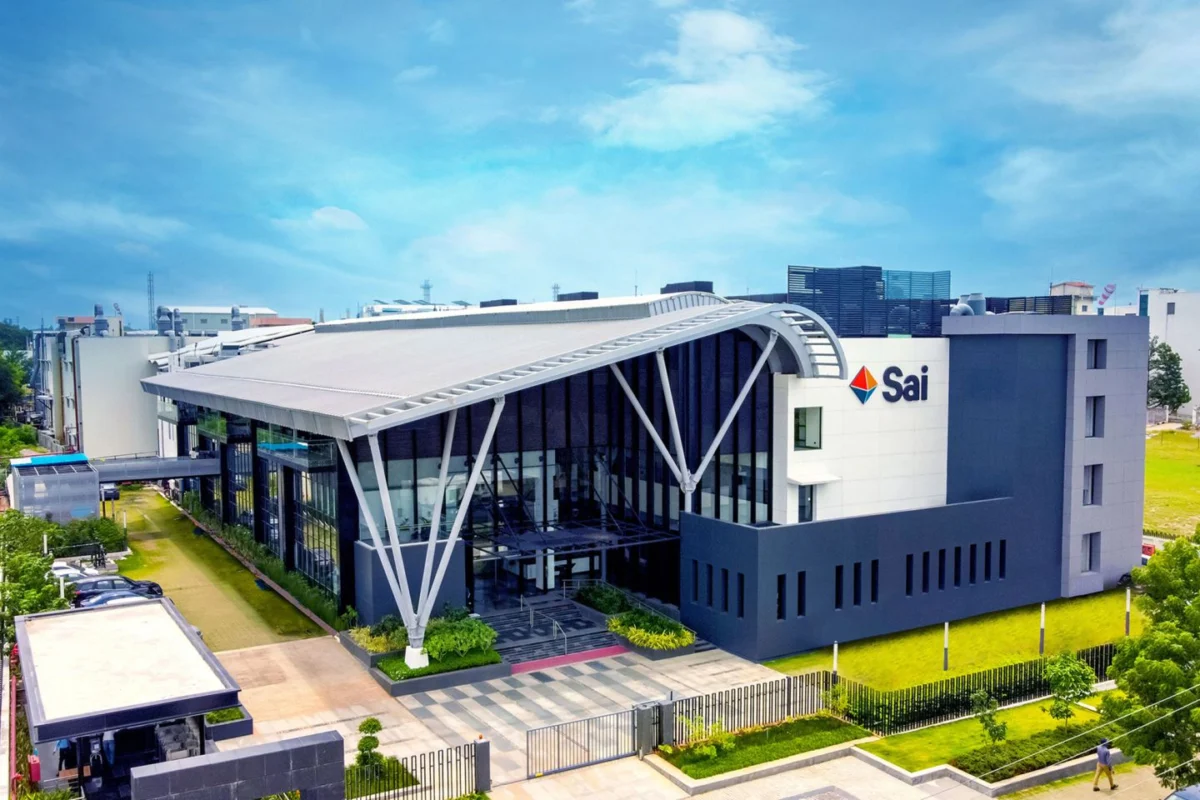
Sai Life Sciences, a prominent Contract Research, Development & Manufacturing Organization (CRDMO) based in Hyderabad, India, has announced an ambitious plan to onboard over 700 scientific, technical, and management professionals during the fiscal year 2026-27. This significant recruitment drive is a direct response to the escalating global demand for integrated drug discovery, development, and manufacturing services, underscoring India’s growing strategic importance in the global pharmaceutical value chain. The company’s proactive talent acquisition strategy follows its successful public listing in December 2024, signaling a clear intent to scale capabilities and capacity in anticipation of future demand.
I. Major Recruitment Drive Signals Sectoral Growth
The planned expansion will see Sai Life Sciences bolster its ranks across a wide spectrum of specialized fields critical to the drug development lifecycle. The recruitment will target experts in medicinal chemistry, biology, DMPK (Drug Metabolism and Pharmacokinetics), process and analytical development, formulation development, process engineering, technology transfer, quality assurance, peptides, business development, program management, and manufacturing roles. The majority of these positions will be concentrated at the company’s largest integrated R&D campus located in Hyderabad, a burgeoning hub for life sciences innovation. Complementing this, roles will also be allocated to its international sites, including the process R&D facility in Manchester, UK, and its early discovery and client engagement office in Boston, USA, reflecting a globally integrated operational model.
Krishna Kanumuri, CEO and Managing Director of Sai Life Sciences, articulated the broader implications of this strategic move, stating, "We are at an inflection point for the Indian CRDMO industry. Global supply-chain rebalancing, the need for resilient development and manufacturing partners, and the rising sophistication of outsourced science are converging in India’s favour." This sentiment highlights a pivotal moment where India’s capabilities are increasingly aligned with the evolving needs of the global pharmaceutical industry, positioning the nation as a reliable and advanced partner for pharmaceutical innovation.
II. Deep Dive into the Talent Acquisition Strategy
The core objective of this extensive hiring push is to attract high-caliber scientists and professionals from leading institutions both within India and internationally. This focus is necessitated by the increasing complexity of pharmaceutical programs and the elevated scientific expectations from global innovator companies. The new recruits will be instrumental in advancing several key areas of the company’s operations, including complex small-molecule synthesis, high-throughput experimentation (HTE), data-enabled drug discovery leveraging advanced analytics and artificial intelligence, and late-stage Chemistry, Manufacturing, and Controls (CMC) and commercial manufacturing scale-up.
Sai Life Sciences currently employs more than 3,400 scientists and professionals. The addition of over 700 new employees represents a substantial increase in its workforce, expanding its talent pool by approximately 20%. This growth is crucial for sustaining the company’s trajectory and enhancing its capacity to manage a growing pipeline of projects. The emphasis on specific disciplines like medicinal chemistry and biology underlines the company’s commitment to early-stage drug discovery, while the focus on process engineering, technology transfer, and manufacturing highlights its end-to-end capabilities from lab to commercial scale. The inclusion of roles in DMPK is vital for understanding how drugs interact with the body, ensuring safety and efficacy early in the development process. Furthermore, bolstering business development and program management teams indicates a strategic focus on expanding client relationships and ensuring efficient project execution.
III. India’s Ascendance in the Global CRDMO Landscape
Defining the CRDMO Model: The Contract Research, Development & Manufacturing Organization (CRDMO) model represents an evolution from the traditional Contract Research Organization (CRO) and Contract Development & Manufacturing Organization (CDMO) frameworks. A CRDMO offers integrated services spanning the entire drug lifecycle, from early-stage discovery and preclinical research to clinical development, and ultimately, commercial manufacturing. This integrated approach streamlines processes, reduces timelines, and enhances efficiency for pharmaceutical and biotechnology companies, making CRDMOs increasingly attractive partners.
Historical Context and Drivers: India’s journey in pharmaceutical outsourcing began primarily with generics manufacturing and basic contract research, driven largely by cost-effectiveness. Over the past two decades, the sector has matured significantly. India now boasts a vast pool of scientifically trained talent, state-of-the-art research infrastructure, and a robust regulatory framework that aligns with global standards. These factors have collectively propelled India into a leading position for pharmaceutical R&D and manufacturing outsourcing. The nation’s demographic dividend, characterized by a large, skilled, and relatively young workforce, provides a sustainable competitive advantage in knowledge-intensive industries like life sciences.
Global Supply Chain Rebalancing: The COVID-19 pandemic exposed vulnerabilities in global supply chains, prompting pharmaceutical companies worldwide to reassess their reliance on single-source regions. This has led to a strategic "rebalancing" of supply chains, with a greater emphasis on diversification and resilience. India, with its established manufacturing base, skilled workforce, and growing R&D capabilities, has emerged as a preferred destination for companies seeking reliable and diversified partners. Geopolitical considerations and the imperative to de-risk operations have further accelerated this trend, channeling increased investment and project flow into the Indian CRDMO sector.
Sophistication of Outsourced Science: The Indian CRDMO sector is no longer merely a low-cost alternative. It has rapidly moved up the value chain, demonstrating proficiency in handling scientifically complex, high-value-add research and advanced manufacturing processes. This includes expertise in niche areas like peptide synthesis, complex small-molecule synthesis, and specialized analytical techniques. The increasing scientific sophistication offered by Indian CRDMOs enables global pharmaceutical innovators to outsource more challenging and critical aspects of drug development, allowing them to focus on core innovation.
Governmental Support: The Indian government has actively fostered the growth of the pharmaceutical and biotechnology sectors through various initiatives. Schemes like the Production Linked Incentive (PLI) scheme for pharmaceuticals aim to boost domestic manufacturing and reduce import dependence, while also encouraging high-value production. These policies create a conducive environment for CRDMOs to invest in infrastructure, technology, and talent, further solidifying India’s position as a global pharma hub.
IV. Sai Life Sciences’ Strategic Trajectory and Recent Milestones
Sai Life Sciences has a long-standing history of partnering with global pharmaceutical and biotechnology companies, assisting them in bringing new medicines to market. Its mission is deeply rooted in accelerating the discovery and development of life-saving drugs. The company’s strategic trajectory has been marked by continuous investment in scientific capabilities, technological infrastructure, and talent development.
A pivotal moment in the company’s recent history was its successful public listing in December 2024 on the Bombay Stock Exchange (BSE: 544306) and the National Stock Exchange (NSE: SAILIFE). This public offering provided Sai Life Sciences with significant capital, which is crucial for funding its ambitious growth plans, including the current recruitment drive and further infrastructure expansion. The listing also enhanced the company’s visibility and credibility in the global market, attracting investor confidence and signaling its readiness for accelerated growth. The current hiring plan directly underscores the company’s commitment to leveraging this capital to scale its talent and capabilities, ensuring it can meet the anticipated demand for FY27 and beyond.
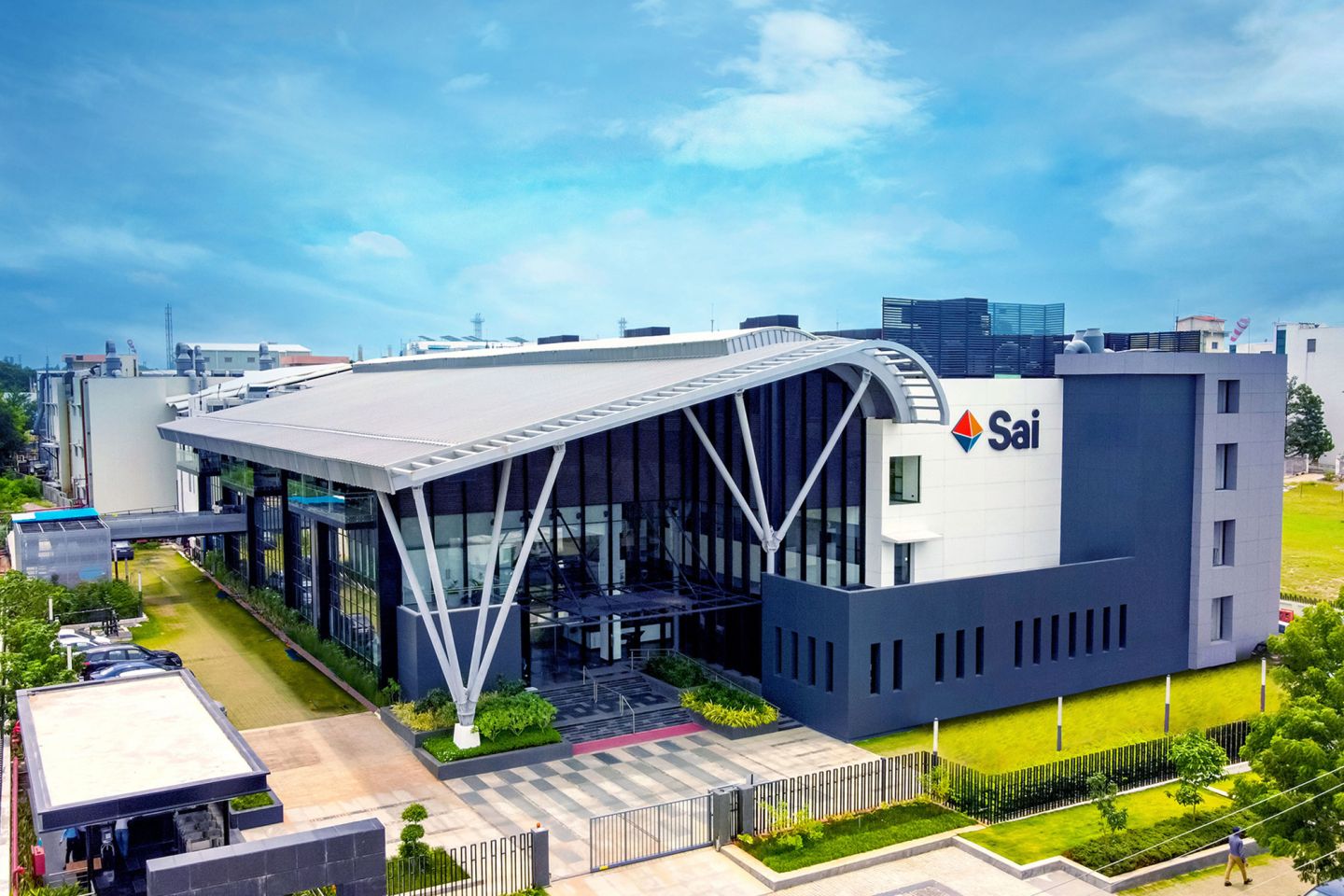
The integrated R&D campus in Hyderabad stands as the cornerstone of Sai Life Sciences’ operations, offering comprehensive services under one roof. This integration is a key differentiator, enabling seamless transitions between different stages of drug development. The strategic locations of its Manchester site, specializing in process R&D, and its Boston office, focusing on early discovery and client engagement, reflect a thoughtful global strategy designed to tap into diverse talent pools and client markets, while maintaining proximity to key innovation ecosystems.
V. Market Dynamics and Competitive Environment
Broader Industry Trend: Sai Life Sciences’ recruitment announcement is not an isolated event but rather indicative of a broader pattern within the Indian CRDMO sector. Numerous Indian CRDMOs are actively positioning themselves to capture a larger share of the global pharmaceutical outsourcing market. This collective momentum signifies a robust and expanding industry poised for sustained growth.
Supporting Market Data: The global pharmaceutical outsourcing market is experiencing significant expansion, driven by increasing R&D expenditures, the growing complexity of drug development, and the pharmaceutical industry’s strategic shift towards external partnerships. Industry reports from leading market intelligence firms, while varying in specific projections, consistently point to a compound annual growth rate (CAGR) for the global CDMO/CRDMO market in the high single digits, potentially reaching hundreds of billions of dollars within the next few years. India is consistently highlighted as a key growth region within these reports, with its share of the global outsourcing market projected to expand considerably. For instance, a hypothetical 2025 BCG report, as referenced in the original context, would likely underscore global supply chain realignments and India’s burgeoning capability base as primary growth drivers. This suggests a consensus view among market analysts regarding India’s strategic importance.
Competitive Landscape: The increased demand has spurred considerable investment and expansion across the Indian CRDMO landscape. Competitors, such as Aragen Life Sciences, have also announced major capacity expansions, particularly in key biotechnology hubs like Hyderabad. This competitive yet collaborative environment fosters innovation and drives continuous improvement in service offerings, technological adoption, and talent development. The healthy competition ensures that Indian CRDMOs remain agile and responsive to the evolving needs of global pharmaceutical clients.
Shift Towards Complex Work: The industry-wide push is increasingly geared towards taking on more scientifically complex and later-stage work. This represents a significant shift from earlier outsourcing models, which often focused on routine or early-stage tasks. Today, Indian CRDMOs are actively engaged in intricate synthetic chemistry, advanced formulation development, sophisticated analytical testing, and large-scale commercial manufacturing. This demands not only cutting-edge infrastructure but also a highly skilled workforce capable of addressing complex scientific and engineering challenges. The integration of advanced technologies like AI, machine learning, and automation in drug discovery and development processes is also becoming paramount, further elevating the scientific demands on CRDMO partners.
VI. Implications for Talent, Innovation, and the Economy
Talent Development: The aggressive recruitment by Sai Life Sciences and other CRDMOs will have profound implications for talent development in India. It will necessitate robust educational and vocational training programs to cultivate the next generation of scientists and technical professionals. The focus on attracting high-caliber talent also implies competitive compensation packages and world-class research environments, which will, in turn, elevate the standards of scientific careers in India. This influx of talent will further solidify Hyderabad’s reputation as a leading biotech and pharmaceutical research hub, attracting more investment and fostering a vibrant ecosystem of innovation.
Innovation Acceleration: By providing integrated and sophisticated services, Indian CRDMOs play a critical role in accelerating drug discovery and development for their global partners. Their ability to manage complex projects efficiently, from target identification to commercial production, significantly reduces the time and cost associated with bringing new therapies to market. This acceleration is crucial for addressing unmet medical needs globally and making innovative medicines more accessible to patients sooner.
Economic Impact: The growth of the Indian CRDMO sector has substantial economic benefits. The creation of thousands of high-skilled jobs contributes to employment generation and raises the overall standard of living. The sector also attracts significant foreign direct investment (FDI) into India, bolstering its economy and contributing to its GDP. Furthermore, the development of a robust pharmaceutical ecosystem, including allied industries and support services, creates a ripple effect of economic growth across various sectors.
Global Health Contribution: Ultimately, the enhanced capabilities and expanded capacity of Indian CRDMOs contribute directly to global health security. By serving as reliable partners in the development and manufacturing of essential medicines, they help ensure a stable supply of pharmaceuticals worldwide. This role became particularly evident during global health crises, where resilient and diversified manufacturing bases proved invaluable.
VII. Outlook: Sustaining Growth and Future Challenges
The long-term vision for Sai Life Sciences and the broader Indian CRDMO sector is one of sustained growth and increasing global prominence. The current trends suggest that outsourcing will continue to be a strategic imperative for global pharmaceutical companies, and India is well-positioned to capitalize on this.
However, this trajectory is not without its challenges. The intense competition for talent, both domestically and internationally, will require continuous investment in human resource development and retention strategies. Evolving global regulatory landscapes necessitate constant vigilance and adaptation to ensure compliance and maintain high-quality standards. Furthermore, the rapid pace of technological advancements in drug discovery and manufacturing demands continuous investment in state-of-the-art equipment, digital infrastructure, and R&D capabilities. The imperative for continuous investment in human capital and cutting-edge technology will be paramount for Indian CRDMOs to maintain their competitive edge and fulfill their potential as indispensable partners in global pharmaceutical innovation. Sai Life Sciences’ proactive hiring strategy is a clear testament to its commitment to navigating these challenges and leading the charge in this dynamic sector.