

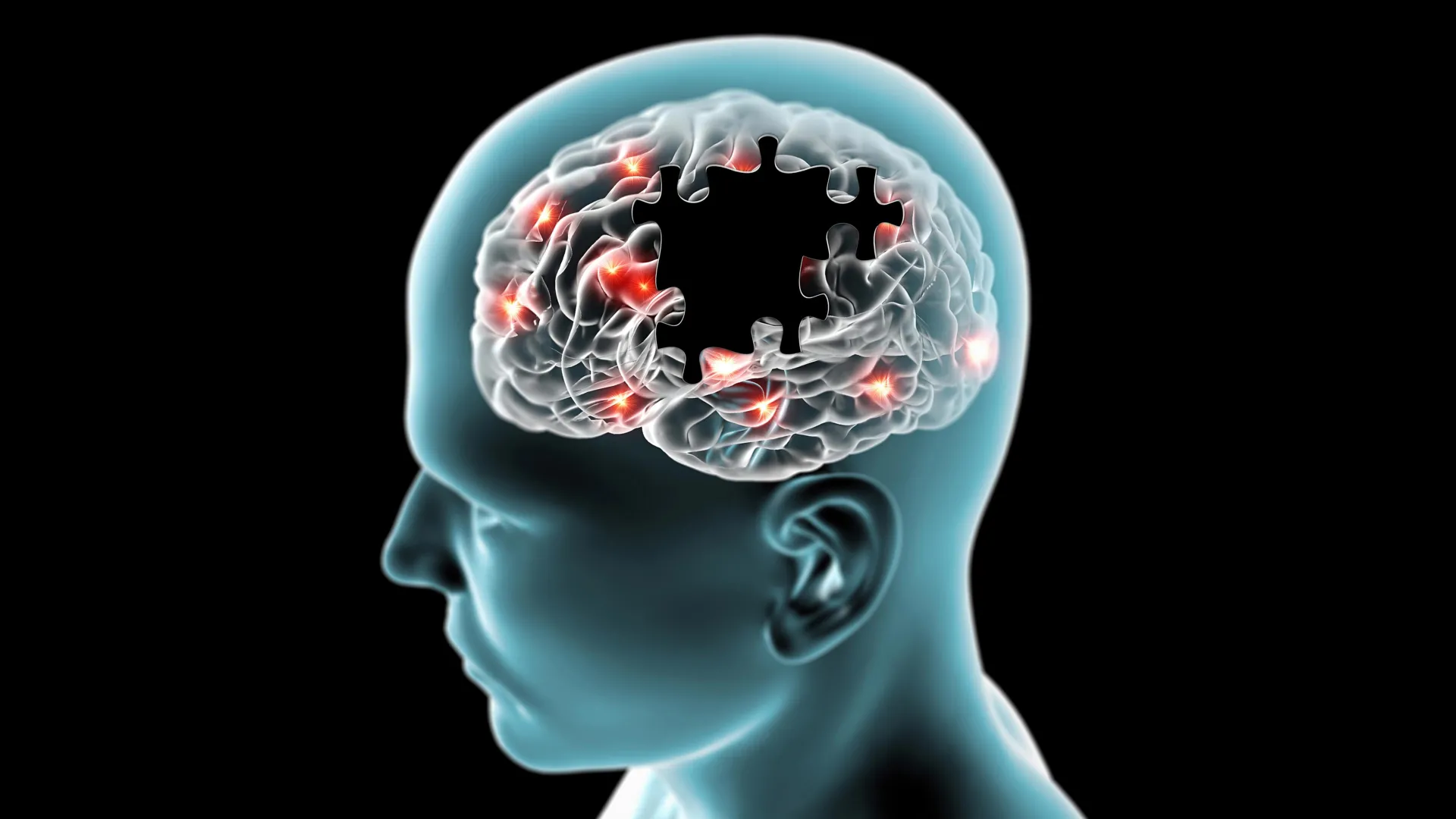
The intricate rhythms and nuances of everyday conversation are emerging as potent indicators of neurological integrity, according to a groundbreaking collaborative study from Baycrest’s Rotman Research Institute, the University of Toronto, and York University. This research highlights how subtle speech characteristics—ranging from the frequency of pauses and the use of filler words like "um" and "uh" to the speed of word retrieval—serve as a window into the brain’s executive function. Executive function represents a critical suite of mental processes, including working memory, cognitive flexibility, and inhibitory control, all of which are essential for planning, focusing attention, and managing complex tasks.
The study’s findings provide some of the most compelling evidence to date that natural speech patterns are not merely matters of personal style or cultural habit, but are deeply intertwined with the underlying health of the brain’s frontal lobes and associated neural networks. By leveraging advanced artificial intelligence to analyze vocal data, researchers have identified markers that can predict cognitive performance with remarkable accuracy. This development marks a significant shift in the field of neuropsychology, moving away from high-pressure, laboratory-based assessments toward the analysis of organic, real-world behavior.
The Intersection of Linguistics and Neurology
For decades, clinicians have observed that changes in speech often accompany neurological decline. However, quantifying these changes in a way that is both objective and scalable has remained a challenge. The research team, led by Dr. Jed Meltzer, a Senior Scientist at Baycrest, sought to bridge this gap by examining the "timing" of speech as a sensitive biological marker.
The study, titled "Natural Speech Analysis Can Reveal Individual Differences in Executive Function Across the Adult Lifespan," builds upon a growing body of evidence suggesting that cognitive "processing speed" is one of the first faculties to diminish as the brain ages or begins to succumb to neurodegenerative disease. Previous research, such as the 2024 study by Wei et al., had already established a correlation between speech rate and cognitive vitality, noting that older adults who maintain a faster pace of speaking generally perform better on memory and reasoning tests. This latest work expands that premise by looking beyond just speed to the specific structural components of a conversation.
Dr. Meltzer emphasizes that the way a person navigates a sentence—how they pause to find a word or how they bridge thoughts with fillers—is a reflection of the brain’s "computational" efficiency. When executive function is compromised, the mental effort required to select the correct word and organize it into a coherent sentence increases, leading to detectable shifts in speech timing.
Methodology: AI as a Diagnostic Tool
The study involved a diverse cohort of participants across the adult lifespan. To capture natural speech, researchers utilized a standardized "picture description task." Participants were shown detailed, busy images and asked to describe what they saw in their own words. This method is preferred in linguistic research because it requires the participant to engage in spontaneous language generation, involving visual perception, semantic retrieval, and syntactic construction simultaneously.
While the participants described the images, they also underwent a series of gold-standard cognitive assessments. These tests measured various facets of executive function, such as the ability to ignore distractions and the speed at which they could switch between different mental tasks.
The core innovation of the study lay in the analysis of the resulting audio recordings. The team employed sophisticated artificial intelligence algorithms to parse the speech into hundreds of distinct variables. These included:
- Acoustic measures: Pitch, volume variance, and tone.
- Temporal measures: The exact duration of pauses, the ratio of speaking time to silence, and the frequency of "disfluencies" (fillers like "uh" or "um").
- Semantic density: How much information was conveyed relative to the number of words used.
The AI system was able to detect patterns that are often invisible or inaudible to human observers. The results were striking: the linguistic markers identified by the AI consistently predicted the participants’ scores on traditional executive function tests. Crucially, these predictions held true even after the researchers accounted for demographic variables such as age, biological sex, and level of education, suggesting that speech patterns are an independent and robust indicator of cognitive health.
The Limitations of Traditional Cognitive Testing
One of the primary motivations for this research is the inherent limitation of current diagnostic tools for dementia and cognitive decline. Standard tests, such as the Montreal Cognitive Assessment (MoCA) or the Mini-Mental State Examination (MMSE), are widely used but face several hurdles in long-term monitoring.
First, these tests are often subject to the "practice effect." When a patient is tested repeatedly using the same or similar questions, they may improve their score simply because they have become familiar with the test format, thereby masking actual cognitive decline. Second, traditional testing requires a clinical setting and a trained professional to administer it, making it difficult to conduct frequent check-ins. Finally, many cognitive tests are "timed," which can induce anxiety in older adults, potentially skewing results and failing to reflect how the individual functions in a relaxed, everyday environment.
Natural speech analysis offers a solution to these challenges. Because speaking is a fundamental part of daily life, it can be measured unobtrusively and repeatedly without the patient feeling "tested." It provides a continuous stream of data that reflects real-world cognitive load. The team at Baycrest and their partners believe that this approach could revolutionize how we monitor brain health, moving from "snapshot" assessments to a "continuous film" of a person’s cognitive status.
Addressing the Global Dementia Crisis
The implications of this research are particularly urgent given the rising global prevalence of dementia. According to the World Health Organization, more than 55 million people worldwide are currently living with dementia, a number expected to rise to 139 million by 2050. Executive function is often one of the first areas to show impairment in the early stages of Alzheimer’s disease and other forms of cognitive impairment.
Early detection is the cornerstone of modern neurology. While there is currently no cure for most forms of dementia, early diagnosis allows for interventions that can significantly slow the progression of the disease. These interventions include lifestyle modifications—such as diet, exercise, and social engagement—as well as pharmacological treatments that are most effective when administered in the early "prodromal" stages of the disease.
"Early detection is critical for any cure or intervention, as dementia involves progressive degeneration of the brain that may be slowed," Dr. Meltzer noted. By identifying individuals whose speech patterns suggest a faster-than-normal rate of cognitive decline, healthcare providers can prioritize them for more intensive diagnostic follow-ups and early-stage clinical trials.
Chronology of Research and Future Directions
The journey toward using speech as a digital biomarker has evolved rapidly over the last decade.
- 2015-2018: Early studies began using simple word-count algorithms to look for signs of cognitive decline in the writings of famous authors and politicians.
- 2019-2022: The integration of AI and machine learning allowed researchers to move into acoustic analysis, looking at the "sound" of the voice rather than just the words used.
- 2024: The current study by Meltzer et al. represents a major milestone by specifically linking these speech markers to executive function across a wide age range, rather than focusing solely on those who are already symptomatic.
Looking forward, the research team plans to conduct longitudinal studies. These studies will follow the same group of individuals over several years to see how their speech changes as they age. This will help scientists distinguish between "normal" age-related slowing and the specific linguistic signatures of emerging pathology.
Furthermore, the team is exploring the integration of speech analysis into consumer technology. In the future, a smartphone app or a home voice assistant could potentially monitor a user’s speech patterns over time, alerting them or their doctor if significant changes are detected. This "passive monitoring" could provide a safety net for seniors living alone, ensuring that cognitive changes are caught long before they lead to a crisis.
Broader Implications for Healthcare Systems
The shift toward speech-based diagnostics also has profound implications for the accessibility and equity of healthcare. Traditional neuropsychological assessments are expensive and often concentrated in urban academic centers. For individuals living in rural areas or in low-resource settings, accessing a specialist for cognitive testing can be a significant hurdle.
Speech analysis, however, can be conducted remotely via tele-health or even automated systems. This democratization of cognitive monitoring could ensure that high-quality brain health tracking is available to a much broader segment of the population, regardless of their proximity to a major hospital.
The research was supported by the Mitacs Accelerate program and the Natural Sciences and Engineering Research Council of Canada (NSERC). These partnerships underscore the importance of cross-sector collaboration in tackling the complex challenges of aging and brain health. By combining the linguistic expertise of York University, the clinical insights of Baycrest, and the technological resources of the University of Toronto, the team has set a new standard for how we understand the relationship between the words we say and the health of the organ that produces them.
As the global population ages, the ability to maintain cognitive independence will become one of the defining public health challenges of the 21st century. The work of Dr. Meltzer and his colleagues suggests that the tools we need to monitor and protect our brain health may already be at our disposal—hidden within the very conversations we have every day. Through the lens of artificial intelligence, a simple "um" or a brief pause is no longer just a lapse in conversation; it is a vital signal from the brain, offering a chance for earlier intervention and a more proactive approach to neurological wellness.















Leave a Reply